
How Can I Make Black Coffee: Easy Step-By-Step Guide
Use fresh coffee, hot water, and the right brew time to make smooth black coffee without milk, cream, or sugar.
Learning how can I make black coffee starts with three simple choices: good beans, clean water, and a brewing method that fits your routine. This guide explains the best coffee-to-water ratio, clear step-by-step methods, common mistakes, caffeine facts, and easy ways to improve the flavor without adding sugar.
What Is Black Coffee?
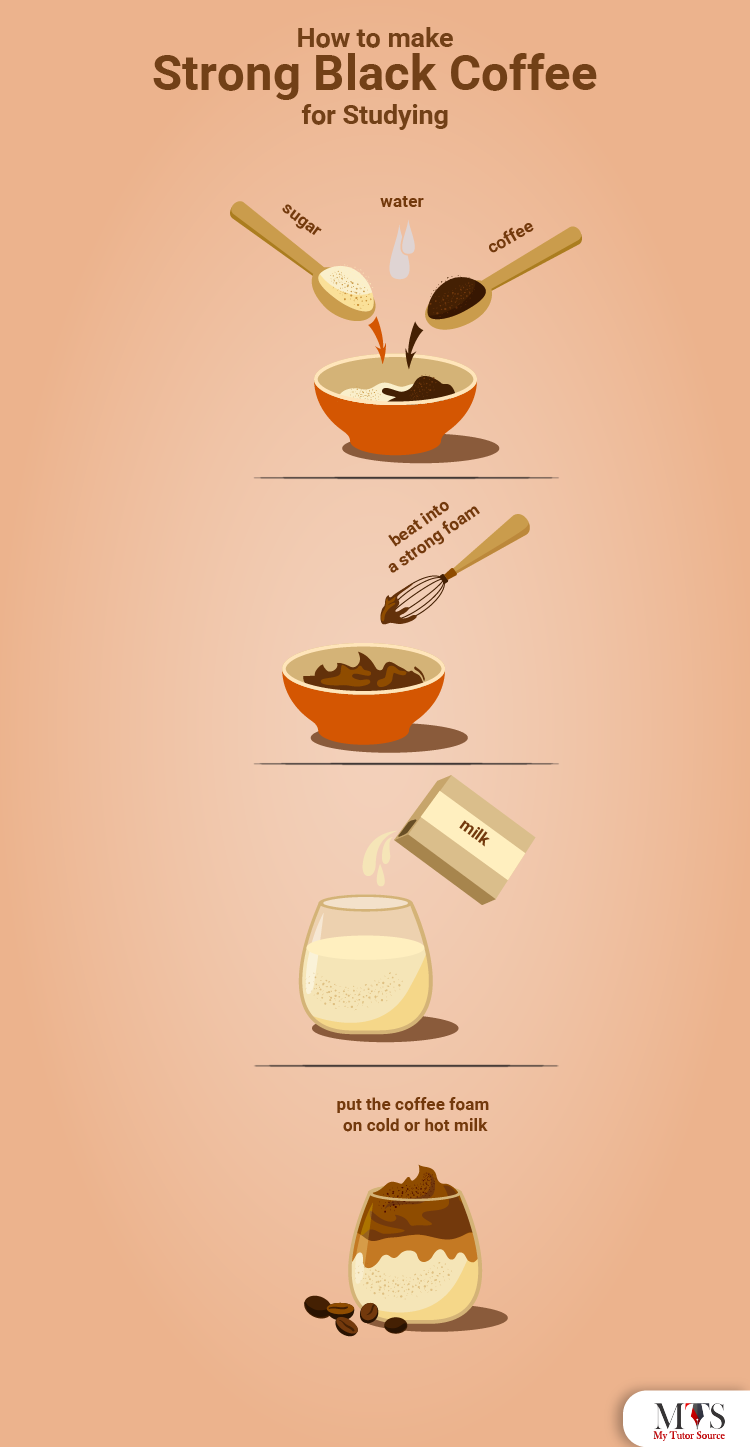
Black coffee is brewed coffee served without milk, cream, sugar, flavored syrup, or other add-ins. You can make it with ground coffee or instant coffee, and you can serve it hot or over ice.
The flavor can range from bright and fruity to deep and chocolate-like. The coffee bean, roast level, grind size, water temperature, and brew time all shape the final cup.
Many people think black coffee must taste bitter. It does not. Bitter coffee often comes from old beans, very hot water, too much coffee, or over-brewing. A well-made cup can taste smooth, sweet, and balanced.
How Can I Make Black Coffee? The Basic Method
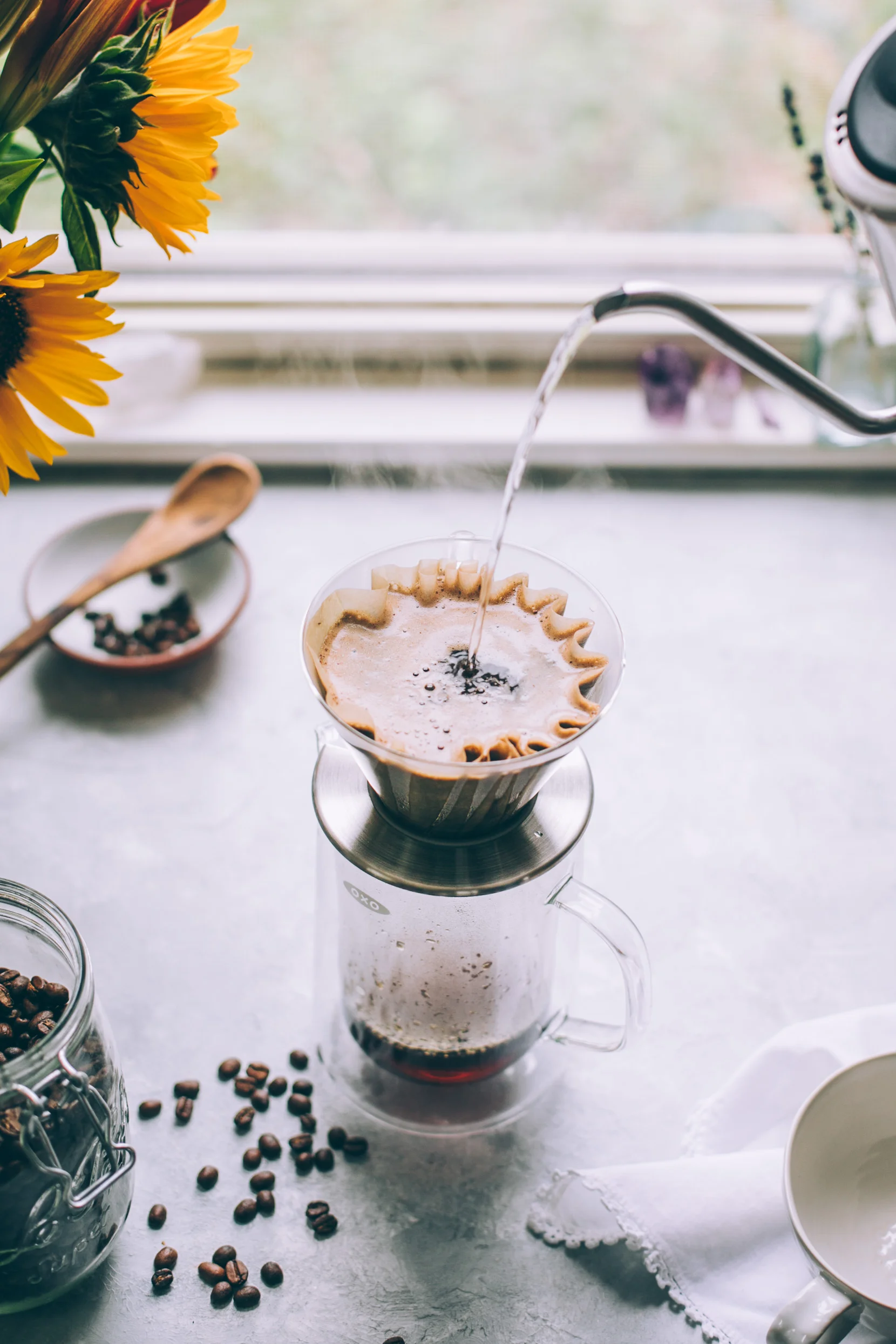
If you are asking how can I make black coffee at home, start with a simple drip coffee maker. It offers steady results and requires very little practice.
What you need
- 1 to 2 tablespoons of ground coffee
- 6 ounces of filtered water
- A coffee maker or pour-over brewer
- A clean mug
- Fresh coffee beans or freshly ground coffee
Step-by-step instructions
- Fill the coffee maker with fresh, cool water.
- Add a paper filter if your machine needs one.
- Place medium-ground coffee in the filter.
- Use about 1 tablespoon of coffee for every 6 ounces of water.
- Start the brewing cycle.
- Pour the coffee into a warm mug.
- Taste it before adding anything.
For a stronger cup, use more coffee rather than letting the coffee brew for much longer. Extra brew time can pull out harsh flavors.
A standard 8-ounce cup often contains around 80 to 100 milligrams of caffeine, though the amount varies by bean, serving size, and brewing method. If you are sensitive to caffeine, begin with a smaller serving.

How to Make Black Coffee Without a Coffee Maker
You do not need an expensive machine to learn how can I make black coffee. A saucepan, a mug, or a simple jar can work well.
Stovetop method
1. Add 6 ounces of water to a small saucepan.
2. Heat the water until it is hot but not boiling hard.
3. Stir in 1 tablespoon of medium-ground coffee.
4. Let the mixture sit for about 4 minutes.
5. Remove it from the heat.
6. Let the grounds settle for 1 minute.
7. Pour the coffee slowly into a cup.
This method is close to a simple cowboy coffee. Some grounds may remain in the cup, but the taste can be rich and full.
French press method
- Add coarse-ground coffee to the French press.
- Use about 1 tablespoon for every 6 ounces of water.
- Pour in hot water.
- Stir gently.
- Place the lid on the press.
- Wait 4 minutes.
- Press the plunger down slowly.
- Pour the coffee right away.
The French press leaves natural oils in the cup. It creates a heavier body than drip coffee, but it may also leave a small amount of sediment.
Pour-over method
- Place a paper filter in the brewer.
- Rinse the filter with hot water.
- Add medium-ground coffee.
- Pour a small amount of water over the grounds.
- Wait 30 to 45 seconds.
- Slowly add the rest of the water in circles.
- Let the coffee drain into the mug.
Pour-over coffee takes more care, but it gives you excellent control over taste. It is a good choice when you want a clean, bright cup.

How Can I Make Black Coffee With Instant Coffee?
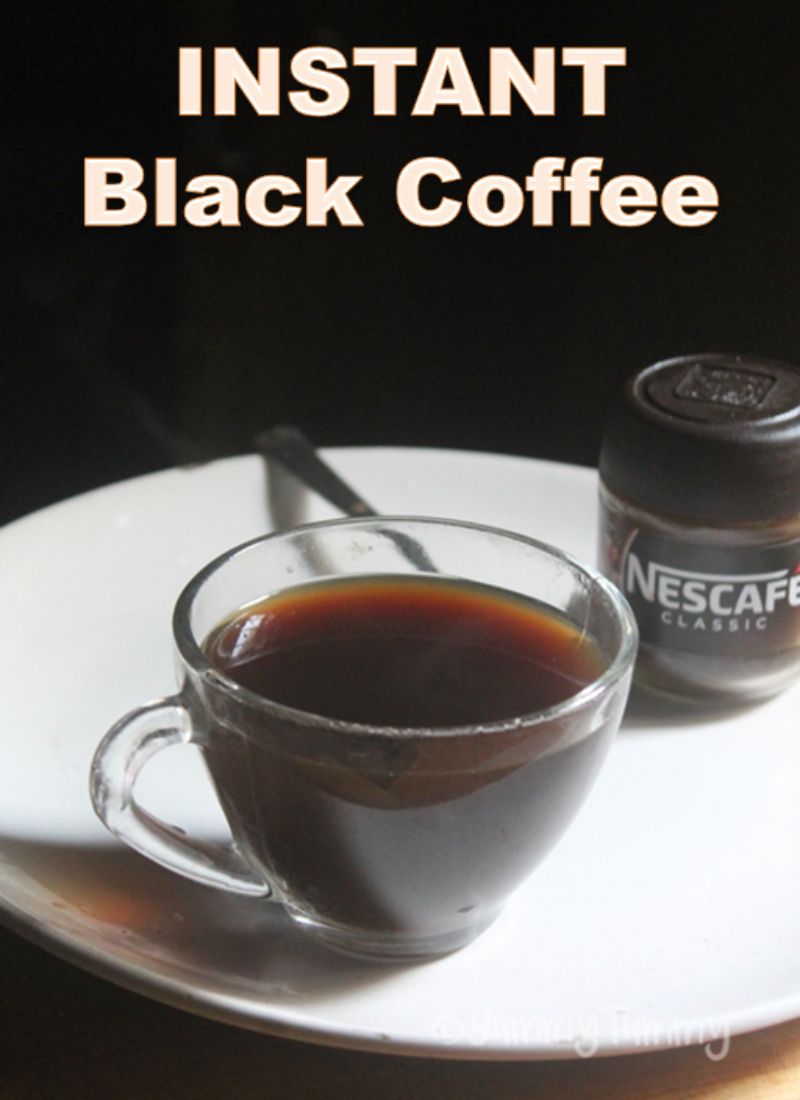
Instant coffee is the fastest answer to how can I make black coffee. It is made from brewed coffee that has been dried, so it dissolves in hot water.
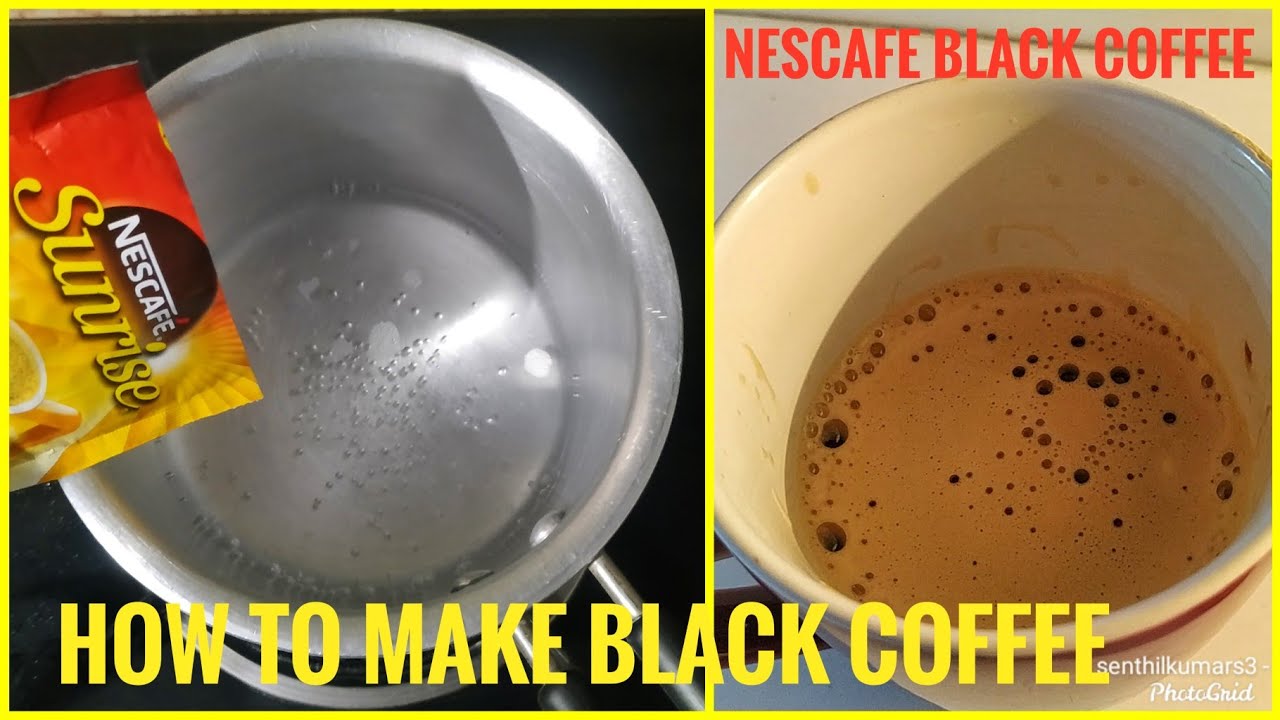
Simple instant coffee recipe
- Heat 6 to 8 ounces of water.
- Add 1 to 2 teaspoons of instant coffee to a mug.
- Pour in a small amount of hot water.
- Stir until the coffee dissolves.
- Add the remaining water.
- Taste and adjust the strength.
Do not use boiling water if you can avoid it. Extremely hot water may make instant coffee taste sharp or burnt. Water just below a boil usually gives a smoother result.
Choose plain instant coffee if you want true black coffee. Some packets contain sugar, milk powder, or creamer, so check the label before buying.
The Best Coffee-to-Water Ratio
The coffee-to-water ratio controls strength more than almost anything else. A useful starting point is 1 gram of coffee for every 15 to 18 grams of water.
For home use, these simple measurements work well:
- Mild coffee: 1 tablespoon per 6 ounces of water
- Medium coffee: 1½ tablespoons per 6 ounces of water
- Strong coffee: 2 tablespoons per 6 ounces of water
A kitchen scale gives the most accurate result. One common starting recipe uses 20 grams of coffee with 320 grams of water. This is close to a 1:16 ratio.
Coffee scoops are less exact because beans and grounds have different sizes. If your coffee tastes weak, add more coffee next time. If it tastes harsh, use less coffee or shorten the brew time.
How Can I Make Black Coffee Taste Better?
The best way to improve how can I make black coffee taste is to fix the brewing process before adding sweeteners. Small changes can make a large difference.
Use fresh coffee
Coffee loses aroma after grinding. Whole beans usually keep their flavor longer than pre-ground coffee when stored in an airtight container away from heat, light, and moisture.
Buy an amount you can use within a few weeks. Avoid storing coffee in the refrigerator because moisture and food odors can affect the beans.
Choose the right roast
Light roasts often taste bright, floral, or fruity. Medium roasts may taste balanced, nutty, or chocolate-like. Dark roasts tend to taste bold, smoky, and bitter.
If you are new to black coffee, a medium roast is often an easy starting point. It usually offers enough body without the sharp edge that some dark roasts can have.
Use clean water
Water makes up most of your cup, so its quality matters. Filtered water often tastes better than water with a strong chlorine or mineral flavor.
Avoid distilled water for regular brewing. It may produce a flat cup because it lacks minerals that help extract flavor.
Control the temperature
Water that is too cool may produce weak, sour coffee. Water that is too hot may extract bitter flavors.
A brewing range near 195°F to 205°F works well for many coffee methods. If you do not have a thermometer, let boiling water rest for about 30 seconds before using it.
Grind the beans correctly
- Fine grind: Espresso and some instant coffee styles
- Medium grind: Drip coffee and pour-over
- Coarse grind: French press
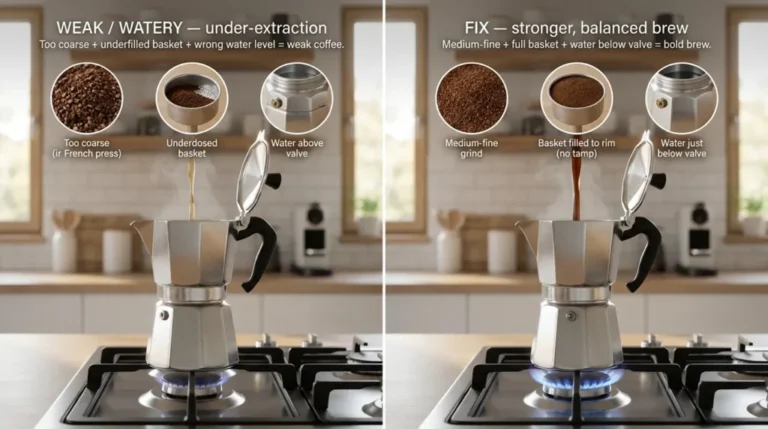
A grind that is too fine can make coffee bitter and muddy. A grind that is too coarse can make it thin and sour.

Common Mistakes When Making Black Coffee
When people ask how can I make black coffee, they often focus only on the amount of coffee. The process matters just as much.
Using stale coffee
Old coffee may smell flat and taste dull. Fresh beans should have a clear aroma. If the coffee smells like cardboard or dust, it may be past its best.
Adding too much coffee
More grounds do not always create better coffee. Too much coffee can make the drink heavy, dry, or bitter.
Change one factor at a time. First adjust the amount of coffee, then test the water or brew time.
Brewing for too long
Long contact with water can pull out harsh compounds. This is common with French press coffee that sits in the pot after pressing.
Pour French press coffee into another container after brewing. This stops the grounds from continuing to affect the flavor.
Using dirty equipment
Old coffee oils can become rancid. Wash your coffee maker, carafe, filter basket, French press, and grinder on a regular basis.
A clean machine is not a luxury. It is part of the recipe.
Drinking it too hot
Very hot coffee can burn your mouth and hide the real flavor. Let it cool for a few minutes before judging the cup.

Health Benefits and Limitations of Black Coffee
Black coffee contains very few calories when you do not add sugar, cream, or flavored syrup. It also contains caffeine and natural plant compounds, including antioxidants.
Research has linked moderate coffee intake with several possible health benefits, but coffee is not a cure or replacement for medical care. Individual results can vary based on genetics, sleep, medication, pregnancy, and caffeine tolerance.
For most healthy adults, up to about 400 milligrams of caffeine per day is commonly considered a moderate upper limit. That amount can equal roughly four 8-ounce cups, but coffee strength varies widely.
Consider limiting or avoiding caffeine if it causes:
- Trouble sleeping
- A fast or irregular heartbeat
- Anxiety or restlessness
- Stomach discomfort
- Headaches when intake changes
Pregnant people, children, and anyone with a health condition should ask a qualified health professional about a suitable caffeine limit. Black coffee is simple, but personal health needs still matter.
How Can I Make Black Coffee Less Bitter?
If you are learning how can I make black coffee less bitter, start by lowering the extraction. Use slightly cooler water, a shorter brew time, or a coarser grind.
You can also try a medium roast instead of a very dark roast. Dark beans are not automatically stronger, but their smoky flavor may seem more bitter.
Check your coffee-to-water ratio as well. A cup that is too concentrated may taste harsh. Add a small amount of hot water to a finished cup if you need to soften it.
Do not hide poor coffee with large amounts of sugar right away. First test fresh beans, clean water, and a better brewing process. These changes often solve the real problem.
How Can I Make Black Coffee for Iced Coffee?
You can make black coffee for iced coffee by brewing it strong and pouring it over ice. This prevents the ice from making the drink taste weak.
Hot-brewed iced coffee
- Brew 2 tablespoons of coffee with 6 ounces of water.
- Fill a glass with ice.
- Pour the hot coffee over the ice.
- Stir and drink once it cools.
Cold brew
- Mix 1 cup of coarse-ground coffee with 4 cups of cold water.
- Cover the mixture.
- Place it in the refrigerator for 12 to 18 hours.
- Strain it through a paper filter.
- Serve it over ice.
- Dilute it with water if the flavor is too strong.
Cold brew usually tastes smoother and less sharp because the grounds steep in cool water. It can still contain a large amount of caffeine, especially when served as a concentrated drink.
My Practical Lessons From Making Black Coffee
One lesson I learned early is that strong coffee and bitter coffee are not the same thing. I once used extra-dark beans, boiling water, and a long brew time because I wanted a bold cup. The result tasted burnt, not rich.
The better approach was simple: use a medium roast, measure the grounds, and let the water cool slightly after boiling. I also found that rinsing a paper filter removed a papery taste that I had mistaken for poor coffee quality.
When testing how can I make black coffee, change only one part of the recipe at a time. Keep the same beans and water while you adjust the grind or brew time. This turns random guessing into a useful kitchen experiment.
A small notebook can help. Record the bean, roast, grind, amount of water, brew time, and taste. After a few cups, you will know exactly what works for you.
Frequently Asked Questions About How Can I Make Black Coffee
How can I make black coffee strong?
Use more coffee grounds while keeping the same water amount. Start with 2 tablespoons per 6 ounces of water, then adjust to your taste without greatly increasing the brew time.
Can I make black coffee with regular ground coffee?
Yes. Regular ground coffee works in a drip coffee maker, French press, pour-over brewer, or saucepan. Match the grind size to the brewing method for better flavor.
Is black coffee healthy?
Black coffee is low in calories and contains caffeine and natural plant compounds. However, too much caffeine may affect sleep, anxiety, heart rate, or digestion, so moderation is important.
How many calories are in black coffee?
Plain black coffee usually has about 2 to 5 calories per 8-ounce serving. Calories increase when you add sugar, cream, milk, syrup, or flavored toppings.
Why does my black coffee taste sour?
Sour coffee is often under-extracted. Try using a finer grind, hotter water, more coffee, or a longer brew time, and change only one factor at a time.
Why does my black coffee taste burnt?
Burnt or very bitter coffee may come from dark-roasted beans, boiling water, over-brewing, or dirty equipment. Try a medium roast, slightly cooler water, and a shorter brew time.
Conclusion
Making black coffee is easy once you control the basics: fresh coffee, clean water, the right grind, a balanced ratio, and proper brewing time. Start with 1 tablespoon of coffee per 6 ounces of water, then adjust the strength to suit your taste.
You do not need expensive equipment. A drip machine, French press, pour-over brewer, saucepan, or instant coffee can all produce a satisfying cup. Try one method today, record what you change, and build your own reliable recipe.
Share your favorite black coffee method or explore more brewing guides to improve your daily cup.

Liora Pennings is a seasoned chef and kitchen enthusiast with a passion for turning everyday cooking into an effortless experience. With years of hands-on culinary expertise, she specializes in practical techniques, ingredient know-how, and smart kitchen solutions that help home cooks elevate their meals. At KitchFlair.com, Liora shares her best tips, time-saving tricks, and honest product reviews to guide readers toward a more efficient, enjoyable, and inspired cooking routine. Whether you’re a beginner or a seasoned home chef, Liora’s friendly, knowledge-packed insights make every visit to the kitchen a little easier—and a lot more delicious.