Does Vacuum Cleaner Remove Dust: What Really Works
Yes, a vacuum cleaner removes dust from floors, carpets, furniture, and other surfaces when used correctly.
The better question is how much dust a vacuum removes and where that dust goes. A good vacuum can lift fine particles, pet dander, soil, and allergens, but its results depend on suction, filters, attachments, and cleaning habits. This guide explains how vacuum cleaners work, what they can miss, and how to get cleaner air and surfaces at home.
How Does a Vacuum Cleaner Remove Dust?
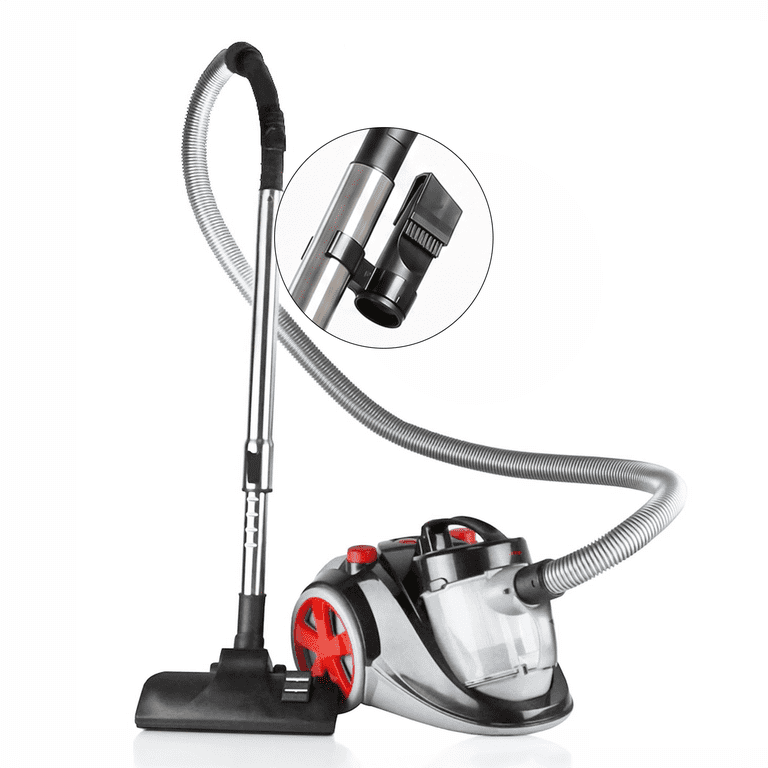
A vacuum cleaner removes dust by creating suction. Its motor pulls air through a cleaning head, hose, filter, and dust container or bag. As air moves, it carries loose dust and small debris into the machine.
The cleaning head helps loosen dust from carpet fibers, cracks, and hard floors. Brushes may sweep particles into the airflow, while the vacuum’s suction pulls them away. The dust then stays in a bag, bin, or filter system.
So, does vacuum cleaner remove dust from every surface? It removes loose and reachable dust well, but no vacuum captures every particle. Some dust may remain deep in carpets, cling to fabric, or float in the air after cleaning.
A vacuum is best viewed as a dust collector, not a complete air purifier. A sealed machine with a high-efficiency filter can capture very small particles. A poorly sealed machine may send some dust back into the room.

What Types of Dust Can a Vacuum Remove?
A vacuum can remove many kinds of household dust. Its success depends on particle size, surface type, and the quality of the vacuum.
Most household vacuums can collect:
• Visible dust on floors and shelves
• Dirt and sand tracked indoors
• Pet hair and dander
• Crumbs and food particles
• Carpet fibers and lint
• Pollen on floors and rugs
• Small pieces of dry debris
Fine dust can be harder to collect. Drywall dust, ash, flour, and construction powder may pass through a basic filter or clog the motor. Some fine particles can also become airborne before the vacuum captures them.
Does vacuum cleaner remove dust mites? It can remove some dust mites, mite waste, and particles from carpets and mattresses. However, vacuuming alone does not remove every mite because many live deep inside bedding, upholstery, and carpet fibers.
For fine household dust, use a vacuum with a sealed system and a high-efficiency particulate air, or HEPA, filter. A HEPA filter is designed to capture at least 99.97% of particles that are 0.3 microns in size under controlled test conditions. Real-world results may vary if the machine leaks air or the filter is dirty.

Can a Vacuum Cleaner Remove Dust From the Air?
A standard vacuum cleaner mainly removes dust from surfaces. It does not clean the entire room like an air purifier. However, a well-sealed vacuum with a good exhaust filter can reduce the amount of dust released during cleaning.
Some dust becomes airborne when you walk across a rug, shake a blanket, or move furniture. Larger particles settle quickly. Smaller particles may stay in the air for hours, depending on air movement and humidity.
Does vacuum cleaner remove dust from the air while running? It can capture airborne dust that enters its intake, but it cannot pull every floating particle from the room. The vacuum must be close to the dust, and the air must pass through its filtration system.
To improve air quality:
• Use a vacuum with a sealed body and HEPA filtration.
• Keep the vacuum head close to the surface.
• Move slowly instead of rushing.
• Empty the dust bin outdoors when possible.
• Replace damaged filters and bags.
• Use an air purifier if airborne dust is a major concern.
A vacuum and an air purifier do different jobs. The vacuum removes dust from surfaces, while the air purifier continuously filters room air.
Does a Vacuum Cleaner Remove Dust From Carpets?
Yes, a vacuum cleaner can remove a large amount of dust from carpets. The rotating brush or beater bar lifts particles from the carpet pile, and suction carries them into the vacuum.
Still, carpet acts like a sponge. It traps dust, pollen, skin flakes, pet hair, and soil. A quick pass over the top may remove visible debris while leaving fine dust below the surface.
For better carpet cleaning, use this method:
-
Clear small objects from the floor.
-
Set the vacuum height according to the carpet type.
-
Vacuum slowly in one direction.
-
Make a second pass at a right angle.
-
Focus on entrances and high-traffic areas.
-
Use the hose tool along edges and under furniture.
-
Empty or replace the dust container before it becomes full.
A full dust bin can reduce airflow. A worn brush roll can also reduce cleaning power. If the vacuum sounds normal but leaves dirt behind, check the brush, belt, filter, and height setting.
Does vacuum cleaner remove dust from thick rugs? It can, but thick rugs may need stronger suction and an adjustable brush roll. Some delicate rugs should be cleaned with suction only to prevent damage.

Does a Vacuum Cleaner Remove Dust From Hardwood Floors?
A vacuum cleaner can remove dust from hardwood floors very well. It is often safer than sweeping because sweeping can push fine dust into the air.
Use a floor head made for hard surfaces. It should have soft bristles or a suction-only setting. Avoid a rotating brush if it may scratch the floor or scatter dirt.
Does vacuum cleaner remove dust from hardwood floor cracks? It can remove loose dust from cracks, seams, and edges when the crevice tool reaches the area. Deep or stuck dirt may need a soft brush and a lightly damp cloth after vacuuming.
For wood floors:
• Remove grit often to reduce scratches.
• Use a soft floor attachment.
• Keep wheels and brush rolls clean.
• Do not use water inside the vacuum.
• Follow the flooring maker’s care instructions.
Vacuuming removes dry dust. It does not remove sticky spills, grease, or stains. Use a suitable wood floor cleaner for those problems, and avoid soaking the surface.
Does a Vacuum Cleaner Remove Dust From Furniture and Curtains?
A vacuum can remove dust from sofas, chairs, curtains, mattresses, and other fabric items. The upholstery tool loosens surface dust without using a harsh brush.
For curtains, use low suction when possible. Begin at the top and work downward. Hold the fabric steady so the nozzle does not pull or stretch it.
Does vacuum cleaner remove dust from furniture completely? Usually not. Dust can hide inside cushions, seams, buttons, and wood details. Vacuum these areas slowly, then wipe hard surfaces with a clean microfiber cloth.
A useful order is:
-
Vacuum the ceiling corners and vents.
-
Dust shelves and high furniture.
-
Vacuum sofas, cushions, and curtains.
-
Vacuum floors last.
This order prevents falling dust from landing on a clean floor. It also helps prevent the common mistake of cleaning the same area twice.
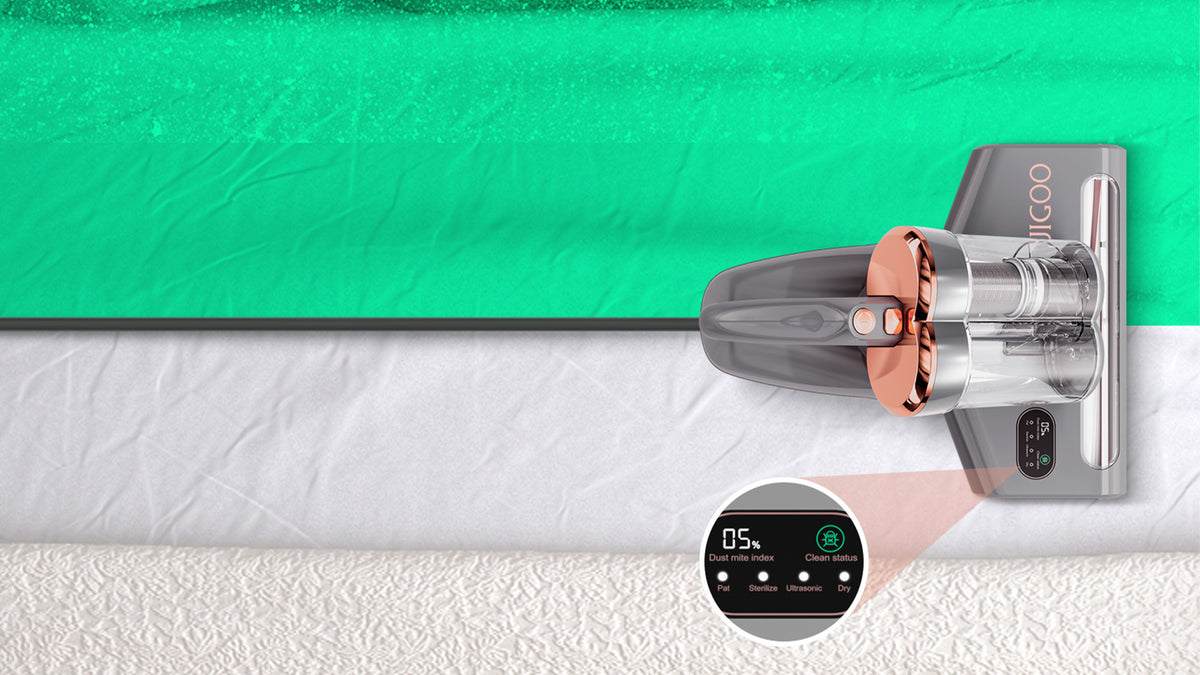
For mattresses, vacuum both sides when practical. Use a clean upholstery tool, and avoid pressing too hard. Vacuuming can remove surface particles, but it does not replace washing bedding or controlling indoor humidity.
How Effective Are HEPA Vacuum Cleaners?
HEPA vacuum cleaners are usually better at containing fine dust than basic models. Their filters capture very small particles, including some pollen, mold particles, and pet dander.
The filter alone does not tell the whole story. A vacuum may have a HEPA filter but still leak dust around the bag, bin, hose, or body. A sealed system is important because air should pass through the filter rather than escape around it.
When choosing a vacuum, look for:
• A sealed filtration system
• A genuine HEPA filter
• A washable or replaceable filter
• Strong airflow at the cleaning head
• A brush roll that suits your floor