How To Make A Popcorn Stitch In Crochet: Easy Guide
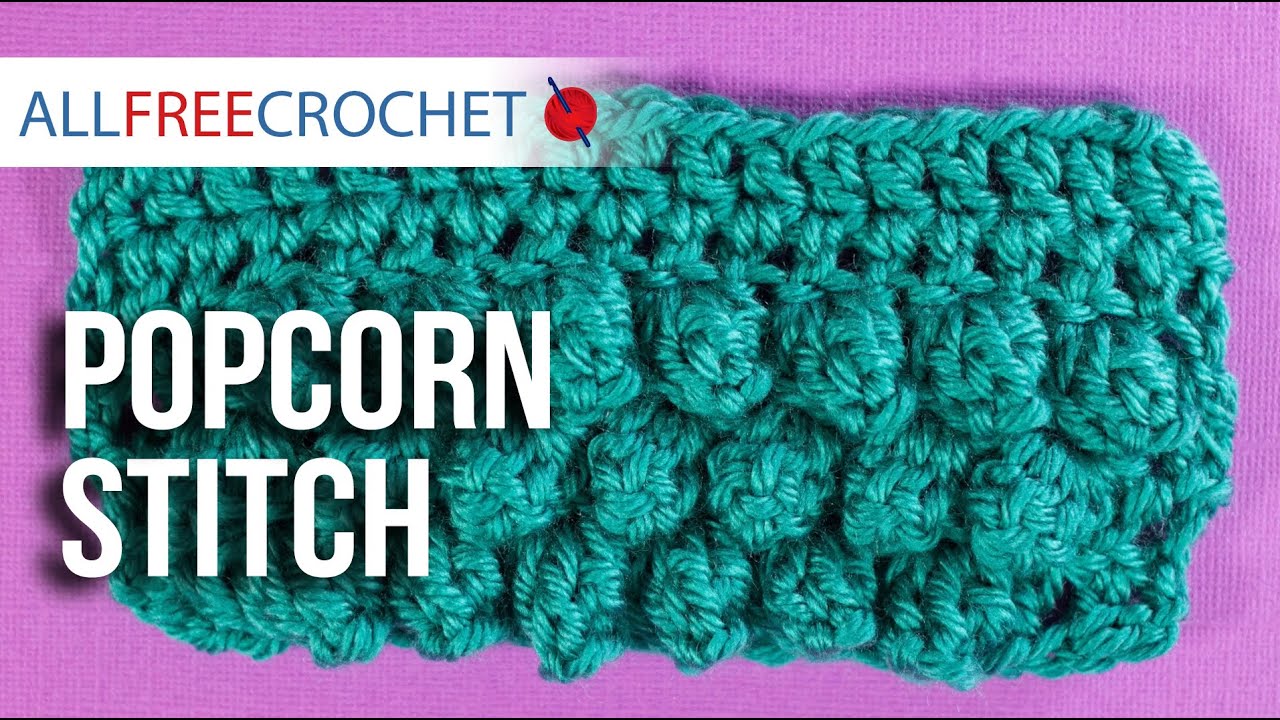
To make a popcorn stitch in crochet, work five double crochets together, then close them into one raised stitch.
Learning how to make a popcorn stitch in crochet is easier than it looks. This classic texture uses several double crochets in one stitch, then joins them to form a soft, rounded bump. With the right hand position and a little practice, you can use it for blankets, hats, bags, scarves, and textured crochet motifs.

What Is a Popcorn Stitch in Crochet?
A popcorn stitch is a raised crochet texture made from several completed stitches worked into the same base stitch. The stitches are joined at the top, creating a rounded shape that stands out from the fabric.
The most common version uses five US double crochets. Some patterns use four, six, or even seven double crochets, so always check the pattern notes before you begin.
The popcorn stitch is different from a bobble or puff stitch. A popcorn uses fully completed stitches that are joined together. A bobble or puff is usually made by working several partial stitches and closing them all at once.
Materials You Need
You do not need special tools to learn how to make a popcorn stitch in crochet. Use the same basic supplies you would use for most crochet projects.
• Crochet hook that matches your yarn
• Smooth, medium weight yarn for practice
• Scissors
• Yarn needle for weaving in ends
• Crochet pattern, if you are following one
Choose a light or medium color for your first practice swatch. Very dark yarn can hide the loops, while fuzzy yarn can make it hard to see where to insert the hook.
For the clearest results, use yarn with good stitch definition. Cotton, acrylic, and smooth wool blends all work well. Check the yarn label for the suggested hook size, but remember that a textured stitch may need a slightly larger hook if your fabric feels stiff.

How to Make a Popcorn Stitch in Crochet
This tutorial uses the standard five double crochet popcorn stitch in US crochet terms. The method is simple once you understand where the live loop goes.
Step 1: Work five double crochets in one stitch
Insert your hook into the next stitch. Yarn over, pull up a loop, yarn over, and pull through two loops twice to complete one double crochet.
Repeat this process four more times in the same stitch. You should now have five complete double crochets growing from one base stitch.
Keep the stitches relaxed. If you pull the yarn too tightly, the hook may not pass through the first stitch in the next step.
Step 2: Remove the hook from the active loop
Take your hook out of the loop from the fifth double crochet. Do not pull the yarn. Let the loop rest beside the stitch while you prepare to join the popcorn.
This step can feel risky at first. The loop is still connected to your yarn, so it will not unravel if you handle it gently.
Step 3: Insert the hook into the first double crochet
Find the top of the first double crochet you made. Insert your hook from front to back under both top loops of that stitch.
It helps to gently spread the five stitches with your fingers. The first stitch may lean to one side, especially when you are working with a tight tension.
Step 4: Pick up the loose loop
Place the loose loop from the fifth double crochet back onto your hook. Pull that loop through the top of the first double crochet.
The five double crochets should now fold into a small, rounded cluster. This is the main action that creates the popcorn texture.
Step 5: Chain one to secure the stitch
Many crochet patterns tell you to chain one after closing the popcorn. This chain locks the stitch and helps the next stitch sit neatly beside it.
Some patterns count this chain as part of the popcorn stitch. Others do not. Follow the pattern instructions, because the choice affects the stitch count and the height of the row.
:max_bytes(150000):strip_icc()/PopcornStitch10-2ece9774346c4eb6a67584fd0f682e81.jpg)
Written Crochet Instructions
A common written version of the stitch looks like this:
- Work 5 dc in the same stitch.
- Remove the hook from the active loop.
- Insert the hook from front to back into the top of the first dc.
- Place the active loop back on the hook.
- Pull the loop through the first dc.
- Ch 1 to secure.
In a pattern, the stitch may appear as “popcorn” or “pc.” Always read the abbreviation key first. Crochet designers may use a slightly different number of double crochets or a different closing method.
A compact pattern line may look like this:
“5 dc in next st, drop loop, insert hook in first dc, replace loop on hook, pull through, ch 1.”
That instruction describes the complete process. It does not mean that you should work five double crochets together in the same way as a decrease.

How to Read a Popcorn Stitch Diagram
A crochet chart often shows a popcorn stitch as a small cluster of lines or a rounded symbol. The exact symbol can vary between designers, so check the chart key before starting.
Look for these details:
• The number of double crochet symbols in the cluster
• The base stitch where the cluster begins
• Whether a chain closes the popcorn
• The direction of the next stitch
• Whether popcorns appear on the right side only
A chart may show the popcorn as one symbol, even though you work several stitches to create it. Think of the symbol as a visual shortcut for the full written instruction.

Popcorn Stitch on the Right and Wrong Side
Most popcorn stitches look best when the rounded side faces the front of the project. If you work on the wrong side, the bump may face away from you.
When following a flat pattern, watch which side is facing you. Some designers tell you to work the popcorn from the wrong side so the bump pushes through to the front. Others use a special joining method to control the direction.
If your popcorn looks flat, turn the work and inspect the other side. The stitch may be correct but facing the wrong direction.
In my own practice swatches, this is one of the most common sources of confusion. A crocheter may count every loop correctly, yet the texture seems missing because the cluster is facing the back.

Popcorn Stitch Versus Bobble and Puff Stitch
These three textured stitches can look similar, but they are made in different ways.
Popcorn stitch
A popcorn uses several complete stitches worked into one base stitch. You then join the first and last stitches at the top. It creates a firm, rounded bump.
Bobble stitch
A bobble usually uses several partial double crochets or taller stitches. The unfinished stitches are closed together at the top. A bobble often feels denser and more compact than a popcorn.
Puff stitch
A puff stitch is made by drawing up several loops through the same space and closing them together. It creates a soft, pillowy texture.
The names are not fully consistent across the crochet world. Some designers call a large bobble a popcorn, while others use the terms very carefully. The pattern instructions matter more than the name.

Common Mistakes and How to Fix Them
Even experienced crocheters can make popcorn stitches that look uneven. Most problems come from tension, stitch placement, or joining the wrong loops.
The popcorn looks flat
You may have pulled the loops too tightly. Work each double crochet with a relaxed height, and avoid tightening the yarn after every step.
A larger hook can also help during practice. You can return to the recommended hook once your tension feels comfortable.
The cluster twists
Make sure all five double crochets are worked into the same base stitch. If one stitch enters the next space, the popcorn may lean or twist.
Use a stitch marker in the base stitch when learning. It makes the working point easier to identify.
The top does not close
Check that you inserted the hook into the top of the first double crochet. Insert under both top loops, not into the center of the stitch or around the post.
Also confirm that you put the active loop from the fifth double crochet back on the hook before pulling it through.
The next row has too many stitches
A completed popcorn usually counts as one stitch, even though it contains five double crochets. Do not count each double crochet as a separate stitch when working the next row.
Some patterns count the securing chain as part of the stitch. Read the pattern notes before counting.
The popcorn faces the back
Turn the work and check the other side. If needed, work the popcorn on the side that allows the rounded bump to face forward.
Tension Tips for Neat Popcorns
Tension controls the size and shape of a popcorn stitch. Loose tension creates a larger, softer bump. Tight tension creates a smaller, firmer bump.
Try these practical tips:
• Keep the first four double crochets at the same height.
• Do not yank the loop when removing the hook.
• Use your thumb to hold the completed cluster in place.
• Space popcorns evenly across the row.
• Make a test swatch before starting a large project.
When I teach this stitch, I encourage people to focus on height rather than force. The goal is not to pull the yarn tight. The goal is to make five even stitches that can fold together naturally.
How to Practice the Popcorn Stitch
A small swatch lets you practice without the pressure of a full project. Start with a foundation chain of 16 to 20 chains, then work a row of double crochet.
On the next row, place a popcorn every four or five stitches. Fill the spaces between the popcorns with regular double crochets. Continue for several rows so you can see how the bumps behave on both sides.
After making a few rows, inspect the fabric:
• Are the popcorns similar in size?
• Do they face the same direction?
• Is the fabric curling?
• Can you count the stitches easily?
• Does the texture feel too stiff?
If the fabric curls, your tension may be too tight, or the pattern may need more stitches between textured sections. A swatch helps you solve these issues before they affect a blanket or garment.
Best Projects for Popcorn Stitch
Popcorn stitches add texture and visual interest to many crochet projects. They work especially well when you want a simple fabric to have a decorative focal point.
Good project ideas include:
• Baby blankets
• Throw pillows
• Scarves
• Winter hats
• Tote bags
• Sweaters
• Crochet flowers
• Afghans with geometric patterns
• Textured borders
Use popcorns in rows for a raised stripe effect. Place them in a grid for a dotted design, or arrange them in flower shapes for a more decorative look.
Keep in mind that popcorns add bulk. They may not be the best choice for areas that need to lie completely flat, such as the inside of a fitted sleeve or a smooth table runner.
Yarn and Hook Choices
Smooth yarn makes it easier to learn how to make a popcorn stitch in crochet. A medium weight yarn with a matching hook gives you enough room to see each stitch without making the fabric too loose.
Cotton shows stitch detail clearly but may feel firm. Acrylic is forgiving and easy to find. Wool creates warm, springy popcorns, though some wool yarns can hide the stitch definition if they are very fuzzy.
A metal hook may glide well through tight stitches. A soft grip hook can reduce hand strain during long practice sessions. Choose the tool that feels steady in your hand.
There is no single perfect yarn for every project. The best choice depends on the desired size, softness, drape, and wash care.
Adjusting the Popcorn Stitch
You can change the look of a popcorn by changing the number of double crochets.
• Four double crochets create a smaller bump.
• Five double crochets create the standard texture.
• Six double crochets create a fuller bump.
• Seven double crochets create a large, bold cluster.
Adding more stitches also adds bulk and can make the fabric denser. If you change the stitch size in a pattern, make a swatch first. The altered popcorn may affect the width, height, and yarn use.
You can also create a taller popcorn with treble crochets, but this changes the pattern gauge and appearance. Do not substitute taller stitches in a finished pattern without testing the result.
Care and Blocking Tips
Textured crochet can change shape during washing. Follow the care instructions for your yarn, and test your washing method on a swatch when possible.
Hand wash delicate wool and use cool water for fibers that may shrink. Acrylic often tolerates gentle machine washing, but high heat can distort or melt some synthetic fibers.
Blocking can help even out the surrounding fabric. Use light shaping rather than pressing the popcorns completely flat. Let the raised stitches keep their texture.
For a blanket or pillow cover, place the popcorns evenly before the piece dries. This simple step can make the whole design look more polished.
Expert Tips for Better Results
Small details make a major difference when learning how to make a popcorn stitch in crochet.
• Count the double crochets before closing the cluster.
• Mark the first stitch if you lose track of it.
• Use the same closing method throughout the project.
• Keep the active loop safe when the hook is removed.
• Check the right side after every few popcorns.
• Read the pattern’s stitch count and abbreviation notes.
• Practice with a smooth, light-colored yarn.
The most useful lesson is to slow down at the joining step. The five double crochets are easy to make. The neat finish comes from finding the first stitch and pulling the active loop through without stretching it.
Frequently Asked Questions About How to Make a Popcorn Stitch in Crochet
How many double crochets are in a popcorn stitch?
The standard popcorn stitch usually has five double crochets worked into the same stitch. Some patterns use four, six, or seven, so follow the designer’s instructions.
Does a popcorn stitch count as one stitch?
Yes, a completed popcorn usually counts as one stitch in the next row. Its five double crochets form one textured cluster, but pattern instructions may treat the securing chain separately.
Why does my popcorn stitch look like a bobble?
Your stitch may look like a bobble if you used partial double crochets instead of five complete double crochets. A popcorn is made from finished stitches that are joined at the top.
Should the popcorn stitch face the front or back?
The rounded side should face the front of the project. Depending on the pattern, you may need to work the stitch on the right side or wrong side to make that happen.
Can beginners learn how to make a popcorn stitch in crochet?
Yes. Beginners can learn this stitch with a small practice swatch and smooth yarn. The key steps are making five even double crochets, preserving the active loop, and joining it to the first stitch.
Why is my popcorn stitch too tight?
A tight popcorn usually comes from short double crochets or firm tension. Keep each stitch at a normal height, use a slightly larger hook for practice, and avoid pulling the working yarn too hard.
Conclusion
Learning how to make a popcorn stitch in crochet gives your projects a rich, raised texture with only a few basic steps. Work five complete double crochets in one stitch, remove the hook from the active loop, join that loop to the first double crochet, and secure the cluster with a chain when the pattern calls for it.
Start with a small swatch in smooth yarn. Focus on even tension, correct stitch placement, and the direction of the finished bump. Once the motion feels natural, try popcorn rows in a blanket, hat, bag, or decorative border, then explore more crochet stitch guides and share your project with fellow crocheters.

Liora Pennings is a seasoned chef and kitchen enthusiast with a passion for turning everyday cooking into an effortless experience. With years of hands-on culinary expertise, she specializes in practical techniques, ingredient know-how, and smart kitchen solutions that help home cooks elevate their meals. At KitchFlair.com, Liora shares her best tips, time-saving tricks, and honest product reviews to guide readers toward a more efficient, enjoyable, and inspired cooking routine. Whether you’re a beginner or a seasoned home chef, Liora’s friendly, knowledge-packed insights make every visit to the kitchen a little easier—and a lot more delicious.