How Heavy Is A Vacuum Cleaner: Weight Guide
Most vacuum cleaners weigh between 5 and 20 pounds, depending on their type, motor, battery, and cleaning features.
If you are asking how heavy is a vacuum cleaner before buying one, the number on the product page is only part of the story. A vacuum may feel light on a store floor but much heavier when you carry it upstairs, push it across thick carpet, or hold it above your head to clean curtains. This guide explains average vacuum weights, what affects them, and how to choose a model that feels right in daily use.

How heavy is a vacuum cleaner?
The average household vacuum cleaner weighs about 5 to 20 pounds. Lightweight stick vacuums often weigh less than 10 pounds, while full-size upright vacuums can weigh 12 to 20 pounds or more.
Here is a simple weight guide:
• Handheld vacuum: 1.5 to 5 pounds
• Cordless stick vacuum: 4 to 10 pounds
• Corded stick vacuum: 5 to 12 pounds
• Canister vacuum: 8 to 18 pounds
• Upright vacuum: 12 to 22 pounds
• Robot vacuum: 5 to 10 pounds
• Central vacuum hose and wand: 3 to 8 pounds during use
These figures are general ranges. Exact weight varies by brand, battery size, dust cup capacity, brush roll, filter system, and included attachments.
When people ask how heavy is a vacuum cleaner, they often mean the weight they must carry. That is different from the machine’s listed weight. A cordless stick vacuum may weigh 7 pounds with its battery and floor head, but only 4 pounds without them. Always check whether the manufacturer includes the battery, hose, wand, and attachments in the stated weight.
Vacuum cleaner weight by type
The design of a vacuum cleaner has a major effect on its weight. Each type balances power, storage, comfort, and portability in a different way.
Handheld vacuums
Handheld vacuums are usually the lightest option. Most weigh between 1.5 and 5 pounds, making them useful for stairs, cars, furniture, crumbs, and small spills.
Their small size comes with limits. A handheld model usually has a small dust cup, a short run time, and less suction than a full-size vacuum. It is best for quick jobs rather than cleaning an entire home.
Cordless stick vacuums
Cordless stick vacuums typically weigh 4 to 10 pounds. The battery, motor, dust bin, and floor head sit near the handle, so the vacuum can feel heavier than its scale weight suggests.
A 6-pound stick vacuum with poor balance may feel more tiring than an 8-pound model with a comfortable handle. This is why weight distribution matters as much as total weight.
Upright vacuums
Upright vacuums often weigh 12 to 22 pounds. Some models weigh even more when they include large motors, sealed filtration, powered brush rolls, or oversized dust containers.
The good news is that upright vacuums carry much of their weight on the floor. You normally push them instead of lifting them. However, their weight becomes important when you carry them up stairs or place them in storage.
Canister vacuums
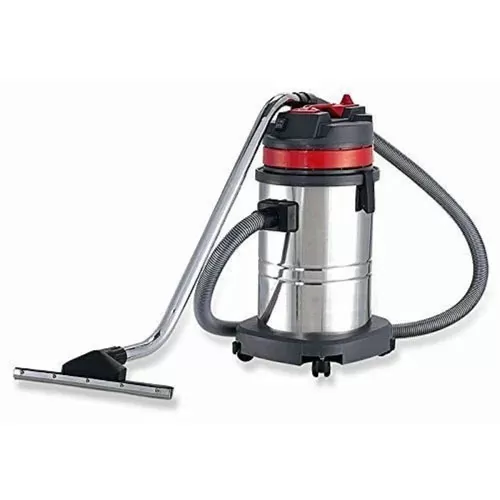
Canister vacuums commonly weigh 8 to 18 pounds. The body rolls behind you, while the hose and wand remain in your hand.
This design can feel lighter during cleaning because you do not lift the main motor. Canister vacuums can be a good choice for stairs, hard floors, and homes with many narrow spaces. You still need to carry the canister when moving between rooms or floors.
Robot vacuums
Robot vacuums usually weigh 5 to 10 pounds. Their low shape and compact design allow them to move under furniture without human lifting during normal cleaning.
Their weight matters most when you empty the dust bin, clean the brushes, or carry the robot between floors. A heavier robot may include a larger battery, stronger navigation hardware, or a self-emptying base, but the base itself can add considerable weight.
Central vacuum systems
A central vacuum system does not require you to carry the main motor during cleaning. The motor sits in a garage, basement, or utility area, while you use a hose and cleaning wand.
The hose and wand may weigh 3 to 8 pounds together. This can make central vacuum systems feel light in the hand, although installation is more complex and usually costs more than buying a portable vacuum.
.png)
What makes a vacuum cleaner heavier?
A vacuum’s weight comes from several parts. More power does not always mean a better cleaner, but stronger components often add weight.
Motor size
A larger motor can support strong airflow and suction. It also needs more housing, insulation, and cooling parts. These additions increase the total weight.
Modern vacuum performance should not be judged by motor wattage alone. Airflow, sealed suction, brush design, and filtration all affect cleaning results. A well-designed 8-pound vacuum can clean better than a poorly designed 15-pound model.
Battery size
Cordless vacuums use lithium-ion batteries. A larger battery can provide longer cleaning time, but it also adds weight.
This creates a common trade-off:
• Small battery: lighter body and shorter run time
• Large battery: longer run time and greater hand fatigue
• Removable battery: easier replacement but often more weight
• Built-in battery: cleaner design but less convenient to replace
If you have a small apartment, a lightweight battery may be enough. A large home with pets may require a bigger battery or a spare one.
Dust cup or bag capacity
A large dust cup lets you clean longer without stopping. It also adds size and material to the vacuum.
The vacuum becomes heavier as the dust cup fills. Dirt, pet hair, and fine debris can add noticeable weight, especially in an upright or canister model. A full bag can make a vacuum harder to push and carry.
Brush roll and floor head
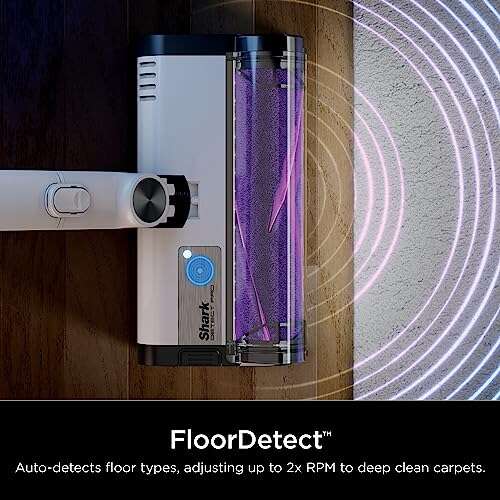
A motorized floor head improves cleaning on carpets and can remove embedded hair. It also adds a motor, belt, brush roll, housing, and wheels.
Some heads are wide and heavy. This can help clean more floor area with each pass, but it may make the vacuum harder to lift or steer around furniture.
Filters and sealed systems
High-efficiency filters trap small particles. A sealed system helps prevent dusty air from leaking back into the room.
These parts may add weight, especially in vacuums designed for allergy control. They also require regular maintenance. A clogged filter can reduce airflow and make the machine feel harder to push.
Attachments and accessories
A product box may include a crevice tool, upholstery tool, dusting brush, extension wand, extra battery, charging stand, and hose.
These items may not count toward the vacuum’s listed body weight. However, they affect the weight you must store and carry. Check the shipping weight if you want to know the total package weight.
How heavy is a vacuum cleaner when it is full?
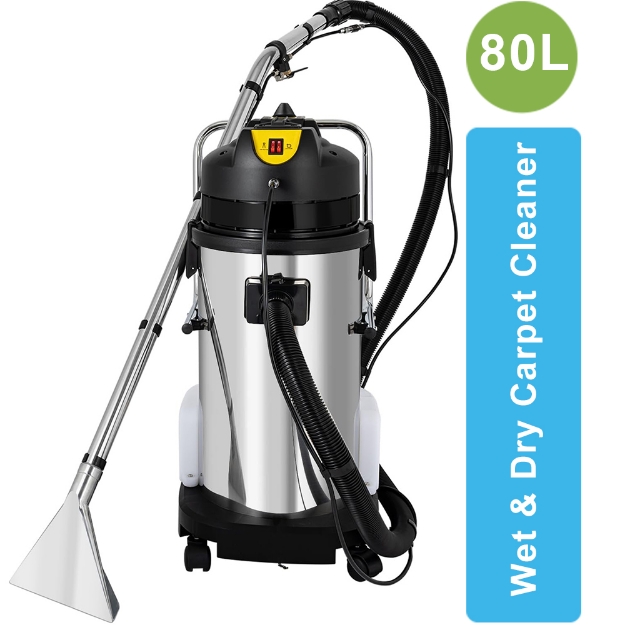
A vacuum cleaner can gain about 1 to 5 pounds when its dust bin or bag fills. The exact increase depends on what it collects.
Fine dust adds less weight than sand, pet litter, or food crumbs. A vacuum used in a home with pets may also collect dense hair and dirt that quickly raises the load.
A full vacuum can feel heavier for two reasons:
• The collected debris adds weight.
• A full bin can reduce airflow and make the machine harder to move.
Empty the dust cup before it reaches the maximum line. For bagged vacuums, replace the bag when it is about two-thirds full or when suction drops. This helps the vacuum work more efficiently and reduces strain on your arm.
Does a heavier vacuum clean better?
Not necessarily. A heavier vacuum may contain a stronger motor, larger brush roll, or better filtration system, but weight alone does not prove cleaning power.
Cleaning performance depends on several factors:
• Airflow through the floor head
• Suction at the nozzle
• Brush roll contact
• Seal quality
• Filter condition
• Floor type
• Vacuum height adjustment
A heavy upright may perform very well on thick carpet. A lightweight stick vacuum may work better for quick cleaning on hardwood floors. The best choice depends on your surfaces, home size, and physical comfort.
Independent testing groups often measure debris pickup, airflow, noise, filtration, and ease of use instead of relying only on product weight. This is a useful approach because a vacuum must clean well and remain comfortable to use.

Is a lightweight vacuum better for your home?
A lightweight vacuum can be a smart choice if you have stairs, limited storage, or difficulty lifting heavy objects. It is also helpful when you clean often but prefer short cleaning sessions.
Light models are especially useful for:
• Apartments and small homes
• Seniors and people with joint pain
• Multi-level homes
• Quick daily cleaning
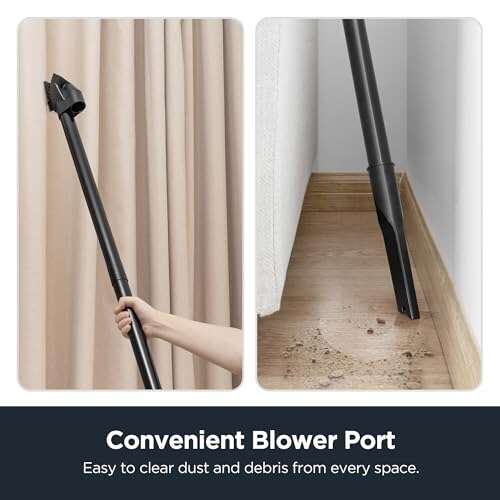
• Cleaning ceilings, stairs, and curtains
• Homes with limited closet space
However, lightweight does not always mean ideal. Some small vacuums have short battery life, small dust cups, narrow cleaning paths, or weaker carpet performance.
Before choosing a light model, ask yourself:
- Will it clean the floor type in my home?
- Can I finish my usual cleaning session on one charge?
- Is the handle comfortable?
- Can I carry it up the stairs safely?
- Are replacement batteries and filters available?
A vacuum that is slightly heavier but easier to steer may be more comfortable over time. Think of it like carrying a grocery bag. A balanced 10-pound bag may feel easier than an unbalanced 7-pound bag.
How to choose the right vacuum weight
The best vacuum weight depends on who will use it, where it will be stored, and how often it will be carried.
Choose a lightweight vacuum if:
• You must carry it up stairs often.
• You clean small areas each day.
• You have limited upper-body strength.
• You clean furniture and above-floor surfaces.
• You live in a small apartment.
A stick or canister vacuum may offer the best mix of portability and cleaning reach.
Choose a heavier vacuum if:
• You have thick carpet.
• You need a wide cleaning path.
• You have pets that shed heavily.
• You want a large dust bin or bag.
• You prefer a powerful upright design.
A heavier model may be worthwhile if most of its weight stays on the floor during use.
Test more than the scale weight
If possible, test the vacuum in a store before buying. Lift it by the main handle, tilt it back, turn it, and carry it several steps.
Pay attention to:
• Handle angle
• Wrist position
• Weight near the hand
• Ease of steering
• Stair handling
• Floor head movement
• Cord or hose drag
Online reviews can help, but comfort is personal. Someone else may call a vacuum light while you find it tiring after 15 minutes.
My practical lessons from using different vacuum types
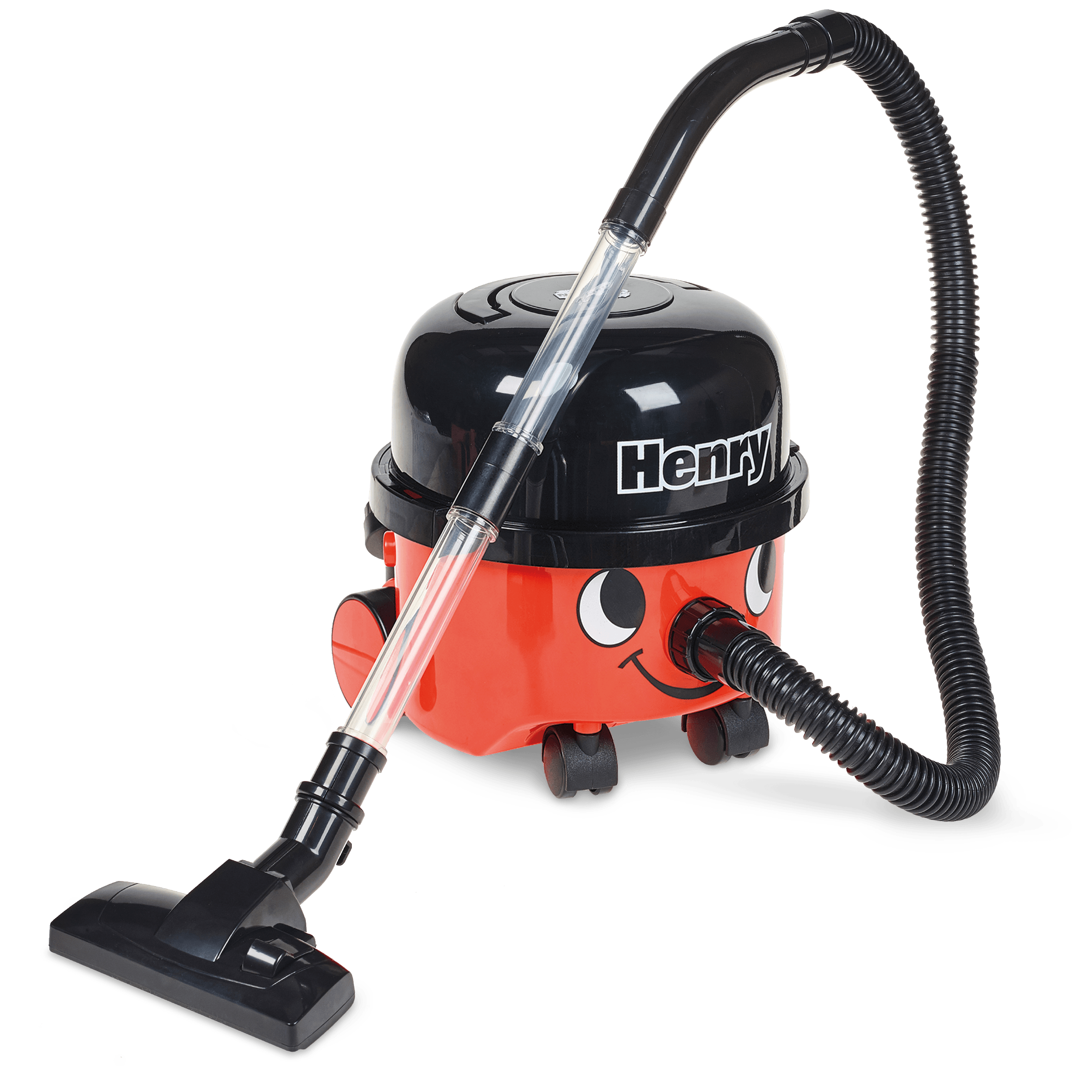
When comparing how heavy is a vacuum cleaner in real life, I pay close attention to balance rather than the number on the label. A vacuum with the motor near the hand creates more arm fatigue than one with the motor lower near the floor.
One mistake I often see is choosing a cordless model based only on its body weight. The listed number may exclude the wand, floor head, battery, and dust. The complete cleaning setup can feel several pounds heavier.
Another lesson is to check stair use before buying. An upright may glide beautifully across carpet but feel awkward on steps. A canister vacuum may be easier to use on stairs because you carry the hose and wand while the main body stays below.
My practical checklist is simple:
- Add the weight of the battery, wand, and floor head.
- Check the full dust cup weight.
- Test the handle with one hand.
- See whether the vacuum stands safely when parked.
- Confirm that the hose and cord do not pull against you.
- Read the manual for recommended lifting and maintenance practices.
The right vacuum should feel like a helpful tool, not a workout. If your shoulder or wrist hurts after a short session, the vacuum is too heavy or poorly balanced for your needs.
Vacuum weight and storage
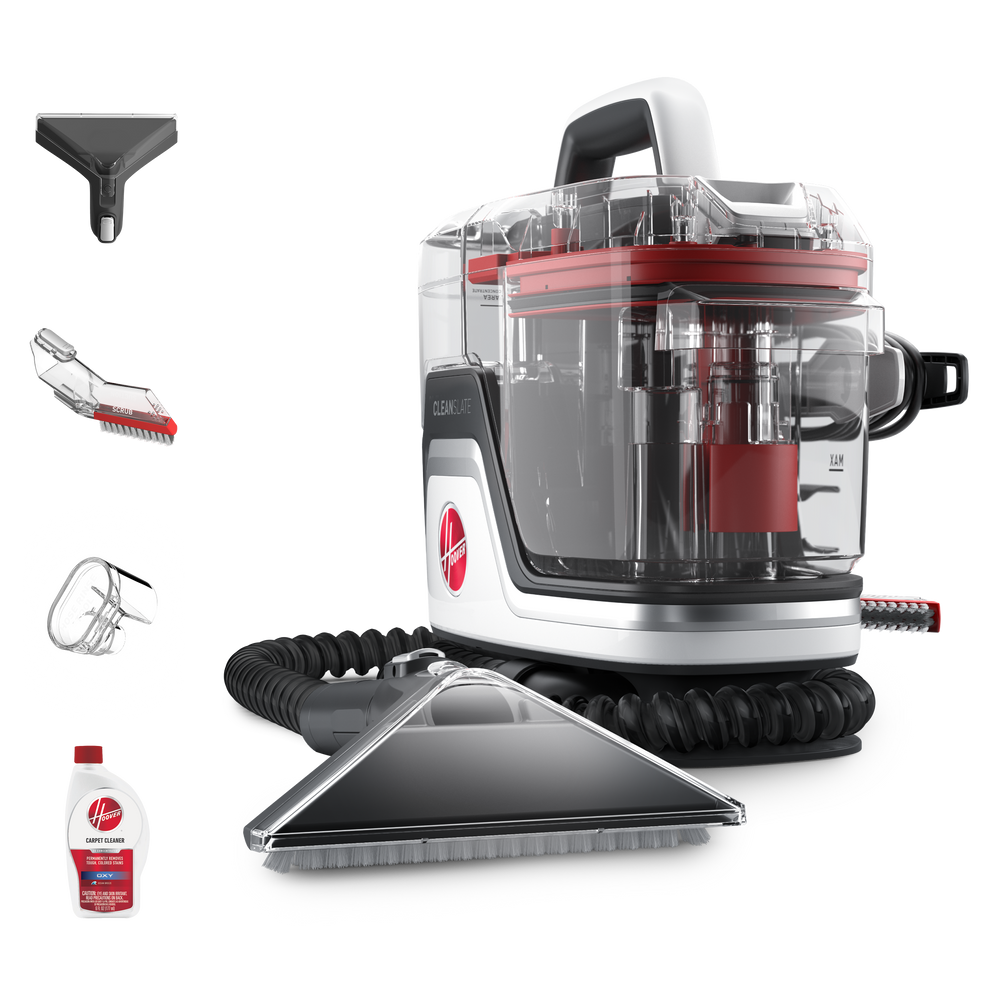
Weight also affects where you can safely store a vacuum. A heavy upright needs a stable space where it will not tip over. A cordless stick vacuum may hang on a wall mount, but the wall must support the mount and charging unit.
Keep these points in mind:
• Store heavy vacuums on the lowest practical shelf.
• Keep batteries in a cool, dry place.
• Do not block air vents near charging equipment.
• Avoid lifting a full vacuum by its hose.
• Use built-in handles when moving an upright or canister.
If storage is upstairs, measure the weight you can comfortably carry. A vacuum that is easy to use but difficult to transport may remain unused.
How manufacturers measure vacuum weight
Manufacturers do not always report weight in the same way. One company may list the vacuum body alone. Another may include the battery, wand, and cleaning head.
Look for these terms:
• Product weight: Usually the complete main unit, but details vary.
• Net weight: The product without packaging.
• Shipping weight: The product, box, accessories, and packing materials.
• Machine weight: Often the body without removable parts.
• Operating weight: The machine assembled for normal use.
Operating weight is usually the most useful figure for buyers. If the product page is unclear, check the instruction manual or contact the manufacturer.
Remember that advertised weight can vary slightly by model size, battery capacity, and regional configuration. Treat the number as a guide, not a guarantee of comfort.
Frequently asked questions about how heavy is a vacuum cleaner
How heavy is a standard upright vacuum cleaner?
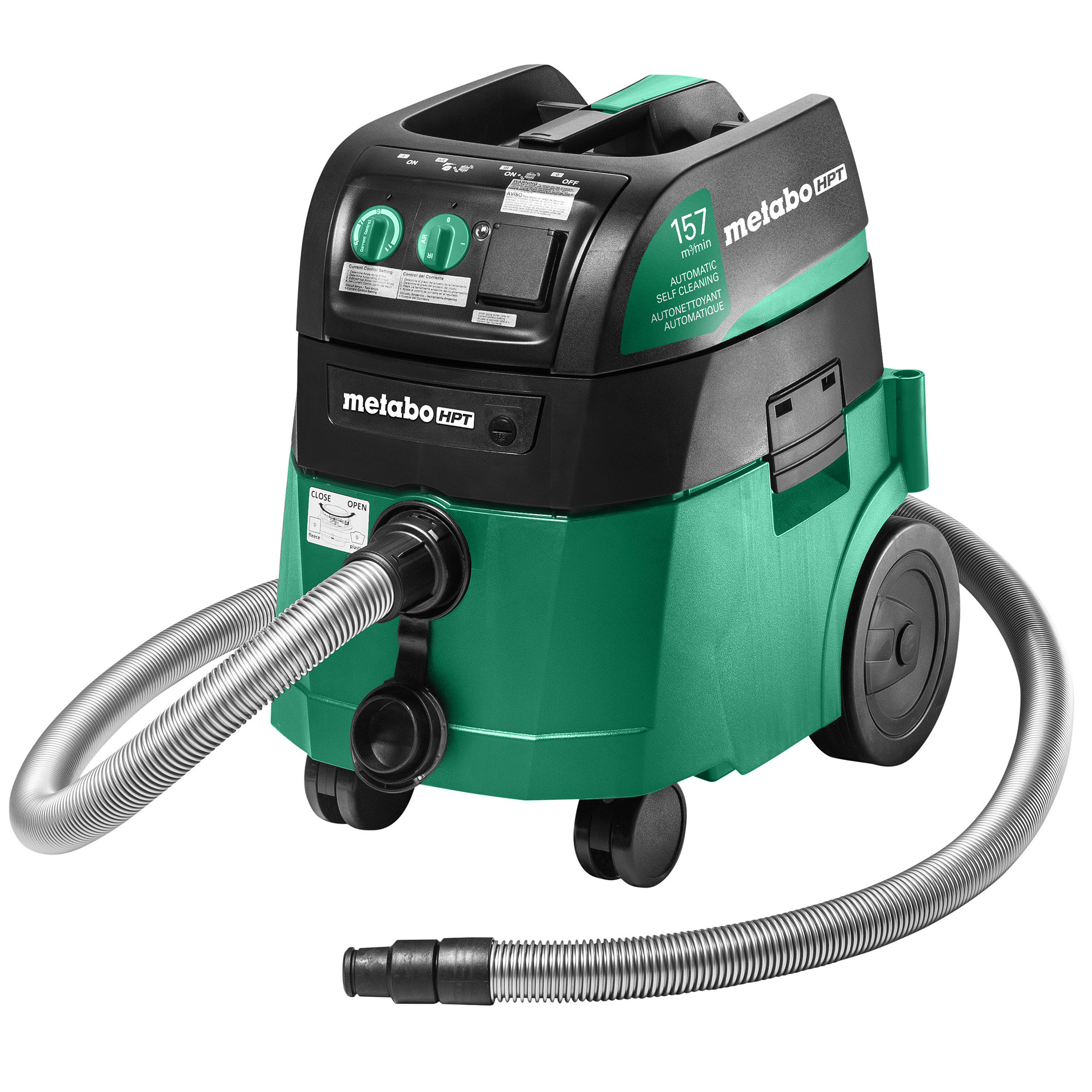
Most standard upright vacuums weigh between 12 and 22 pounds. Some professional or high-filtration models may be heavier because they use larger motors, bigger dust containers, and stronger housings.
How heavy is a cordless stick vacuum?
Most cordless stick vacuums weigh between 4 and 10 pounds when fully assembled. Check whether the listed weight includes the battery, wand, and motorized floor head.
Are canister vacuums lighter than upright vacuums?
The canister body is often lighter than a full upright, but you move two parts: the rolling canister and the hose wand. During cleaning, the wand feels light because the main motor stays on the floor.
How heavy is a vacuum cleaner for seniors?
A vacuum weighing about 5 to 10 pounds is often easier for seniors to lift, but balance and steering matter just as much. A lightweight canister or well-balanced stick vacuum may be more comfortable than a heavier upright.
Does a heavier vacuum have stronger suction?
A heavier vacuum may contain a larger motor or more equipment, but weight does not guarantee stronger suction. Airflow, nozzle design, seals, brush action, and filter condition also affect cleaning performance.
How much does a robot vacuum weigh?
Most robot vacuums weigh about 5 to 10 pounds. Models with larger batteries, advanced navigation, or self-emptying features may weigh more, especially when the charging base is included.
Should I consider the vacuum’s weight when cleaning stairs?
Yes. Stair cleaning often requires lifting or supporting the vacuum, so weight and handle design are important. A canister, handheld, or lightweight stick vacuum is often easier to manage than a bulky upright.
Conclusion
So, how heavy is a vacuum cleaner? Most home models weigh between 5 and 20 pounds, with handheld and stick vacuums at the lighter end and full-size uprights at the heavier end. The best choice depends on more than the scale. Balance, floor type, battery life, dust capacity, and stair use all affect how comfortable the vacuum feels.
Before buying, check the operating weight, not just the body weight. Test the handle and consider how far you must carry the machine. Choose a vacuum that fits your home and your strength, then keep the filters clean and the dust bin empty for easier use. Explore trusted product guides, compare complete assembled weights, and share your own vacuum experience in the comments.

Liora Pennings is a seasoned chef and kitchen enthusiast with a passion for turning everyday cooking into an effortless experience. With years of hands-on culinary expertise, she specializes in practical techniques, ingredient know-how, and smart kitchen solutions that help home cooks elevate their meals. At KitchFlair.com, Liora shares her best tips, time-saving tricks, and honest product reviews to guide readers toward a more efficient, enjoyable, and inspired cooking routine. Whether you’re a beginner or a seasoned home chef, Liora’s friendly, knowledge-packed insights make every visit to the kitchen a little easier—and a lot more delicious.