How To Make A Flat White Coffee: Easy Barista Guide
A flat white coffee combines rich espresso with silky steamed milk for a smooth, balanced drink at home.
Learning how to make a flat white coffee is less about fancy gear and more about control. You need well-pulled espresso, finely textured milk, and the right balance between coffee and foam. This guide explains each step, shares practical tips from repeated home testing, and helps you avoid the mistakes that make a flat white taste weak or overly foamy.

What Is a Flat White Coffee?
A flat white coffee is an espresso-based drink made with one or two shots of espresso and steamed milk with a thin layer of microfoam. The milk feels smooth and glossy rather than thick, bubbly, or stiff.
The drink is usually smaller than a latte. It also has less foam and a stronger coffee taste. The exact origin is debated between Australia and New Zealand, but both coffee cultures helped shape the drink people enjoy today.
A typical flat white coffee has:
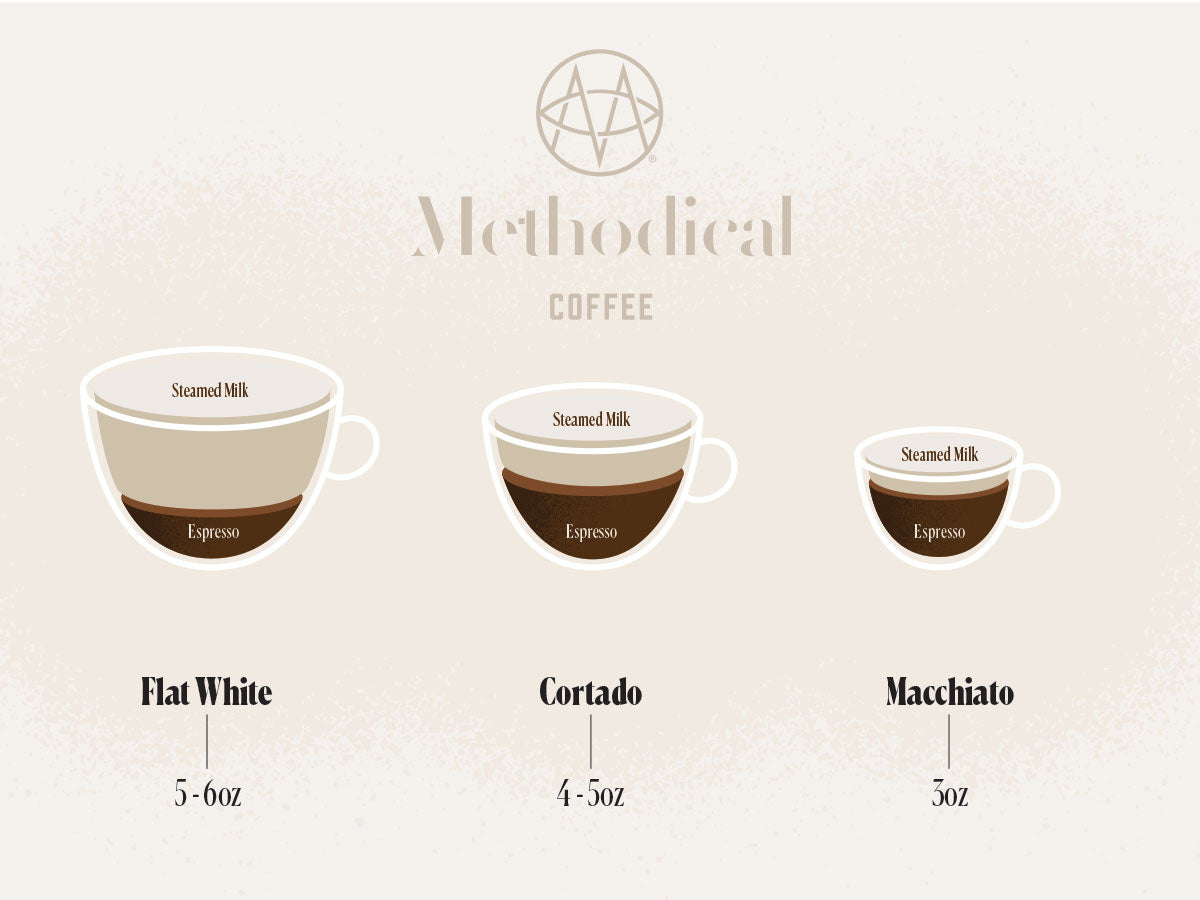
• A small serving size of about 5 to 6 ounces
• One double shot of espresso
• Steamed milk with fine microfoam
• A smooth, strong coffee flavor
• A thin foam layer instead of a large cap
Think of the texture as wet paint. It should pour easily and blend with the espresso, not sit on top like whipped cream.

Flat White Coffee Ingredients and Equipment
Good ingredients matter, but simple equipment can still produce a tasty result. Start with fresh coffee beans and milk that steams well.
Ingredients
• 18 to 20 grams of freshly ground coffee
• 5 to 6 ounces of cold milk
• Filtered water for the espresso machine
Whole milk gives the richest texture because its fat helps create a creamy mouthfeel. You can also use oat milk, especially a barista-style version made for steaming. Lower-fat milk works, but the drink may feel lighter.
Equipment
• Espresso machine
• Burr coffee grinder
• Espresso scale
• Milk pitcher
• Thermometer, if your machine does not show temperature
• Flat white cup
A burr grinder gives a more even grind than a blade grinder. This helps water move through the coffee at a steady rate. A scale also improves consistency because small changes in coffee or milk can change the final taste.
In my own testing, the scale made the biggest difference for beginners. Many home brewers use too much milk simply because they pour by eye. Measuring the coffee and milk creates a repeatable recipe.

How to Make a Flat White Coffee Step by Step
Follow these steps for a balanced flat white coffee with a smooth finish.
1. Grind and dose the coffee
Grind 18 to 20 grams of coffee for a double espresso. Use a fine grind that feels close to table salt, though the exact setting depends on your grinder and beans.
Place the ground coffee into a clean, dry portafilter. Distribute the grounds evenly, then tamp with firm and level pressure. An uneven coffee bed can cause water to flow through weak spots, which leads to a sour or thin espresso.
2. Pull the espresso
Lock the portafilter into the machine and start the shot. Aim for about 36 to 40 grams of espresso in 25 to 30 seconds.
This is a useful starting point, not an unbreakable rule. If the espresso runs too fast and tastes sour, use a finer grind. If it runs too slowly and tastes bitter, use a slightly coarser grind.
Taste the espresso before adding milk. It should have a strong aroma, some sweetness, and enough body to stay noticeable through the milk.
3. Steam the milk
Pour 5 to 6 ounces of cold milk into a pitcher. Fill it no more than one-third full because milk expands as it heats.
Purge the steam wand briefly. Place the wand tip just below the surface of the milk and add a small amount of air. You should hear a soft paper-tearing sound, not a loud screech.
Next, lower the pitcher slightly so the milk spins in a smooth whirlpool. This breaks large bubbles into tiny bubbles and creates glossy microfoam.
Heat the milk to about 140 to 150°F. If you do not have a thermometer, stop when the pitcher feels hot but remains comfortable to touch for only a few seconds. Avoid boiling the milk because excessive heat dulls its natural sweetness.
4. Tap and swirl the milk
Turn off the steam before removing the wand from the milk. Wipe and purge the wand right away.
Tap the pitcher gently on the counter to remove large bubbles. Then swirl it until the milk looks shiny and smooth. If the foam looks dry or has visible bubbles, it needs more swirling.
5. Pour the flat white coffee
Pour the milk into the espresso soon after steaming. Start from a slightly higher position to mix the milk with the coffee. Then lower the pitcher and pour more slowly to create a thin layer of microfoam.
A flat white coffee should have a unified look. The espresso and milk should blend together, with a small amount of glossy foam on top. Serve it right away while the texture is at its best.
The Best Espresso-to-Milk Ratio
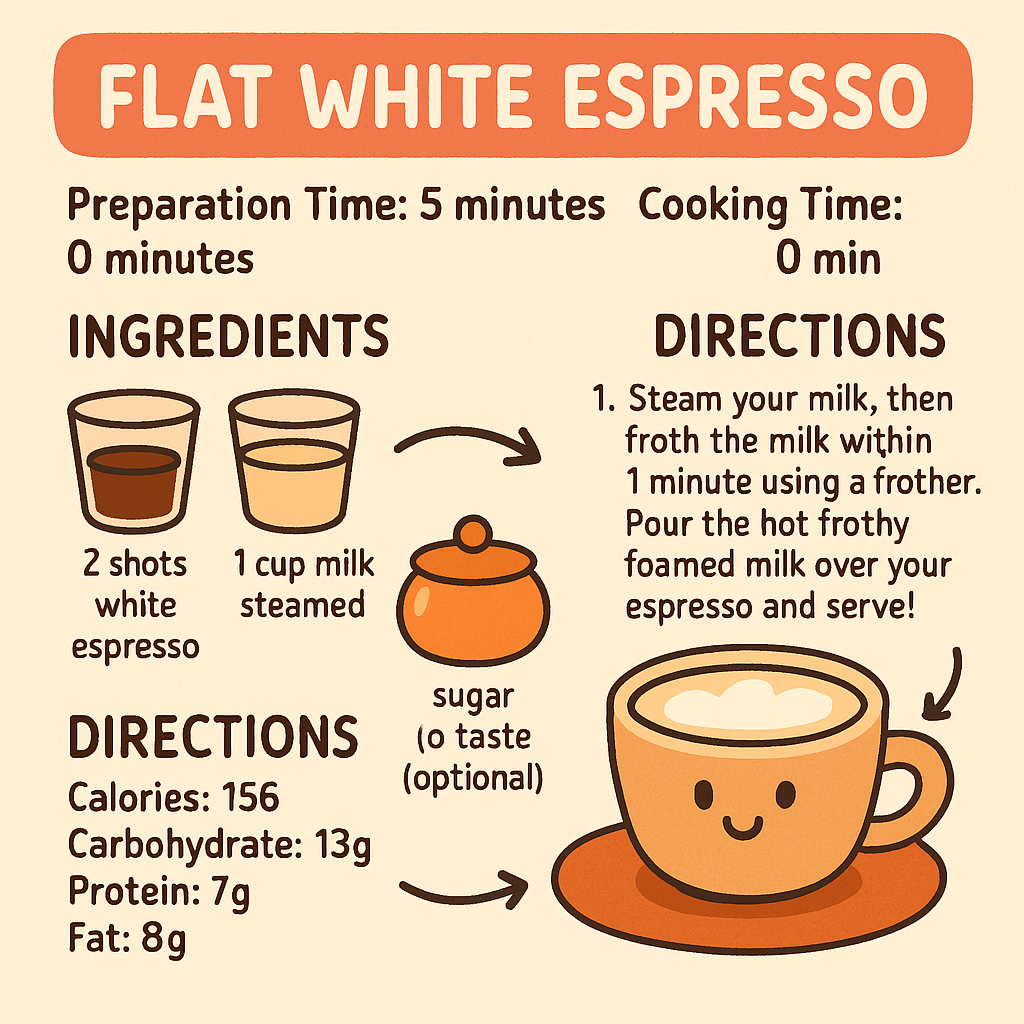
The balance is one of the most important parts of a flat white coffee. A practical starting ratio is:
• 18 to 20 grams of coffee
• 36 to 40 grams of espresso
• 4 to 5 ounces of steamed milk
• 5 to 6 ounces in the final cup
Some cafés use a single espresso shot, while others use a double shot. In the United States, a double shot is common because it gives the drink enough strength for the milk.
If your flat white coffee tastes too milky, reduce the milk slightly or use a stronger espresso. If it tastes harsh, add a little more milk or adjust the espresso extraction.
Cup size also affects taste. A large mug can make a correctly prepared drink seem weak because the milk spreads the flavor too far. Use a small ceramic cup to keep the coffee concentrated and warm.

How to Steam Milk for Silky Microfoam
Microfoam is the fine, smooth foam that gives a flat white coffee its soft texture. It contains tiny air bubbles mixed evenly through the milk.
Use this simple process:
-
Start with cold milk and a cold pitcher.
-
Place the steam wand tip just under the milk surface.
-
Add air for only a few seconds.
-
Sink the wand slightly and create a whirlpool.
-
Stop steaming near 145°F.
-
Tap and swirl the milk before pouring.
The most common beginner mistake is adding too much air. This creates stiff foam that belongs more to a cappuccino. For a flat white coffee, the milk should look shiny and pour like liquid paint.
Another mistake is holding the wand too deep at the start. This heats the milk without adding enough air, producing thin milk with little texture. Listen to the sound and watch the surface. Small, quiet movements usually create better results.

Flat White Coffee vs. Latte and Cappuccino
These drinks use similar ingredients, but their texture, size, and strength differ.
• Flat white coffee: Small, strong, and smooth, with thin microfoam.
• Latte: Larger and milkier, with a gentle espresso flavor and more steamed milk.
• Cappuccino: Smaller than a latte but much foamier, with a thick, airy top layer.
• Cortado: Equal parts espresso and warm milk, usually with little or no foam.
The names are not used in exactly the same way at every café. Serving sizes and recipes vary by country and shop. Still, texture is a reliable guide: a flat white should feel silky, not airy or fluffy.

Common Mistakes When Making a Flat White Coffee
Even a good espresso can become disappointing if the milk or proportions are wrong.
Using stale coffee
Old beans often produce flat espresso with little aroma. For the best flavor, store whole beans in an airtight container away from heat and light. Grind them just before brewing.
Overheating the milk
Milk becomes less sweet and can taste cooked when it gets too hot. Stay near 140 to 150°F for a balanced flat white coffee.
Making large bubbles
Large bubbles create dry foam and a rough mouthfeel. Keep the steam wand near the surface only long enough to add a small amount of air.
Pouring too slowly
Milk separates as it sits. If you wait too long after steaming, the liquid milk and foam divide. Swirl the pitcher and pour without delay.
Using too much milk
Too much milk hides the espresso. Begin with a smaller amount and add more only if the coffee tastes too strong.
Ignoring espresso quality
Milk cannot fully repair a sour, bitter, or poorly extracted shot. Taste the espresso on its own and adjust the grind before changing the milk.
In my early home experiments, the biggest error was chasing foam instead of texture. Once I stopped trying to create a thick top layer, the drink became much closer to the smooth café-style flat white I wanted.

How to Make a Flat White Coffee Without an Espresso Machine
You can make a simple version without a traditional espresso machine, although the flavor and texture will differ.
Using a moka pot
Brew concentrated coffee in a moka pot. Warm milk in a saucepan, then use a handheld frother to create a small amount of fine foam. Pour the milk into the strong coffee and serve in a small cup.
Using an AeroPress
Use a small, concentrated AeroPress recipe. Choose a dark or medium roast and use less water than you would for regular coffee. Heat and froth the milk separately, then combine both parts.
Using a French press
French press coffee is not true espresso, but it can make a pleasant milk coffee. Brew a strong concentrate, then add gently frothed milk.
These methods will not provide the same pressure, crema, or body as espresso. Still, they are useful for learning milk texture and drink balance.
How to Make a Flat White Coffee With Oat Milk
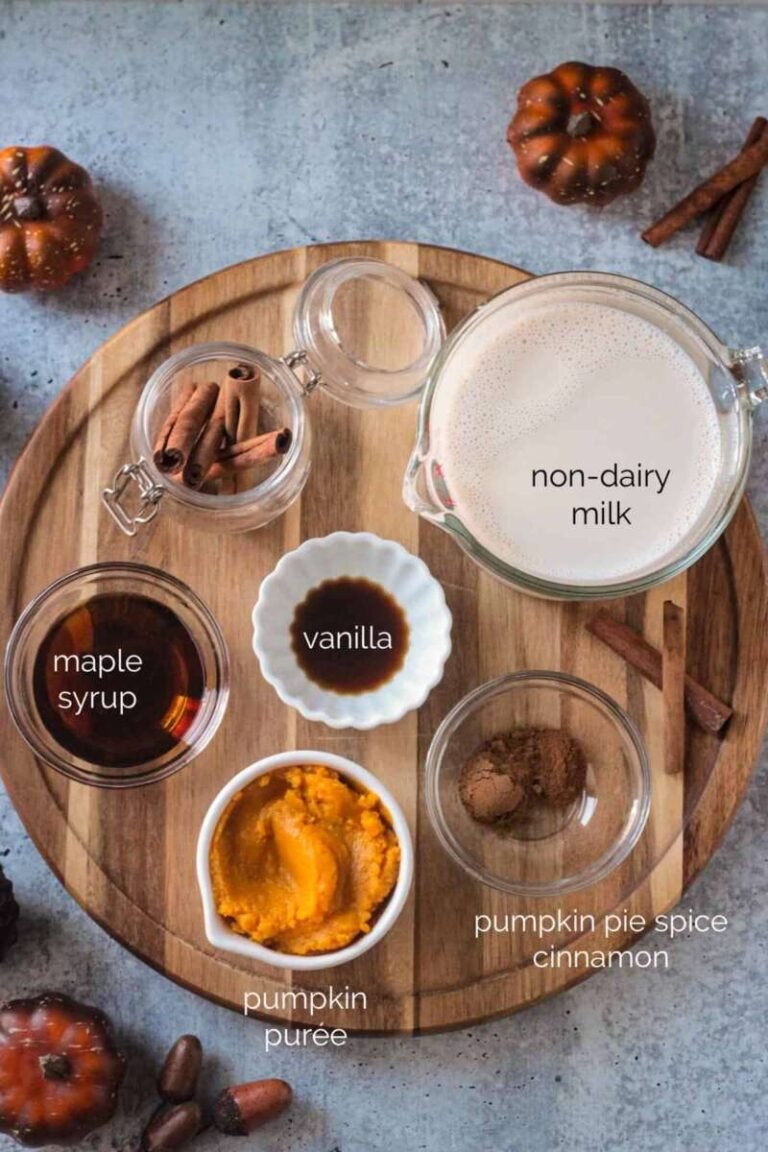
Oat milk is one of the easiest dairy-free choices for a flat white coffee. Choose a barista-style product because it is designed to steam with a smoother texture.
Use cold oat milk and steam it gently. Some oat milk brands become thick quickly, while others stay thin. Stop heating near 140 to 150°F and avoid aggressive aeration.
Soy milk can also create good foam, but it may curdle if the espresso is very acidic or hot. Almond milk usually produces a lighter texture and less stable foam. Test small amounts until you find a brand that works well with your machine.
Plant-based milk has a different sugar, fat, and protein balance than dairy milk. Because of this, the same steaming method may not work for every carton.
How to Improve the Flavor
Small changes can make your flat white coffee taste sweeter and more balanced.
• Use medium-roast beans if you prefer nutty, caramel, or chocolate notes.
• Choose a light roast for brighter fruit flavors, but expect a more demanding espresso recipe.
• Use filtered water to reduce harsh mineral flavors.
• Warm the cup before brewing to keep the drink hot.
• Adjust the grinder before changing the milk ratio.
• Clean the group head and steam wand often.
Coffee freshness matters, but cleanliness matters too. Old milk residue on a steam wand can spoil flavor and create a hygiene problem. Wipe the wand after every use and clean the machine according to the manufacturer’s instructions.
If the coffee tastes sour, the shot may be under-extracted. If it tastes sharply bitter, it may be over-extracted or overheated. Change one variable at a time so you know what improved the result.
Is a Flat White Coffee Strong?
A flat white coffee often tastes stronger than a latte because it contains less milk and a concentrated espresso base. Its caffeine level depends mainly on the number and type of espresso shots.
A double-shot flat white may contain roughly 120 to 160 milligrams of caffeine, but the amount varies by bean, dose, roast, and extraction. Darker roast does not always mean more caffeine; the dose and bean type have greater influence.
The drink can taste intense without having more caffeine than a larger latte made with the same number of shots. Flavor strength and caffeine strength are related, but they are not the same thing.
Frequently Asked Questions About How to Make a Flat White Coffee
What is the ideal milk temperature for a flat white coffee?
Aim for about 140 to 150°F. This range helps preserve the milk’s natural sweetness while creating smooth microfoam.
How much espresso goes into a flat white coffee?
A common recipe uses a double espresso made with 18 to 20 grams of ground coffee. This usually produces about 36 to 40 grams of espresso.
Does a flat white coffee have foam?
Yes, but it has a thin layer of fine microfoam rather than a thick, airy foam cap. The milk should look glossy and blend easily with the espresso.
Can I make a flat white coffee with oat milk?
Yes. Barista-style oat milk usually steams best and creates a creamy texture. Heat it gently and avoid adding too much air.
What is the difference between a flat white coffee and a latte?
A flat white coffee is smaller, stronger, and less foamy than a latte. A latte contains more steamed milk, so its espresso flavor is usually softer.
Why does my flat white coffee taste weak?
The drink may contain too much milk, a weak espresso shot, or an under-dosed coffee puck. Try reducing the milk, using a double shot, or adjusting the grind for a slower extraction.
Can I make a flat white coffee without an espresso machine?
Yes, but you need a strong coffee substitute such as moka pot coffee or concentrated AeroPress coffee. The result will not be identical to espresso, but it can still be smooth and enjoyable.
Conclusion
Making a flat white coffee at home comes down to three things: balanced espresso, silky microfoam, and a small milk-to-coffee ratio. Start with a double shot, steam cold milk to about 140 to 150°F, and pour it while the texture is still glossy.
Do not worry if your first attempt looks imperfect. Focus on one improvement at a time, such as grinding finer, adding less air, or using less milk. Practice this recipe, taste each result, and explore different beans and milk types as your skills grow. Share your favorite flat white coffee method or explore more home-brewing guides for your next cup.

Liora Pennings is a seasoned chef and kitchen enthusiast with a passion for turning everyday cooking into an effortless experience. With years of hands-on culinary expertise, she specializes in practical techniques, ingredient know-how, and smart kitchen solutions that help home cooks elevate their meals. At KitchFlair.com, Liora shares her best tips, time-saving tricks, and honest product reviews to guide readers toward a more efficient, enjoyable, and inspired cooking routine. Whether you’re a beginner or a seasoned home chef, Liora’s friendly, knowledge-packed insights make every visit to the kitchen a little easier—and a lot more delicious.