
How To Make A Dairy-Free Coffee: Easy Creamy Recipe
Make dairy-free coffee with brewed coffee and a plant-based milk or creamer, then adjust sweetness and flavor to taste.
Learning how to make a dairy-free coffee is simple, but the best results depend on choosing the right plant milk, using the right heat, and balancing the coffee’s strength. After testing several options, I’ve found that oat milk gives the smoothest café-style cup, while almond milk keeps the drink light and nutty. This guide will help you make a rich, creamy coffee at home, even if you are avoiding dairy because of an allergy, lactose intolerance, dietary choice, or personal preference.

What Is Dairy-Free Coffee?
Dairy-free coffee is coffee made without cow’s milk, cream, or other milk products from animals. It can be black, or it can include a plant-based milk such as oat, almond, soy, coconut, pea, or cashew milk.
The coffee itself is naturally dairy-free. The dairy usually comes from added ingredients, such as half-and-half, whole milk, flavored creamer, whipped cream, or milk-based syrups. Always check the label if you have a milk allergy, because some products may contain milk ingredients or a “may contain” warning.
A good dairy-free coffee should still taste balanced. It should have enough body to soften the coffee’s bitterness without hiding the coffee’s natural flavor.
Basic Dairy-Free Coffee Recipe
This simple recipe makes one cup of smooth dairy-free coffee in about five minutes.
Ingredients
• 8 to 10 ounces of hot brewed coffee
• 2 to 4 tablespoons of unsweetened oat, almond, soy, coconut, cashew, or pea milk
• Sweetener, if needed
• A small pinch of cinnamon or vanilla, optional
Instructions
-
Brew your coffee as usual. Use fresh water and freshly ground beans when possible.
-
Warm the plant-based milk in a small saucepan or microwave-safe cup. Heat it until warm, but do not let it boil.
-
Pour the warm milk into the coffee slowly. Start with 2 tablespoons, then add more until the drink reaches your preferred color and taste.
-
Stir well. Add cinnamon, vanilla extract, maple syrup, or another sweetener if desired.
-
Taste the coffee before adding more milk or sugar. Small changes can make a large difference.
The key to this dairy-free coffee recipe is temperature. Very hot coffee can cause some plant milks to separate or curdle. Warm milk blends more smoothly and creates a softer texture.

Choosing the Best Plant-Based Milk
Every plant milk changes the flavor and texture of coffee. The best choice depends on whether you want a creamy latte, a light drip coffee, or a sweet flavored drink.
Oat milk
Oat milk is one of the easiest choices for dairy-free coffee. It has a naturally mild, slightly sweet taste and a smooth texture. Barista-style oat milk often contains added oils or stabilizers that help it foam and blend well.
Choose oat milk when you want a creamy coffee that feels close to a traditional café drink.
Almond milk
Almond milk has a light body and a mild nutty flavor. It works well in iced coffee and regular brewed coffee. Unsweetened almond milk is a good option if you want to control the sugar in your drink.
Almond milk may taste thin in a latte. Use less coffee or choose a barista-style version for a fuller cup.
Soy milk
Soy milk has a rich texture and a good amount of protein. It can foam well, making it useful for cappuccinos and lattes. However, its flavor can be more noticeable than oat or almond milk.
Soy milk may separate in very acidic coffee. Add it slowly to warm, freshly brewed coffee to reduce this risk.
Coconut milk
Coconut milk adds a gentle tropical flavor and works well with cold brew, mocha, and vanilla coffee. Carton coconut milk is usually lighter than canned coconut milk.
Do not use canned coconut milk as a direct replacement for coffee creamer unless you want a very thick and rich drink. It can overpower delicate coffee flavors.
Cashew milk
Cashew milk is smooth and mild. It often has less nutty flavor than almond milk and can add body without making the coffee taste heavy.
It is a strong choice for people who want a creamy dairy-free coffee but do not enjoy the sweetness of oat milk.
Pea milk
Pea milk is often rich in protein and has a thick texture. Some brands foam well and work nicely in hot coffee. The taste varies, so try a small carton before buying a large one.
For a balanced result, choose unsweetened plant milk unless you specifically want a sweet coffee.
How to Make Hot Dairy-Free Coffee
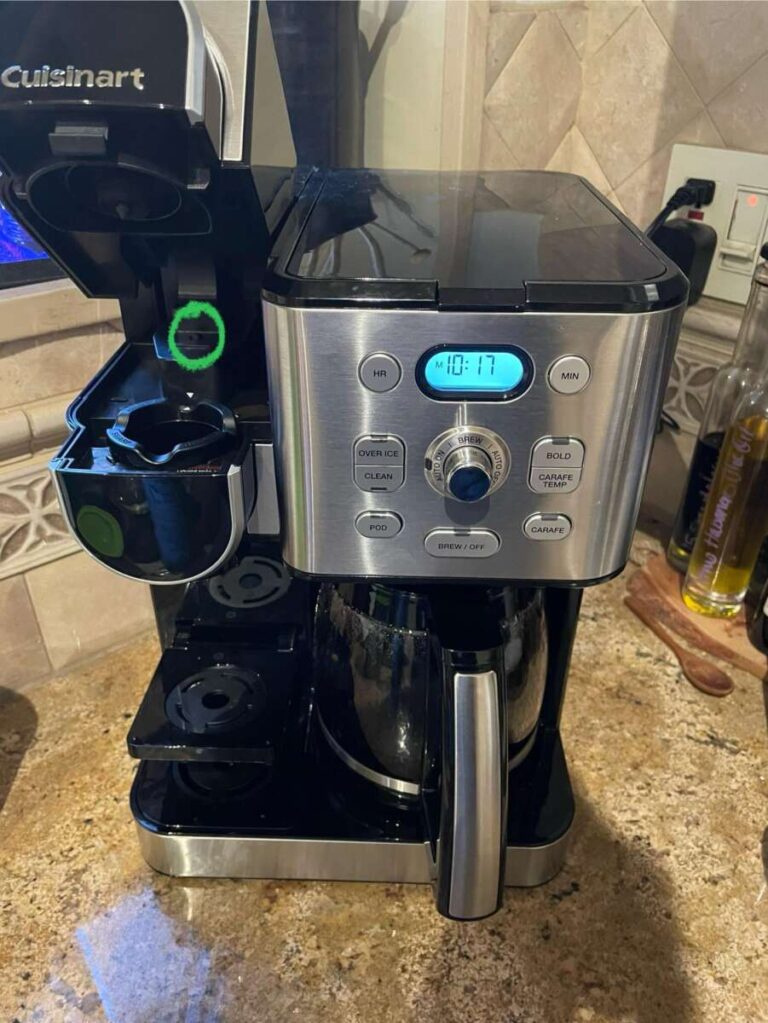
Hot coffee is the easiest place to start. You can use a drip coffee maker, French press, pour-over brewer, AeroPress, or espresso machine.
Follow these steps for a smooth cup:
-
Brew medium or medium-dark coffee. Very dark coffee can taste bitter when combined with some plant milks.
-
Warm your plant milk separately. Do not boil it.
-
Add 2 to 4 tablespoons of plant milk to an 8-ounce cup of coffee.
-
Stir gently for 10 to 15 seconds.
-
Add a small amount of sweetener only after tasting the drink.
If the coffee tastes too sharp, add a little more oat or soy milk. If it tastes flat, use less milk or brew a stronger coffee. A pinch of salt can reduce harsh bitterness, but use very little. Too much salt will make the drink taste unpleasant.
In my own testing, adding cold milk straight from the refrigerator was one of the most common mistakes. It cooled the coffee too fast and made the drink feel less creamy. Warming the milk first gave a much better result.

How to Make a Dairy-Free Latte
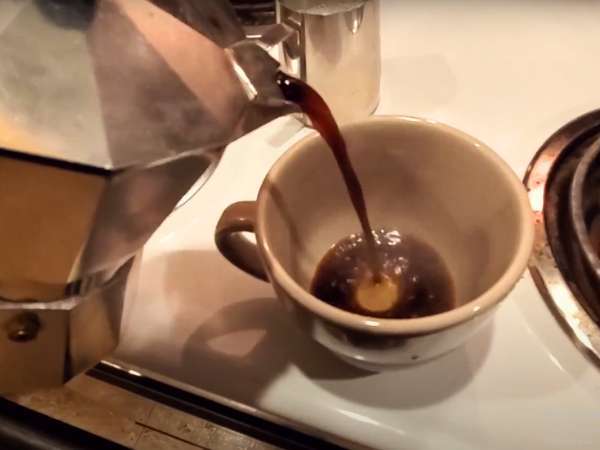
A dairy-free latte uses espresso and steamed plant milk. You do not need a professional espresso machine, but an espresso maker, moka pot, or strong coffee concentrate will give the best flavor.
Ingredients
• 1 or 2 shots of espresso
• 6 to 8 ounces of barista-style plant milk
• Sweetener or flavoring, optional
Method
-
Brew the espresso and pour it into a large cup.
-
Heat the plant milk to about 140 to 150°F. If you do not have a thermometer, stop when the milk is hot and steamy but not bubbling.
-
Froth the milk with a handheld frother, French press, whisk, or steam wand.
-
Pour the milk into the espresso slowly. Hold back the foam at first, then spoon the foam over the top.
-
Add cinnamon, cocoa powder, or vanilla if you like.
Barista-style oat, soy, and pea milks usually produce the most stable foam. Almond milk can foam too, but the bubbles may be lighter and less lasting.
A latte should taste like coffee first, with a smooth milk texture. If the milk covers the espresso completely, use less milk or add another espresso shot.
How to Make Dairy-Free Iced Coffee
Iced coffee needs a slightly stronger coffee base because ice melts and reduces the flavor. You can use chilled brewed coffee, cold brew, or espresso.
Simple iced coffee method
-
Brew 10 to 12 ounces of strong coffee.
-
Let it cool for a few minutes, then chill it in the refrigerator.
-
Fill a glass with ice.
-
Pour in the coffee.
-
Add 2 to 4 ounces of plant-based milk.
-
Stir in maple syrup, simple syrup, vanilla, or cinnamon if desired.
Cold brew makes a smooth dairy-free coffee because it is often less sharp than hot-brewed coffee. However, the final taste depends on the beans, brewing time, and concentration. Dilute cold brew with water or plant milk if it tastes too strong.
For a creamy iced drink, shake the coffee and plant milk in a sealed jar before pouring it over ice. This creates a light, blended texture without special equipment.

How to Froth Plant-Based Milk
Frothing gives coffee a soft, café-style texture. It also helps spread the milk evenly through the drink.
You can froth plant milk with:
• A handheld electric frother
• A steam wand
• A French press
• A whisk
• A sealed jar, used carefully with warm—not hot—milk
Warm the milk first, then froth it for 20 to 40 seconds. Stop when the milk looks smooth and has small bubbles. Large bubbles make the drink feel dry and airy.
Avoid overheating the milk. High heat can damage the texture and make some plant milks separate. It can also dull the coffee’s flavor.
When I tested several methods, a handheld frother gave the best balance of speed and texture for home use. A French press also worked well, but it required more effort and created thicker foam.
Improving the Flavor of Dairy-Free Coffee
Plant milk can change the taste of coffee, but a few small additions can make the drink more balanced.
Try these flavor combinations:
• Oat milk and cinnamon for a warm, lightly sweet cup
• Almond milk and vanilla for a simple breakfast coffee
• Coconut milk and cocoa for a tropical mocha
• Soy milk and maple syrup for a rich, mellow drink
• Cashew milk and cardamom for a fragrant coffee
• Pea milk and caramel syrup for a thick, dessert-style drink
Use high-quality coffee and fresh plant milk. Old coffee can taste stale, and expired plant milk can add sour or strange notes.
If your coffee tastes bitter, try a slightly lighter roast, a cooler brewing temperature, or a coarser grind. If it tastes weak, use more coffee rather than adding a large amount of plant milk.
Common Problems and Easy Fixes
The plant milk curdles
Plant milk may separate when it meets very hot or acidic coffee. Let the coffee cool for 30 to 60 seconds, warm the milk, and pour it in slowly.
Dark roasts and some light roasts can also be more acidic. Try a balanced medium roast or a barista-style plant milk.
The coffee tastes watery
Use less plant milk or choose a thicker option, such as oat, soy, cashew, or pea milk. You can also make a stronger coffee base.
The coffee tastes too sweet
Flavored creamers and sweetened plant milks can add more sugar than expected. Choose unsweetened milk and add sweetener in small amounts.
The coffee does not foam
Use barista-style plant milk and make sure it is warm, not boiling. Some low-fat or very thin plant milks produce little foam.
The coffee tastes too bitter
Brew for less time, use a coarser grind, or choose a medium roast. A small amount of oat milk can soften bitterness, but it will not fix coffee that was badly over-extracted.
Dairy-Free Coffee and Nutrition
Dairy-free coffee can be low in calories, but the total amount depends on the milk, creamer, syrup, and serving size. Unsweetened almond milk is often light, while oat and coconut products may contain more carbohydrates or fat.
Read the nutrition label if you are monitoring sugar, calories, fat, or protein. Check the ingredient list if you have a milk allergy or follow a strict vegan diet.
Some plant-based products contain added sugar, oils, gums, or emulsifiers. These ingredients are not automatically harmful, but they affect taste, texture, and nutrition. The best choice is the product that fits your health needs and tastes good to you.
People with severe food allergies should look for clear allergen labeling and avoid cross-contact when preparing coffee. “Non-dairy” does not always mean suitable for every allergy, so label checking matters.
Dairy-Free Coffee Variations to Try
Once you know the basic method, you can create many coffee drinks at home.
Dairy-free mocha
Mix 1 tablespoon of unsweetened cocoa powder with hot espresso or strong coffee. Add warm oat milk and a little maple syrup.
Dairy-free vanilla latte
Add ¼ teaspoon of vanilla extract to espresso. Pour in frothed oat, soy, or almond milk.
Dairy-free caramel coffee
Stir a small amount of dairy-free caramel syrup into hot coffee. Check the label because some caramel sauces contain milk.
Dairy-free pumpkin spice coffee
Add cinnamon, ginger, nutmeg, and a small amount of pumpkin syrup. Oat milk pairs especially well with these warm spices.
Dairy-free protein coffee
Blend chilled coffee with unsweetened soy or pea milk. These options often provide more protein than almond or rice milk.
Dairy-free decaf coffee
Use decaffeinated coffee if you want the flavor of coffee later in the day. Decaf still contains a small amount of caffeine, but it generally contains much less than regular coffee.
Frequently Asked Questions About How to Make a Dairy-Free Coffee
What is the best milk for dairy-free coffee?
Oat milk is often the best all-purpose choice because it is creamy, mildly sweet, and easy to blend. Soy milk is also a strong choice for foam and protein, while almond milk works well when you want a lighter drink.
Can I make dairy-free coffee without a special creamer?
Yes. Brewed coffee and regular unsweetened plant milk are enough. Warm the milk first and add it slowly for a smoother texture.
Why does my dairy-free coffee curdle?
Curdling can happen when acidic coffee meets very hot or cold plant milk. Let the coffee cool briefly, warm the milk, and pour it in slowly to reduce separation.
Is black coffee dairy-free?
Plain black coffee is naturally dairy-free as long as no milk, cream, butter, or milk-based flavoring is added. Check flavored coffee products and ready-to-drink beverages for hidden dairy ingredients.
Can I froth almond milk for coffee?
Yes, almond milk can be frothed with a steam wand, handheld frother, whisk, or French press. Barista-style almond milk usually creates better foam than standard almond milk.
How can I make dairy-free coffee taste creamy?
Use a thicker plant milk, such as oat, soy, cashew, or pea milk. Warming and frothing the milk can also make the coffee feel richer without adding dairy.
Is dairy-free coffee vegan?
It can be vegan if the coffee, plant milk, sweetener, and flavorings contain no animal ingredients. Always check labels on syrups, creamers, sauces, and whipped toppings.
Conclusion
Making a dairy-free coffee takes only a few simple steps: brew good coffee, choose a plant milk that suits your taste, warm it gently, and add it slowly. Oat milk is a reliable creamy option, almond milk is light and nutty, and soy or pea milk can add body and foam.
Start with the basic recipe, then try an iced coffee, latte, mocha, or spiced version. Pay attention to temperature and labels, especially if you have an allergy. Make your next cup at home, experiment with different plant milks, and share your favorite dairy-free coffee combination in the comments.

Liora Pennings is a seasoned chef and kitchen enthusiast with a passion for turning everyday cooking into an effortless experience. With years of hands-on culinary expertise, she specializes in practical techniques, ingredient know-how, and smart kitchen solutions that help home cooks elevate their meals. At KitchFlair.com, Liora shares her best tips, time-saving tricks, and honest product reviews to guide readers toward a more efficient, enjoyable, and inspired cooking routine. Whether you’re a beginner or a seasoned home chef, Liora’s friendly, knowledge-packed insights make every visit to the kitchen a little easier—and a lot more delicious.