How To Fix Uneven Coffee Extraction In Drip Machine: Tips
Fix uneven coffee extraction in a drip machine by improving grind, water flow, and even bed distribution.
I have worked with home brewers and shop machines for years, so I know exactly how to fix uneven coffee extraction in drip machine setups. This guide walks you through what causes uneven extraction, how to spot it, and step-by-step fixes you can test at home. Expect clear, practical advice, simple recipes, and real tips I learned from repairing and dialing in machines for friends and small cafes.
How drip machines extract coffee and why evenness matters
Drip machines push hot water through a bed of ground coffee. Water wets the grounds and dissolves flavor compounds. When water flows unevenly, some grounds over-extract and taste bitter while others under-extract and taste sour or weak. Fixing uneven coffee extraction in drip machine setups improves balance and makes every cup taste closer to what the beans were meant to offer.
Extraction is a balance of time, temperature, grind, and water contact. Small flaws in one part change the whole cup. Knowing this helps you make targeted fixes rather than random tweaks.
Common causes of uneven extraction
- Uneven grind size
- Old or inconsistent grinders make a mix of fine and coarse particles. Fines extract fast and can cause bitterness; coarse bits stay sour.
- Poor water distribution
- A clogged or single-stream showerhead wets part of the coffee bed more than other parts.
- Unequal bed depth
- Tucked or mounded grounds cause channels where water rushes through, leaving other areas dry.
- Incorrect dose and brew ratio
- Too much or too little coffee changes how water moves and how long it contacts grounds.
- Water temperature and pressure issues
- Too cool water under-extracts. Too hot can over-extract delicate notes.
- Old or damaged filters and machine parts
- Worn filters or warped baskets change flow patterns.
These causes often work together. Fixing only one may not solve the full problem. Focus on the simplest, highest-impact changes first.
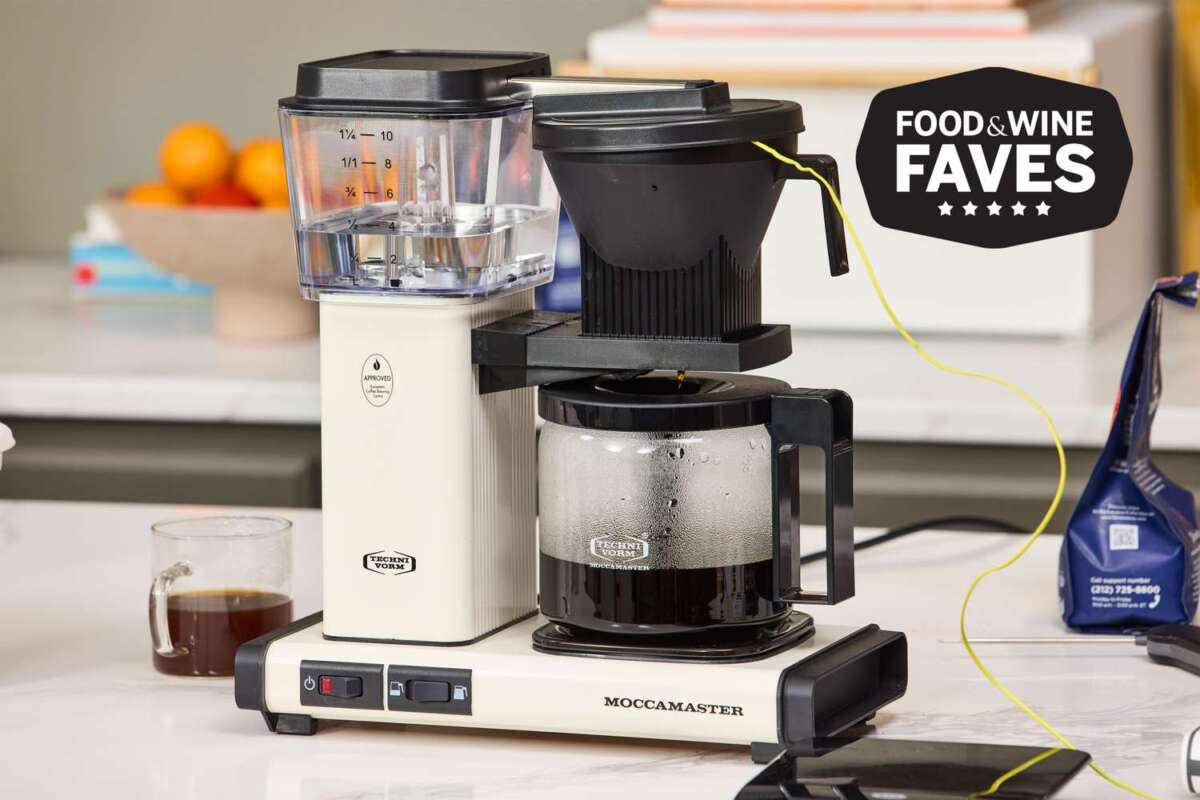
:max_bytes(150000):strip_icc()/faw-technivorm-moccamaster-kbgv-select-10c-coffee-maker-nsimpson-50-1-46e4dc9cb33544a185fab8b24919e588.jpeg)
Diagnose uneven extraction — signs and tests
Look, sniff, and taste. These quick checks show whether you have uneven extraction.
- Visual signs
- A dry or crusty patch on the coffee bed after brew means uneven wetting.
- Channeling looks like a narrow path in the grounds where water poured through fast.
- Tasting signs
- Sips that jump from sour to bitter across the cup suggest mixed extraction.
- Weak overall flavor often signals under-extraction.
- Simple tests
- Remove the filter after brewing and tap the basket. If grounds slump sharply to one side, flow was uneven.
- Brew a small batch and pause mid-cycle to inspect the bed. Look for dry spots or puddles.
If you can replicate the problem across brews, document conditions: grind, dose, beans, machine model, and water source. This helps track what fixes work.
People also ask (short)
Why does my drip coffee taste bitter in some sips and weak in others?
Taste shifts mean parts of the bed over-extracted while others under-extracted. Check grind uniformity, showerhead flow, and bed leveling.
Can old coffee cause uneven extraction?
Stale beans reduce soluble solids and make extraction inconsistent, but they rarely cause physical unevenness in the bed. Freshness helps clarity and balance.
Step-by-step fixes for uneven coffee extraction in drip machines
Follow these prioritized steps to fix uneven coffee extraction in drip machine systems. Test one change at a time so you can see its effect.
- Check and clean the showerhead
- Remove and clean tiny holes. Mineral buildup blocks flow and creates uneven streams.
- Inspect and replace filters if needed
- Use fresh, intact paper or basket filters. Folded or torn filters change flow patterns.
- Upgrade or clean your grinder
- If you use pre-ground coffee, switch to a fresh grind. If your grinder is inconsistent, clean or replace burrs.
- Adjust grind size
- Finer grind increases extraction time. Coarser grind shortens it. Move a step finer if under-extracted, a step coarser if over-extracted.
- Level the bed
- After dosing, gently shake or tap the basket to level grounds. Avoid pressing or packing unless using specified tamping for certain flat-bed devices.
- Dose consistently
- Weigh coffee and water. Consistent dose yields consistent flow and extraction.
- Check water temperature
- Aim for 195–205°F (90–96°C). Too cool under-extracts; too hot over-extracts.
- Run blank water cycles
- Flush machine to stabilize temperature and clear old grounds. This also relevels water flow.
- Test different filters and baskets
- Metal vs paper filters change flow and fines retention. Try options to see which yields even extraction.
Make one change and taste. Note the difference. This methodical approach helps you fix uneven coffee extraction in drip machine setups without guesswork.

Grind, dose, and handling tips
- Use a burr grinder for uniform particle size. Conical or flat burrs give better consistency than blades.
- Weigh your dose. Use a simple scale to hit the same ratio every brew.
- Standard start ratio: 1 gram coffee to 16–18 grams water. Adjust for strength, not evenness.
- Avoid packing grounds. For drip machines, keep the bed loose and level.
- Store beans in a cool, dark place. Fresh beans make extraction more predictable.
I learned this the hard way. Early on, I blamed machines for bad cups. Replacing a cheap blade grinder with a burr unit improved consistency overnight. Small gear upgrades often fix uneven coffee extraction in drip machine setups better than endless recipe changes.
Water flow, temperature, and showerhead fixes
- Clean the showerhead and internal spray lines regularly.
- Replace damaged shower plates or gaskets that cause uneven spray.
- Use filtered water to avoid scale build-up that clogs tiny holes.
- Preheat the machine by running a hot water cycle before brewing.
- If your machine has adjustable flow, test small changes to spread water more evenly.
When I fixed a café machine, mineral scale had reduced four of six spray holes to a trickle. Cleaning restored even spray and fixed persistent sour pockets in the cup. That one repair taught me how often simple maintenance resolves uneven coffee extraction in drip machine situations.
Bed preparation, distribution, and filter technique
- Pour and level: After dosing, gently shake side to side to settle grounds evenly.
- Pre-wet filter: Rinse paper filters with hot water to remove paper taste and help even flow.
- Avoid mound or crater shapes: Aim for a flat, even bed that allows uniform flow.
- Use distribution tools: Small spoons or paddle tools help spread grounds evenly in large baskets.
These small rituals take seconds but yield steady results. Level beds mean water meets similar resistance across the puck, and that fixes a major cause of uneven coffee extraction in drip machine systems.

Maintenance and machine calibration
- Descale per manufacturer schedule. Scale narrows flow paths and alters temperature.
- Replace worn gaskets and seals that can divert water flow.
- Check pump pressure if accessible. Low or erratic pressure changes contact time.
- Keep the brew basket and spray assembly clean of oils and old grounds.
Routine upkeep prevents many extraction issues. I keep a simple calendar and a small descaling kit. It saves time and improves many cups.
Real recipes and troubleshooting examples
Example 1: Balanced home brew
- Dose: 20 g coffee
- Water: 340 g (1:17)
- Grind: medium, slightly coarser than drip cone
- Temp: run hot cycle first, then brew
- Result: If bitter, go coarser by one notch; if sour, one step finer.
Example 2: Fixing channeling mid-cycle
- Stop machine, tap basket, level bed, and restart.
- If channeling returns, clean showerhead and check grind uniformity.
Keep notes in a brew log. Small changes help you see patterns and solve issues faster. These practical examples show how to fix uneven coffee extraction in drip machine setups without overcomplicating the process.
Common mistakes to avoid
- Blaming beans alone. Beans matter, but setup and flow often cause unevenness.
- Changing multiple variables at once. You need to know what helped.
- Overfining grind to fix sourness. That can cause clogging and bitterness.
- Skipping regular cleaning. Neglect leads to persistent, hard-to-diagnose problems.
- Using inconsistent dosing. A scale is your best friend for repeatable results.
Avoid these and you will fix most cases of uneven coffee extraction in drip machine systems quickly.
Frequently Asked Questions of how to fix uneven coffee extraction in drip machine
What is uneven extraction and how can I tell?
Uneven extraction happens when some grounds over-extract and others under-extract. Look for mixed sour and bitter notes, dry patches in the bed, or narrow channels where water rushed through.
How much does grind size affect extraction?
Grind size has a major impact. Finer grinds increase extraction speed and yield, while coarser grinds shorten contact time. Small changes often fix big taste swings.
Will cleaning the showerhead really help?
Yes. A clogged showerhead creates uneven spray patterns and leads to channeling. Regular cleaning often restores even extraction.
Can filter type change extraction evenness?
Yes. Paper filters trap more fines and slow flow slightly. Metal filters allow more oils and fines through. Try both to see which yields a more even cup in your machine.
Is water temperature a common cause of uneven extraction?
Water temperature affects extraction rate and solubility. Too cool leads to under-extraction and sourness. Too hot can emphasize bitterness. Aim for 195–205°F for most beans.
Conclusion
Fixing uneven coffee extraction in drip machine setups is mostly about control. Focus on grind consistency, even water distribution, level beds, and clean equipment. Small, methodical tweaks and a brew log will quickly show what works for your machine and beans. Try one change at a time, keep notes, and taste with intention. If this guide helped, try the sample recipes and share your results or questions in the comments.

Liora Pennings is a seasoned chef and kitchen enthusiast with a passion for turning everyday cooking into an effortless experience. With years of hands-on culinary expertise, she specializes in practical techniques, ingredient know-how, and smart kitchen solutions that help home cooks elevate their meals. At KitchFlair.com, Liora shares her best tips, time-saving tricks, and honest product reviews to guide readers toward a more efficient, enjoyable, and inspired cooking routine. Whether you’re a beginner or a seasoned home chef, Liora’s friendly, knowledge-packed insights make every visit to the kitchen a little easier—and a lot more delicious.