How To Prevent Coffee Grounds From Overflowing Filter: Tips
Use the right grind size, filter type, and slow, steady pour to stop overflows.
I’ve spent years brewing coffee for friends and in small cafés, and I know how frustrating it is when coffee grounds overflow a filter. This guide explains how to prevent coffee grounds from overflowing filter with clear steps, practical tips, and simple fixes you can use at home. You’ll learn why overflow happens, how grind, dose, and water flow matter, and quick routines to keep your brew tidy and tasty. Read on for tested advice and easy experiments you can try today.
Why coffee grounds overflow: simple causes and what to know
Coffee grounds overflow when water can’t pass through the bed fast enough. Fine particles, compacted grounds, clogged filters, or a too-rapid pour all make water back up. Brewing method and equipment shape the flow. Understanding these causes helps you fix the problem fast and reliably.
How to prevent coffee grounds from overflowing filter starts with identifying the weak link—grind, dose, filter, or pour. I’ll walk you through each factor and show practical changes that work.

Quick checklist: first fixes to try
Use this checklist when you see an overflow starting. Each step is fast and effective.
- Check grind size and make it coarser if too fine.
- Reduce dose by 10 to 20 percent to open the bed.
- Pour more slowly or pause to let water drain.
- Tap the filter gently to settle grounds and release bubbles.
- Swap to a paper filter or one with larger holes if your metal filter clogs.
These actions are core to how to prevent coffee grounds from overflowing filter and often solve the issue in under a minute.

Grind size and dose: the most common culprits
Grind size controls how water flows. Finer grind packs closer and blocks water. Coarser grind leaves space for channels. If you grind too fine for your method, you get overflow.
Dose matters too. Too much coffee creates a dense bed and slows drainage. I often drop 5–10 grams from a stubborn batch and see immediate improvement. For how to prevent coffee grounds from overflowing filter, start by testing one change at a time: adjust grind, then dose. Keep notes of results.

Filter type and condition: match filter to method
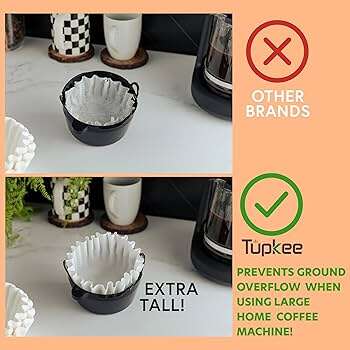
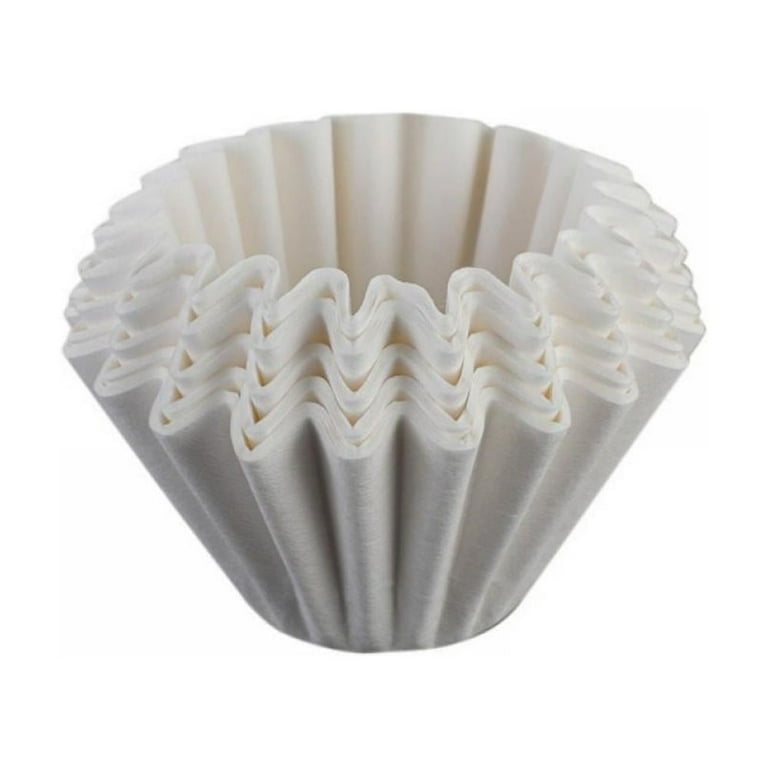
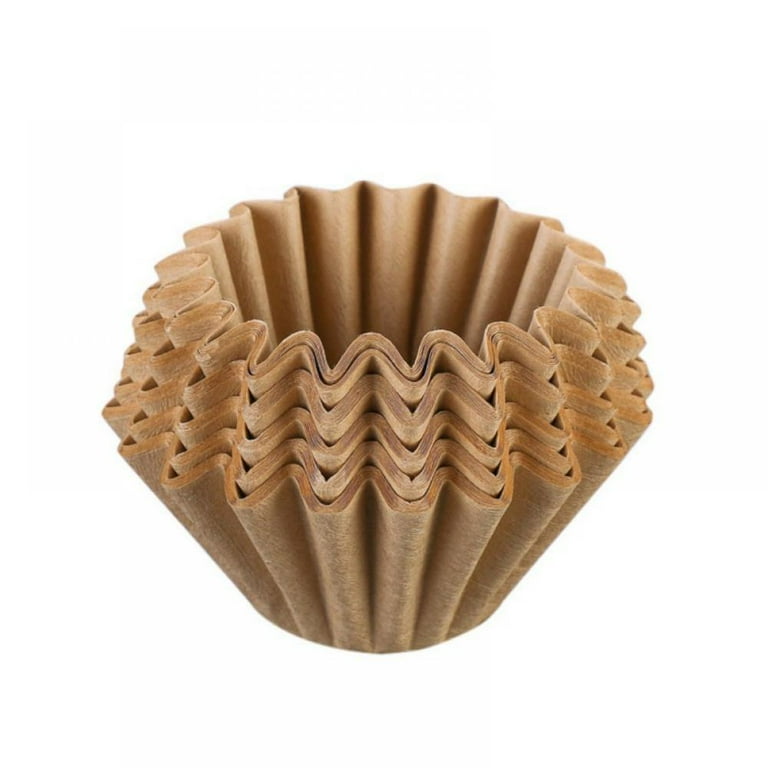
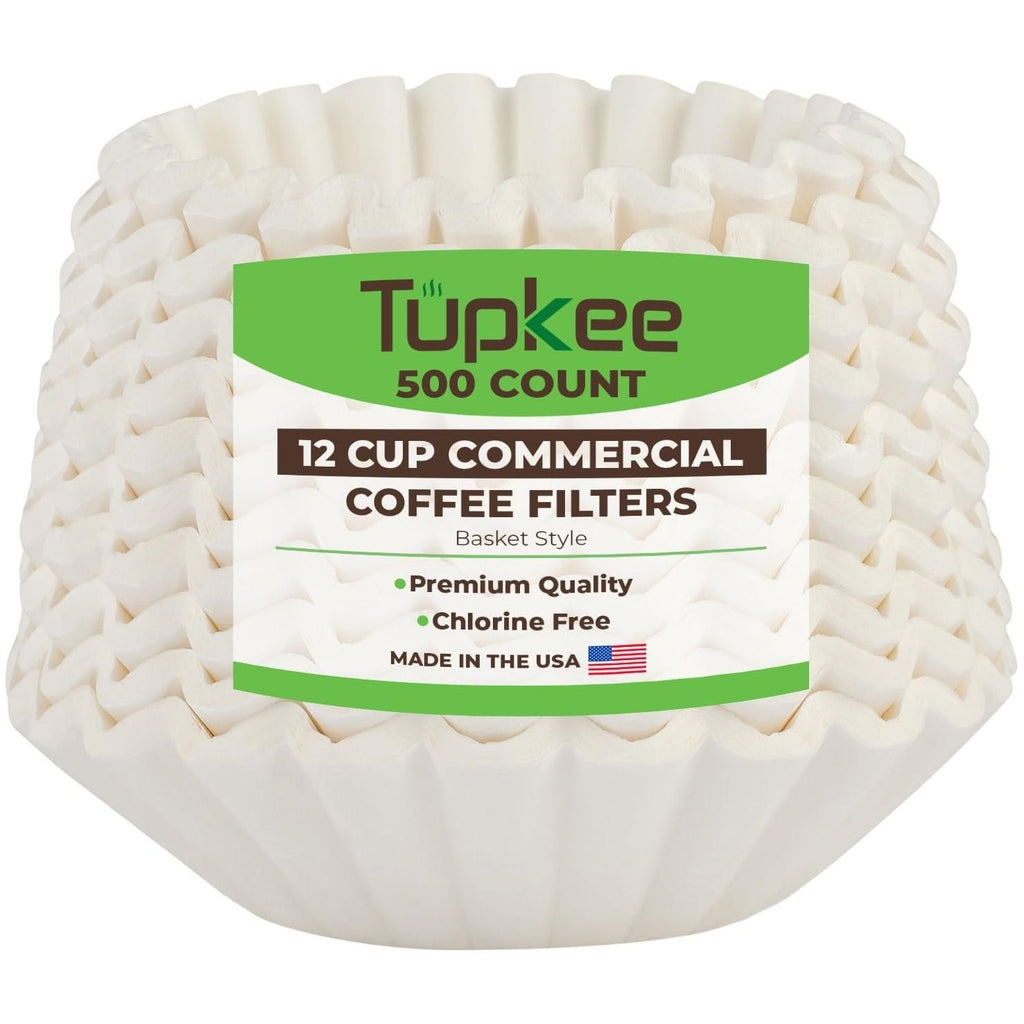
Paper, cloth, and metal filters behave differently. Paper filters trap fines and let water flow smoothly. Metal filters allow more particles and can clog faster. Old or reused paper filters can seal and slow flow. Newer paper and properly rinsed cloth work best for consistent drainage.
If you use a reusable metal filter, clean it often. Trapped oils and fines reduce pore size. Switching to a clean paper filter is a quick test to see if filter type is the issue. This step is central to how to prevent coffee grounds from overflowing filter when you suspect the filter itself is at fault.
Pour technique and water flow: timing and motion matter
How you pour changes pressure and channeling. Fast, heavy pours push water into the bed and compact grounds. Slow, concentric pours wet the grounds evenly and let water drain. Try pulse pouring: pour for 10–20 seconds, pause, then continue.
Use these pour tips to prevent overflow:
- Pour over the center, then spiral outward.
- Pause when you see water rising near the rim.
- Keep total water flow steady and measured.
These small moves reveal how to prevent coffee grounds from overflowing filter without changing your grinder or equipment.

Brewing method tweaks: pour-overs, French press, espresso, and drip
Different brewers need different fixes.
Pour-over
- Use coarser grind than espresso.
- Pre-wet filter to reduce surface tension.
- Pour slowly in pulses.
French press
- Stir gently after pouring to break crust.
- Avoid overfilling with coffee or water.
Drip machines
- Clean spray head and check water distribution.
- Use the recommended dose and grind for your machine.
Espresso
- Too fine a grind and high tamp pressure cause backflow and blowouts. Adjust grind and tamp lightly to test. These method-specific tips help you master how to prevent coffee grounds from overflowing filter across devices.
Maintenance and gear care: keep things flowing
Regular cleaning prevents many flow problems. Oils and old fines clog filters and baskets over time. Clean grinders, filter holders, and screen plates weekly.
My routine:
- Backflush espresso machines weekly.
- Rinse paper filters before brewing.
- Brush grinder burrs monthly and deep clean quarterly.
This maintenance habit is a strong defensive move in how to prevent coffee grounds from overflowing filter and improves flavor too.

Troubleshooting: step-by-step when overflow happens
Follow this quick flow to diagnose and fix an overflow.
- Pause pouring and let water drain a minute.
- Gently tap the filter to release trapped air.
- If still blocked, swap to a paper filter or coarser grind.
- Reduce dose next brew and note the change.
These steps come from real-world cafe experience and help you recover without wasting coffee. Learning this routine is key to mastering how to prevent coffee grounds from overflowing filter.

Personal experience and lessons learned
I once ran a slow weekend shift where every pour-over overflowed. I tried new coffee, different filters, and faster pours. The problem was an overzealous grinder setting. After coarsening the grind and cleaning the filter basket, overflow stopped. Lesson learned: test one variable at a time and keep a brewing log. That log became the fastest route to learn how to prevent coffee grounds from overflowing filter in my shop.
PAA-style quick questions
Q: Why do grounds rise above the filter?
A: Fine particles and trapped air slow drainage. Adjust grind and tap the filter to release air.
Q: Will rinsing the paper filter help?
A: Yes. Rinsing removes fibers and warms the brewer, which improves flow and reduces overflow.
Q: Can I fix overflow by tamping differently?
A: For espresso, yes—lighter tamping and slightly coarser grind reduce back pressure. For pour-overs, tamping is not used.
Frequently Asked Questions of how to prevent coffee grounds from overflowing filter
What grind size prevents overflow in pour-over brewing?
Use a medium to medium-coarse grind for most pour-over devices. If water pools or overflows, make the grind slightly coarser and try again.
How much should I reduce the dose to stop overflow?
Start by reducing the dose 10 percent and observe. Small reductions often restore drainage without changing taste significantly.
Does rinsing a paper filter really help?
Yes, rinsing removes loose fibers and pre-wets the bed, which improves flow and reduces the chance of overflow.
Can old coffee grounds cause filter overflow?
Old grounds can clump and block flow, especially in reusable filters. Clean leftover grounds promptly and deep-clean reusable filters regularly.
What if my drip machine overflows often?
Check the spray head and shower plate for blockages. Clean the machine, use the right grind size, and follow manufacturer dose guidelines.
Conclusion
You can stop messy overflows by adjusting grind, dose, and pour technique, and by keeping filters and equipment clean. Test one change at a time, keep a simple log, and use the quick fixes here when a brew starts to back up. Try the suggestions today and see which small adjustments make the biggest difference for you. If this guide helped, leave a comment with your brewing setup or subscribe for more tips and recipes.

Liora Pennings is a seasoned chef and kitchen enthusiast with a passion for turning everyday cooking into an effortless experience. With years of hands-on culinary expertise, she specializes in practical techniques, ingredient know-how, and smart kitchen solutions that help home cooks elevate their meals. At KitchFlair.com, Liora shares her best tips, time-saving tricks, and honest product reviews to guide readers toward a more efficient, enjoyable, and inspired cooking routine. Whether you’re a beginner or a seasoned home chef, Liora’s friendly, knowledge-packed insights make every visit to the kitchen a little easier—and a lot more delicious.