Can You Make Tea In A Coffee Maker: Easy Brewing Guide
Yes, you can make tea in a coffee maker, but the best method depends on the tea type and your machine.
If you are wondering, “can you make tea in a coffee maker?” the answer is yes, with a few important limits. A drip coffee maker can heat water and spread it over loose tea or tea bags, but coffee residue, water temperature, and steeping time can affect the taste. This guide explains the safest methods, the mistakes to avoid, and when a kettle is still the better choice.
Can You Make Tea in a Coffee Maker?
Yes, you can make tea in a coffee maker. A drip machine heats water in much the same way it does for coffee, then sends the hot water through a filter and into a carafe.
The process is simple, but tea is more delicate than coffee. Green tea can taste bitter if the water is too hot. Black tea needs hotter water and more steeping time. Herbal tea often needs near-boiling water to release its flavor.
The main challenge is that most coffee makers do not let you control:
• Water temperature
• Steeping time
• Water flow
• Tea strength
A coffee maker can still produce a pleasant cup. You just need to choose the right tea and use clean equipment.

How to Make Tea in a Drip Coffee Maker
Making tea in a coffee maker takes only a few steps. The method works best with a standard drip machine that uses a paper filter.
What you need
• A clean drip coffee maker
• Fresh, cold water
• Tea bags or loose-leaf tea
• A paper coffee filter
• A clean carafe
• A mug or heat-safe container
Step-by-step method
-
Clean the coffee maker first.
Remove old coffee grounds and rinse the filter basket. If the machine smells strongly of coffee, run a cycle with clean water before making tea. -
Add fresh water.
Use the coffee maker’s water reservoir. Filtered water often gives tea a cleaner taste, especially if your tap water has a strong mineral flavor. -
Place the tea in the filter basket.
For tea bags, place two to four bags in the basket. For loose tea, use a paper coffee filter or a reusable tea filter. -
Use the correct amount of tea.
Start with one tea bag for every 8 ounces of water. For loose tea, use about 1 teaspoon per 8 ounces. -
Run the machine.
Let the coffee maker complete its cycle. Do not add coffee grounds to the machine. -
Steep the tea after brewing.
Leave the tea bags or loose tea in the carafe for several minutes. This gives the tea time to develop flavor. -
Remove the tea when it tastes ready.
Leaving tea in hot water too long can create a harsh or bitter taste.
For a stronger batch, increase the amount of tea instead of leaving the tea bags in the water for a much longer time. More steeping time can bring out tannins, which create a dry feeling in the mouth.
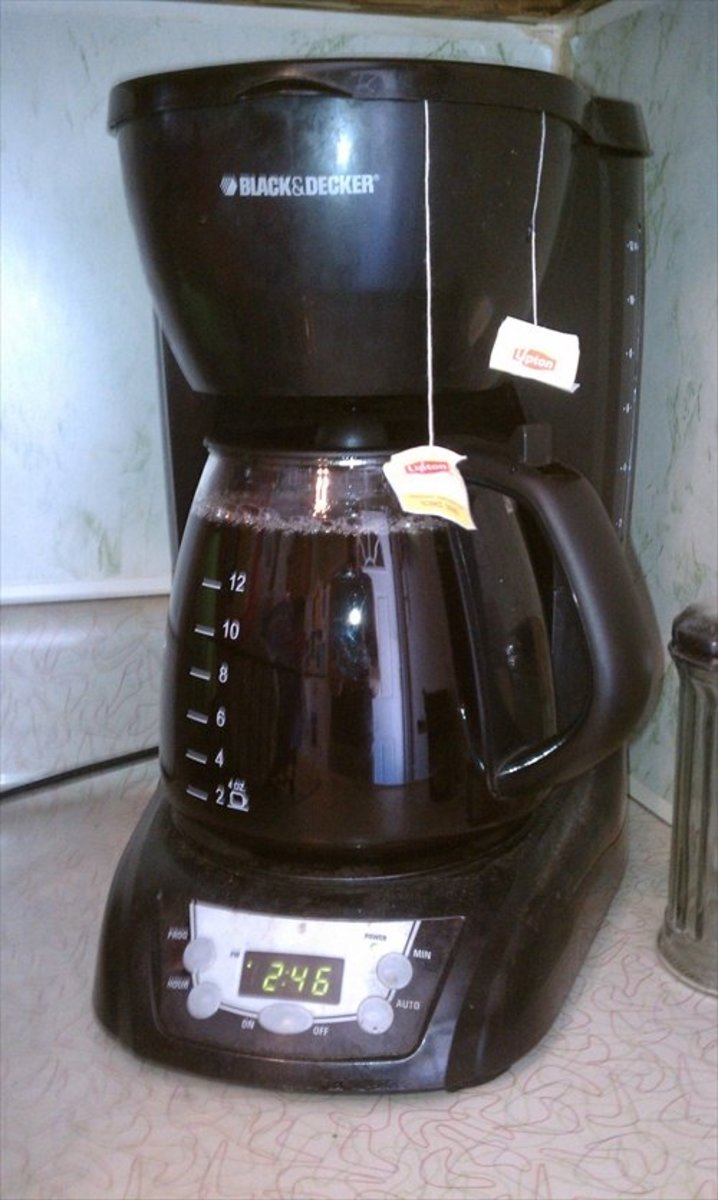
The Best Tea Types for a Coffee Maker
Not every tea reacts the same way to a coffee maker. The best options are teas that can handle high heat and a longer brew cycle.
Black tea
Black tea is usually the easiest tea to make in a coffee maker. It has a bold flavor and can handle hot water better than many delicate teas.
Try English breakfast, Irish breakfast, Assam, or Earl Grey. Use one tea bag per 8 ounces of water and steep for about three to five minutes after brewing.
Herbal tea
Herbal tea also works well in a coffee maker. Chamomile, peppermint, rooibos, and hibiscus can produce a flavorful batch.
Many herbal teas need water close to boiling. Since coffee makers often heat water to a lower temperature than a kettle, allow the tea to steep for five to seven minutes.
Green tea
Green tea is more difficult. Many drip coffee makers heat water between roughly 195°F and 205°F, while many green teas taste best at about 160°F to 180°F.
If the water is too hot, green tea may taste sharp or bitter. You can reduce this problem by mixing the hot tea with a little cool water or letting it sit for several minutes before drinking.
White tea
White tea has a soft flavor and delicate leaves. A coffee maker may overpower it with excess heat.
For the best result, use a lower-temperature setting if your machine has one. Otherwise, a kettle with temperature control is a better choice.
Chai tea
Chai tea bags can work well in a coffee maker. However, traditional chai often needs milk, spices, and simmering time.
You can brew a strong tea base in the machine, then add warm milk, cinnamon, ginger, or honey in a saucepan. Do not put milk in the coffee maker reservoir.

What Temperature Does Tea Need?
Water temperature is one of the most important parts of tea brewing. Different teas need different levels of heat.
• Green tea: About 160°F to 180°F
• White tea: About 160°F to 185°F
• Oolong tea: About 180°F to 200°F
• Black tea: About 195°F to 212°F
• Herbal tea: About 200°F to 212°F
Most drip coffee makers heat water to a range that works well for black tea and many herbal teas. The exact temperature varies by model, age, and design.
Coffee makers are also built to brew coffee, not steep tea. Water may pass over the tea too quickly. This is why steeping the tea in the carafe after the brew cycle often improves the flavor.
If you make tea often, a variable-temperature kettle gives you more control. It lets you select a lower temperature for green tea and a higher temperature for black or herbal tea.

How Much Tea Should You Use?
The amount of tea depends on the water volume and the strength you prefer. A simple starting point is one tea bag per 8 ounces of water.
For a full 12-cup coffee maker, remember that a “cup” on the machine is often only 5 or 6 ounces. A 12-cup reservoir may hold about 60 to 72 ounces of water.
For a full carafe, use:
• 8 to 10 tea bags for a mild batch
• 10 to 12 tea bags for a stronger batch
• 8 to 10 teaspoons of loose tea
These amounts are starting points. Some tea bags are stronger than others, and loose-leaf tea can vary in size and density.
If the tea tastes weak, add more tea next time. If it tastes bitter, shorten the steeping time or use a cooler brewing method.
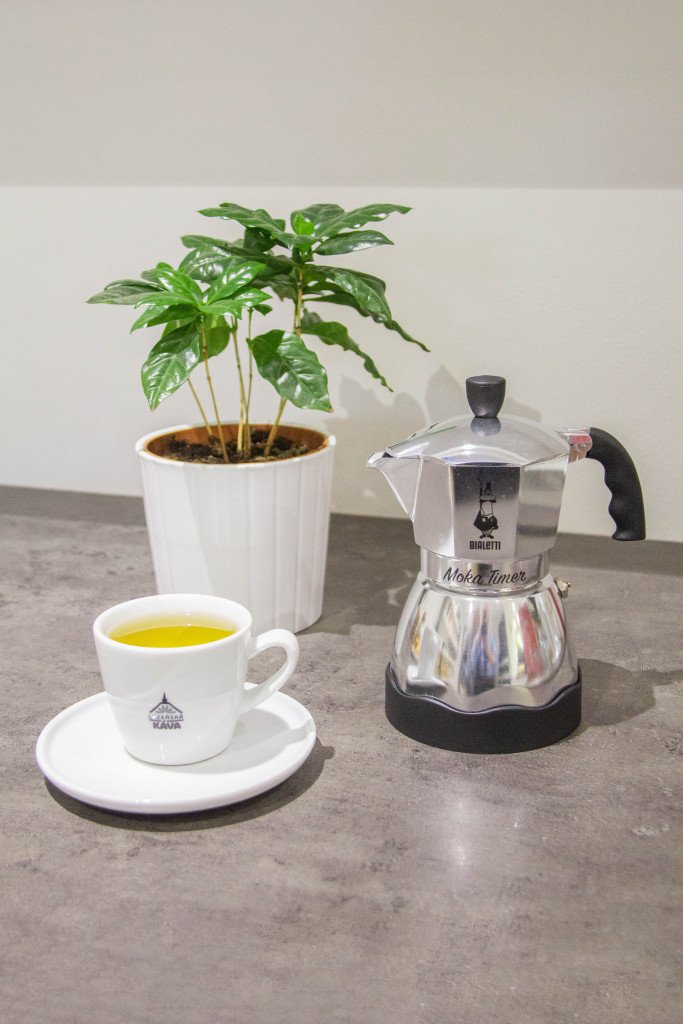
Can You Put Tea Bags in a Coffee Maker?
You can put tea bags in the filter basket of a coffee maker. This is one of the easiest ways to brew a large batch of tea.
However, avoid placing tea bags directly over the water outlet. The bags may block the flow or tear during the brewing cycle. The filter basket is safer because it spreads the tea across the hot water.
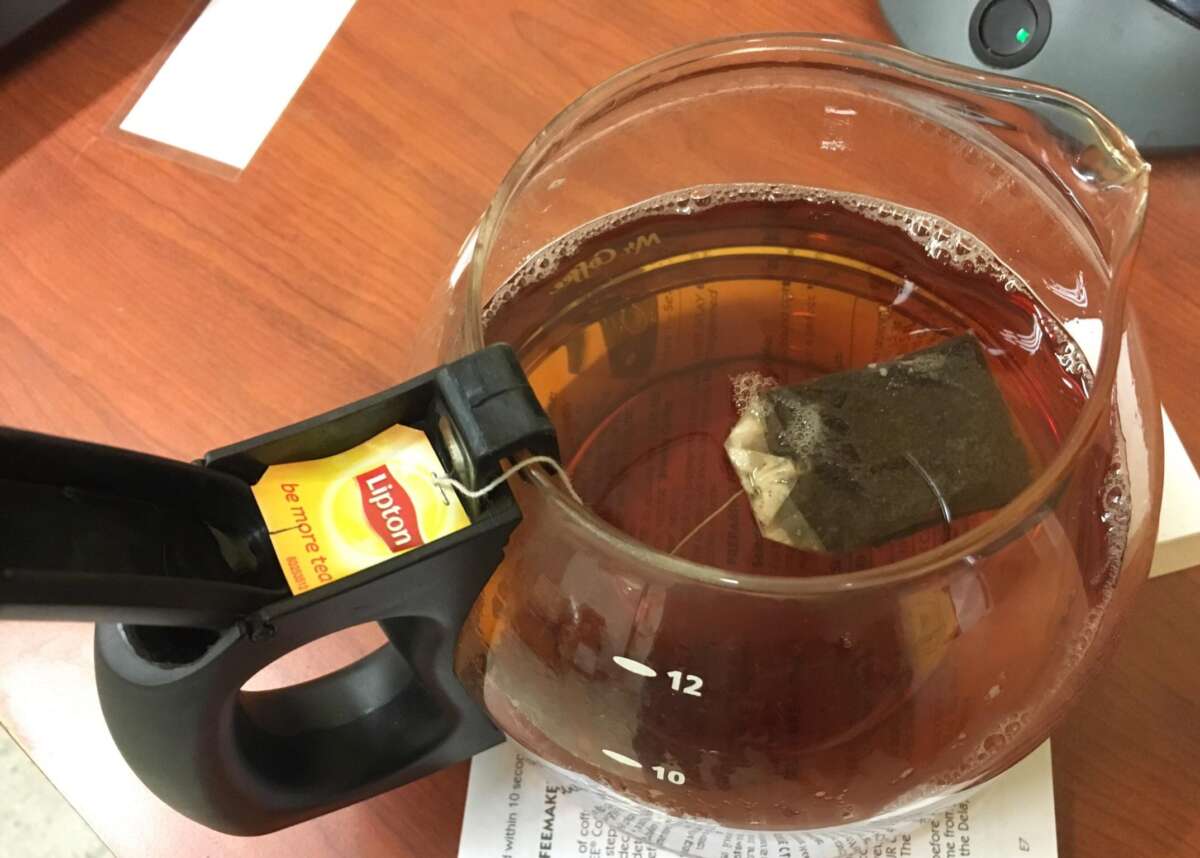
You can also place tea bags in the carafe after the hot water finishes brewing. This method gives you better control over steeping time and may produce a smoother cup.
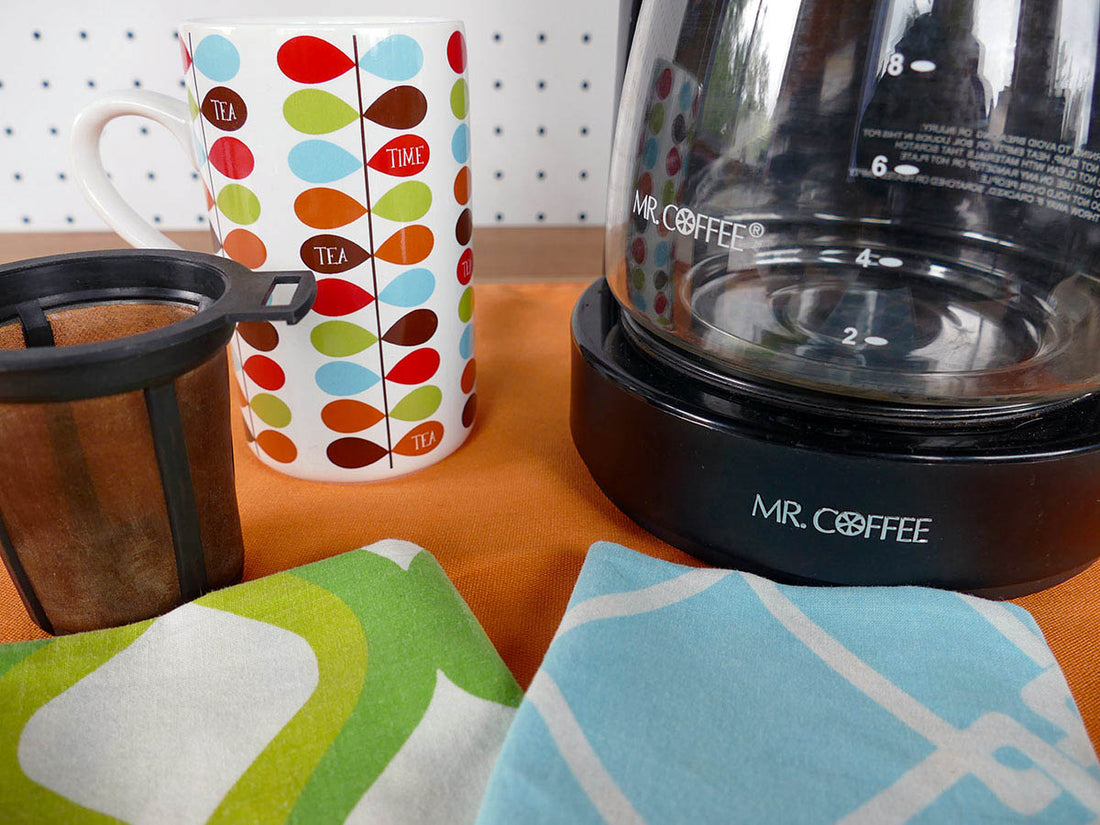
For loose-leaf tea, use a paper coffee filter. Fine leaves can pass through some reusable filters and leave sediment in the carafe.

Can You Make Iced Tea in a Coffee Maker?
A coffee maker is useful for making iced tea. The basic method is to brew a concentrated batch, then pour it over ice.
Use about twice the normal amount of tea. For example, use two tea bags per 8 ounces of water. The ice will melt and dilute the tea to a normal strength.
Follow these steps:
- Add fresh water to the reservoir.
- Place the tea bags or loose tea in the filter basket.
- Brew the tea.
- Steep it for several minutes.
- Fill a heat-safe pitcher with ice.
- Pour the hot tea slowly over the ice.
- Add lemon, mint, fruit, or sweetener if desired.
Never pour very hot tea into a thin glass pitcher. Sudden heat can crack the glass. Use a pitcher made for hot liquids or let the tea cool slightly first.
For food safety, refrigerate iced tea within two hours. Keep it covered and use it within a few days for the best quality.
Can You Use a Coffee Maker After Brewing Coffee?
You can use the same coffee maker for tea, but cleaning is essential. Coffee oils and old grounds can leave a strong taste.
Run a full cycle with clean water. Then run another cycle with a mixture made for coffee machine cleaning, following the product directions. Rinse the machine with clean water before brewing tea.
Do not assume that a quick rinse is enough. Coffee oils can build up in the filter basket, showerhead, and carafe. These oils may make mild teas taste like coffee.
If you switch between coffee and tea often, use a separate carafe for tea. This small step can make a big difference in flavor.
My most useful practical lesson is simple: the carafe matters as much as the machine. A clean carafe can improve tea flavor more than adding extra tea bags.

Common Mistakes to Avoid
Knowing what not to do can help you make better tea in a coffee maker.
• Do not add tea leaves to the water reservoir. They can clog the machine and may be difficult to remove.
• Do not add milk to the reservoir. Milk can spoil inside the machine and create a serious sanitation problem.
• Do not use a dirty coffee pot. Old coffee residue can overpower the tea.
• Do not brew green tea with very hot water when possible. Excess heat can create bitterness.
• Do not leave tea bags in the carafe for hours. The tea may become harsh and overly tannic.
• Do not store tea at room temperature for a long period. Bacteria can grow in prepared beverages.
• Do not use a glass carafe for hot tea if it is cracked or damaged. Heat can cause it to break.
• Do not use coffee filters that contain added scents or chemicals. Choose plain filters designed for brewing.
These mistakes are easy to avoid. A clean machine, fresh water, and controlled steeping time solve most problems.
Coffee Maker vs. Electric Kettle for Tea
A coffee maker is convenient when you want a large batch. It is also useful in an office, dorm room, or kitchen where a kettle is not available.
An electric kettle is usually better for one or two cups. It heats water faster and gives you more control over temperature and steeping.
Coffee maker benefits
• Makes several cups at once
• Works well for black and herbal tea
• Useful for iced tea
• Requires little attention
• Uses supplies many kitchens already have
Coffee maker limitations
• May not reach the ideal temperature for every tea
• Can leave coffee flavor behind
• Does not control steeping time well
• May brew tea too weak or too strong
• Takes longer to clean between coffee and tea
Think of a coffee maker as a practical shortcut, not a perfect tea tool. It can do the job, but a kettle offers more precision.
Is Tea Made in a Coffee Maker Safe?
Tea made in a coffee maker is generally safe when the machine is clean and the water is heated properly. The main safety risks come from poor cleaning, damaged equipment, and improper storage.
The U.S. Food and Drug Administration recommends keeping perishable foods and drinks out of the temperature danger zone as much as possible. Prepared tea with milk, cream, or fresh fruit should be refrigerated soon after serving.
Plain tea can sit out for a short time, but it should not remain at room temperature all day. When making iced tea, use clean containers and refrigerate leftovers.
Also, be careful with the hot carafe. Place it on a stable surface away from children, pets, and the edge of the counter.
Ways to Improve Tea Made in a Coffee Maker
Small changes can make coffee maker tea taste much better.
• Use filtered water if your tap water has a strong taste.
• Warm the carafe with hot water before brewing.
• Use fresh tea bags or properly stored loose tea.
• Brew a smaller amount if your machine allows it.
• Let the tea steep in the carafe after the brew cycle.