How To Clean Vacuum Cleaner HEPA Filter Without Damage: DIY
Gently remove, rinse (only if washable), and air-dry the HEPA filter for 24–48 hours.
I’ve cleaned dozens of vacuum HEPA filters in my years fixing and testing home cleaners, so I’ll walk you through exactly how to clean vacuum cleaner HEPA filter without damage. This guide shows safe steps, what to avoid, and when cleaning helps versus when replacement is the smarter choice. Read on to save money and keep your air clean with the right method for your model.

Why HEPA filters matter and which ones you can clean
HEPA filters trap tiny particles that ordinary filters miss. They stop dust, pollen, pet dander, and some smoke particles. A working HEPA filter keeps indoor air healthy and your vacuum running well.
Not all HEPA filters are the same. Some are labeled "washable" or "machine washable." Others are sealed and should never get wet. Always check your vacuum manual before you try to clean a HEPA filter. Trying to clean the wrong type can damage the filter and release trapped particles back into the air.
When you learn how to clean vacuum cleaner HEPA filter without damage, the first step is to identify whether your filter is washable. If it is washable, you can gently rinse and dry it. If it’s not, you should only tap and vacuum it, then replace it on schedule.

Step-by-step: how to clean vacuum cleaner HEPA filter without damage
Follow these short, safe steps. Read the manual first. If the manual conflicts with these steps, follow the manual.
- Turn off and unplug the vacuum.
- Remove the dust bin or canister to access the filter.
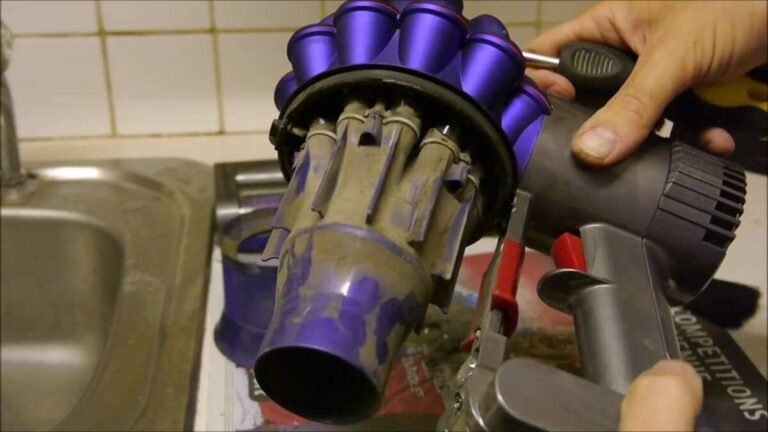
- Take out the HEPA filter carefully. Note how it fits so you can reinstall it the same way.
- Inspect the filter. If it looks torn, flattened, or has a strong odor, replace it instead of cleaning.
- If the manual says the HEPA filter is washable:
- Tap the filter gently over a trash can to remove loose dust.
- Rinse under cool or lukewarm running water from the clean side to the dirty side to push debris out, not deeper in.
- Do not use soap, bleach, compressed air, or a brush unless the manufacturer allows mild soap.
- If the manual says the HEPA filter is non-washable:
- Tap it gently to dislodge dust.
- Use a soft brush attachment on the vacuum to clean the outer surface. Keep suction light to avoid sucking the filter inward.
- Air dry the washable filter completely. Place it somewhere warm, dry, and ventilated for 24–48 hours. Ensure it is bone dry before reinstalling.
- Reassemble the vacuum. Run the vacuum briefly to check airflow and listen for odd sounds.
These steps are the core of how to clean vacuum cleaner HEPA filter without damage. Rinsing only helps if the filter is made for water. Drying fully is vital. A damp HEPA filter grows mold and ruins indoor air quality.

Tools and supplies you'll need
Keep these simple items on hand so you can clean safely.
- Soft brush or paintbrush for dusting.
- Gentle water source: sink or hose with low pressure.
- Clean towels to dry external parts and catch drips.
- A well-ventilated rack or tray for air drying.
- A trash can or bag for tapping out dust.
- Gloves and a mask if you are sensitive to allergens.
Using the right tools makes how to clean vacuum cleaner HEPA filter without damage quick and tidy. Simple tools reduce the chance of tearing or bending the filter.
Common mistakes to avoid when cleaning HEPA filters
Avoid these errors to protect the filter and your health.
- Washing a non-washable HEPA filter. This is the most common and costly mistake.
- Using hot water, a dishwasher, or a washing machine. Heat and agitation damage fibers.
- Reinstalling a damp filter. This causes mold and odors.
- Using compressed air on delicate HEPA media. High pressure forces dust deeper and rips fibers.
- Skipping replacement schedule. Old filters lose efficiency and can leak particles.
Knowing mistakes helps you follow safe steps and reinforces how to clean vacuum cleaner HEPA filter without damage.
When to replace the HEPA filter instead of cleaning
Cleaning helps, but filters wear out. Replace the HEPA filter when:
- Filter media is torn, crushed, or visibly collapsed.
- Vacuum performance stays poor after cleaning.
- The filter has a persistent bad smell after drying.
- The recommended lifespan from the manufacturer has passed (often 6–12 months for heavy use, up to 2 years for light use).
- You have allergies and notice more symptoms despite cleaning.
Replacement beats repeated risky cleaning. Knowing when to replace completes the picture of how to clean vacuum cleaner HEPA filter without damage and keep your air clean.
Personal experience and practical tips
Years ago I cleaned a sealed HEPA with soap. The vacuum seemed fine at first. A month later it smelled musty and performance fell. Replacing the filter fixed it. That taught me to always check the manual.
A few tips I learned on the job:
- Take a photo of the filter placement before removal. It saves time on reassembly.
- Mark washable filters with a small sticker so future cleaning is safe.
- If you have pets, double your inspection frequency.
These small habits make how to clean vacuum cleaner HEPA filter without damage easier and less risky.

Frequently Asked Questions of how to clean vacuum cleaner HEPA filter without damage
How do I know if my HEPA filter is washable?
Check the user manual or the filter label. Washable filters usually say "washable" or "reusable"; sealed filters say "do not wash" or have a paper-like media.
Can I use soap to clean a washable HEPA filter?
Only use mild soap if the manufacturer explicitly permits it. Rinse thoroughly and always air dry completely before reinstalling.
How long does a HEPA filter need to dry?
Plan for 24–48 hours of air drying in a warm, ventilated spot. It must be fully dry to avoid mold and odor.
Will tapping the filter damage it?
Light tapping over a trash can is safe for most filters. Avoid hard knocks that can tear or deform the filter media.
How often should I clean or replace the HEPA filter?
Clean washable HEPA filters every 1–3 months depending on use and pets. Replace filters per the manufacturer or sooner if performance drops or damage appears.
Conclusion
Cleaning HEPA filters the right way protects your vacuum and your air. Start by checking whether your filter is washable, follow gentle cleaning steps, and always dry the filter fully before reinstalling. If the filter is damaged or still smells after cleaning, replace it promptly.
Take action today: check your manual, inspect your HEPA filter, and schedule a safe cleaning or replacement. Share your experience or questions below and subscribe for more simple, reliable home-care tips.

Liora Pennings is a seasoned chef and kitchen enthusiast with a passion for turning everyday cooking into an effortless experience. With years of hands-on culinary expertise, she specializes in practical techniques, ingredient know-how, and smart kitchen solutions that help home cooks elevate their meals. At KitchFlair.com, Liora shares her best tips, time-saving tricks, and honest product reviews to guide readers toward a more efficient, enjoyable, and inspired cooking routine. Whether you’re a beginner or a seasoned home chef, Liora’s friendly, knowledge-packed insights make every visit to the kitchen a little easier—and a lot more delicious.