How To Restore Airflow In Clogged Vacuum Cleaner System:Fix
Clear filters, inspect the hose, and remove blockages to quickly restore proper vacuum airflow.
I’ve serviced dozens of household vacuums and trained on shop-grade units. This guide walks you through practical, safe steps for how to restore airflow in clogged vacuum cleaner system, from quick checks to deep-clean fixes. Read on for clear diagnostics, step-by-step repairs, and prevention tips that save time and money.
Why good airflow matters
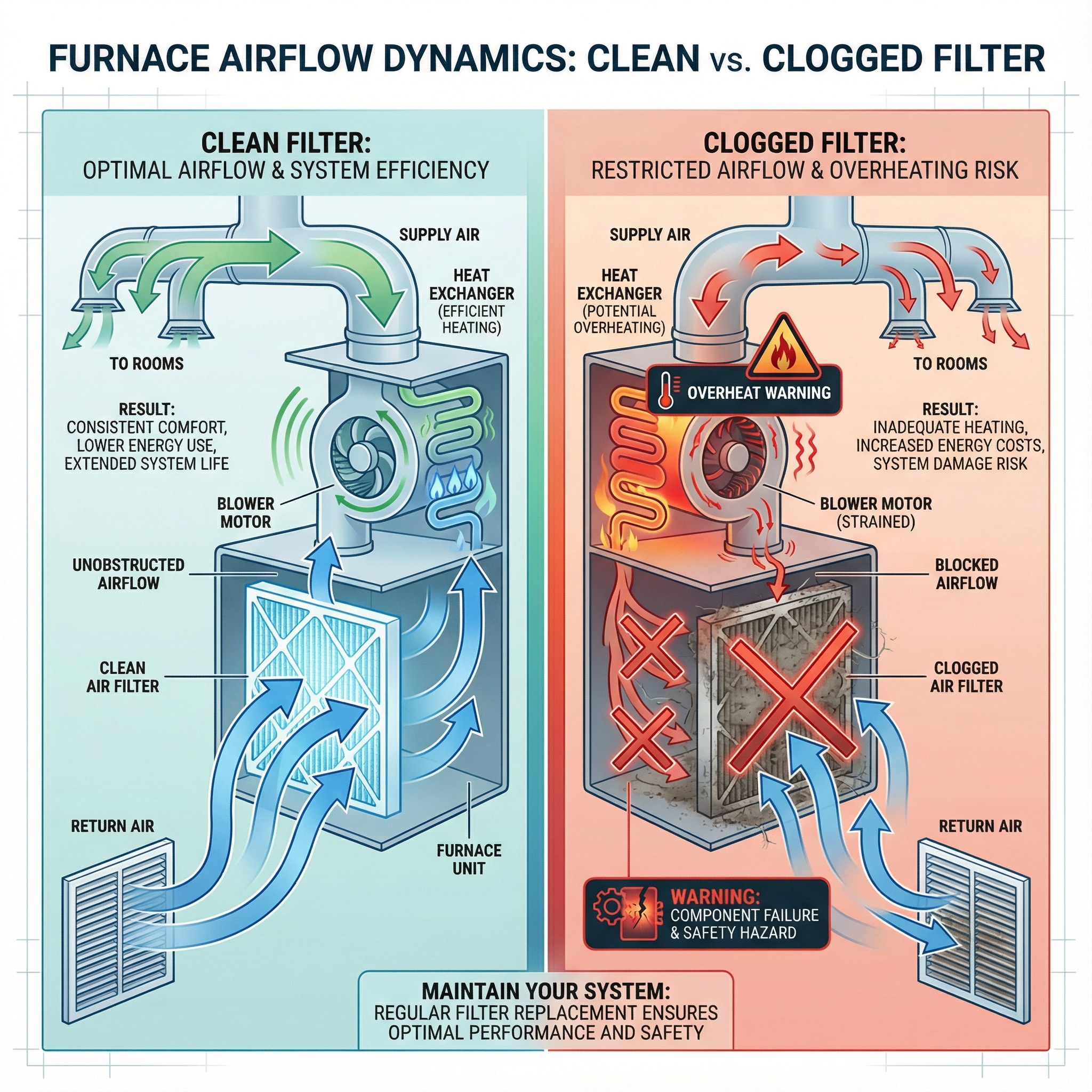
Airflow is the heartbeat of any vacuum. When airflow drops, suction feels weak. Dirt stays on carpets. Motors overheat. Knowing how to restore airflow in clogged vacuum cleaner system helps protect the motor and keeps cleaning efficient. A healthy airflow also improves indoor air quality by moving debris into the bag or bin where filters can trap it.
Common causes of clogged vacuum airflow
Clogs form in many places. Here are the usual suspects you should check first.
- Clogged filters: Filters full of dust reduce airflow quickly. Replace or wash as directed.
- Blocked hose or wand: Small toys, hair, and fibers can lodge deep inside. These restrict passage.
- Obstructed brushroll: Tangled hair and threads limit pickup and can strain the motor.
- Full dust bin or bag: A packed bin chokes air flow and reduces suction.
- Damaged seals or cracks: Air leaks cut suction power and let air bypass the filter.
Recognizing these causes makes it easier to fix how to restore airflow in clogged vacuum cleaner system.
Tools and parts you'll need
Prepare before you start. Common tools and parts make repairs fast and safe.
- Soft brush: For dusting filters and housings.
- Long flexible brush or straightened coat hanger: To clear hose clogs.
- Screwdrivers: To open the casing and remove brushrolls.
- Replacement filters or belts: Keep spares on hand for quick fixes.
- Gloves and a trash bag: For hygiene when removing debris.
Having the right gear makes restoring airflow easier and reduces the chance of damage.

Step-by-step: how to restore airflow in clogged vacuum cleaner system
Follow these steps in order. Work slowly and keep parts organized.
- Power off and unplug the vacuum.
- Safety first. Never work on a plugged appliance.
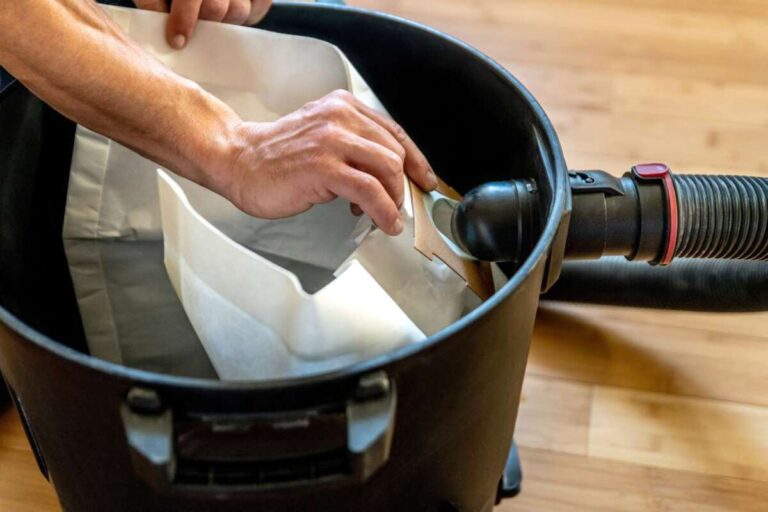
- Empty the dust bin or replace the bag.
- A full container is a common reason for weak suction. Dispose of debris outdoors if possible.
- Remove and inspect filters.
- Tap out dust, wash washable filters, and replace paper or HEPA filters as needed. Clean filters restore steady airflow.
- Check the hose and wand for clogs.
- Detach both ends. Shine a flashlight through. Use a long flexible brush to pull out hair and debris.
- Inspect the brushroll and belt.
- Cut away hair wrapped around the brushroll. Replace snapped belts. A free-turning brushroll helps airflow by moving debris into the suction path.
- Check seals and connections.
- Re-seat hoses and lids. Replace cracked seals. Any leak lets air escape and reduces effective suction.
- Reassemble and test.
- Run the vacuum briefly on a bare floor. Listen for normal motor sound and check suction at the hose. If performance is restored, you’re done.
If these steps don’t fix the issue, it’s time to look deeper into the motor chamber or seek professional help for how to restore airflow in clogged vacuum cleaner system.
- Run the vacuum briefly on a bare floor. Listen for normal motor sound and check suction at the hose. If performance is restored, you’re done.
Deep clogs and motor-area inspection
Some clogs hide near the motor or inside the canister path. These require extra care.
- Remove the housing only if you’re comfortable and the unit is disconnected.
- Inspect the inlet throat and motor fan area for packed dust. Clean gently with a brush and a vacuum that works.
- Avoid contacting motor windings or bearings. If the motor fan is clogged, airflow is severely reduced and professional service may be safer.
From my workshop experience, the most stubborn airflow problems come from compressed debris near the fan. If you smell burning or see smoke, stop immediately and consult a technician.

Preventive maintenance to keep airflow clear
Routine care prevents future clogs and keeps performance high.
- Empty the bin after each big clean or when it reaches the fill line.
- Clean or replace filters on a schedule. Washable filters should dry completely before reinstalling.
- Inspect the hose and brushroll monthly and remove any hair or string.
- Store the vacuum in a dry place to avoid moisture clumping dust.
- Replace worn belts and cracked seals promptly.
Adopting these habits reduces how often you need to repair how to restore airflow in clogged vacuum cleaner system and extends the vacuum’s life.
Common mistakes and troubleshooting tips
Avoid these errors that can worsen airflow problems.
- Skipping filter checks: Dirty filters are the simplest fix you can miss.
- Using water on non-washable parts: This can ruin filters and cause mold.
- Forcing tools into the hose: That can collapse or puncture the hose.
- Ignoring odd noises: Rattles or grinding often signal internal blockages or failing bearings.
If suction returns but performance is still weak, check the intake opening at the floorhead. Sometimes the gasket or the floorhead channel is blocked.

Frequently Asked Questions of how to restore airflow in clogged vacuum cleaner system
How can I tell if my vacuum is clogged?
Check suction at the hose end and at the floorhead. If suction is weak while the motor runs loudly, a clog or filter issue is likely.
Can I use water to clean vacuum hoses and filters?
Only wash filters labeled washable. Never submerge electrical parts or non-washable filters. Let washable filters dry completely before reinstalling.
How often should I replace filters to maintain airflow?
Replace paper or HEPA filters every 6 to 12 months, depending on use. Washable filters need cleaning every 1 to 3 months.
What if clearing the hose doesn’t restore airflow?
Inspect deeper for blockages near the motor or inside the canister path. If you’re unsure, seek professional service to avoid motor damage.
Are there DIY tools that make unclogging easier?
Yes. A long flexible cleaning brush, an inspection flashlight, and spare belts/filters make DIY fixes faster and safer.
Conclusion
Restoring airflow is often simple with a methodical approach. Start with the easy checks: empty the bin, clean filters, and clear the hose. Move to brushrolls and seals next. If problems persist, address the motor area carefully or get professional help. My experience shows that routine checks save time and prevent costly repairs. Try the steps above today, leave a comment about your results, and subscribe for more hands-on vacuum care tips.

Liora Pennings is a seasoned chef and kitchen enthusiast with a passion for turning everyday cooking into an effortless experience. With years of hands-on culinary expertise, she specializes in practical techniques, ingredient know-how, and smart kitchen solutions that help home cooks elevate their meals. At KitchFlair.com, Liora shares her best tips, time-saving tricks, and honest product reviews to guide readers toward a more efficient, enjoyable, and inspired cooking routine. Whether you’re a beginner or a seasoned home chef, Liora’s friendly, knowledge-packed insights make every visit to the kitchen a little easier—and a lot more delicious.