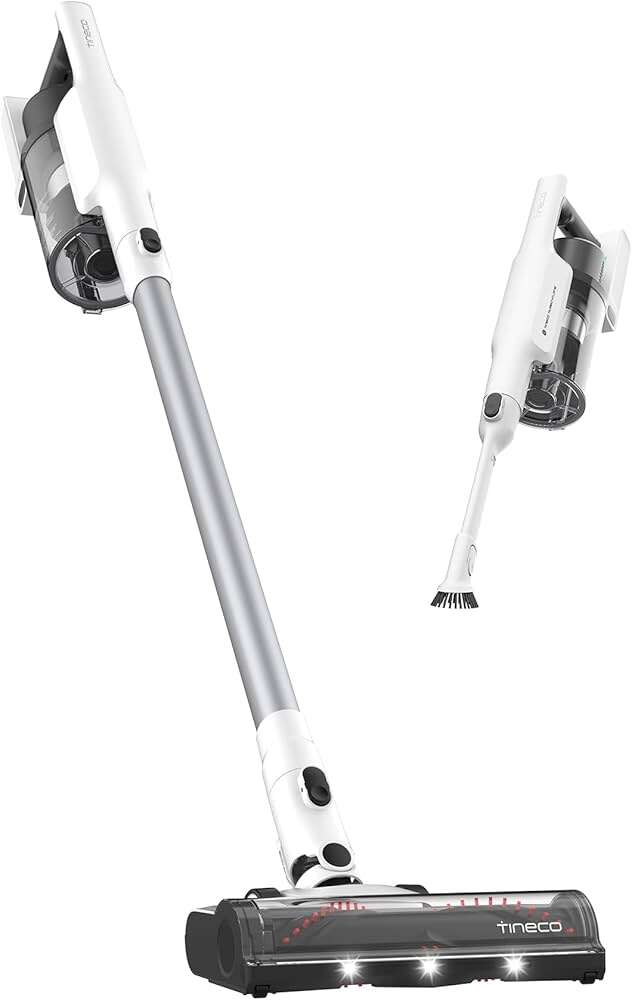
How To Choose Handheld Vacuum Cleaner: Smart Buying Guide
Choosing a handheld vacuum cleaner starts with one question: What will you clean most often? A compact vacuum for car seats has different needs from one used for pet hair, kitchen spills, stairs, or quick daily cleanups.
For most U.S. homes, the best choice is a cordless handheld vacuum with strong pickup, a washable filter, a removable dustbin, and at least one useful tool. If you often clean wet spills, pet hair, or a vehicle interior, choose a model designed for that job rather than relying on basic suction alone.
This guide explains how to compare handheld vacuums by power, battery life, filtration, dust capacity, tools, maintenance, and safety.

Key Takeaways
- Choose a dry handheld vacuum for dust, crumbs, hair, and dirt.
- Choose a wet/dry model only if you need to collect liquid. Follow its manual closely.
- Look for a brush tool for pet hair, upholstery, and car seats.
- A washable filter lowers upkeep, but it still needs regular cleaning.
- Battery runtime should match the size of the job, not just the number printed on the box.
- A larger dustbin means fewer emptying breaks, but it also adds weight.
- Do not judge cleaning power from wattage alone. Air path design, nozzle shape, brush action, and battery output also matter.
- Check replacement filters, batteries, tools, and warranty terms before buying.
1. Start With the Cleaning Job
The right handheld vacuum depends on the surface, debris, and size of the area. Make a short list of the jobs you expect it to handle.
| Main job | Features to prioritize | Features that matter less |
|---|---|---|
| Crumbs and dry food | Wide nozzle, easy emptying, quick charging | Large tool set |
| Pet hair | Motorized brush, strong airflow, easy brush cleaning | Very large dustbin |
| Car interiors | Crevice tool, long runtime, compact shape | Wall mount |
| Stairs | Comfortable grip, light weight, steady suction | Tiny charging base |
| Upholstery | Soft brush, fabric-safe nozzle, washable filter | Wet pickup |
| Liquid spills | Wet/dry design, separate liquid path, clear fill line | HEPA claim alone |
| Workshop debris | Strong debris capacity, sturdy filter, durable body | Ultra-light weight |
A handheld vacuum is best for small areas. It saves time when you need to clean one couch cushion or a few crumbs. It is less suitable for cleaning an entire house unless it is part of a larger cordless stick vacuum system.
Dry versus wet/dry models
A dry vacuum collects items such as:
- Dust
- Crumbs
- Sand
- Pet hair
- Dry cereal
- Small bits of dirt
A wet/dry handheld vacuum is made to collect liquid as well as dry debris. These models usually need more care. You may need to empty the liquid tank at once, rinse parts, and let them dry before storage.
Never assume a dry vacuum can collect water. Liquid can damage the motor and create an electrical hazard. Always check the manual before collecting any spill.
Home, car, or both?
For home use, comfort and quick emptying often matter most. For car cleaning, reach and attachments matter more.
A car-focused model should have:
- A narrow crevice tool
- A brush for seats and mats
- A hose or flexible extension, if supplied
- Enough battery life for the seats, floor, and console
- A shape that fits between seats
For both home and car use, avoid a model with a short nozzle and no extension tool. It may work well on counters but feel awkward in tight spaces.

2. Compare the Features That Affect Cleaning
Product boxes often list many features. Focus on the ones that change how the vacuum works in daily use.
Suction and airflow
Suction is the pulling force at the nozzle. Airflow is the movement of air through the vacuum. Both affect pickup.
A vacuum may have high suction but poor pickup if its nozzle is narrow, its filter is clogged, or its air path is poorly designed. A wide opening may collect large crumbs well, while a narrow opening may work better in cracks.
Manufacturers do not always report power in the same way. Some list air watts, some list watts, and some list only battery voltage. These figures are not a complete test of cleaning performance.
Use the following order when comparing models:
- Look for the intended debris type.
- Check whether the model has a motorized brush.
- Review the nozzle and tool design.
- Check filter access and cleaning instructions.
- Compare real runtime in the mode you will use.
- Treat wattage and voltage as supporting details, not final proof.
Motorized brush versus passive brush
A passive brush has no powered roller. You move it by hand. It can help lift dust from fabric, but it may struggle with embedded pet hair.
A motorized brush uses a powered roller or brush bar. It can be useful for:
- Pet hair on upholstery
- Lint on stairs
- Hair on car seats
- Dirt pressed into floor mats
Motorized tools add weight and may reduce battery runtime. Hair can also wrap around the roller. Choose one only if your cleaning tasks justify the extra care.
Battery runtime
Cordless handheld vacuum runtime can vary by power mode and attachment. A box may show the longest possible runtime under low-power conditions. High-power mode often runs for less time.
Estimate your need before you shop:
Required runtime = cleaning time + setup time + a small reserve
For example, if you plan to clean a car for 12 minutes, a model rated for 15 minutes in the same mode may leave little room for slow work or a clogged filter. A larger reserve gives you more flexibility.
Check these details:
- Runtime on the standard mode
- Runtime on the high-power mode
- Whether the battery is removable
- Charge time
- Whether a spare battery is sold
- Whether the charger uses a wall adapter or a charging dock
- Whether the vacuum can run while charging
Do not assume a removable battery is included as a second battery. In many products, it means only that you can replace the battery later.
Dustbin capacity
A small dustbin keeps the vacuum light. It also fills faster.
A larger bin helps when cleaning:
- Multiple car seats
- Pet bedding
- Staircases
- Workshop surfaces
- Several rooms in one session
A small bin may be enough for a kitchen counter or a few crumbs. Look for a bin that opens without touching the dirt. A clear bin can also show when the vacuum needs to be emptied.
The stated capacity may not equal the amount of debris you can collect in normal use. Filters, bulky hair, and large crumbs take up space quickly.
Weight and balance
A vacuum’s listed weight may not tell you how it feels. Battery placement, handle angle, and nozzle length affect comfort.
Hold the vacuum if possible. The grip should feel stable without forcing your wrist upward. A top-heavy design can become tiring during stair or car cleaning.
For a handheld vacuum used often, a slightly weaker model may be better than a powerful model that feels uncomfortable after a few minutes.

3. Choose Filtration for Your Home
Filtration affects what stays inside the vacuum and what returns to the room.
A basic filter can catch larger dust and debris. A fine-particle filter can capture smaller particles. Some models advertise HEPA filtration, but the result depends on the whole vacuum system, not just the filter material.
What a HEPA claim means
HEPA means high-efficiency particulate air filtration. In the United States, the term is used in product marketing with different test details. A claim may refer to the filter itself rather than the complete vacuum.
When comparing a HEPA model, look for:
- The exact wording of the claim
- Whether the filter is washable or replaceable
- Whether the filter is part of a sealed system
- Replacement filter availability
- Cleaning instructions
- Any stated test standard or conditions
A filter cannot work well when it is clogged, damaged, or installed incorrectly.
Washable versus replaceable filters
A washable filter may reduce ongoing cost. It must be washed and dried fully before use. Putting a damp filter back into the vacuum can cause odor, damage, or poor performance.
A replaceable filter may provide more predictable upkeep, but you need to buy replacements. Check the manufacturer’s support page before purchase. A low-cost vacuum can become less convenient if filters are hard to find.
Allergy and asthma considerations
A handheld vacuum can stir up dust while you empty it. If dust exposure is a concern, choose a model with:
- A sealed or well-contained dust path
- A filter that captures fine particles
- A dustbin that opens away from your face
- Easy filter removal
- Clear replacement instructions
No handheld vacuum removes every airborne particle from a room. Follow your health care professional’s advice for allergies, asthma, or other breathing conditions.
The U.S. Environmental Protection Agency explains that indoor air quality depends on source control, ventilation, and filtration. A vacuum is only one part of that plan.

4. Pick the Right Attachments
Attachments are useful only when they match your surfaces. More tools do not automatically mean better cleaning.
Crevice tool
A crevice tool reaches narrow gaps. It is useful for:
- Between car seats
- Along couch seams
- Around baseboards
- Window tracks
- Behind appliances
A long, narrow tool may reach farther but can reduce airflow if the opening is too small. Use it for cracks, not broad surfaces.
Upholstery or fabric brush
A soft brush can lift dust from fabric. It is helpful for:
- Sofas
- Chairs
- Mattresses
- Car seats
- Curtains, when the manual allows it
Test any tool on a hidden area first. Some fabrics can snag or mark.
Motorized pet tool
A motorized pet tool can help remove hair that is pressed into fabric. Check whether the brush roll can be removed. Hair wrapped around the roller can reduce performance and strain the motor.
Extension hose
A hose makes it easier to clean awkward areas. It can help you reach under seats or around furniture without holding the full vacuum at an angle.
The trade-off is added setup. If you want a vacuum for very fast cleanups, a hose that takes time to attach may stay unused.
Charging dock and storage tools
A wall dock can keep the vacuum ready. Before mounting it, check:
- Outlet location
- Wall type
- Clearance for removing the vacuum
- Storage space for tools
- Whether the dock holds accessories
- Whether local installation rules apply
If you rent your home, a freestanding charger may be more practical than wall mounting.

5. Check Maintenance Before You Buy
The easiest handheld vacuum to own is the one you can clean without a struggle.
Read the care section of the manual before purchase. Look for these steps:
- Empty the dustbin before it reaches the fill line.
- Remove hair and debris from the nozzle.
- Clean the filter at the stated interval.
- Let washable parts dry completely.
- Inspect seals and filter screens.
- Clean a brush roll without cutting nearby wires or seals.
- Store the vacuum in a dry area.
- Charge it according to the manufacturer’s instructions.
A blocked filter can reduce suction and increase motor strain. A packed brush roll can also stop spinning.
What to do if suction drops
Follow this order:
- Turn the vacuum off.
- Empty the dustbin.
- Check the nozzle for a blockage.
- Remove hair from the brush tool.
- Clean or replace the filter as directed.
- Check that the dustbin and filter are seated correctly.
- Charge the battery fully.
- Test the vacuum again.
If the motor smells hot, makes an unusual sound, or shuts off repeatedly, stop using it. Do not bypass a thermal cutoff or continue running the vacuum when the battery appears swollen or damaged.
Replacement parts
Before buying, search for the exact model number plus:
- Filter
- Battery
- Brush roll
- Charger
- Dustbin
- Crevice tool
A model with available parts may be a better long-term choice than one with a lower purchase price but limited support.

6. Consider Safety and Material Limits
Handheld vacuums are small, but they still contain motors, batteries, and moving parts.
Battery safety
For cordless models:
- Use the supplied charger or an approved replacement.
- Keep the charger and vacuum away from water.
- Do not use a battery that is swollen, cracked, leaking, or very hot.
- Do not place a damaged lithium-ion battery in household trash.
- Follow local rules for battery recycling or disposal.
The U.S. Consumer Product Safety Commission provides safety information for lithium-ion batteries.
Items you should not vacuum
Unless the manual specifically allows them, avoid vacuuming:
- Hot ash
- Burning material
- Wet debris with a dry-only model
- Sharp glass
- Large screws or nails
- Fine construction dust
- Toxic substances
- Flammable liquids
- Solvents
- Large amounts of flour or powder
Fine dust can clog filters quickly. Sharp objects can damage the hose, bin, or filter.
Wet/dry limitations
Wet/dry models are not all designed for the same liquids. Some are meant for small household spills only. Others may require a special nozzle or a liquid tank.
Do not vacuum liquid near a live electrical outlet or damaged cord. If a spill creates an electrical risk, fix the power hazard first or contact a qualified professional.
7. Use a Simple Buying Scorecard
A scorecard helps you avoid choosing a vacuum based on one impressive specification.
Rate each model from 1 to 5:
| Category | Weight | What to check |
|---|---|---|
| Cleaning fit | 5 | Does it handle your main debris and surfaces? |
| Ease of emptying | 4 | Can you remove dirt without a mess? |
| Battery fit | 4 | Does runtime match your normal job? |
| Filter upkeep | 4 | Are cleaning and replacements practical? |
| Comfort | 4 | Is the grip balanced and light enough? |
| Tools | 3 | Does it include the attachments you need? |
| Noise | 2 | Is the sound acceptable for your home or car? |
| Warranty and parts | 3 | Can you get support and replacement parts? |
| Price | 3 | Does the cost fit your use and expected life? |
Multiply each rating by its weight, then add the scores. This is a personal decision aid, not a laboratory performance test.
Example
Suppose two vacuums have similar prices:
- Model A has longer low-power runtime but no motorized brush.
- Model B has shorter runtime but includes a powered pet tool and a removable battery.
Model A may be better for crumbs and car floors. Model B may be better for pet hair and upholstery. The “better” model changes with the job.

8. Review the Product Page and Manual
Product listings can leave out details that affect ownership. Before you buy, confirm the following:
- Exact model number
- Dry or wet/dry use
- Battery type
- Claimed runtime and power mode
- Charge time
- Dustbin capacity
- Filter type
- Included tools
- Replacement parts
- Warranty length and region
- Return period
- Charging requirements
- Weight with the battery installed
A manufacturer’s manual is often more useful than a short sales description. It can show whether filters are washable, whether the brush roll is removable, and which materials the vacuum should not collect.
For a U.S. purchase, also check whether the seller provides a U.S. warranty and a U.S.-compatible charger. Imported versions may use different plugs, batteries, or service terms.
Common Mistakes When Choosing a Handheld Vacuum
Choosing by wattage alone
Wattage describes electrical power use. It does not fully predict pickup. Nozzle shape, airflow, brush action, filter condition, and battery control also matter.
Buying the smallest model for every job
Small vacuums are easy to store. They may have short runtime, a small bin, and limited tools. Choose compact size only when your cleaning jobs are also small.
Ignoring filter replacement cost
A filter may need cleaning or replacement during the vacuum’s life. Check the part price and supply before you buy.
Treating maximum runtime as normal runtime
Maximum runtime may apply to a low-power mode without a motorized attachment. Compare the mode you plan to use.
Buying a wet/dry model without reading care steps
Wet pickup can require immediate emptying and drying. If you will not follow those steps, a dry model may be safer and easier.
Assuming every pet tool works the same
A brush that lifts loose hair may not remove hair pressed into dense upholstery. Match the tool to the fabric and hair type.
Forgetting noise
A powerful motor can be loud. If you will clean near sleeping children, pets, or other people, look for a published noise rating or test the product during the return period.
Frequently Asked Questions
How many air watts should a handheld vacuum have?
There is no universal air-watt number that guarantees good cleaning. Manufacturers may measure power under different conditions, and some do not publish air watts at all. Compare the full design, including the nozzle, brush, filter, runtime, and intended surface.
Is a handheld vacuum good for pet hair?
It can be, especially when it includes a motorized brush designed for upholstery. For heavy pet hair, check whether the brush roll is easy to clean and whether replacement parts are available.
Is a HEPA handheld vacuum worth it?
It may be useful if you want finer filtration, but the filter must be maintained and properly fitted. Look for clear details about the complete filtration system, not just a large HEPA label.
Can a handheld vacuum clean a car?
Yes. Choose a compact model with a crevice tool, brush attachment, and enough runtime for the seats, floor, console, and cargo area. A hose can make tight spaces easier to reach.
Should I buy a corded or cordless handheld vacuum?
A cordless model offers easier movement and is usually more convenient for quick jobs. A corded model can provide continuous use but requires access to an outlet. Choose cordless for cars and fast cleanups; choose corded when you need long sessions and do not want battery limits.
How often should I clean the filter?
Follow the manual. As a practical rule, inspect the filter when suction drops, the vacuum sounds strained, or the dustbin fills quickly. Homes with pets or fine dust may require more frequent care.
Can I vacuum baking soda or fine powder?
Only if the manufacturer allows it. Fine powders can pass into the filter, clog airflow, or reach the motor. When allowed, use short sessions and clean the filter promptly.
A Quick Final Checklist
Before you place an order, confirm:
- The vacuum matches your main cleaning job.
- It is dry-only or wet/dry as needed.
- The runtime fits your normal session.
- The dustbin is large enough for the debris.
- The filter is easy to clean or replace.
- The included tools fit your surfaces.
- The grip and weight feel comfortable.
- Replacement parts are available in the United States.
- The warranty covers your region.
- The manual permits the materials you plan to vacuum.
- The charger and battery meet your needs.
- The return policy gives you time to test the vacuum.
Conclusion
The best handheld vacuum cleaner is not simply the one with the highest power number or the most attachments. It is the model that fits your main job, feels comfortable, runs long enough, and is easy to empty and maintain.
For most buyers, the safest starting point is a cordless dry handheld vacuum with a washable or replaceable fine-particle filter, a crevice tool, a brush tool, and a dustbin that opens cleanly. Add a motorized brush for pet hair, a hose for car interiors, or wet/dry capability only when those features solve a real need.
Before buying, read the manual, check replacement parts, and compare runtime in the mode you will actually use.

Liora Pennings is a seasoned chef and kitchen enthusiast with a passion for turning everyday cooking into an effortless experience. With years of hands-on culinary expertise, she specializes in practical techniques, ingredient know-how, and smart kitchen solutions that help home cooks elevate their meals. At KitchFlair.com, Liora shares her best tips, time-saving tricks, and honest product reviews to guide readers toward a more efficient, enjoyable, and inspired cooking routine. Whether you’re a beginner or a seasoned home chef, Liora’s friendly, knowledge-packed insights make every visit to the kitchen a little easier—and a lot more delicious.