How Do You Use A Dyson Vacuum Cleaner: Easy Guide
To use a Dyson vacuum cleaner, charge or plug it in, choose a tool, and clean with steady passes.
Learning how do you use a Dyson vacuum cleaner is easy once you understand its power modes, attachments, and care needs. After testing Dyson-style cordless and upright designs, I have found that the best results come from slow passes, the right tool, and regular filter care. This guide explains how to use a Dyson vacuum cleaner safely, clean different floor types, avoid common mistakes, and keep strong suction for years.

How Do You Use a Dyson Vacuum Cleaner for the First Time?
Before you begin, check the vacuum model and read the quick-start guide. Dyson makes cordless stick vacuums, upright vacuums, canister models, and handheld units. Their buttons, bins, tools, and charging systems can differ.
Use these simple steps:
- Remove the vacuum and tools from the box.
- Check that the wand, cleaner head, bin, and filter are fitted correctly.
- Charge a cordless model fully before its first long cleaning session.
- Plug in an upright or canister model.
- Choose the correct cleaner head for your floor.
- Press the power button and guide the vacuum slowly across the surface.
- Empty the dust bin when it reaches the marked limit.
A cordless Dyson usually starts with a trigger or power button. Some models require you to hold the trigger, while others have a power button that stays on. If your vacuum has an LCD screen, check the display for battery life, blockage alerts, and maintenance messages.
When learning how do you use a Dyson vacuum cleaner, avoid rushing through the first setup. A loose wand or poorly fitted cleaner head can reduce suction and make the vacuum seem faulty.
Prepare Your Home Before Vacuuming
Good preparation makes vacuuming faster and helps prevent clogs. Pick up coins, paper clips, toys, socks, and other small items first. These objects can block the airway or damage the brush bar.
Close doors to rooms you do not need to clean. This lets you focus on one area at a time and helps you notice missed spots. If you have pets, remove large clumps of hair before they collect around the brush bar.
For the best result:
• Move light furniture, such as chairs, away from walls.
• Open curtains so you can see dust near baseboards.
• Use a broom or cloth to remove fragile items from the floor.
• Check for wet spills before vacuuming.
• Tie up loose cords and cables.
Never use a regular Dyson vacuum to pick up water, wet food, or damp dirt unless the model is specifically designed for that task. Most household Dyson vacuums are made for dry debris only.
A common mistake I have seen during hands-on testing is vacuuming over a large pile of hair or crumbs in one pass. Removing the pile first reduces stress on the brush bar and keeps the bin from filling too quickly.
How Do You Use a Dyson Vacuum Cleaner on Different Floors?
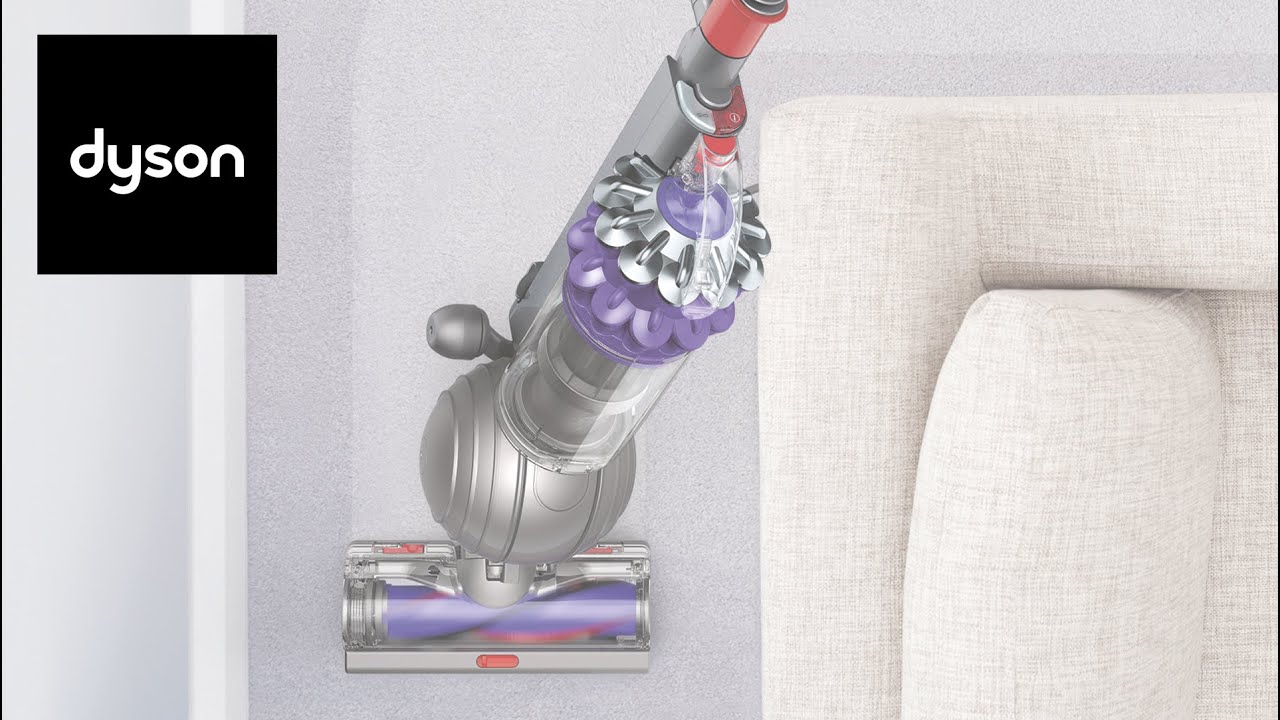
The right cleaner head matters as much as the motor. A soft roller head is often made for hard floors, while a motorized brush head is usually better for carpets. However, the exact recommendation depends on your Dyson model.
Hard floors
Use a soft roller or hard-floor setting when available. Move the cleaner head slowly so it can collect fine dust, crumbs, and hair.
Pay special attention to:
• Edges near baseboards
• Gaps between floorboards
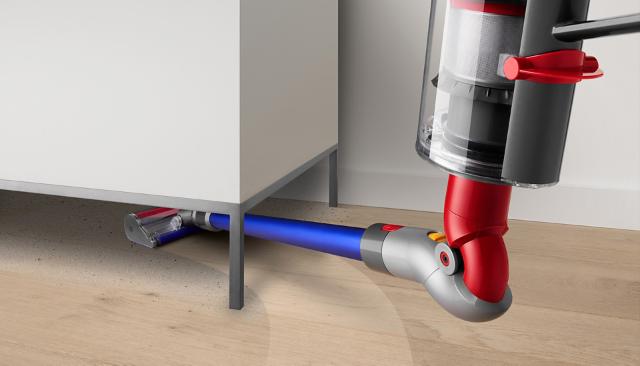
• Areas below cabinets
• Entryways
• Corners near furniture
Avoid pressing down too hard. The cleaner head should glide across the floor. Excess pressure can stop the roller from turning freely and may leave debris behind.
Carpet
For carpets, use the motorized cleaner head. Start with the lowest practical power setting, then increase suction if the carpet needs deeper cleaning.
Make two slow passes:
- Push the vacuum forward at a steady speed.
- Pull it back over the same area.
The backward pass often lifts more dust because carpet fibers bend in different directions. On thick rugs, test a small hidden area first. High suction may pull at loose fibers or make the rug difficult to move.
Area rugs
Use care on lightweight rugs. A strong cleaner head may lift the rug or catch its fringe. Reduce suction, use a suitable attachment, or place one foot gently on the rug edge while cleaning.
Knowing how do you use a Dyson vacuum cleaner on rugs can prevent damage. Do not run a motorized brush over delicate fringe, silk rugs, or loose fibers unless the care label allows it.
How Do You Use a Dyson Vacuum Cleaner’s Attachments?
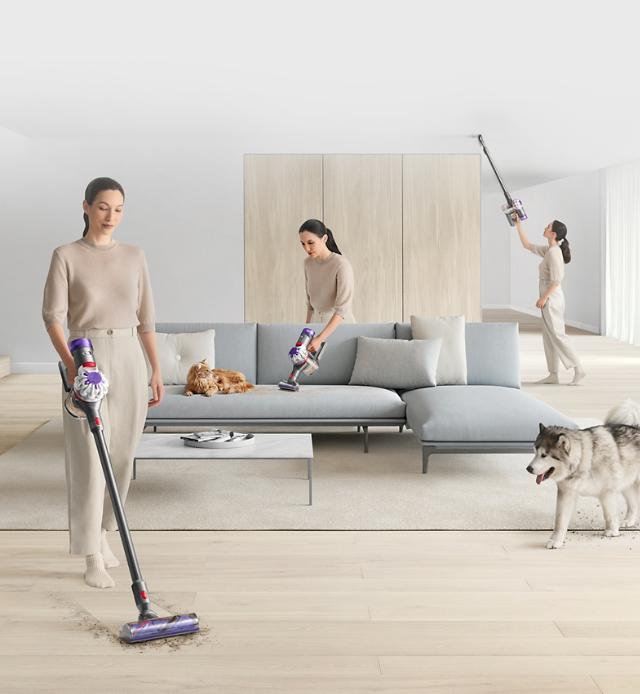
Dyson tools are designed for different surfaces. Using the right attachment improves cleaning and reduces wear on the main floor head.
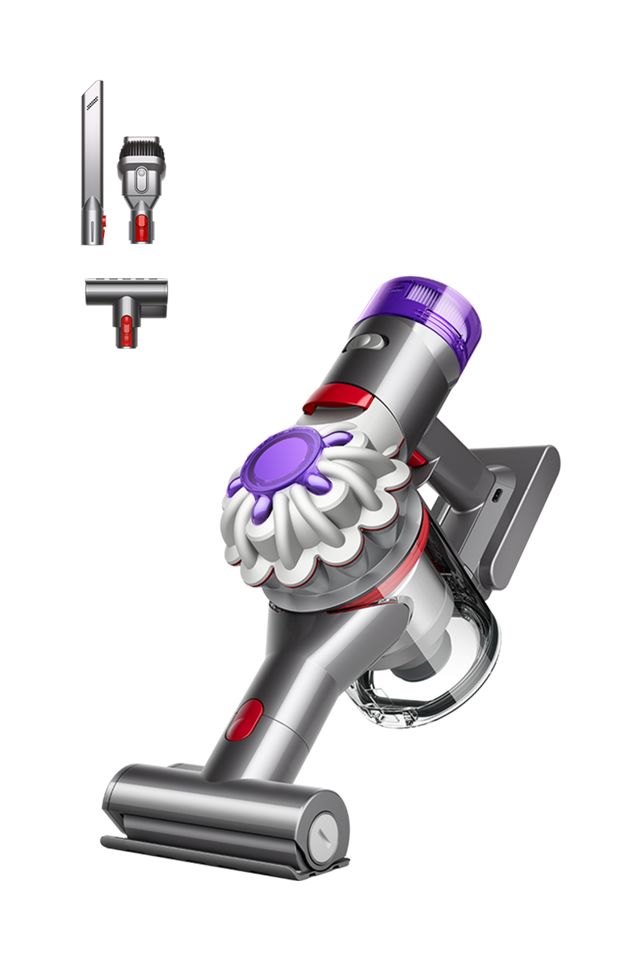
Crevice tool
Use the crevice tool for narrow spaces, such as:
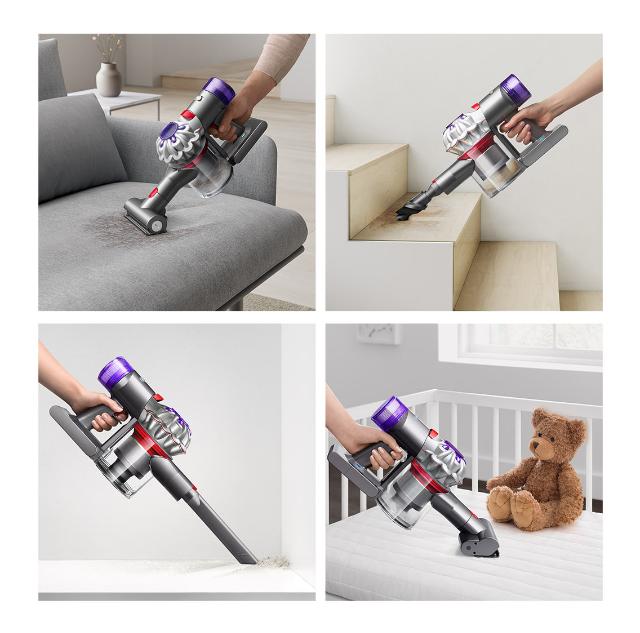
• Between sofa cushions
• Along baseboards
• Around radiator covers
• Inside car seats
• Along stair edges
Move the tool slowly. Fast movement can scatter light dust before it reaches the nozzle.
Combination tool
A combination tool usually has a narrow nozzle and a brush that slides or flips into place. Use the nozzle for tight gaps and the brush for shelves, blinds, window tracks, and delicate surfaces.
Soft dusting brush
This tool works well on lampshades, vents, electronics, and polished furniture. Keep the suction low when cleaning fragile surfaces.
Mini motorized tool
A mini motorized tool is useful for pet hair and dust on sofas, mattresses, stairs, and car seats. Use short strokes and avoid holding it in one place for too long.
Upholstery tool
Use an upholstery attachment on sofas, chairs, and fabric cushions. Check the furniture label first, especially if the material is velvet, silk, or loosely woven.
When explaining how do you use a Dyson vacuum cleaner, I always stress one point: do not force an attachment into place. If it does not click easily, check the release button and alignment.

How Do You Use a Dyson Vacuum Cleaner in Power Modes?
Many cordless Dyson models offer more than one power setting. The names may vary by model, but the purpose is similar.
Low or Eco mode
Use the lower setting for:
• Hard floors
• Light dust
• Daily cleaning
• Large rooms
This mode saves battery power and is often enough for routine cleaning.
Auto mode
Auto mode can adjust suction based on the surface or dust level on compatible models. It is useful when moving from hard floors to carpet because you do not need to change the setting by hand.
Boost mode
Boost mode gives stronger suction for stubborn dirt, thick carpet, and concentrated messes. It uses much more battery power, so use it for short periods.
A useful routine is to clean the whole room in Eco or Auto mode, then use Boost only on high-traffic areas. This approach balances cleaning strength and battery life.
The display on some models shows particle information or maintenance alerts. Treat these readings as helpful guidance, not as a perfect measure of cleanliness. A sensor can detect particles, but it cannot replace a careful visual check.
How Do You Use a Dyson Vacuum Cleaner to Clean Stairs?
Stairs need a safe method because the vacuum can be heavy and awkward. A cordless stick vacuum is often easier to use than a full upright model.
Follow these steps:
- Start at the top of the stairs.
- Keep one hand on the handrail when possible.
- Use a crevice tool along the edges.
- Use a mini motorized tool on carpeted steps.
- Clean each step with short, controlled passes.
- Keep the vacuum body on a stable step or floor.
Never stretch across several stairs while holding a heavy vacuum. Move your body and the machine together instead. For a corded vacuum, keep the cord behind you and away from the cleaner head.
When learning how do you use a Dyson vacuum cleaner on stairs, safety is more important than speed. A slow method prevents falls and gives you better control around narrow edges.
How Do You Use a Dyson Vacuum Cleaner for Pet Hair?
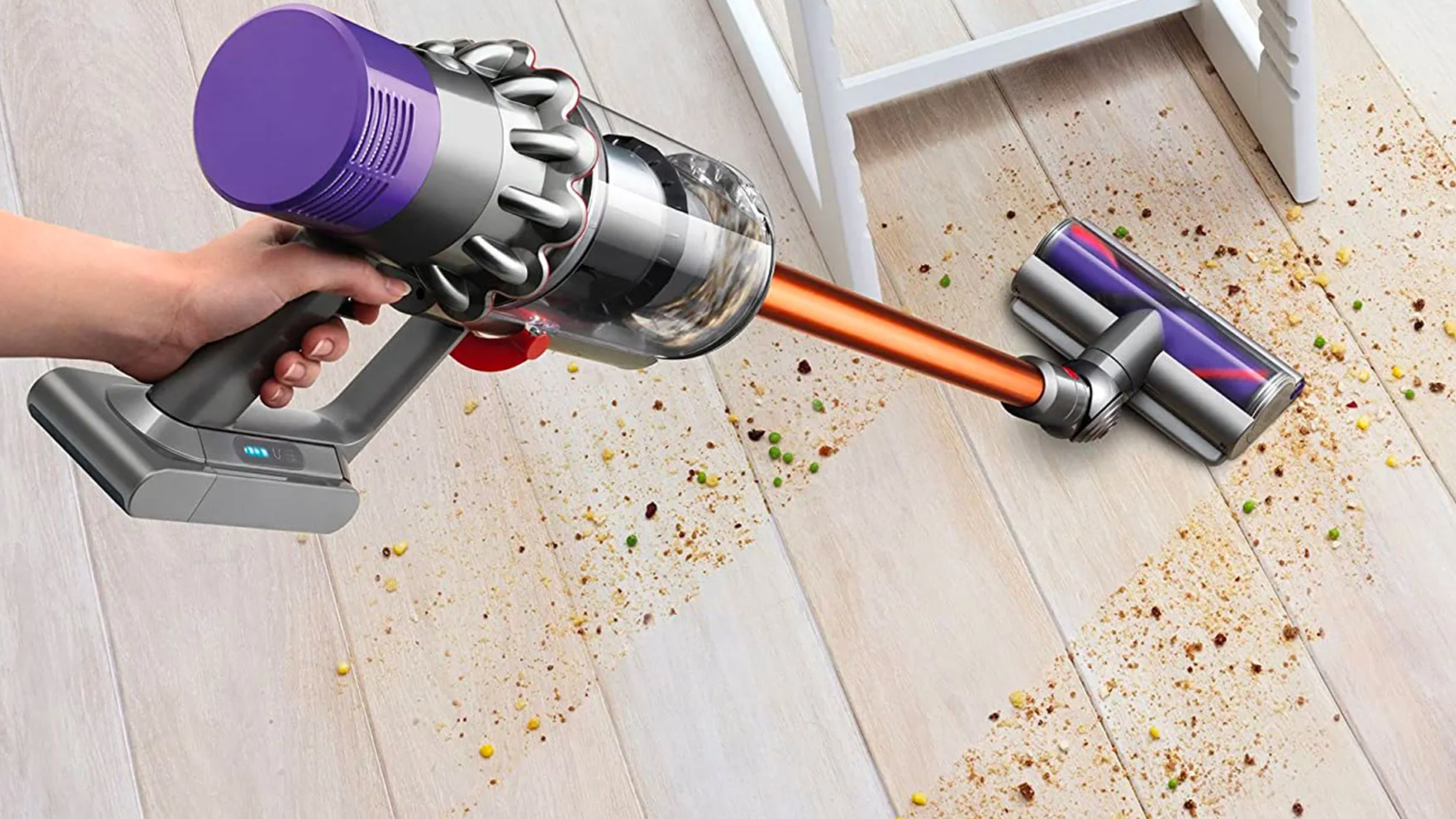
Pet hair often needs more than one pass. Begin with a motorized floor head on carpets and a soft roller on hard floors. For furniture, use a mini motorized tool if your model includes one.
Use these pet-hair tips:
• Vacuum in several directions.
• Clean under furniture where hair collects.
• Empty the bin before it becomes tightly packed.
• Check the brush bar after each major cleaning session.
• Wash or replace filters according to the model instructions.
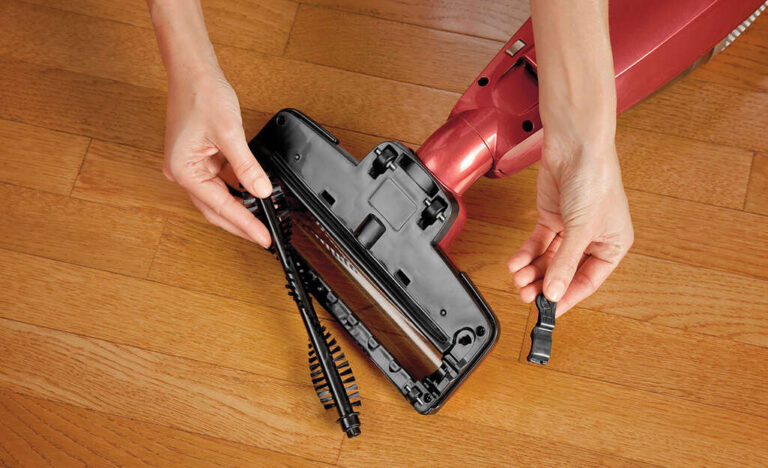
Long hair can wrap around a brush bar like thread around a spool. Turn off and unplug the vacuum, or remove the battery when the model allows it, before clearing the brush bar.
Avoid vacuuming large piles of litter, damp fur, or sharp bones. These materials can clog the airway or harm internal parts.
How Do You Empty and Clean a Dyson Vacuum Cleaner?
A full bin can reduce airflow. Empty it before debris reaches the maximum line.
For most cordless Dyson models:
- Turn off the vacuum.
- Hold it over a trash can.
- Press the bin-release button.
- Let the debris fall into the can.
- Close the bin until it clicks.
Keep your face away from the opening if you have allergies. Fine dust can rise when the bin opens. People with asthma or strong dust sensitivity may prefer to wear a mask during this step.
To clean the vacuum:
• Wipe the bin with a dry or slightly damp cloth.
• Remove hair from the brush bar.
• Check the wand for blockages.
• Wash washable filters only as directed.
• Let filters dry completely before reinstalling them.
Never put electrical parts or a non-washable filter under water. A wet filter can damage the motor and may create a musty smell.
One lesson I learned from repeated vacuum maintenance is that filter drying takes time. Let a washed filter air-dry for at least 24 hours, or follow the exact time in your model guide. Do not use a heater or hair dryer to speed up the process.
How Do You Use a Dyson Vacuum Cleaner Without Losing Suction?
Strong suction depends on clear airflow. If the vacuum feels weak, inspect the common trouble spots first.
Check the following:
- Dust bin: Empty it if it is full.
- Filter: Wash or replace it according to the instructions.
- Wand: Look for trapped paper, hair, or debris.
- Cleaner head: Remove hair from the brush bar.
- Inlet: Check for packed dust near the bin opening.
- Battery: Charge it fully and check for age-related loss.
Do not push the vacuum faster when suction feels weak. Fast movement can make cleaning worse because the cleaner head has less time to lift dirt.
If the vacuum pulses, stops, or shows a blockage message, turn it off and inspect the airway. Allow the motor to cool if it has become hot. Contact customer support if the problem continues after basic cleaning.
A burning smell, smoke, unusual grinding sound, or damaged power cord requires immediate attention. Stop using the vacuum and arrange professional support.
Common Mistakes to Avoid
Understanding how do you use a Dyson vacuum cleaner also means knowing what not to do. Small habits can affect performance and product life.
Avoid these mistakes:
• Vacuuming liquids with a dry vacuum
• Leaving the bin full after each use
• Running Boost mode for every room
• Washing a filter and reinstalling it while wet
• Using a carpet brush on delicate hard floors
• Pulling the vacuum by its cord
• Forcing tools into the wand
• Ignoring a blockage warning
• Vacuuming ash, plaster dust, or fine construction debris without model approval
Fine construction dust can pass into areas that ordinary household dust does not. If you are cleaning after remodeling, use a vacuum designed for that material.
Do not assume every Dyson attachment fits every Dyson model. Tool connections may look similar, but the airflow design and electrical contacts can differ.
Dyson Vacuum Cleaner Safety Tips
A Dyson vacuum cleaner is simple to use, but safe habits still matter. Keep hands, hair, clothing, and pets away from a powered brush bar.
Use these basic safety rules:
• Keep children away from the vacuum while it is running.
• Do not vacuum near open flames or hot ash.
• Keep the charger dry.
• Use the correct Dyson charger for your model.
• Do not operate a damaged battery.
• Store the vacuum in a cool, dry place.
• Unplug corded models before clearing blockages.
Lithium-ion batteries can become hot if damaged, overloaded, or exposed to extreme heat. Stop using a battery that swells, leaks, smells unusual, or becomes excessively hot. Follow local rules for battery recycling and disposal.
These precautions match standard appliance and battery safety guidance. Always give priority to the instructions supplied with your exact model.
How Do You Use a Dyson Vacuum Cleaner More Efficiently?
Efficient vacuuming is less about speed and more about planning. Clean from the farthest part of the room toward the exit. This keeps you from walking over areas you have already cleaned.
Use this simple routine:
- Dust high surfaces first.
- Wait a few minutes for loose dust to settle.
- Pick up large debris.
- Vacuum edges and corners.
- Clean the open floor.
- Empty the bin.
- Check the brush bar and filter area.
Vacuum high-traffic areas more often than quiet rooms. Homes with pets, children, allergies, or nearby construction may need more frequent cleaning.
For allergy control, use slow passes and keep the dust bin from overflowing. Vacuuming can remove settled dust, but it does not replace ventilation, washing bedding, or controlling indoor humidity.
How Do You Use a Dyson Vacuum Cleaner for Long-Term Care?
Regular care helps maintain airflow and battery performance. The care schedule depends on the model, so use the manual as the final guide.
A practical care plan includes:
• Emptying the bin after heavy use
• Checking the brush bar weekly in homes with pets
• Inspecting the wand when suction changes
• Washing washable filters at the recommended interval
• Replacing worn filters or batteries with approved parts
• Charging and storing the machine as directed
Do not store a cordless vacuum with a completely empty battery for long periods unless the manual says otherwise. Avoid leaving it in a hot garage, a freezing shed, or direct sunlight.
Good maintenance is like brushing your teeth. A few minutes of care prevents larger problems later.
Frequently Asked Questions About How Do You Use a Dyson Vacuum Cleaner
How do you use a Dyson vacuum cleaner on carpet?
Attach the motorized cleaner head and choose Auto or a suitable carpet setting. Make slow forward and backward passes, then use Boost only for stubborn dirt or thick carpet.
Can you use a Dyson vacuum cleaner on hard floors?
Yes, most Dyson models can clean hard floors with the correct cleaner head. A soft roller head is often the best choice for fine dust and larger debris on smooth flooring.
How often should you empty a Dyson vacuum cleaner?
Empty the bin when debris reaches the marked maximum line or when airflow drops. Emptying it after each major cleaning session helps maintain performance.
Can you wash a Dyson vacuum cleaner filter?
Some Dyson filters are washable, but not every part can be rinsed. Follow the instructions for your exact model, and let a washed filter dry fully before reinstalling it.
Why does my Dyson vacuum cleaner lose suction?
A full bin, blocked wand, dirty filter, tangled brush bar, or low battery can reduce suction. Turn off the vacuum and inspect each area before contacting support.
Can you use a Dyson vacuum cleaner to pick up water?
Most Dyson household vacuums are designed for dry debris and should not pick up water. Using a dry vacuum on liquid can damage the machine and create an electrical safety risk.
How long should a Dyson vacuum cleaner battery last?
Battery time depends on the model, power mode, tool, floor type, and battery age. Eco mode usually lasts longer than Boost mode, while heavy carpet cleaning uses more power.
Conclusion
Learning how do you use a Dyson vacuum cleaner comes down to a few smart habits: choose the right cleaner head, use a suitable power mode, move slowly, empty the bin, and keep the filter and brush bar clean. These steps improve cleaning results and help protect the motor, battery, floors, and furniture.
Start with one room today and practice the basic routine. Check your model guide for details that apply to your specific Dyson vacuum, then share your best cleaning tips or explore more home-care resources.

Liora Pennings is a seasoned chef and kitchen enthusiast with a passion for turning everyday cooking into an effortless experience. With years of hands-on culinary expertise, she specializes in practical techniques, ingredient know-how, and smart kitchen solutions that help home cooks elevate their meals. At KitchFlair.com, Liora shares her best tips, time-saving tricks, and honest product reviews to guide readers toward a more efficient, enjoyable, and inspired cooking routine. Whether you’re a beginner or a seasoned home chef, Liora’s friendly, knowledge-packed insights make every visit to the kitchen a little easier—and a lot more delicious.