
How Long Does A Dyson Vacuum Cleaner Last: Lifespan Guide
A Dyson vacuum cleaner usually lasts seven to ten years, while cordless models often need battery service sooner.
How long does a Dyson vacuum cleaner last depends on the model, cleaning habits, floor type, and care routine. A corded upright or canister can work well for a decade or more, while a cordless Dyson may need a battery replacement after a few years.
I have found that many Dyson owners replace their machines too early. In most cases, better filter care, clear air paths, and timely battery service can add years to a vacuum’s useful life. This guide explains what affects Dyson vacuum life, how to spot wear, and how to get the best value from your machine.

How long does a Dyson vacuum cleaner last?
A Dyson vacuum cleaner typically lasts between seven and ten years with regular care. Some corded models can last longer, while cordless models may need repairs or a new battery before the motor reaches the end of its life.
The exact lifespan varies by product type:
• Corded upright vacuums often last eight to twelve years.
• Corded canister vacuums may last seven to ten years.
• Cordless stick vacuums commonly last five to eight years.
• Dyson robot vacuums may last around five to seven years, depending on battery wear and moving parts.
• Handheld Dyson vacuums often last four to seven years with moderate use.
These are practical ranges, not guarantees. A vacuum used every day in a home with pets may wear faster than one used once a week in a small apartment. Still, Dyson machines are built for long-term home use, and many failures involve replaceable parts rather than the main motor.
The battery is often the first major concern with a cordless Dyson. Suction may remain strong, but the vacuum may run for only a few minutes. That does not always mean the whole machine needs replacement.
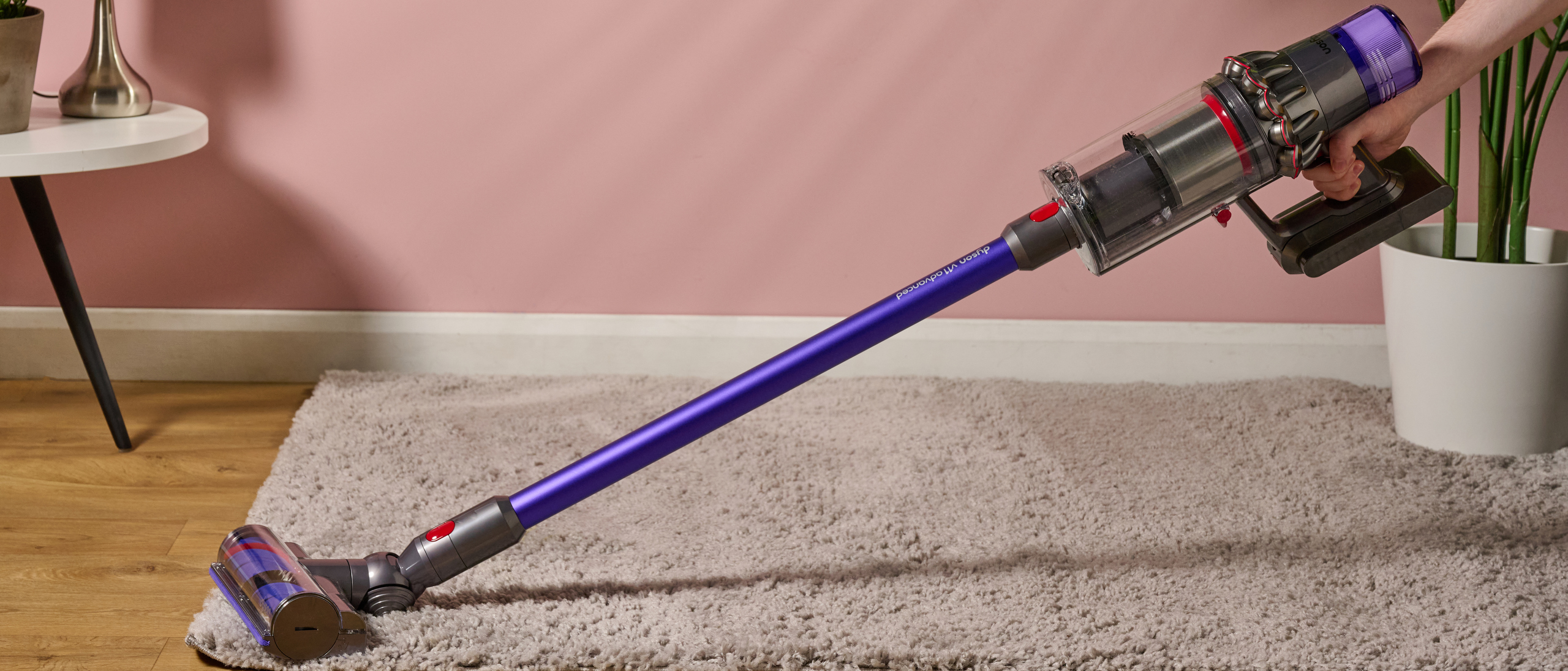
What affects Dyson vacuum cleaner lifespan?
Several factors decide how long a Dyson vacuum cleaner lasts. The biggest ones are use, maintenance, battery care, and the type of dirt the machine collects.
Frequency of use
Daily vacuuming places more wear on the brush bar, battery, seals, and filters. This does not mean daily use is harmful by itself. It means the machine needs more frequent cleaning and inspection.
A Dyson used in a large home with pets may collect far more hair and dust than one used in a small home without pets. Heavy use can shorten the service life of belts, brush bars, bearings, and battery cells.
Floor type
Hard floors are often easier on a vacuum than thick carpet. Dense carpet can increase resistance around the brush bar and make the motor work harder.
Fine sand, construction dust, fireplace ash, and plaster dust are also tough on vacuum systems. These materials can clog filters and damage internal parts. Most household vacuums are not designed for large amounts of fine building dust or wet debris.
Pet hair and long hair
Pet hair can wrap around the brush bar and create extra drag. Long human hair can cause the same problem. If the brush bar is not cleaned, the motor may work harder and the vacuum may shut down to protect itself.
In my experience, brush bar neglect is one of the most common reasons a vacuum seems weak. The machine may not be worn out. It may simply be fighting a thick layer of hair.
Storage conditions
Heat, moisture, and poor storage can reduce vacuum life. Do not store a cordless Dyson in a damp garage or in direct sunlight. Extreme temperatures can affect battery performance and plastic parts.
Store the vacuum in a dry area with enough space around the charger and wall dock. Avoid wrapping the cord tightly around a sharp edge on corded models.
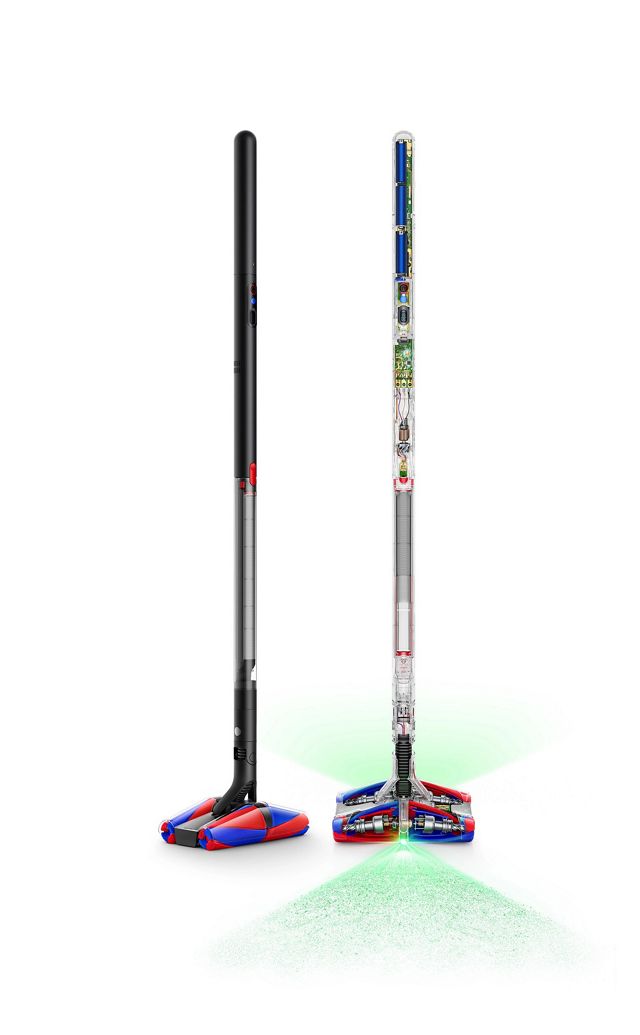
Corded versus cordless Dyson vacuum lifespan
The answer to how long a Dyson vacuum cleaner lasts changes based on whether it uses a cord or a battery. Each design has different strengths and service needs.
Corded Dyson vacuums
Corded models receive steady power from the wall. They do not depend on a rechargeable battery, so their run time does not decline with battery age.
Their main wear points include:
• Power cords and plugs
• Brush bars
• Filters
• Hoses and seals
• Bearings
• Switches
• Motor components
A corded vacuum can be a strong choice for a large home, thick carpet, or frequent cleaning. It may also provide better long-term value because the motor can continue working without battery replacement.
Cordless Dyson vacuums
Cordless Dyson models are easy to carry and quick to use. They are useful for stairs, cars, kitchens, and small daily messes.
Their rechargeable battery is the part most likely to need service. Lithium-ion batteries naturally lose capacity over time. A battery may still charge, but it will not hold power as long as it did when new.
The battery does not always fail suddenly. More often, run time slowly drops. The vacuum may also shut off under heavy load or show a warning light.
Which type lasts longer?
A corded Dyson often lasts longer as a complete working system. A cordless Dyson can still provide many years of service if its battery and filters are maintained or replaced when needed.
For a busy home, the best choice depends on your needs. Cordless models offer convenience, while corded models usually offer longer continuous cleaning and fewer battery concerns.

How long does a Dyson cordless battery last?
A Dyson cordless battery often lasts about two to five years, depending on use, charging habits, model, and temperature. Some batteries last longer, while heavy daily use can reduce capacity sooner.
Battery life is measured in charge cycles. A cycle is the use of the battery’s available charge, whether all at once or over several sessions. Repeated charging and heavy power modes place more demand on the battery.
Signs of a worn Dyson battery include:
• The vacuum runs for only a few minutes.
• The machine stops when using a high-power mode.
• The battery takes longer to charge.
• The vacuum shows a flashing warning light.
• The run time drops even after filter cleaning.
High-power modes use more energy and reduce run time. That is normal. However, a healthy battery should still provide a useful cleaning session that matches the model’s expected performance.
Replacing the battery can make a cordless vacuum feel new again. Before buying one, check the exact model number and choose a compatible battery from a reliable source. Incorrect batteries can create safety risks and may damage the machine.

How to make a Dyson vacuum cleaner last longer
If you want to know how long a Dyson vacuum cleaner lasts in real home use, maintenance matters more than marketing claims. A simple care routine can prevent many common problems.
1. Wash the filters on schedule
Many Dyson filters need regular washing with cold water. The exact schedule depends on the model, so follow the manual for your machine.
Never reinstall a filter while it is damp. Moisture can damage the motor and create a musty smell. Let the filter dry fully, often for at least 24 hours, before putting it back.
2. Empty the bin before it reaches the limit
A full dust bin can reduce airflow. It may also force dust into areas that are harder to clean.
Empty the bin over a trash can and avoid shaking fine dust into the air. If you have allergies, wear a mask or ask someone else to empty it outdoors.
3. Clean the brush bar
Turn off and unplug the vacuum before removing hair or debris. For cordless models, remove the wand or cleaning head as directed by the manual.
Use scissors to cut wrapped hair, then pull it away carefully. Do not cut into the brush bar or damage the bristles.
4. Check for blockages
A blocked wand, hose, or cleaner head can cause weak suction and overheating. Check each air path when the machine loses power or makes an unusual sound.
A blockage can feel like a serious motor problem, but it is often a simple fix.
5. Use the correct power mode
Use the standard mode for normal dust and crumbs. Save the high-power setting for thick carpet, heavy debris, or stubborn dirt.
This reduces battery stress and gives you more cleaning time. It also helps keep the motor and brush system cooler.
6. Inspect seals and attachments
Loose seals can allow air to escape. Cracked hoses and damaged attachments may also reduce performance.
Replace worn parts instead of forcing the vacuum to work with a damaged connection. Small parts are often less costly than a full replacement.
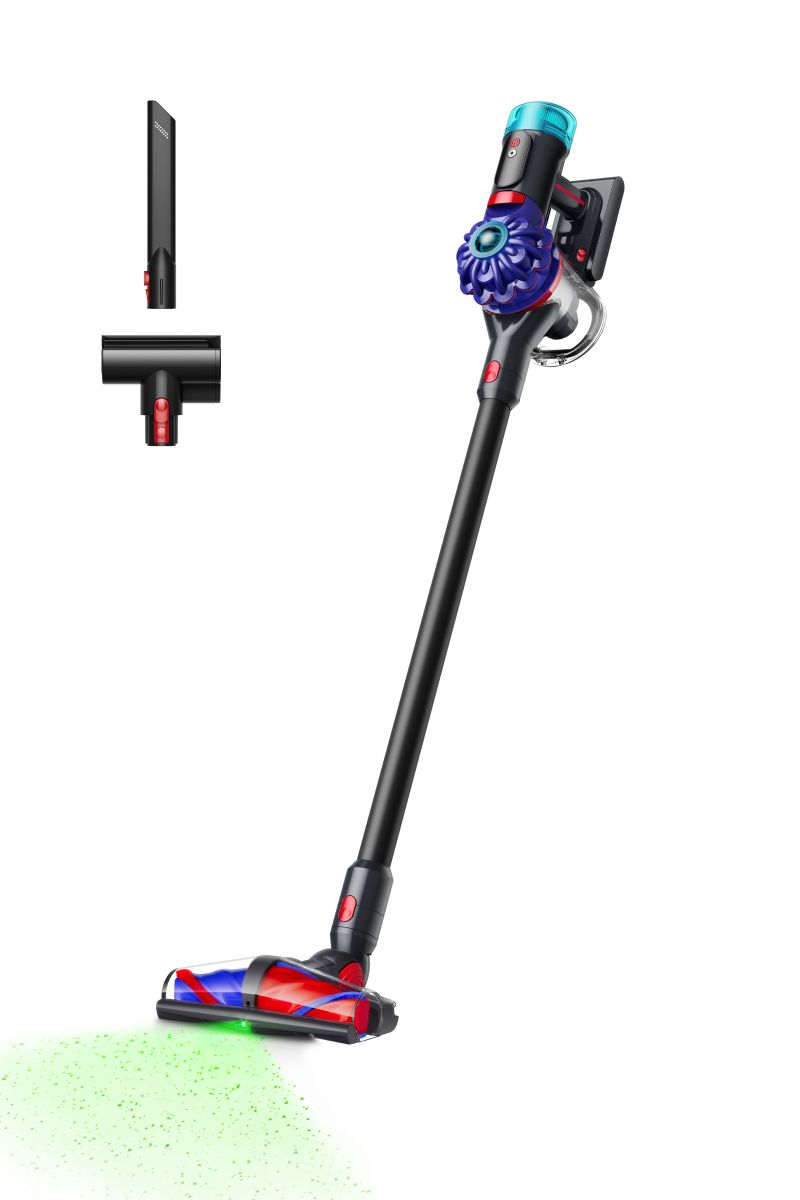
Common Dyson problems and what they mean
A Dyson vacuum may show signs of trouble before it reaches the end of its service life. Understanding the symptom can help you avoid an unnecessary replacement.
Weak suction
Weak suction may come from a full bin, dirty filter, blocked wand, or tangled brush bar. Clean each area before assuming the motor has failed.
If suction remains weak after cleaning, inspect seals and listen for a change in motor sound. A professional repair may be worthwhile for an expensive or newer model.
Pulsing or stopping
Pulsing often means restricted airflow. The vacuum may be detecting a blockage or overheating.
Turn it off, let it cool, and check the filter and air paths. If the problem continues after a full clean, the battery or motor may need attention.
Unusual noise
A clicking, grinding, or high-pitched sound may point to a damaged bearing, brush bar, or object caught in the cleaner head.
Stop using the vacuum if the sound is sharp or gets worse. Continued use can turn a small repair into a major one.
Burning smell
A burning smell is a warning sign. Turn the vacuum off at once and unplug it, or remove the battery if the model allows it.
Check for hair around the brush bar, but do not keep using the machine if the smell returns. A motor, wiring, or battery fault may require qualified service.
Fast battery drain
Fast battery drain can result from a worn battery, blocked filter, thick carpet, or constant use of high-power mode.
Clean the machine first. If the run time remains very short, battery replacement is usually the next step.

Repair or replace a Dyson vacuum?
The answer to how long a Dyson vacuum cleaner lasts also depends on whether repair makes financial sense. A repair is often worthwhile when the motor, body, and main controls remain in good condition.
Repair may be a good choice when:
• The vacuum is less than five years old.
• The problem involves a filter, battery, hose, brush bar, or seal.
• Replacement parts are available.
• The machine has strong suction after basic maintenance.
• The repair cost is much lower than buying a similar new vacuum.
Replacement may make more sense when:
• The motor has failed and repair costs are high.
• The body has major cracks or heat damage.
• Several parts need replacement at once.
• The battery, charger, and cleaner head are all failing.
• The vacuum has poor performance even after thorough cleaning.
Check the warranty before paying for service. Warranty coverage varies by model, purchase date, region, and problem type. Keep your receipt and model number because both may be needed for support.
One mistake I often see is replacing a vacuum after a battery problem. On many cordless models, a new battery costs far less than a new machine. Another mistake is buying a cheap, poorly matched battery that creates charging or safety issues.
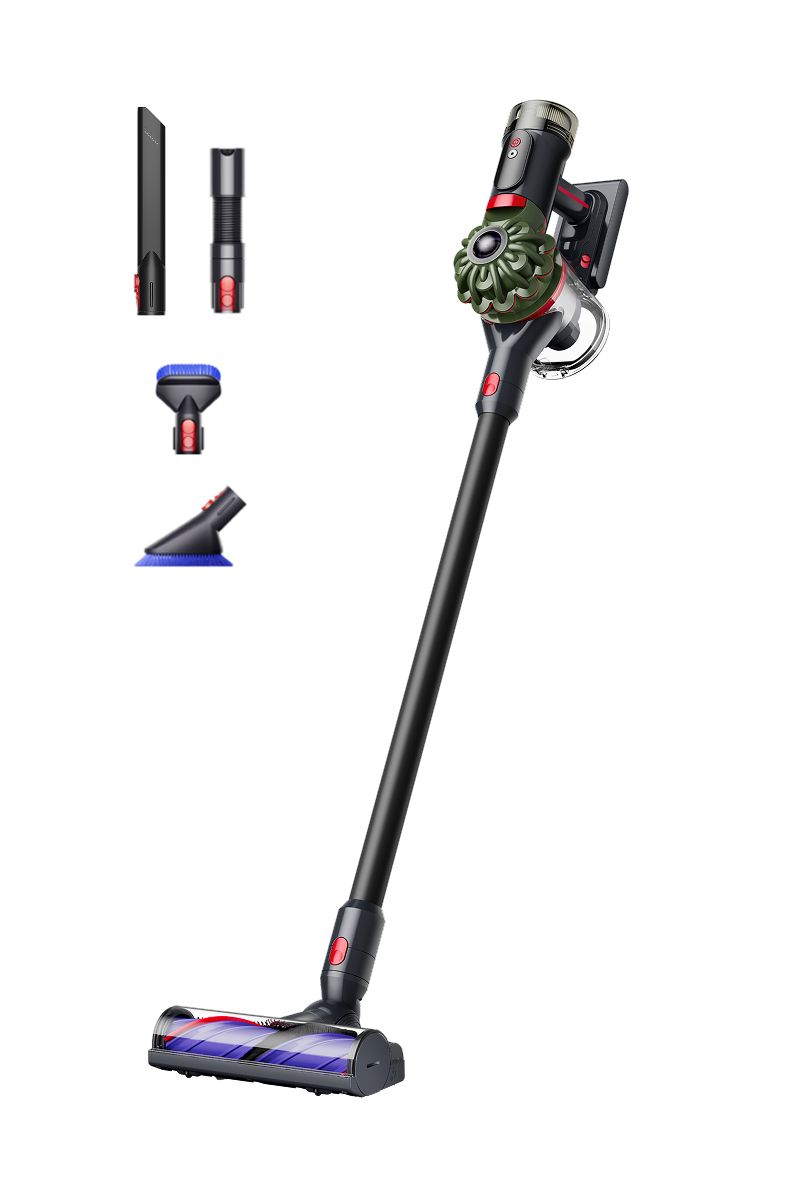
Dyson warranty and replacement parts
Warranty terms can affect the practical answer to how long a Dyson vacuum cleaner lasts. A warranty does not make a machine last forever, but it may reduce the cost of an early defect.
Coverage often depends on:
• The original purchase date
• The exact product model
• The country of purchase
• Whether the product was bought from an approved seller
• The type of failure
Normal wear, accidental damage, misuse, and some consumable parts may have limited coverage. Always read the terms for your specific machine instead of relying on a general warranty statement.
Use genuine or properly approved replacement parts when possible. Filters, batteries, cleaner heads, and chargers must match the vacuum model. The wrong part may fit poorly or affect safe operation.
Keep a simple record of filter washing, battery changes, and repairs. This small habit helps you spot changes early and proves useful when speaking with customer support.
:strip_icc()/bhg-detail-dyson-gen-5-defect-cordless-stick-vacuum-dburreson-017-1-441c4900a8174b00b3b1b5af757d78d6.jpeg)
How long does a Dyson vacuum cleaner last with pets?
A Dyson vacuum cleaner can last seven to ten years in a pet home, but heavy hair and fine dander may increase maintenance needs. Cordless models may need a battery replacement sooner if they are used every day.
Pet owners should clean the brush bar often. Check it at least once a week if you have a long-haired dog or cat.
Use these habits:
• Empty the bin after each major cleaning session.
• Wash filters as directed.
• Remove hair from the brush bar before it forms a thick rope.
• Use the right cleaner head for carpet and hard floors.
• Keep pet litter and damp messes out of the vacuum unless the model is designed for them.
A pet vacuum works like a small air pump. When hair blocks the path, the pump has to work harder. Regular cleaning keeps air moving and reduces strain on the motor.
Tips for buying a Dyson that lasts
If you are shopping for a new Dyson, look beyond suction power and design. Long-term value comes from repair access, battery options, filter care, and the type of cleaning you do.
Before buying, consider:
• Whether you need a corded or cordless model
• The cost and availability of replacement batteries
• The price of filters and cleaner heads
• The warranty length and terms
• The weight of the machine
• The expected run time in standard and high-power modes
• Your floor type and pet hair needs
A cordless model may be ideal for quick daily cleaning. A corded model may be better for deep cleaning across a large home. Choosing the right design from the start can prevent excessive wear and disappointment.
Do not judge a vacuum only by its maximum advertised run time. Run time can change with the cleaner head, power setting, floor type, and battery condition. Look for performance details that match your daily routine.
Frequently Asked Questions About How Long Does a Dyson Vacuum Cleaner Last
How long does a Dyson vacuum cleaner last on average?
A Dyson vacuum cleaner usually lasts seven to ten years with regular care. Corded models may last longer, while cordless models often need battery service after two to five years.
Do Dyson vacuums lose suction over time?
They can lose suction when filters are dirty, the bin is full, or an air path is blocked. If cleaning does not restore performance, the problem may involve a seal, battery, brush bar, or motor.
How often should I replace a Dyson battery?
Many Dyson cordless batteries last about two to five years. Replace the battery when run time becomes very short, the machine stops under normal use, or charging problems continue after basic checks.
Is it worth repairing an old Dyson vacuum?
Repair is often worthwhile when the issue involves a battery, filter, hose, seal, or brush bar. Replacement may be better when the motor has failed or several costly parts need service at the same time.
Can I leave my Dyson cordless vacuum on the charger?
Most Dyson cordless models are designed to remain on their charging dock when not in use. Use the charger made for your model and keep the dock in a cool, dry place.
Why does my Dyson vacuum keep stopping?
A Dyson may stop because of a blockage, dirty filter, tangled brush bar, overheating, or a weak battery. Turn it off, let it cool, clean the air paths, and check the battery before using it again.
Conclusion
How long does a Dyson vacuum cleaner last? For most owners, the realistic answer is seven to ten years, with corded models often lasting longer and cordless models needing battery care sooner.
Clean the filters, empty the bin, clear the brush bar, and check blockages before assuming the vacuum is worn out. When a cordless Dyson loses run time, a battery replacement may extend its life for years.
Treat your vacuum like a small machine, not a disposable appliance. Follow the care steps in this guide, compare repair costs before replacing it, and explore your model’s support resources for the correct parts and service options.

Liora Pennings is a seasoned chef and kitchen enthusiast with a passion for turning everyday cooking into an effortless experience. With years of hands-on culinary expertise, she specializes in practical techniques, ingredient know-how, and smart kitchen solutions that help home cooks elevate their meals. At KitchFlair.com, Liora shares her best tips, time-saving tricks, and honest product reviews to guide readers toward a more efficient, enjoyable, and inspired cooking routine. Whether you’re a beginner or a seasoned home chef, Liora’s friendly, knowledge-packed insights make every visit to the kitchen a little easier—and a lot more delicious.