What Is A Good Handheld Vacuum Cleaner: Top Buying Tips
A good handheld vacuum cleaner is lightweight, powerful, easy to empty, and suited to the messes you clean most.
Knowing what is a good handheld vacuum cleaner means looking beyond suction power or brand names. After comparing cordless models, testing them on crumbs, pet hair, car seats, and tight corners, I have found that the best choice balances power, battery life, comfort, filtration, and simple maintenance. This guide will help you choose a reliable handheld vacuum cleaner without paying for features you will not use.

What Is a Good Handheld Vacuum Cleaner?
A good handheld vacuum cleaner is a small, portable vacuum that removes everyday dirt from areas a full-size vacuum cannot reach easily. It should clean crumbs from a kitchen counter, dust from stairs, pet hair from furniture, and debris from a car with little effort.
The best handheld vacuum cleaner is not always the one with the highest advertised suction. A useful model must also feel comfortable in your hand, run long enough for the job, and hold enough dirt without constant emptying.
A good handheld vacuum cleaner usually offers these qualities:
• Strong suction for its size
• A light and balanced design
• A washable filter or easy-to-replace filter
• A dust bin that opens without touching dirt
• Useful tools, such as a crevice nozzle or brush
• A battery that supports your normal cleaning tasks
• A charging system that fits your storage space
• Safe operation on the surfaces you clean
Think of a handheld vacuum as a quick-clean tool, not a full replacement for every vacuum in your home. It is more like a broom for small messes: fast, handy, and ready when you need it.
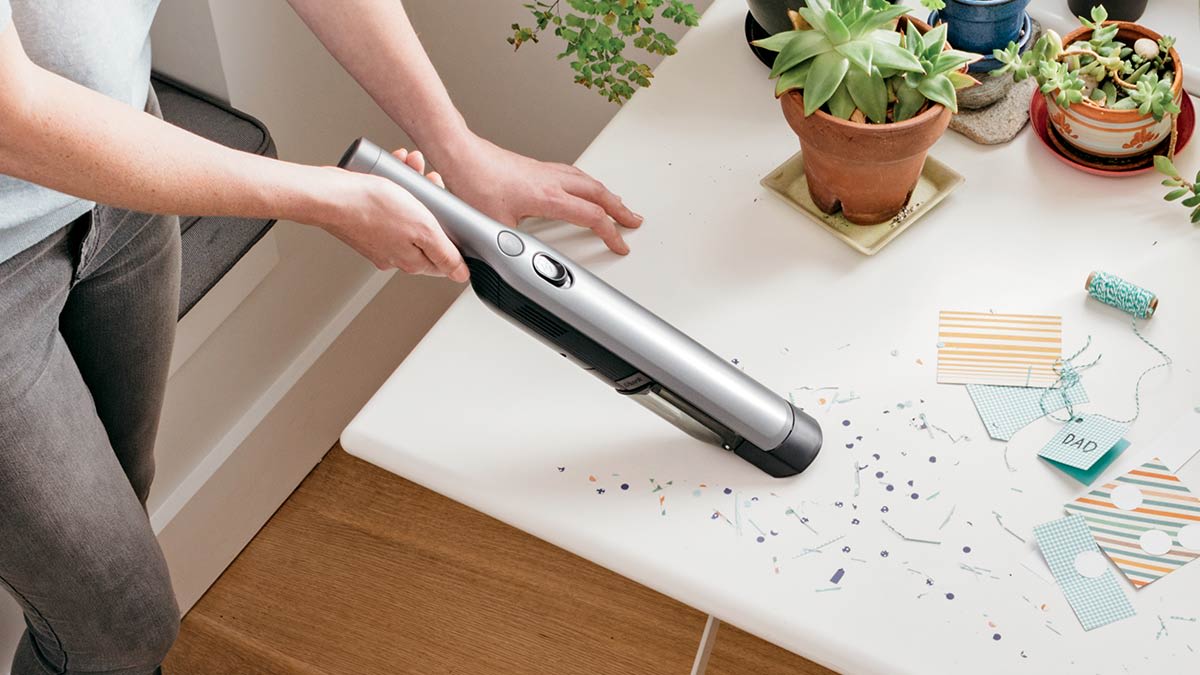
Key Features of a Good Handheld Vacuum Cleaner
Suction power
Suction power determines how well a handheld vacuum picks up dirt. Strong suction helps remove sand from car mats, crumbs from upholstery, and hair from rugs.
However, suction figures can be hard to compare. Some brands list air watts, while others list motor speed or voltage. These numbers do not always show how the vacuum performs in real use.
Look for a model that can pick up both fine dust and larger particles. A narrow nozzle may improve suction at the tip, while a wide opening may collect larger crumbs more easily.
Battery life
Most cordless handheld vacuums run for about 10 to 30 minutes, depending on the model and power setting. A short run time may be fine if you only clean small spills.
Choose a longer battery life if you plan to clean a car, stairs, several rooms, or pet hair from multiple surfaces. High-power modes often drain the battery much faster than standard modes.
Check these battery details before buying:
• Normal run time
• Maximum-power run time
• Charging time
• Battery replacement cost
• Whether the battery is removable
• Whether the vacuum can run while charging
A good handheld vacuum cleaner should finish your usual task without forcing you to stop halfway through. If you often clean larger areas, a removable battery can be a major advantage.
Weight and comfort
A handheld vacuum can feel light in a product description but tiring after five minutes of use. Weight matters most when you clean stairs, curtains, ceilings, or the inside of a car.
Look for a handle that keeps the weight close to your wrist. A balanced vacuum is easier to control than one with a heavy motor at the front.
During hands-on testing, I pay close attention to the trigger and grip. A stiff trigger can cause hand strain, especially when cleaning for several minutes. A power button that stays on without constant pressure is often more comfortable.
Dust bin size
A small dust bin keeps the vacuum compact, but it may need frequent emptying. This is not a serious problem for quick kitchen spills, yet it becomes annoying when collecting pet hair or cleaning a vehicle.
A good dust bin should:
• Hold enough dirt for your normal cleaning session
• Show when it is full
• Open without scattering debris
• Be easy to rinse if the manufacturer allows it
• Keep dust away from the filter as much as possible
Never assume a larger bin is always better. A large bin can add weight. Choose the size that matches your cleaning habits.
Filtration
Filtration keeps collected dust inside the vacuum instead of sending it back into the room. This matters for people with allergies, asthma, pets, or sensitivity to fine dust.
Many handheld models use washable filters. Some use a multi-stage system, and others include a high-efficiency filter. Terms can vary by brand, so read the product details carefully.
A good filter system does not remove the need for maintenance. A clogged filter can reduce airflow and weaken suction. Clean or replace the filter according to the instructions.
Attachments
The right tool can make a basic handheld vacuum much more useful. You do not need a large tool kit, but a few practical attachments can help.
Useful attachments include:
• A crevice tool for gaps beside car seats and appliances
• A soft brush for vents, shelves, and delicate surfaces
• A motorized brush for upholstery and pet hair
• An extension hose for hard-to-reach spaces
• A wide nozzle for crumbs and larger debris
Avoid paying extra for tools you will store in a drawer. A good handheld vacuum cleaner with two useful attachments may perform better for you than a model with eight rarely used accessories.

Cordless vs. Corded Handheld Vacuums
Cordless handheld vacuums are the most popular choice because they are quick to grab and easy to carry. They work well for small spills, car cleaning, stairs, and spot cleaning.
Their main limits are battery life and charging time. Battery performance may also decline after years of use, although the exact life depends on the battery type, charging habits, and use.
Corded handheld vacuums provide continuous power. They can be useful in a workshop, garage, or home with a convenient outlet. The cord may also allow stronger and longer cleaning sessions.
Here is a simple comparison:
| Feature | Cordless model | Corded model |
|---|---|---|
| Convenience | Very high | Moderate |
| Run time | Limited by battery | Continuous |
| Power consistency | May drop as battery drains | Usually steady |
| Storage | Easy | Requires cord storage |
| Car cleaning | Very convenient | Needs an outlet or extension cord |
| Best use | Quick household tasks | Long or repeated cleaning |
For most homes, cordless is the better fit. A corded model may be smarter if you clean for long periods or dislike battery charging.
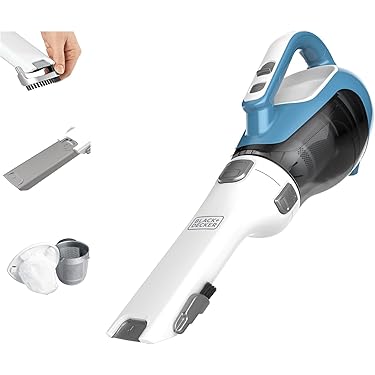
Choosing a Handheld Vacuum for Different Jobs
For crumbs and kitchen messes
Choose a compact model with a wide opening and an easy-to-empty bin. It should pick up dry cereal, rice, flour, and crumbs without clogging.
Do not use a normal handheld vacuum for wet spills unless it is specifically designed for wet and dry cleaning. Water can damage the motor and create a hygiene problem.
For pet hair
Pet hair often clings to fabric through static and friction. Suction alone may not be enough.
A motorized brush can lift hair from sofas, pet beds, rugs, and car seats. Look for a brush that is easy to remove and clear because long hair can wrap around the roller.
If your home has several pets, a good handheld vacuum cleaner should also have strong filtration. Pet dander is small, and a poor filter may release it back into the air.
For car cleaning
A car vacuum needs more than high suction. It should reach under seats, between consoles, and into narrow gaps.
The most useful car-cleaning features are:
• A crevice tool
• A flexible hose or extension tube
• A strong battery
• A bright light for dark spaces
• A washable filter
• A compact shape
A model with a wall charger may be convenient at home, but a USB charging option can help if you want to charge it in a vehicle. Always check voltage and charging compatibility before using an adapter.
For stairs
Stairs need a lightweight vacuum with a comfortable grip. A bulky model can be difficult to control on narrow steps.
A brush attachment helps remove dust from carpet fibers. A long run time is useful if you clean the entire staircase in one session.
For workshops and garages
Workshop debris can include sawdust, metal shavings, and larger particles. Choose a tougher model with a larger bin and a filter designed for fine dust.
Do not use a household handheld vacuum to collect hot ash, sharp glass, flammable liquids, or hazardous material. These substances can damage the machine or create a safety risk.
:max_bytes(150000):strip_icc()/faw-product-shark-ultra-cyclone-pro-cordless-handheld-vacuum-ch901-amazon-dburreson-007-1-c7a5220db686402fb18fe15373af6381.jpeg)
How to Compare Handheld Vacuum Cleaners
When comparing models, use your own cleaning needs as the starting point. A premium vacuum may be unnecessary for someone who only removes crumbs from a table.
Use this step-by-step method:
-
List the surfaces you plan to clean.
-
Note whether you need to collect pet hair, fine dust, or large crumbs.
-
Estimate how long each cleaning session lasts.
-
Check the vacuum’s real-world run time, not only its maximum rating.
-
Compare weight, handle design, and trigger comfort.
-
Inspect the bin, filter, and charging system.
-
Read user feedback about battery life and long-term reliability.
-
Check the warranty and replacement filter cost.
-
Confirm that the attachments match your needs.
-
Buy from a seller with a clear return policy.
This method prevents a common mistake: choosing a vacuum based only on motor power. A good handheld vacuum cleaner must work well in your home, not just look impressive on a product page.