How Do I Make Turkish Coffee: Easy Step-By-Step Guide
Turkish coffee is made by simmering finely ground coffee, cold water, and sugar in a cezve until rich foam forms.
Learning how do I make Turkish coffee is simple, but small details matter. The grind must be powder-fine, the heat must stay low, and the coffee should never reach a hard boil. This guide explains the traditional method, common mistakes, serving customs, and easy ways to adjust the recipe at home.
What Is Turkish Coffee?
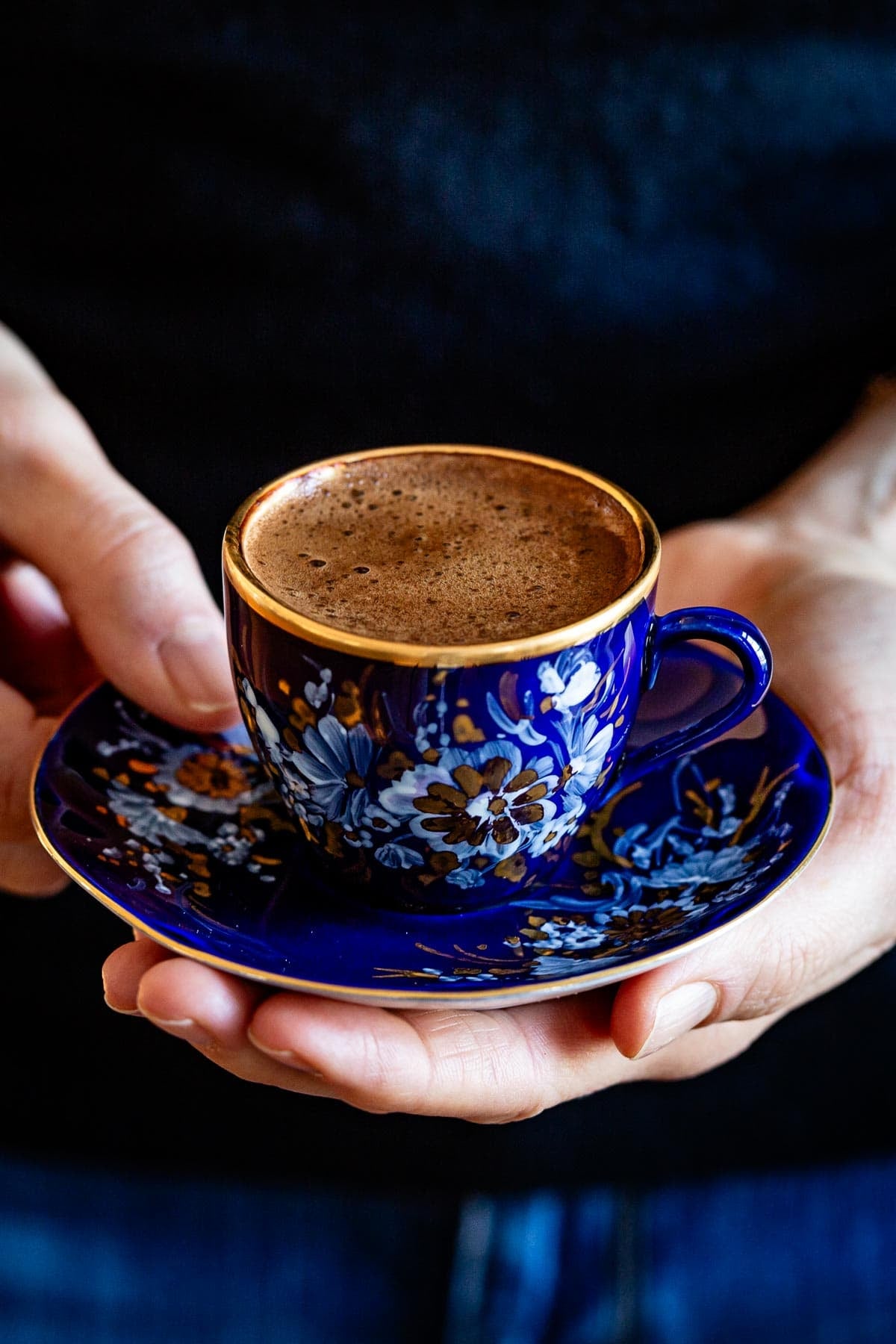
Turkish coffee is a small, strong drink made with very finely ground coffee. The coffee grounds are not filtered out. Instead, they settle at the bottom of the cup after brewing.
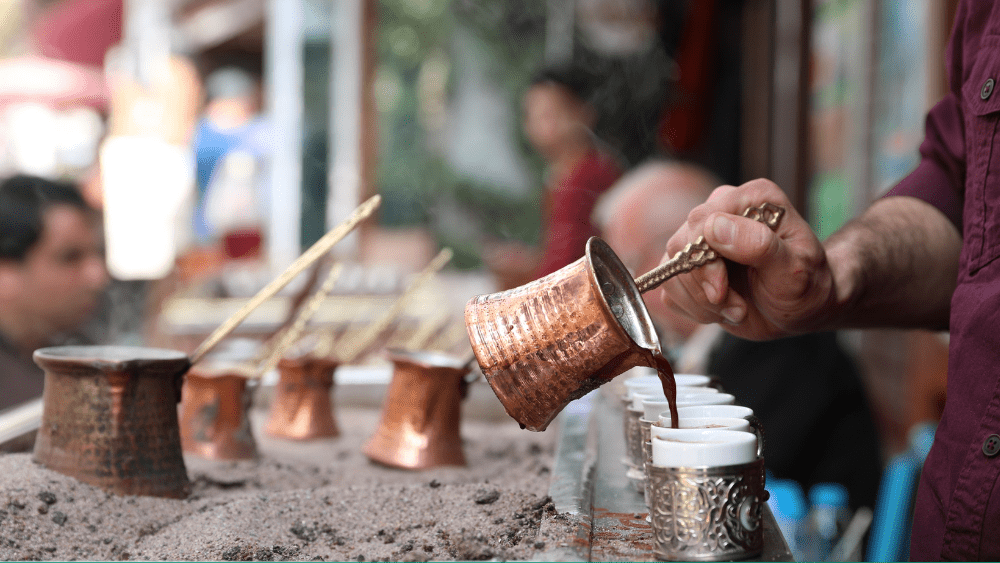
The drink is prepared in a small pot called a cezve or ibrik. A cezve is often made from copper or stainless steel, with a long handle that helps protect your hand from the heat.
Unlike drip coffee, Turkish coffee is brewed with the grounds still in the water. This creates a thick body, deep aroma, and light foam on top. Cardamom is sometimes added, although it is not required in the basic Turkish coffee method.
The tradition is closely linked with hospitality in Turkey and nearby regions. Coffee is often served with a glass of water and a small sweet, such as Turkish delight or chocolate.

Ingredients and Equipment for Turkish Coffee
Before learning how do I make Turkish coffee, gather the right ingredients and tools. The recipe is short, but quality makes a clear difference.
Ingredients for one serving
• 1 demitasse cup of cold water, about 2.5 to 3 fluid ounces
• 1 heaping teaspoon of Turkish coffee, about 5 to 7 grams
• Sugar, if desired
• A small pinch of ground cardamom, optional
Equipment
• A cezve or small narrow saucepan
• A teaspoon for stirring
• A small Turkish coffee cup or espresso cup
• A heat-safe spoon
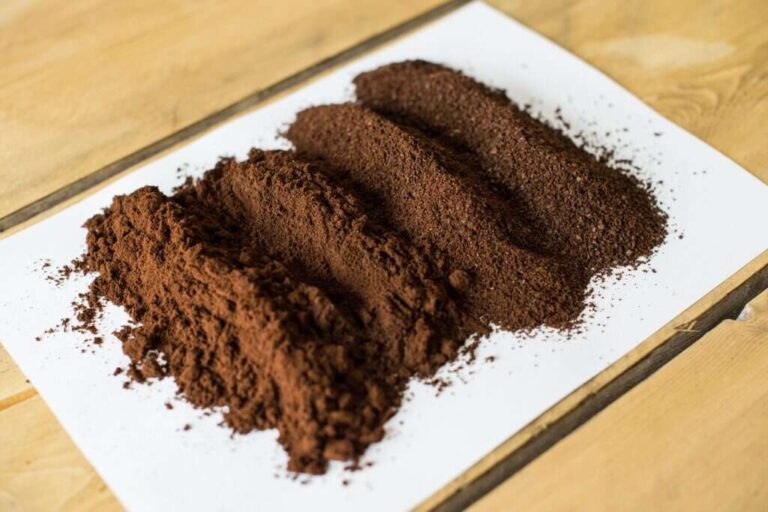
Use coffee ground for Turkish brewing. It should look almost like flour or cocoa powder. Regular espresso grounds are usually too coarse and will not produce the same texture.
Freshly roasted coffee can taste bright and fragrant, but a medium or medium-dark roast often works well. A lighter roast may bring more fruit and acidity. A darker roast gives a stronger, more bitter cup.
For the best results, use cold filtered water. Water with a clean taste allows the coffee aroma to stand out.
How Do I Make Turkish Coffee Step by Step?
The classic method is easy once you understand the heat. The goal is to build foam slowly without boiling the coffee.
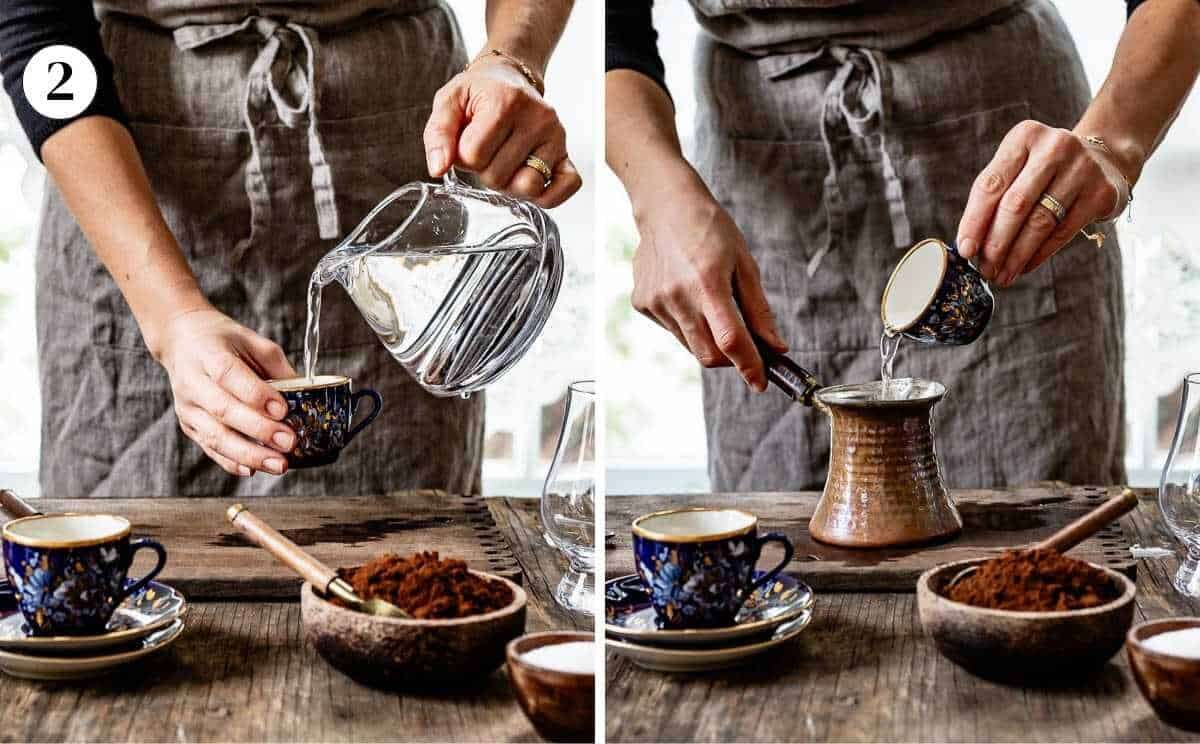
1. Measure the water
Pour one small cup of cold water into the cezve. Use the cup you plan to serve from as your measuring tool.
This method gives you the correct serving size and prevents waste. Turkish coffee is usually served in a small portion, not a full mug.
2. Add the coffee and sugar
Add one heaping teaspoon of finely ground coffee for each serving. Add sugar before heating because Turkish coffee is not normally sweetened after brewing.
Use these sugar levels as a guide:
• Unsweetened: no sugar
• Slightly sweet: ¼ teaspoon
• Medium sweet: ½ to 1 teaspoon
• Very sweet: 1½ to 2 teaspoons
Add cardamom now if you want a spiced version. A small pinch is enough, since cardamom can quickly dominate the coffee.
3. Stir while the coffee is cold
Stir the coffee, water, sugar, and cardamom until the mixture looks smooth. This helps spread the coffee evenly before heat changes its texture.
Once the cezve is on the stove, avoid constant stirring. Too much movement can reduce the foam.
4. Heat the cezve slowly
Place the cezve over low to medium-low heat. Watch the surface as the coffee warms.
Foam will begin to collect around the edges. The coffee may rise slowly, almost like a small dark cloud lifting in the pot.
5. Remove it before it boils
When the foam rises toward the top, remove the cezve from the heat. Do not let the coffee boil over.
Traditional Turkish coffee is often heated two or three times. After the foam rises, remove the pot, let it settle for a few seconds, and return it briefly to the heat. Repeat once or twice if you want a fuller texture.
6. Pour the foam first
Spoon a little foam into each cup, if desired. Then pour the coffee slowly so the foam remains on top.
Pouring gently also helps keep the grounds inside the cezve rather than sending them into the cup.
7. Let the coffee rest
Wait about one minute before drinking. This gives the fine grounds time to settle at the bottom.
Take small sips. The final mouthful may contain settled grounds, so stop when you feel the texture become thick or gritty.
The Best Coffee-to-Water Ratio
A reliable starting ratio is one heaping teaspoon of coffee for one small cup of water. In weight, this is about 5 to 7 grams of coffee for 70 to 90 milliliters of water.
You can adjust the ratio to suit your taste:
• For a lighter cup, use one level teaspoon.
• For a stronger cup, use one heaping teaspoon.
• For two servings, use two small cups of water and two teaspoons of coffee.
Do not fill the cezve too high. Coffee expands as it heats, and an overfilled pot can spill quickly. Leave enough space for the foam to rise.
When I test how do I make Turkish coffee, I find that weighing the coffee gives more consistent results. A teaspoon can hold different amounts depending on the grind and how tightly it is packed.

How to Get Thick Foam on Turkish Coffee
Foam is one of the most recognizable features of Turkish coffee. It also shows that the coffee was heated with care.
Try these tips:
• Use coffee ground specifically for Turkish brewing.
• Start with cold water.
• Use a clean cezve without oil or soap residue.
• Heat the coffee slowly.
• Avoid vigorous stirring after heating begins.
• Remove the cezve as soon as the foam rises.
• Pour slowly into the cup.
Fresh coffee often produces better foam because its natural gases and oils are still present. However, very fresh coffee can sometimes create uneven foam. Coffee rested for several days after roasting may be easier to brew.
A narrow cezve helps concentrate the foam. A wide pan spreads the coffee too thin and makes the foam harder to build.
Avoid using an electric kettle for the water. Hot water can speed up the process, but it makes it harder to develop the classic foam and texture.

Common Mistakes When Making Turkish Coffee
Many problems come from heat, grind size, or incorrect measurements. These simple fixes can improve your next cup.
Letting the coffee boil hard
A hard boil can destroy the foam and make the coffee taste harsh. Remove the cezve when the foam rises, before large bubbles break across the surface.
Using coarse coffee
Coarse grounds sink poorly and produce a weak, watery drink. Turkish coffee needs an extra-fine grind that feels almost silky between your fingers.
Adding sugar too late
Sugar does not dissolve as evenly when added after brewing. Add it with the coffee and water at the start.
Using too much water
A large mug of water changes the drink into something closer to regular coffee. Use a small cup to measure each serving.
Stirring too much
Stirring after the coffee starts heating can break the foam. Stir well at the beginning, then let the coffee heat calmly.
Pouring too quickly
A fast pour can send foam and grounds into the cup unevenly. Pour in a slow, steady stream.
Drinking immediately
The grounds need time to settle. Waiting about one minute makes the drink smoother and more enjoyable.
The biggest lesson in how do I make Turkish coffee is patience. The coffee takes only a few minutes, but rushing those minutes usually leads to weak foam or burnt flavor.

Turkish Coffee Variations to Try
The traditional recipe is delicious on its own, but you can make small changes.
Cardamom Turkish coffee
Add a pinch of ground cardamom before heating. This creates a warm, floral taste that is common in several regional coffee traditions.
Mastic coffee
A very small amount of ground mastic can add a pine-like aroma. Use it carefully because its flavor is strong.