How To Make Coffee Without Grinder Using Whole Beans: Tips
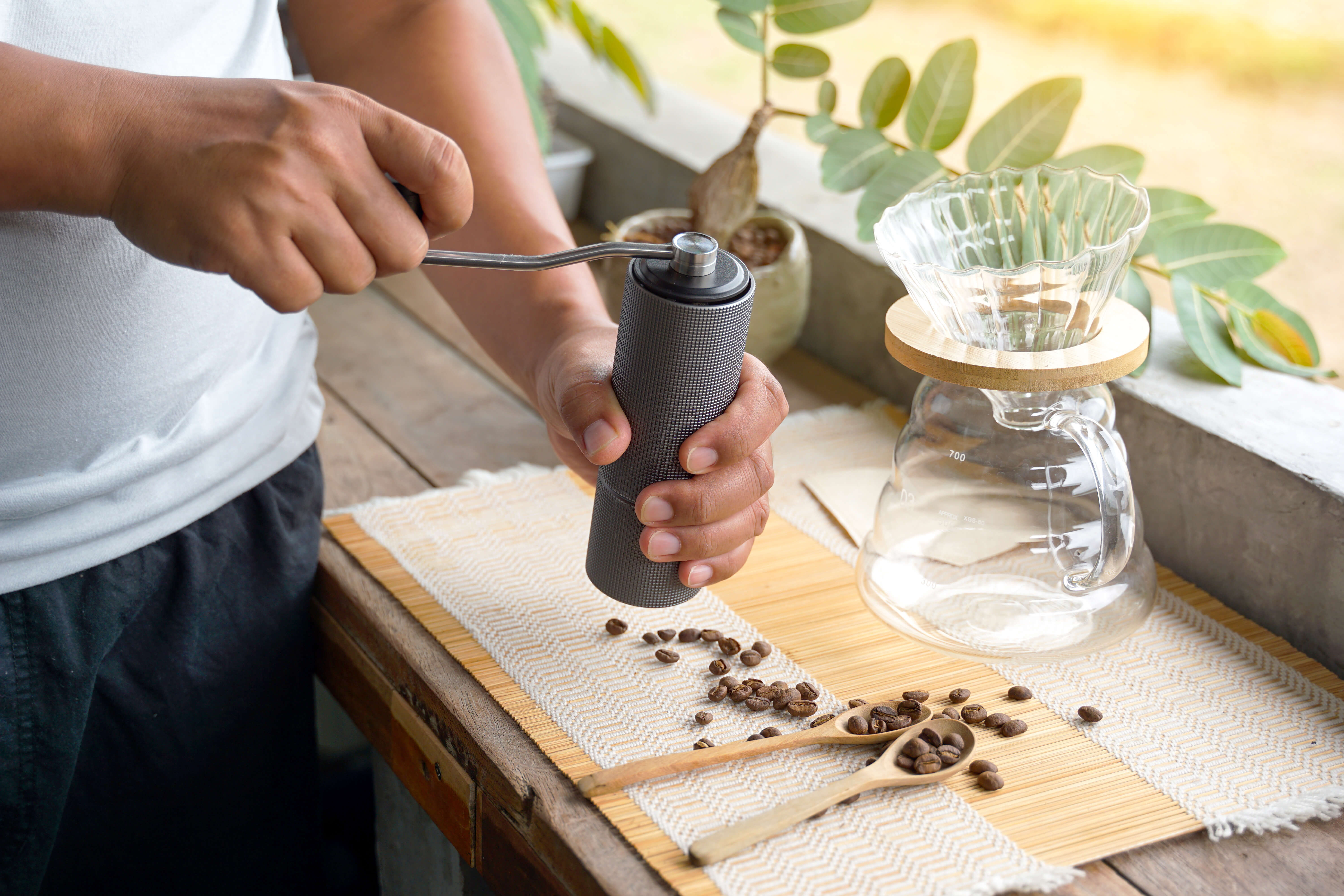
Crush whole beans with simple tools like a mortar, rolling pin, or blender.
I know this topic well. I have brewed thousands of cups and tested many hacks. In this guide I show clear, tested ways for how to make coffee without grinder using whole beans. You will learn safe methods, step-by-step recipes, and real tips I learned from trial and error. Read on to get tasty coffee even when a grinder is not available.
Why grind size matters and what changes without a grinder
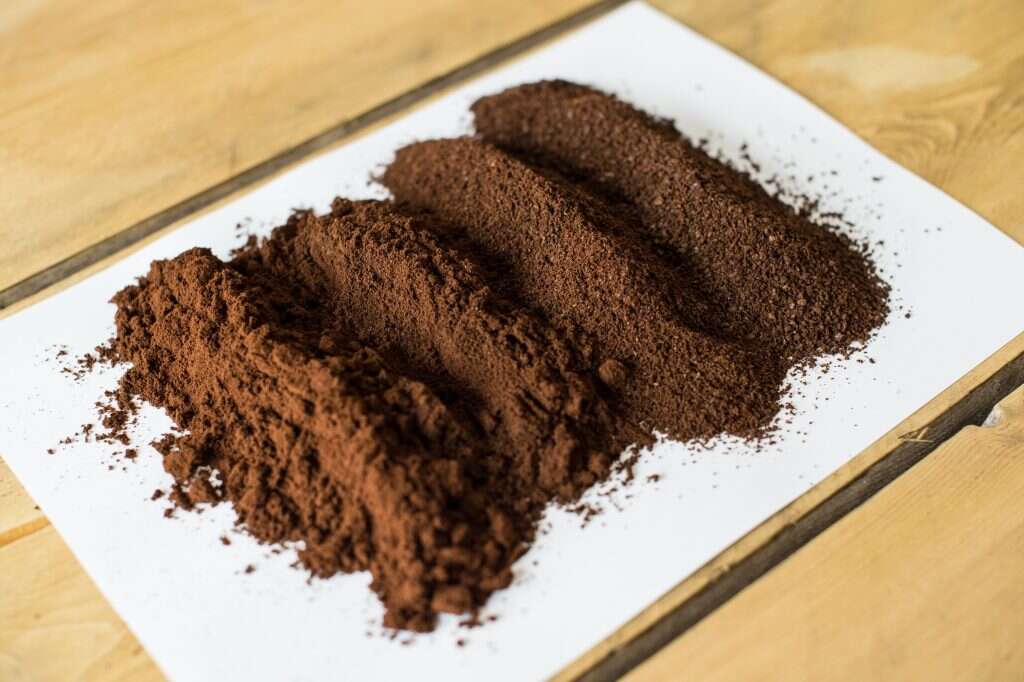
Coffee flavor starts with grind size. Grind controls how fast water extracts oils and acids from beans. Too fine yields bitter over-extraction. Too coarse gives weak, sour coffee.
When you learn how to make coffee without grinder using whole beans, you must match your makeshift grind to the brew method. Coarse for French press. Medium for drip and pour-over. Fine for Moka pots. Espresso needs very fine, which is hard to get without a proper grinder.
Expect some variation in particle size when you use home tools. That can mean uneven extraction. You can reduce this by sifting or grinding in small batches. Small changes make a big taste difference.

Practical methods for how to make coffee without grinder using whole beans
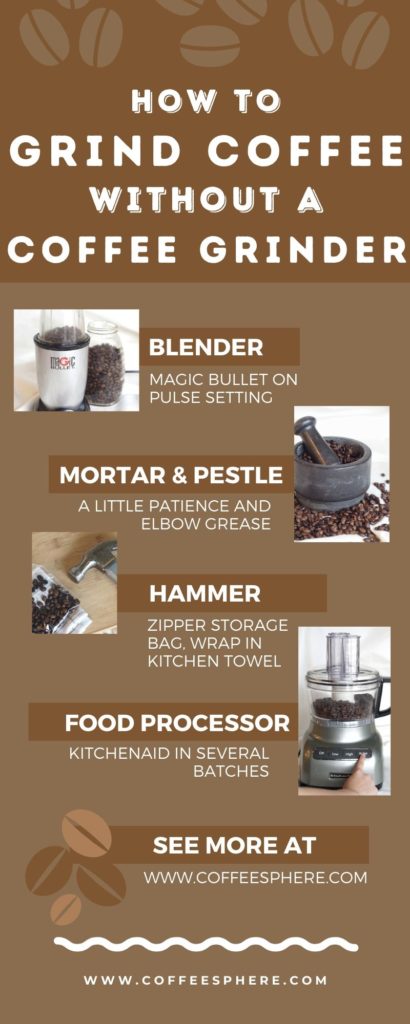
Here are reliable ways I use and recommend. Each method includes steps, expected grind, pros, and cons.
-
Mortar and pestle:
Steps: Put beans in mortar. Pound gently, then grind in a circular motion. Stop and check texture often.
Grind result: Medium to coarse, depending on time.
Pros: Great control. Low noise.
Cons: Time consuming for many cups. -
Rolling pin or bottle:
Steps: Put beans in a zip-top bag. Wrap in towel. Roll or press firmly, then go back and forth until desired size.
Grind result: Coarse to medium.
Pros: Fast for larger amounts. Easy cleanup.
Cons: Some shards and uneven pieces. -
Blender or food processor:
Steps: Pulse in short bursts of 1–2 seconds. Shake between pulses. Check often to avoid overheating.
Grind result: Medium to fine, if careful.
Pros: Fast and common appliance.
Cons: Risk of heat and overgrind. -
Hammer or meat mallet (in bag):
Steps: Place beans in a strong bag. Flatten with panel of hammer. Use taps, not full swings.
Grind result: Coarse to medium.
Pros: Works with no special tools.
Cons: Mess risk; be gentle to avoid bag tears. -
Knife or cleaver chopping:
Steps: Spread beans on cutting board. Chop with a sharp knife, rocking blade to crush. Gather and chop again.
Grind result: Medium coarse.
Pros: Good if you like manual control.
Cons: Time and board can get scratched. -
Cheese grater:
Steps: Rub beans against the large-hole side like grating a vegetable. Collect grounds.
Grind result: Fine to medium-fine pieces and dust.
Pros: Good for small amounts for stovetop espresso alternatives.
Cons: Hard on fingers and uneven.
Tips for all methods:
- Clean and dry tools before use.
- Work in small batches for more even results.
- Aim for consistent particle size based on brew method.
Brewing recipes and matching grind sizes
Match the makeshift grind to a brew method. Below are simple recipes I use often.
-
French press — coarse grind:
Ratio: 1:15 (1 g coffee to 15 g water).
Temp: 200°F (93°C).
Time: 4 minutes steep.
Method notes: Use mortar or rolling pin for coarse grind. Stir at 30 seconds, then place plunger and press slowly. -
Pour-over / drip — medium grind:
Ratio: 1:16.
Temp: 200°F (93°C).
Time: 2.5–3.5 minutes brew.
Method notes: Use blender pulses or rolling pin. Pour in steady circles for even extraction. -
Moka pot or AeroPress alternative — medium-fine grind:
Ratio: Moka uses about 1:10 to 1:12; AeroPress shorter recipes vary.
Temp: Near boiling in source water.
Time: Moka 3–5 minutes; AeroPress 1–2 minutes.
Method notes: Cheese grater or quick blender pulses work best to reach finer size. -
Cold brew — very coarse:
Ratio: 1:8 to 1:10 for concentrate.
Time: 12–24 hours steep in cold water.
Method notes: Rolling pin or mortar for coarse chunks. Coarse grounds reduce bitterness and over-extraction.
I have successfully used each of these recipes after preparing grounds without a grinder. Adjust times and ratios to taste.

Tips, storage, and mistakes to avoid
Small choices matter. These tips will help you make the most of how to make coffee without grinder using whole beans.
- Roast fresh then grind: Grind just before brewing for best flavor. Whole beans stay fresh longer than ground coffee.
- Measure by weight: Use a kitchen scale for repeatable results.
- Watch the heat: Blenders can heat beans. Pulse and pause to avoid burning.
- Sift out fines: Use a fine mesh sieve to remove dust and fines for more even extraction.
- Clean often: Leftover oils and grounds can go stale and taste bad over time.
- Store beans properly: Keep beans in an airtight container away from light, heat, and moisture.
Common mistakes to avoid:
- Overgrinding in blender; results in bitter coffee.
- Trying to make espresso-level fine grind with a hammer or rolling pin; it rarely works.
- Skipping tasting tests; small tweaks change the cup a lot.

Personal experience and what I learned
I once had a week-long trip without my grinder. I used a rolling pin and a cloth bag for five mornings. The coffee surprised me. It was not identical to my grinder cups, but it was rich and drinkable. Key lessons I learned:
- Small batches improve consistency.
- Pulsing a blender and shaking between pulses yields a more uniform grind.
- Sifting makes a big difference for pour-over clarity.
One mistake I made early on was overpacking the mortar. That made my arms sore and gave uneven pieces. Now I work in small portions and enjoy the process as part of the morning ritual.
:max_bytes(150000):strip_icc()/How-to-Grind-Coffee-Without-a-Grinder-3x2-1-cb7169c257894b75a485ff898d34740b.jpg)
Frequently Asked Questions of how to make coffee without grinder using whole beans
How fine should I grind whole beans without a grinder?
Aim for a texture that matches your brew method. Coarse for French press, medium for pour-over, and medium-fine for Moka or AeroPress. Try small test batches to dial it in.
Can I get espresso without a grinder?
True espresso needs a very fine, uniform grind and high pressure. It is very hard to achieve that without a proper grinder, so results will fall short of cafe-style espresso.
Is blender grinding safe for beans?
Yes, if you pulse in short bursts. Avoid long runs that heat the beans. Heat can reduce aroma and alter flavor.
How long do beans stay fresh after I grind them without a grinder?
Ground coffee loses peak freshness within 15–30 minutes for aroma, but remains usable for several hours to a day. For best flavor, grind right before brewing.
What tool gives the most consistent results without a grinder?
Mortar and pestle offers the best control. A food processor or blender can be faster but needs careful pulsing to avoid very uneven particles.
Conclusion
You can make great coffee even when you don’t have a grinder. Use simple tools, match grind size to brew method, and taste as you go. Try the mortar, rolling pin, or blender approaches I describe, and adjust grind and brew times to suit your palate. Start with one method today, keep notes on what works, and share your favorite hack in the comments or subscribe to get more practical coffee tips.

Liora Pennings is a seasoned chef and kitchen enthusiast with a passion for turning everyday cooking into an effortless experience. With years of hands-on culinary expertise, she specializes in practical techniques, ingredient know-how, and smart kitchen solutions that help home cooks elevate their meals. At KitchFlair.com, Liora shares her best tips, time-saving tricks, and honest product reviews to guide readers toward a more efficient, enjoyable, and inspired cooking routine. Whether you’re a beginner or a seasoned home chef, Liora’s friendly, knowledge-packed insights make every visit to the kitchen a little easier—and a lot more delicious.