How To Test Vacuum Cleaner Suction Power Without Tools: Pro
You can test vacuum suction power at home fast, safely, and without any tools.
I’ve spent years fixing and testing vacuums for friends and clients. I know how to test vacuum cleaner suction power without tools in clear, practical steps you can do now. This guide shows simple checks, what results mean, and quick fixes you can try at home. Read on to learn reliable, no-tool ways to measure suction and decide whether your vacuum needs care or a pro.

How to test vacuum cleaner suction power without tools: quick checks
These quick checks give a real feel for suction. Do each test for a few seconds. Repeat tests with the dustbin or bag empty for fair comparison.
- Tissue pull test: Hold a single sheet of toilet paper or tissue over the hose or nozzle. Good suction will pull the paper flat and hold it firmly. Weak or fluttering suction means reduced airflow.
- Paper strip lift: Fold a paper towel into a thin strip. Place it on the floor and pass the nozzle over it. Note how high and how long the strip lifts.
- Coin or lightweight item test: Try to lift a light coin or small plastic lid with the nozzle. Only use items that won’t get stuck. This shows raw lift strength.
- Hand feel test: Place your palm a few inches from the nozzle and feel airflow. Strong, steady airflow near the opening suggests good suction.
- Hose blockage check by ear and feel: Run the vacuum and listen for odd sounds. Put your hand near bends and listen for rattles or whistling that hint at blockages.
I recommend doing two or three of these checks to get a clear picture of performance. In my experience, the tissue pull test and paper strip lift together are the fastest and most consistent.
Step-by-step home tests you can do right now
Follow these short steps for repeatable results. Test twice: once with an empty bin and once with a full bin if you want a comparison.
- Empty or replace the bag and clean filters. A clogged filter skews results.
- Seal brush roll if needed. For canisters and stick vacuums, remove or cover the brush head so you measure raw suction.
- Do the tissue pull test and note how long the tissue stays attached.
- Do the paper strip lift and measure how high the strip rises. Try to be consistent with speed.
- Use the hand feel test to check airflow around the nozzle.
- Compare with a newer vacuum if available. The contrast helps you see if power is low.
Keep notes. Write short observations like “tissue held 5 sec” or “paper lifted 1 inch.” Simple numbers help you track trends over time. I once tracked an older upright and saw suction drop after a month; the paper strip went from 2 inches to 0.5 inch. That told me the filter needed cleaning.

How to interpret results and common fixes
A few quick signs tell you what’s wrong and how to act.
- Tissue clings strongly: Suction is likely fine. Look for brush or floorhead issues if cleaning is poor.
- Tissue flutters or falls: Airflow is weak. Check for clogs, full bin, or dirty filters.
- Paper barely lifts: There may be a major blockage or a failing motor.
- Strong airflow at nozzle but poor carpet cleaning: Brush roll may be worn or drive belt could be loose.
Simple fixes you can try without tools:
- Empty the bin or swap the bag.
- Shake out and rinse washable filters per the manual.
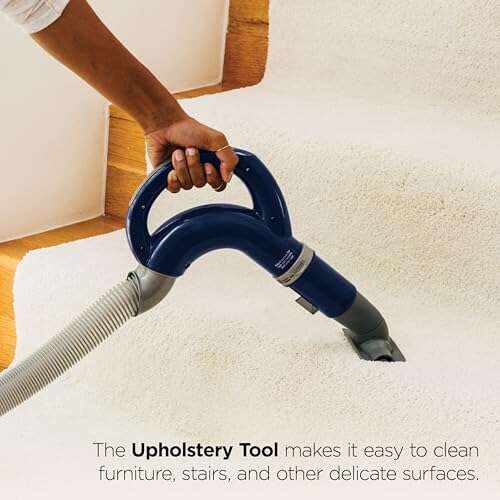
- Check the hose and wand by sight and feel; remove visible clogs by hand.
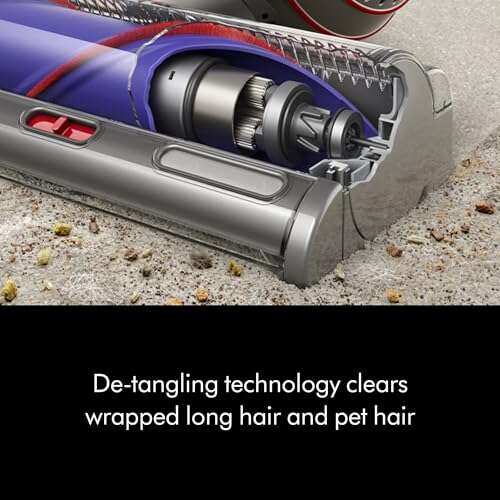
- Clean the nozzle and remove hair wrapped on the brushroll.
If fixes don’t help, the issue could be a torn hose, broken seals, or motor problems that need a technician. I once cleared a stubborn clog with just my fingers and a flashlight. That brought suction back to normal and taught me to check the hose first.

Causes of low suction you can check at home
Knowing the common causes lets you target fixes faster. These are the most frequent reasons suction drops.
- Full dustbin or full bag. This reduces airflow quickly.
- Dirty or clogged filters. HEPA or foam filters trap fine dust and slow air.
- Hose or wand obstruction. Small toys, debris, and clumps block flow.
- Blocked floorhead or brushroll. Tangled hair and fibers cut performance.
- Loose seals or cracks. Air leaks around fittings reduce effective suction.
- Worn belts or brush drive. The motor may run but the brush won’t agitate carpet.
When I troubleshoot, I follow this checklist. It saves time and prevents unnecessary repair costs. Often the fix is simple and free.
Tips, safety, and best practices for no-tool testing
Keep tests safe and repeatable. Use these tips to avoid damage or injury.
- Turn the vacuum off before you reach inside hoses or the brush area.
- Don’t use metal objects to clear a hose. Use hands or flexible plastic items.
- Avoid small items that could jam the fan or motor.
- Test on the same surface and speed to compare results accurately.
- Note ambient conditions. Wet debris will behave differently from dry.
A clear, calm testing routine avoids mistakes. When in doubt, consult the manual or a repair pro.

When to call a pro or use diagnostic tools
No-tool tests are great. But sometimes you need diagnostics or service.
- If suction tests fail after cleaning filters and removing clogs, consider professional service.
- Strange smells, smoke, or loud grinding needs immediate shutoff and repair.
- If you suspect motor failure or internal seal damage, a technician can measure inches of water lift or airflow with proper tools.
I recommend professional help for complex fixes. A pro can run formal tests and replace motors or belts safely.

People also ask
Q: How quickly can I test suction at home?
A: Most no-tool tests take two to five minutes. Do a tissue and paper lift test for a clear snapshot.
Q: Will cleaning filters fix weak suction?
A: Often yes. Cleaning or replacing clogged filters restores airflow in many cases.
Q: Can a full bag or bin reduce suction by a lot?
A: Yes. A full bag or bin restricts airflow and can cut suction dramatically.
Q: Are brush issues the same as suction problems?
A: Not always. Good suction can exist with a worn brush. Check both suction and brush function separately.
Q: Is it safe to remove clogs by hand?
A: Yes, if the vacuum is unplugged. Reach in carefully and avoid sharp objects.
Frequently Asked Questions of how to test vacuum cleaner suction power without tools
What is the easiest no-tool test for suction power?
The tissue pull test is the easiest. Hold a tissue over the nozzle; strong suction holds it flat.
How long should a tissue stay on the nozzle during the test?
If suction is good, the tissue should stay for several seconds without fluttering. Short holds suggest reduced airflow.
Can I use a coin or small object to test suction?
Yes, small lightweight items can show lift strength. Use nonmetal pieces that won't jam the hose.
Will washing filters always restore suction?
Not always. Washing often helps, but very old or damaged filters may need replacement to restore full suction.
How often should I run these no-tool tests?
Check suction monthly if you vacuum often, or whenever cleaning quality drops. Regular checks prevent big problems.
Conclusion
Testing how to test vacuum cleaner suction power without tools is simple and effective. Use the tissue, paper strip, and hand-feel tests to get a clear sense of airflow. Clean filters, empty bins, and clear obvious clogs first. If no-tool checks still show weak suction, seek professional help.
Take action today: try the quick tests, note results, and fix what you can. If you found this guide helpful, leave a comment or subscribe for more easy home appliance tips.

Liora Pennings is a seasoned chef and kitchen enthusiast with a passion for turning everyday cooking into an effortless experience. With years of hands-on culinary expertise, she specializes in practical techniques, ingredient know-how, and smart kitchen solutions that help home cooks elevate their meals. At KitchFlair.com, Liora shares her best tips, time-saving tricks, and honest product reviews to guide readers toward a more efficient, enjoyable, and inspired cooking routine. Whether you’re a beginner or a seasoned home chef, Liora’s friendly, knowledge-packed insights make every visit to the kitchen a little easier—and a lot more delicious.