Can You Make Coffee With Distilled Water: The Truth
Yes, you can make coffee with distilled water, but added minerals usually improve flavor and extraction.
As a coffee writer and home brewer, I have tested distilled water in drip machines, pour-over brewers, and espresso makers. The coffee is safe to drink, but it can taste thin or flat because distilled water contains almost no minerals. This guide explains how water chemistry affects coffee, when distilled water works well, and how to improve the cup without damaging your coffee equipment.

Can You Make Coffee With Distilled Water?
Yes, you can make coffee with distilled water. Distillation removes minerals, salts, and many impurities from water through boiling and condensation. The result is very pure water with a very low mineral content.
Coffee still brews because hot water dissolves compounds from ground beans. However, minerals help water pull flavor from coffee. Without them, extraction may be weaker and the final drink may taste dull, light, or hollow.
The answer to “can you make coffee with distilled water” is different from “will distilled water make the best coffee?” It can brew coffee, but it may not produce the richest or most balanced flavor.
In my own testing, distilled water worked well when I wanted a clean cup with very little mineral taste. Yet the same coffee beans often tasted sweeter and fuller when brewed with lightly mineralized water.

How Distilled Water Affects Coffee Flavor
Water is more than a neutral ingredient. It acts as the solvent that pulls acids, sugars, oils, and aroma compounds from coffee grounds.
Distilled water has almost no dissolved minerals. That changes the way coffee extracts during brewing.
Common flavor results include:
• A light or weak body
• Less sweetness
• A sharper or more noticeable acidity
• Fewer layers of flavor
• A flat or empty finish
This does not happen with every coffee bean or brewing method. A dark roast may still taste strong in distilled water, while a delicate light roast may seem especially thin.
The effect also depends on grind size, water temperature, brew time, and coffee-to-water ratio. A well-adjusted recipe can reduce the problem, but it cannot fully replace the role of minerals.
Think of minerals as small tools that help water pick up flavor. Distilled water has the water, but it lacks many of those tools.

Why Minerals Matter in Coffee Brewing
Several minerals affect coffee extraction, but hardness minerals and alkalinity are especially important.
Calcium and magnesium can help water extract flavor from coffee grounds. They influence body, sweetness, and the way acids appear in the cup. Bicarbonate and other forms of alkalinity help balance coffee acids.
Water that is too soft may produce coffee that tastes weak or sour. Water that is too hard may create scale and a heavy, bitter, or chalky taste.
Professional coffee water guidelines often place ideal brewing water in a moderate range. Common targets include:
• Total dissolved solids around 75 to 250 parts per million
• Moderate calcium and magnesium hardness
• Alkalinity near 40 parts per million
• A pH near neutral, often within about 6 to 8
These numbers are useful reference points, not strict rules for every coffee. Different beans and brewing methods can taste better with different water profiles.
Distilled water usually sits far below the mineral range preferred for balanced coffee extraction. That is why many coffee professionals use filtered water instead of fully distilled water.

Is Coffee Made With Distilled Water Safe?
For most healthy adults, coffee made with distilled water is safe to drink. Distilled water is purified water, and drinking it does not make coffee dangerous.
A common myth says that distilled water pulls minerals from the body. Normal meals provide minerals, and an occasional cup of coffee brewed with distilled water is not a health concern.
The bigger concern is taste and equipment performance. Distilled water may not provide the mineral balance that your coffee maker or espresso machine is designed to use.
You should still check your equipment manual. Some manufacturers recommend a certain water hardness range. Others warn against using water with no mineral content because sensors, boilers, or brewing systems may perform differently.
Also, do not confuse distilled water with water that has been purified but still contains minerals. Read the label carefully. “Purified” describes a treatment process, while “distilled” usually means the minerals have been removed through distillation.

Can Distilled Water Damage a Coffee Maker?
Distilled water does not automatically damage every coffee maker. However, using it as your only water source may not be ideal for all machines.
Very low-mineral water can be chemically different from ordinary tap water. In some systems, it may contribute to corrosion over a long period, especially when the water is heated repeatedly. The risk depends on the machine, its materials, its heating system, and the manufacturer’s design.
Some espresso machines also use conductivity to detect water levels. Extremely pure water can behave differently in machines that depend on electrical conductivity.
Before using distilled water regularly, check:
• The owner’s manual
• The manufacturer’s water hardness recommendations
• Any warranty restrictions
• The machine’s cleaning and descaling instructions
Distilled water can reduce scale buildup, which is a major benefit. Still, low scale does not mean zero maintenance. Coffee oils, residue, and bacteria can collect inside a brewer even when the water is pure.
Distilled Water vs. Filtered Water for Coffee
Filtered water is often a better everyday choice than distilled water. A good filter removes chlorine, odors, and some impurities while leaving enough minerals for extraction.
Here is a simple comparison:
| Water type | Coffee flavor | Scale risk | Best use |
|---|---|---|---|
| Distilled water | Clean but often thin | Very low | Occasional brewing or blending |
| Filtered tap water | Balanced and familiar | Low to moderate | Daily coffee |
| Spring water | Often full and sweet | Depends on mineral content | Brewing when the label shows moderate minerals |
| Hard tap water | Heavy or bitter | High | Usually needs filtration |
| Reverse-osmosis water | Very soft | Low | Best when minerals are added back |
Filtered water is not always better. Some filters remove nearly all minerals, while others mainly improve taste and odor. If possible, test your water or review the mineral information on the label.
For most home brewers, the best choice is clean water with moderate mineral content and no strong chlorine smell.

How to Improve Coffee Made With Distilled Water
If distilled water is your only option, you can still make a better cup. The simplest method is to add a controlled amount of minerals.
Blend distilled water with spring or filtered water
Mixing distilled water with mineralized water is an easy starting point. A 50/50 blend may taste better than pure distilled water, but the result depends on the mineral content of the second water.
Try these steps:
-
Brew the same coffee with pure distilled water.
-
Brew it again with a 50/50 blend of distilled and spring water.
-
Compare sweetness, body, acidity, and finish.
-
Adjust the blend to suit your beans.
Do not assume all spring water is suitable. Some brands are very hard and can leave scale in an espresso machine.
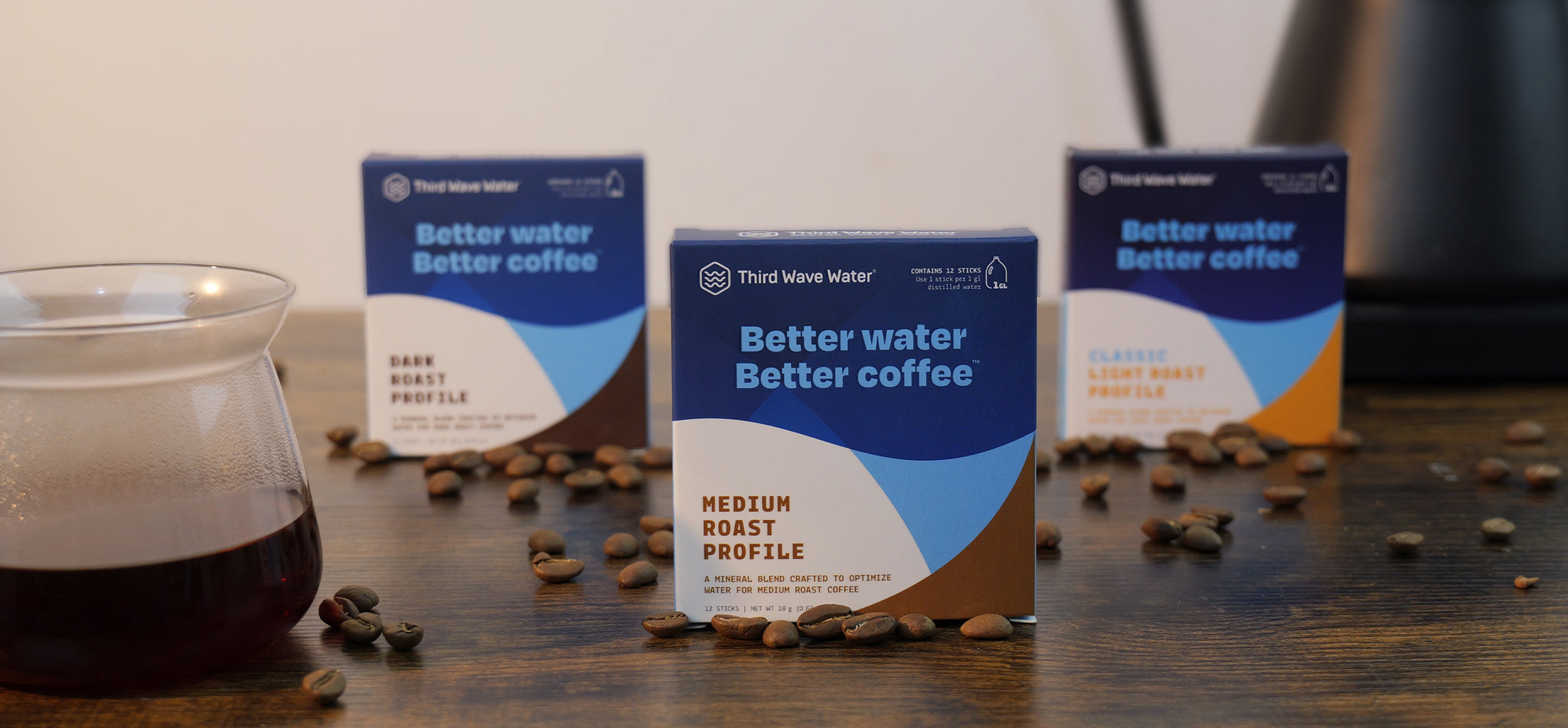
Use coffee water mineral packets
Coffee water packets contain measured minerals made for brewing. They are more consistent than adding random amounts of household salts or baking soda.
Follow the product directions carefully. A small amount can change the flavor quickly.
Remineralize with a tested recipe
Some experienced brewers make mineral concentrates with distilled water, magnesium sulfate, calcium chloride, and sodium bicarbonate. These ingredients must be measured accurately.
Avoid guessing with kitchen spoons. Too much mineral salt can ruin the coffee and may not be appropriate for every machine. A tested recipe is safer and more repeatable.
Adjust the brewing recipe
If you must use pure distilled water, try:
• Grinding slightly finer
• Increasing the water temperature within your brewer’s safe range
• Extending brew time modestly
• Using a little more coffee
These changes may increase extraction, but they cannot fully recreate the flavor balance of mineralized water.

Best Water for Different Coffee Brewing Methods
The ideal water can vary by brewing method.
Drip coffee makers
Filtered water with moderate minerals is usually the best choice. Drip machines often benefit from water that extracts enough flavor without causing rapid scale buildup.
Distilled water can work in an emergency or for occasional use. If the coffee tastes weak, try a finer grind or a blend of distilled and spring water.
Pour-over coffee
Pour-over brewing makes water quality easy to notice. Light-roast beans may taste flat with distilled water because they often need good extraction to show sweetness and fruit notes.