How To Make Coffee Stronger Without Adding More Grounds: Now
Use finer grind, hotter water, longer brew time, and less water to concentrate flavor.
I’ve brewed coffee professionally and at home for years, and I’ll show you exactly how to make coffee stronger without adding more grounds. This guide explains what “stronger” really means, clear steps you can use with any brewer, the trade-offs to expect, and simple tests to tune your cup. Read on for proven tricks, step-by-step recipes, and real mistakes I’ve learned from so you get bolder coffee fast.

Understanding strength: what it means and why it matters
“Strength” can mean taste intensity or caffeine. Here we focus on brew strength — the concentration of dissolved coffee solids. Stronger coffee usually tastes fuller, richer, and more bitter if overdone.
Key technical points in plain language:
- Strength is measured as percent total dissolved solids (TDS). Higher TDS = stronger cup.
- Extraction is how much of the coffee dissolves into water. Good extraction avoids sour or flat flavors.
- You can raise strength without more grounds by extracting more from each gram or reducing the water that dilutes the brew.
Knowing these basics helps you change simple variables and get consistent results. Use short experiments to learn your taste.
Practical ways to make coffee stronger without adding more grounds
Below are reliable methods you can try. Each change is small but effective. Combine two or three for best results.
-
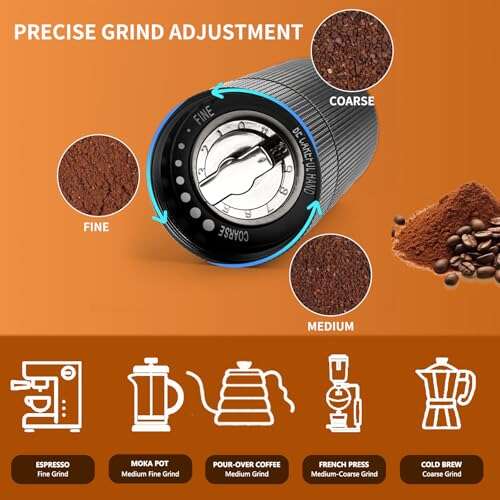
Use a finer grind
- A finer grind increases surface area. Water pulls more compounds faster. This raises strength.
- Watch for over-extraction and bitterness if you grind too fine for your brewer.
-
Raise water temperature slightly
- Aim for 195–205°F (90–96°C). Hotter water extracts more quickly and increases strength.
- If water is too hot, flavors can become harsh. Heat, then rest 30 seconds before pouring.
-
Increase brew contact time
- Let grounds sit with water longer. For drip or pour-over, slow your pour. For French press, add 30–60 more seconds.
- Longer time pulls more dissolved solids and raises strength without extra coffee.
-
Reduce the brew water (use less water)
- Brew with the same grounds but use less water. The result is a more concentrated cup.
- This is the simplest trick to make coffee stronger without adding more grounds.
-
Improve agitation and saturation
- Stir, swirl, or pulse-pour to wet grounds evenly. Better contact yields stronger extraction.
- Avoid aggressive pounding; gentle, even agitation wins.
-
Use a metal filter or skip heavy paper filters
- Metal filters let oils through. These oils add body and perceived strength.
- Paper filters absorb some oils and fine particles, making cups cleaner but lighter.
-
Brew method change for concentration
- Try AeroPress with less water, inverted method, or a Moka pot to get intense flavor without more grounds.
- Switching methods can drastically change strength while keeping the same coffee dose.
-
Reduce final dilution (avoid ice/milk or add less)
- Don’t add extra water or lots of milk. Use less mixer to keep the brew strong.
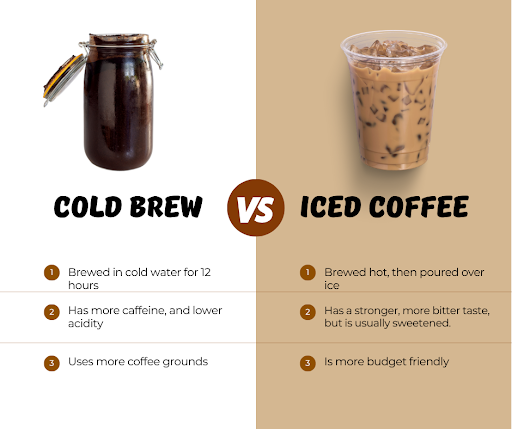
- If you need cold coffee, brew stronger then chill, or use cold brew concentrate.
PAA-style quick questions:
Will grinding finer always make my coffee stronger?
Yes, finer grind extracts more quickly and raises strength. Match grind to your brewer to avoid over-extraction.
Can hotter water make coffee bitter?
Too-hot water speeds extraction and can bring out bitter notes if you over-extract. Stay near 195–205°F for balance.
Is using a metal filter better for strength?
Metal filters let oils and micro-fines through, increasing body and perceived strength. Taste preference decides the best choice.
Step-by-step recipes for common brewers
Here are simple, repeatable tweaks for everyday equipment. Each example keeps the same coffee weight and increases strength without adding more grounds.
Pour-over (V60/Chemex)
- Keep coffee dose the same. Grind medium-fine to fine.
- Use 200°F water. Pour slowly to increase contact time.
- Reduce final water by 10–20% to concentrate the cup.
- Stir once during brew to wet all grounds evenly.
French press
- Grind slightly finer than usual.
- Pour at 200°F; stir well at 30 seconds.
- Let steep 30–60 seconds longer than usual.
- Plunge slowly to avoid extra fines in the cup.
AeroPress
- Use inverted method. Grind fine.
- Use less water for the same dose. Steep 60–90 seconds.
- Press steadily; enjoy a concentrated cup similar to espresso.
Moka pot
- Fill the basket normally. Use slightly finer grind but not espresso-fine.
- Use hot water in the bottom to speed extraction and shorten burn risk.
- Remove from heat when pot spits to avoid bitterness.
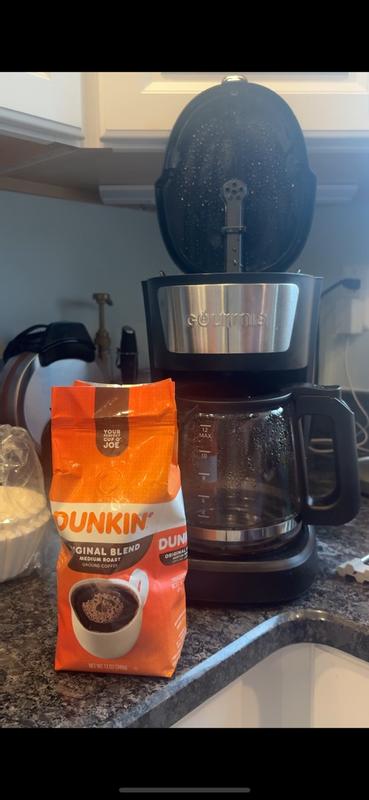
Drip machine
- Use slightly finer grind, if your machine allows.
- Reduce water by 10% to 20%.
- Use warmer water by filling the reservoir with near-boiling water then running once empty to preheat.
Follow these steps to test changes. Adjust in small steps and note results.

Common mistakes, limits, and flavor trade-offs
Making coffee stronger without adding more grounds works well, but it has limits. Know the trade-offs.
- Over-extraction leads to bitterness and astringency. Strong doesn’t mean better.
- Caffeine isn’t directly tied to perceived strength. Roast level and extraction affect taste more than caffeine content.
- Grinding too fine can clog filters or cause muddiness in some brewers.
- Reducing water concentrates both good flavors and faults. Poor beans will taste worse when concentrated.
- Evaporating or boiling brewed coffee to concentrate will change flavor and can taste burnt.
Be honest about goals. If you want more caffeine specifically, slightly different approaches matter. If you want more flavor and body, focus on grind, temperature, and filter.

My experience: tests, mistakes, and tips that helped me
I’ve tuned dozens of brews for friends and clients. Here’s what I learned in real cups.
- I once ground too fine for a paper filter and got a bitter, silty cup. The fix was coarsening the grind a touch and adding 20% less water.
- A small temp change from 190°F to 203°F made my favorite roast bloom and taste fuller without adding grounds.
- Switching from paper to a reusable metal filter doubled the mouthfeel and made a light roast feel strong.
- I always measure with a scale now. Small water or grind tweaks matter a lot.
Quick tips from practice:
- Make one change at a time. Record results.
- Use fresh beans and grind right before brewing.
- Taste and stop when it tastes strong but balanced.

Frequently Asked Questions of how to make coffee stronger without adding more grounds
How can I make coffee stronger without using more grounds?
Use a finer grind, increase water temperature, extend brew time, or reduce the water used. These changes extract more solubles or concentrate the brew without adding grounds.
Will a darker roast make coffee stronger?
Darker roasts taste bolder but have slightly less soluble density and often less caffeine. Perceived strength can rise, but the effect differs from increasing extraction or concentration.
Does brewing longer always increase strength?
Longer brewing usually raises strength but can cause bitterness if you over-extract. Increase time in small steps and taste frequently.
Can I make cold coffee stronger without adding more grounds?
Yes. Brew a shorter-water cold brew concentrate or use less water in the final dilution. Alternatively, brew hot and cool down a concentrated batch.
Is changing grind size the best approach?
Changing grind size is one of the most effective ways to make coffee stronger without adding more grounds. It increases extraction rapidly but must match your brewer to avoid clogging or bitterness.
Will switching filters help?
Yes. Metal filters keep oils and fines, increasing body and perceived strength. Paper filters give a cleaner, lighter cup.
Conclusion
You can make a noticeably stronger cup by adjusting grind, water temperature, contact time, filtration, or the brew water volume — all without adding more grounds. Try small, controlled changes and record what you like. Start with one tweak: finer grind or less water, then refine.
Take action today: pick your brewer, make one change, and taste. If you liked this guide, subscribe for more brewing tips or leave a comment with the tweak that worked best for you.

Liora Pennings is a seasoned chef and kitchen enthusiast with a passion for turning everyday cooking into an effortless experience. With years of hands-on culinary expertise, she specializes in practical techniques, ingredient know-how, and smart kitchen solutions that help home cooks elevate their meals. At KitchFlair.com, Liora shares her best tips, time-saving tricks, and honest product reviews to guide readers toward a more efficient, enjoyable, and inspired cooking routine. Whether you’re a beginner or a seasoned home chef, Liora’s friendly, knowledge-packed insights make every visit to the kitchen a little easier—and a lot more delicious.