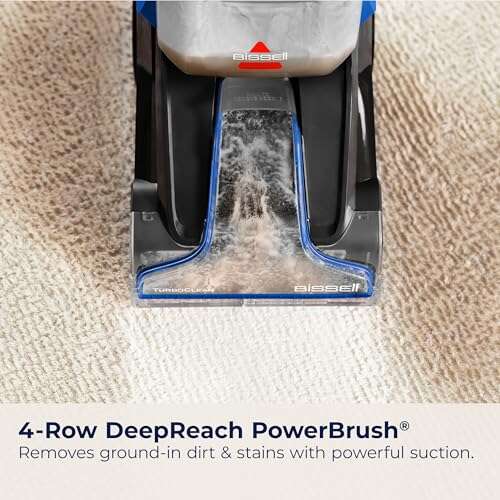
Can I Take Vacuum Cleaner In Checked Baggage: What To Know
Yes, you can usually take a corded vacuum cleaner in checked baggage if it is clean, dry, and well packed.
The answer to “can I take vacuum cleaner in checked baggage” depends mainly on its battery, fuel, size, and condition. This guide explains airline and airport security rules, packing steps, battery limits, and common mistakes so you can check your vacuum with less stress.

Can I take a vacuum cleaner in checked baggage?
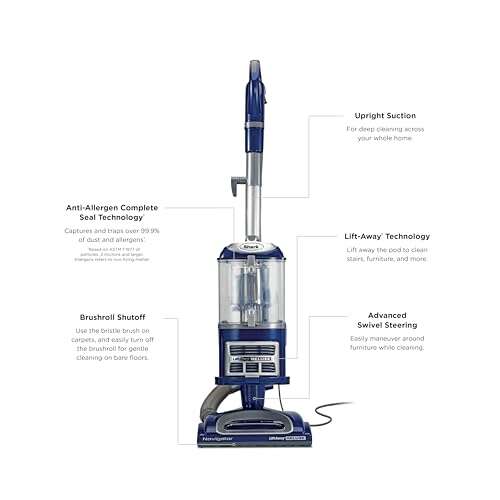
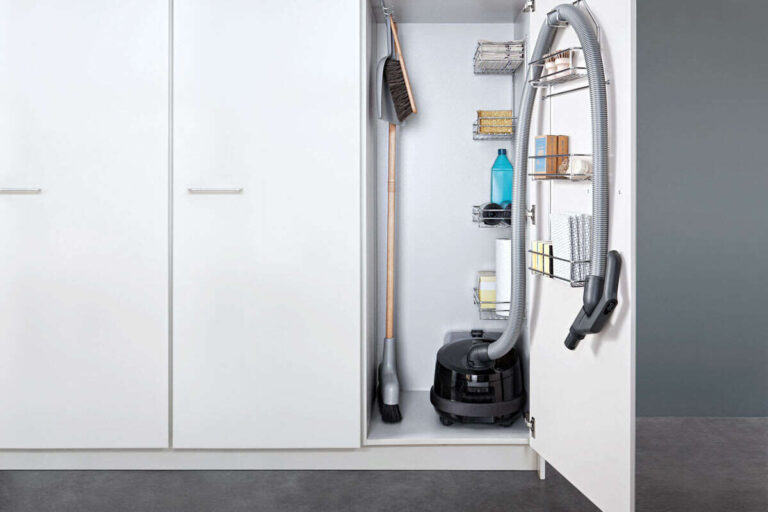
Yes, most standard vacuum cleaners can travel in checked baggage. This includes corded upright vacuums, canister vacuums, handheld vacuums without batteries, and many wet-dry vacuums that are completely empty and dry.
A vacuum cleaner is not normally considered a dangerous item by airport security. However, the airline may apply its own rules for size, weight, packaging, and batteries. Security officers also have the final authority to inspect or refuse an item.
When asking, “can I take vacuum cleaner in checked baggage,” first identify the type of vacuum:
• Corded vacuum: Usually allowed in checked baggage.
• Battery-powered vacuum with a removable battery: The vacuum may be checked, but the battery should usually travel in your carry-on bag.
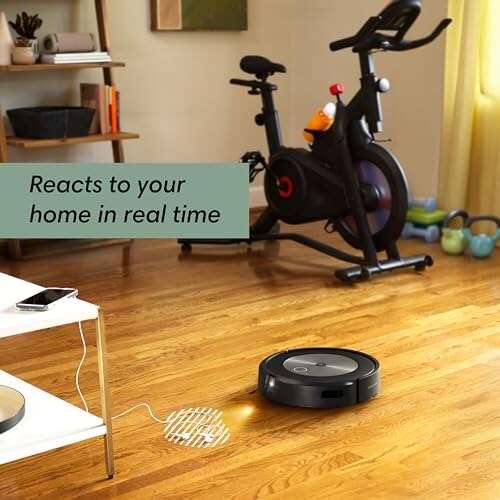
• Robot vacuum: The unit may be checked, but its lithium-ion battery is often subject to battery rules.
• Wet-dry vacuum: Allowed only when the tank, hose, and filters are empty and fully dry.
• Vacuum with a fuel-powered engine: This may require special preparation and airline approval.
TSA rules generally allow many household appliances in checked bags, but airlines can be stricter. Check the current rules for your airline and departure airport before packing.
Why the battery matters
The most important issue is often not the vacuum itself. It is the battery.
Lithium-ion batteries can overheat and cause a fire if they are damaged, short-circuited, or packed incorrectly. For this reason, many aviation authorities require spare lithium batteries and power banks to stay in carry-on baggage, where a crew member can respond to a problem.
If you ask, “can I take vacuum cleaner in checked baggage,” check whether the vacuum contains a lithium battery.
Cordless vacuums
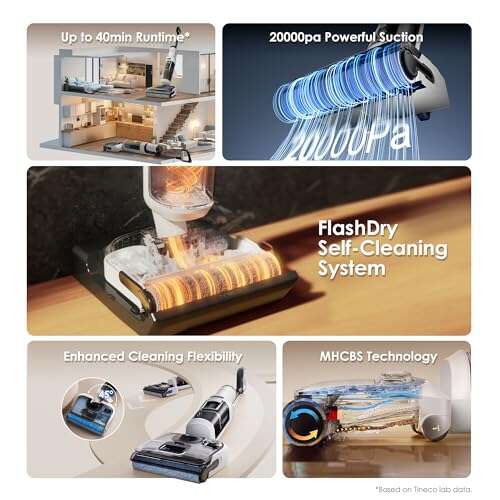
Many cordless stick vacuums use lithium-ion batteries. Some have a removable battery pack, while others have a built-in battery.
For a removable battery:
• Remove the battery from the vacuum.
• Place the battery in your carry-on bag.
• Protect the battery terminals from metal objects.
• Use the original cover, a battery case, or separate plastic bags.
• Do not pack loose batteries next to keys, coins, or tools.
For a built-in battery, contact the airline before travel. Some airlines allow small electronic devices with installed batteries in checked bags, but they may prefer or require them in the cabin. Keeping the entire cordless vacuum in your carry-on may be easier if it fits within the airline’s size and weight limits.
Battery capacity and watt-hours
Airlines often measure lithium batteries in watt-hours, written as Wh. Many personal electronic batteries below 100 Wh are accepted under standard rules, while batteries between 100 and 160 Wh may need airline approval. Batteries above 160 Wh are generally not accepted on passenger aircraft.
You can calculate watt-hours with this formula:
Voltage × amp-hours = watt-hours
For example, a 25-volt battery rated at 4 amp-hours has about 100 Wh. Look for the Wh rating printed on the battery or in the vacuum manual. Do not guess if the label is missing.
Rules can vary by airline and country. The Federal Aviation Administration, Transportation Security Administration, and international aviation groups provide general guidance, but the operating airline makes the final decision.

How to pack a vacuum cleaner for checked baggage
Good packing protects the vacuum and prevents damage to other bags. Think of the vacuum as a large glass bottle, even if it is made of strong plastic. Baggage systems can be rough.
Follow these steps:
-
Empty the dust bin or bag completely. Remove hair, dirt, food particles, and debris.
-
Clean the filter. A dirty filter can release dust inside your suitcase.
-
Wash the dust container if the manufacturer allows it. Let it dry fully before packing.
-
Drain every drop from a wet-dry vacuum. Moisture can leak into the bag and damage the motor.
-
Remove detachable parts. Take off the wand, hose, floor head, tools, and charger when possible.
-
Protect fragile pieces. Wrap plastic clips, wheels, screens, and attachments in clothing or bubble wrap.
-
Secure moving parts. Use soft straps or packing paper instead of tight tape on painted surfaces.
-
Put the vacuum in a strong box if possible. The original box is best because it usually has molded protection.
-
Add padding around the motor housing. Use clothing, foam, or packing material to reduce impact.
-
Mark the box with your name and contact details. Use a luggage tag on the outside and an information card inside.
Do not use the vacuum’s dust bag as storage for accessories. Small parts can break the bag or become trapped in the motor area. Keep screws, chargers, and tools in a sealed pouch.
If you are checking the vacuum without a box, place it inside a hard-sided suitcase or a thick protective travel case. A soft suitcase offers less protection, especially for an upright vacuum with a long plastic handle.
What to remove before checking the vacuum
Before you check a vacuum cleaner, remove anything that could leak, ignite, spill, or trigger extra screening.
Remove these items:
• Lithium batteries, if removable
• Spare batteries
• Power banks
• Fuel or fuel residue
• Cleaning chemicals
• Fragrance liquids
• Wet filters
• Water from the tank
• Loose dirt and debris
• Sharp tools stored in the accessory area
Some vacuum cleaners include small bottles of cleaning fluid or scented products. These liquids may have separate airline and airport rules. Pack them according to liquid restrictions, or leave them at home.
A vacuum may also contain a small cutting tool for removing tangled hair. That tool could be treated as a sharp object. Pack it securely in checked baggage and follow the airline’s rules.
A clean, empty vacuum is easier for security officers to inspect. It also reduces the chance that your bag will be delayed because of an unusual image on the X-ray screen.
Can robot vacuums go in checked luggage?
Robot vacuums can usually travel by air, but their battery requires special attention. Most robot vacuums use a rechargeable lithium-ion battery.
If the battery is removable, take it out and carry it in your cabin bag. Cover the contacts and keep the battery from moving around. If the battery is built in, check the manufacturer’s specifications and ask the airline about its preferred method.
Remove or secure the following parts:
• Water tanks
• Mopping pads
• Cleaning solution
• Dust bins
• Side brushes
• Loose charging cables
A robot vacuum’s charging dock can usually go in checked baggage. Wrap the dock and place it beside the vacuum or in a separate padded section. Do not pack the robot vacuum while it is switched on.
The same rule applies to smart vacuums with mapping systems, cameras, or Wi-Fi. These features do not usually affect baggage eligibility, but the battery still matters.

Can I bring a vacuum cleaner in carry-on baggage?
A small handheld or compact corded vacuum may be accepted in carry-on baggage if it fits within the airline’s size limits. A full-size upright vacuum usually will not fit in the overhead bin and may be refused at the security checkpoint because of its shape.
Carry-on travel can make sense when:
• The vacuum is small and valuable.
• It contains a built-in battery.
• You want to prevent rough baggage handling.
• The airline confirms it fits the cabin bag limit.
• You need the vacuum soon after landing.
Do not assume that an item allowed in checked baggage is also allowed in the cabin. Screening officers may inspect large metal parts, tools, motors, and unusual shapes more closely.
When deciding, “can I take vacuum cleaner in checked baggage” or carry-on, compare the vacuum’s size with the airline’s exact cabin and checked-bag limits. Weight limits often range from about 50 pounds for standard checked bags, but the limit varies by airline, fare, route, and frequent-flyer status.

Airline size, weight, and oversize rules
Airport security approval does not guarantee that the airline will accept your vacuum at the baggage counter. Airlines control baggage fees and handling limits.
Before your trip, confirm:
• Maximum checked-bag weight
• Maximum length, width, and height
• Oversize baggage fees
• Special handling fees
• Box requirements
• Battery restrictions
• Sports equipment or household appliance policies
Measure the packed vacuum, not the vacuum by itself. A box and padding can add several inches and several pounds.
If the packed item is too large, ask whether the airline will accept it as oversized baggage or cargo. Some airlines accept large household equipment only through their cargo service. This is more common with commercial-grade vacuums, carpet cleaners, and large extraction machines.
A useful practical lesson is to call the airline with the exact model number and packed dimensions. A general question may produce a vague answer, while a model number lets the agent check the battery and size details.

International travel and customs concerns
The answer to “can I take vacuum cleaner in checked baggage” may be different at customs than at airport security. Customs officers may ask whether the vacuum is new, used, or intended for resale.
You may need to declare:
• A newly purchased vacuum
• Multiple vacuum cleaners
• Commercial equipment
• A vacuum that contains plant matter, soil, or animal hair
• Items with unusual value
Clean the vacuum carefully before an international trip. Dirt, seeds, insects, and animal hair can create agricultural or biosecurity concerns in some countries.
Keep the purchase receipt if the vacuum is new. Some countries charge import taxes on expensive goods. Used personal items are often treated differently, but customs rules depend on the destination.
Voltage is another concern. A vacuum designed for 120-volt power may not work safely on a 220 or 240-volt system. A plug adapter changes the shape of the plug, but it does not always convert voltage. Check the label before using the vacuum abroad.
Common mistakes travelers make
Many baggage problems come from small oversights rather than the vacuum itself.
Avoid these mistakes:
• Leaving a lithium battery inside a cordless vacuum
• Packing a wet filter or damp tank
• Forgetting cleaning fluid in the accessory compartment
• Checking the vacuum without padding
• Ignoring the airline’s oversize limit
• Assuming every airline uses the same battery rules
• Packing loose battery contacts beside metal items
• Failing to label a box or protective case
• Taking a vacuum with fuel residue to the airport
• Not checking whether the battery rating is visible
A common mistake is relying only on airport security search results. Security databases explain what may pass screening, but they do not always explain airline weight charges or special handling rules.
Another mistake is wrapping the entire vacuum in tape. Tape can hide the contents, make inspection harder, and leave adhesive on the machine. Use a box, luggage cover, or removable protective wrap instead.
A simple checklist before your flight
Use this checklist 24 to 72 hours before departure:
-
Identify the vacuum type and battery type.
-
Find the battery’s watt-hour rating.
-
Remove any spare or removable lithium batteries.
-
Empty and dry every tank, hose, filter, and dust bin.
-
Remove liquids and cleaning products.
-
Measure and weigh the packed vacuum.
-
Review the airline’s baggage and battery rules.
-
Contact the airline if the battery is built in or unusually large.
-
Pack fragile parts with padding.
-
Photograph the vacuum before closing the box.
-
Keep receipts and model information with your travel documents.
-
Arrive early in case the bag needs extra inspection.
Photographing the vacuum is a simple step that can help with a damage claim. Take pictures of the machine, accessories, battery label, and packed box before handing it over.
If the vacuum is expensive, ask about declared value coverage or use a separate shipping service. Airline baggage liability may not fully cover electronics or household equipment.
What if the airline refuses the vacuum?
If an airline refuses your vacuum at check-in, stay calm and ask for the exact reason. The problem may be the battery, the size, the packaging, or a liquid left inside.
Possible solutions include:
• Removing the battery and checking the vacuum body
• Repacking the vacuum in a stronger box
• Paying an oversize fee
• Shipping the vacuum as cargo
• Sending it through a parcel carrier
• Leaving it behind if replacement costs less
Do not argue with a security officer about a prohibited or unsafe item. Ask whether the item can be repacked or handled another way.
For expensive cordless models, shipping may be safer than checking the vacuum. Compare the shipping price with the value of the vacuum and the risk of damage. A carrier may also provide tracking and insurance that standard baggage does not.
Frequently Asked Questions About Can I Take Vacuum Cleaner in Checked Baggage
Can I pack a corded vacuum cleaner in checked baggage?
Yes. A corded vacuum is usually allowed in checked baggage when it is empty, clean, dry, and packed securely. The airline’s size and weight limits still apply.
Can I check a cordless vacuum cleaner?
Often, yes, but the battery rules are important. Remove a removable lithium battery and carry it in your cabin bag; for a built-in battery, confirm the airline’s policy before traveling.
Can I put a vacuum battery in checked luggage?
Spare lithium batteries and power banks generally must travel in carry-on baggage. Protect the battery terminals and follow the airline’s watt-hour limits.
Can I take a Dyson vacuum in checked baggage?
A Dyson or similar cordless vacuum may be accepted, but its lithium battery can affect how it travels. Remove the battery when possible, protect it in your carry-on bag, and check the airline’s rules for the specific model.
Can I check a robot vacuum with its charging station?
Usually, yes. Remove or secure the battery according to airline instructions, empty all dust and water containers, and wrap the charging station to prevent damage.
Can I bring a wet-dry vacuum on a plane?
You may be able to check one after removing all water, cleaning fluid, and moisture. The tank and filters must be dry, and the airline may apply special size or packaging rules.
Should I use the original vacuum box?
The original box is usually the safest option because it is designed to protect the machine. If you do not have it, use a strong box with padding around the motor, handle, wheels, and fragile attachments.
Conclusion
You can usually take a vacuum cleaner in checked baggage, especially when it is a standard corded model. Empty it, dry it, remove restricted batteries and liquids, protect fragile parts, and confirm the airline’s size and weight rules before you leave.
Cordless and robot vacuums need extra care because lithium batteries are the main aviation concern. Check the battery rating, keep removable batteries in your carry-on, and contact the airline when the battery is built in or unusually large.
With the right preparation, your vacuum can travel safely instead of becoming a last-minute airport problem. Check your airline’s current policy, pack it carefully, and share your travel experience or questions in the comments.

Liora Pennings is a seasoned chef and kitchen enthusiast with a passion for turning everyday cooking into an effortless experience. With years of hands-on culinary expertise, she specializes in practical techniques, ingredient know-how, and smart kitchen solutions that help home cooks elevate their meals. At KitchFlair.com, Liora shares her best tips, time-saving tricks, and honest product reviews to guide readers toward a more efficient, enjoyable, and inspired cooking routine. Whether you’re a beginner or a seasoned home chef, Liora’s friendly, knowledge-packed insights make every visit to the kitchen a little easier—and a lot more delicious.