How Do You Peel And Grate Fresh Ginger: Easy Guide
Peel fresh ginger with a spoon, then grate it across a fine rasp for smooth, flavorful results.
Learning how to peel and grate fresh ginger is simple once you use the right tool and technique. A small spoon removes the thin skin with less waste than a vegetable peeler, while a microplane turns the firm root into a soft pulp that blends well into sauces, tea, marinades, and baked goods.
What You Need to Peel and Grate Fresh Ginger
You need only a few basic kitchen tools. The best choice depends on how much ginger you need and the texture your recipe calls for.
• Fresh ginger root with smooth, firm skin
• A small spoon
• A sharp paring knife
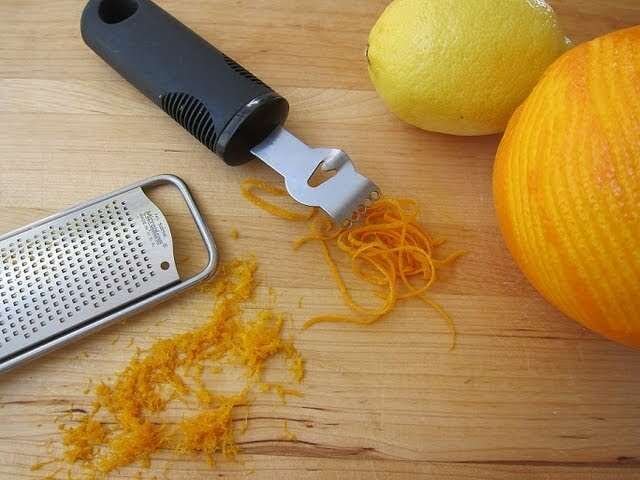
• A microplane or fine box grater
• A cutting board
• A small bowl or plate
• Paper towels for cleanup
A microplane is usually the easiest tool for grating ginger. Its fine teeth break down the fibrous root and release juice without leaving long, tough strands.
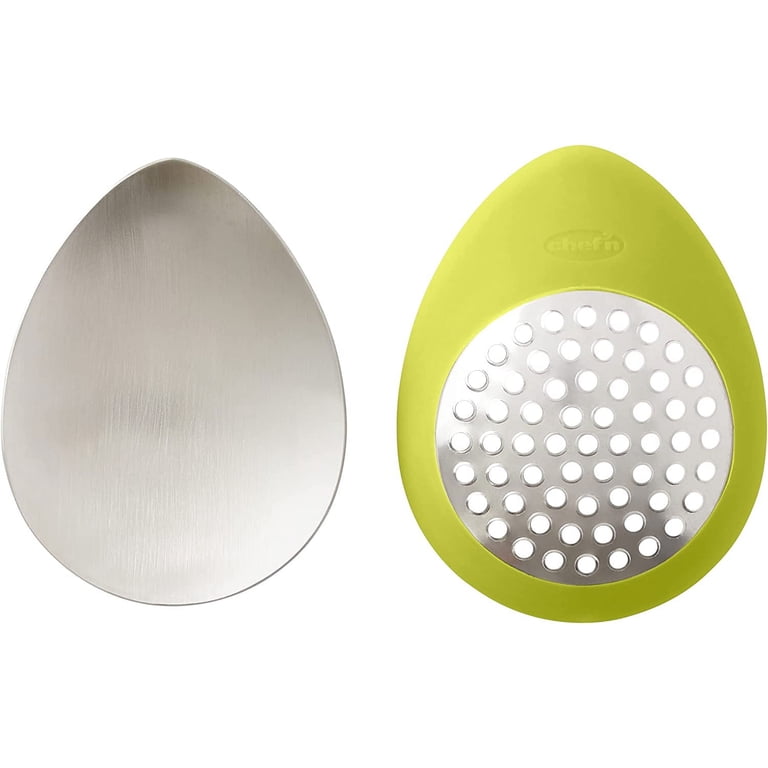
A ceramic ginger grater also works well. These dishes often have small raised teeth and a shallow groove that collects the ginger pulp. A standard box grater can work, but its larger holes may create coarse shreds.
Choose ginger that feels firm and heavy for its size. Avoid roots that look wrinkled, soft, moldy, or very dry. Fresh ginger should have a clean, spicy scent and a thin, tan skin.

How to Peel Fresh Ginger With a Spoon
Using a spoon is the simplest answer to how do you peel and grate fresh ginger. The spoon follows the root’s bumps and curves, so it removes the skin while leaving most of the flesh intact.
Follow these steps:
-
Rinse the ginger under cool running water.
-
Scrub away visible dirt with your fingers or a clean produce brush.
-
Pat the root dry with a paper towel.
-
Hold a teaspoon in one hand.
-
Scrape the edge of the spoon over the skin with light pressure.
-
Work around the knobs and curves until the tan skin is gone.
-
Trim off any dry ends or dark spots with a paring knife.
The spoon does not need to dig deeply. Think of it as shaving away a thin paper layer rather than cutting into the root. This method is especially useful when the ginger has an uneven shape.
You can also peel only the piece you need. Keeping the rest of the skin on may help protect the unused ginger in the refrigerator.

How to Peel Ginger With a Knife or Vegetable Peeler
A spoon is often best, but a knife or vegetable peeler can be useful in certain cases. A paring knife works well when the skin is thick, damaged, or difficult to remove.
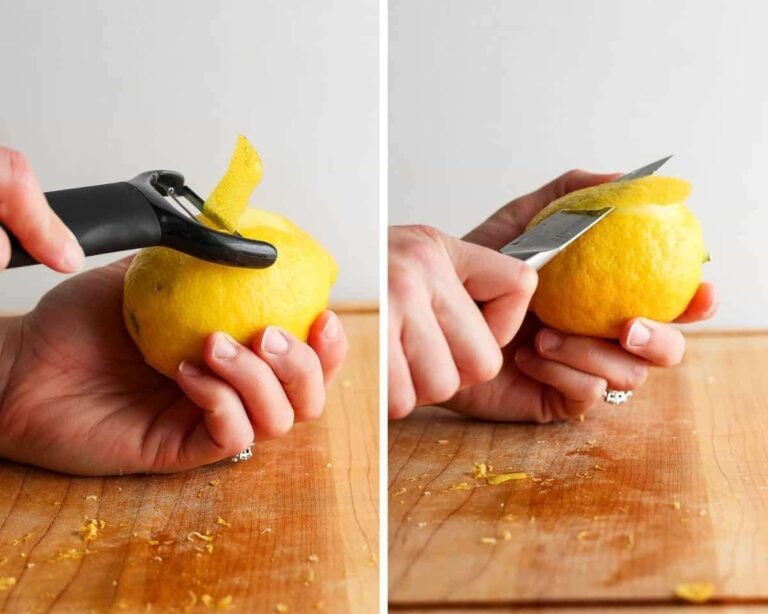
To use a knife, place the ginger flat on a cutting board. Slice away the skin in thin strips, turning the root as you go. Keep the blade close to the surface to reduce waste.
A vegetable peeler can remove the skin quickly from a large, straight piece of ginger. However, it may struggle with small knobs and deep grooves. It can also remove more flesh than you need.
Use a knife or peeler when:
• The ginger skin is tough or shriveled
• You need to peel a large amount
• The root has bruised or damaged areas
• You prefer a completely smooth surface
For most home cooks, the spoon method is safer and more efficient. It gives you better control and helps preserve the flavorful flesh just beneath the skin.

How to Grate Fresh Ginger Step by Step
Once the ginger is peeled, grating takes less than a minute. The key is to move the root across the grater in short strokes.
-
Place the microplane over a small bowl or plate.
-
Hold the handle firmly and keep the grating surface stable.
-
Rub the peeled ginger over the fine teeth.
-
Use short strokes instead of pressing hard.
-
Turn the ginger often to avoid creating long fibers.
-
Stop when only a thin piece remains.
-
Scrape the ginger pulp from the underside of the grater.
The grated ginger will look moist and fibrous. That is normal. The juice carries much of the ginger’s sharp aroma and flavor.
For a recipe that needs one teaspoon of grated ginger, grate the ginger directly over a measuring spoon. This keeps the juice from being left behind on a cutting board.
Be careful near the end of the root. A microplane is very sharp, and a small piece can become difficult to hold. It is safer to discard the last thin piece or save it for tea.
How to Grate Ginger Without a Microplane
If you do not own a microplane, you still have several options. How do you peel and grate fresh ginger without special equipment? Use a fine box grater, a fork, or a sharp knife.
A fine box grater produces a good texture for stir-fries, soups, and marinades. Grate the ginger on the smallest holes and collect the pulp from the inside of the grater.
A fork works for a small amount. Scrape the peeled ginger across the fork’s tines, then gather the pulp with a spoon. This method is slower but useful when you are cooking in a small kitchen or traveling.
You can also mince ginger with a knife:
-
Slice the peeled root into thin coins.
-
Stack a few coins together.
-
Cut them into thin strips.
-
Chop across the strips until the pieces are very small.
Knife-minced ginger has a slightly different texture from microplaned ginger. It gives small pieces rather than a smooth paste, so it works well when you want small bites of ginger in a dish.

Should You Peel Ginger Before Grating It?
You do not always need to peel ginger before grating it. Young ginger may have soft, thin skin that blends into the pulp. However, older ginger often has tougher skin and more visible fibers.
Peeling gives the ginger a smoother texture and removes soil from the outer surface. It also makes the grated pulp look cleaner in light-colored sauces, tea, and desserts.
If you plan to grate the ginger with a microplane, some cooks leave the skin on because the grater tends to catch it. Even so, rinse the root well before using this method.
Peeling is recommended when:
• The skin looks thick or dry
• The ginger has been stored for a long time
• You are making a smooth sauce
• You are using the ginger in tea or lemonade
• You notice dirt in the grooves
The choice is practical rather than strict. If the skin is thin, clean, and unappealing to remove, it is usually fine to leave it on.

How Much Grated Ginger Comes From One Piece?
The amount varies because ginger roots differ in size and moisture. As a general guide, a 1-inch piece of fresh ginger often produces about 1 tablespoon of grated ginger, though the result may be slightly more or less.
One tablespoon equals three teaspoons. If a recipe calls for powdered ginger, fresh ginger cannot always be swapped in equal amounts because the two forms have different strength and moisture.
Use these rough kitchen estimates:
• 1 inch of fresh ginger: about 1 tablespoon grated
• 1 tablespoon grated ginger: about 1 teaspoon dried ginger, depending on the recipe
• 1 teaspoon grated ginger: about a small thumb-size piece
These are estimates, not exact measurements. The age of the root, the grater, and the amount of juice all affect the final volume.
For the most accurate result, grate the ginger first and then measure it. This is more reliable than guessing the size of the unpeeled piece.

Tips for Getting More Ginger Juice
Fresh ginger juice adds bright heat to dressings, drinks, and sauces. Grating the ginger releases juice naturally, but you can extract more with a few simple steps.
Place the grated ginger in a small piece of clean cheesecloth. Gather the cloth and squeeze it over a bowl. You can also press the pulp through a fine strainer with the back of a spoon.
For a small amount, place the grated ginger in your palm and squeeze it over the recipe. Wash your hands well afterward, especially before touching your eyes.
A useful kitchen lesson is to add ginger juice near the end of cooking when you want a fresh, sharp flavor. Add grated ginger earlier when you want its heat to soften and blend into the dish.
Do not throw away the dry pulp. It can still flavor broth, tea, rice, or a marinade.

Common Mistakes When Peeling and Grating Ginger
Many problems come from using too much pressure or choosing the wrong grater. Ginger is firm and stringy, so technique matters more than force.
Avoid these mistakes:
• Using a large vegetable peeler on a small, knobby root
• Scraping away thick layers and wasting the flesh
• Grating with long strokes that create tough fibers
• Holding the root too close to the grater
• Using a dull tool that crushes rather than cuts
• Leaving wet ginger on the cutting board
• Measuring ginger before grating it
Hard pressure does not make the process faster. It often creates a wet, uneven pulp and increases the chance of scraping your fingers.
In my kitchen, the most useful adjustment is turning the ginger every few strokes. This keeps the fibers short and gives the grated ginger a softer texture. It also helps you use more of the root without forcing the last piece against the grater.

How to Store Peeled and Grated Ginger
Unpeeled ginger usually keeps best in the refrigerator. Place it in a paper bag or a loosely covered container to help limit moisture buildup.
Peeled ginger should be stored in an airtight container in the refrigerator and used within a few days. Pat it dry before storing it, since excess moisture can encourage spoilage.
Grated ginger can be kept in a sealed container for a short time. Its flavor is brightest when used right away, but it may remain useful for several days when refrigerated.
For longer storage, freeze ginger:
-
Peel and grate the root.
-
Place small portions on a parchment-lined tray.
-
Freeze until firm.
-
Transfer the portions to a freezer bag or container.
-
Add a portion directly to soups, sauces, tea, or stir-fries.
You can also freeze the whole unpeeled root and grate it while frozen. Frozen ginger is firm and easy to grate, and you do not need to thaw the entire root.
Discard ginger if it develops mold, a sour smell, a slimy surface, or an unusual color.
Best Uses for Freshly Grated Ginger
Freshly grated ginger has a lively flavor that dried ginger does not fully match. It can taste hot, citrusy, floral, and slightly sweet at the same time.
Use it in:
• Stir-fries with vegetables, tofu, chicken, or seafood
• Ginger tea with lemon and honey
• Curry pastes and coconut sauces
• Salad dressings and dipping sauces
• Marinades for meat and vegetables
• Pumpkin bread, cookies, and cakes
• Rice dishes and noodle bowls
• Smoothies and fresh juices
• Homemade ginger syrup
Add grated ginger to a hot pan with garlic and oil for a strong savory base. For a cold drink, combine it with lemon juice, honey, and water, then strain the mixture if you prefer a smooth texture.
The amount you use depends on the dish. Start with a small amount, taste, and add more. Fresh ginger can become quite hot as it sits, so a little caution helps.
Frequently Asked Questions About How Do You Peel and Grate Fresh Ginger
Do you have to peel fresh ginger before grating it?
No, you do not always have to peel fresh ginger. If the skin is thin, clean, and soft, you can grate the root with the skin on, but older ginger is usually better peeled.
What is the easiest way to peel ginger?
The easiest way to peel ginger is with the edge of a teaspoon. Scrape gently around the root’s curves, then trim any tough ends with a small knife.
What is the best tool for grating fresh ginger?
A microplane is usually the best tool for grating fresh ginger. It creates a fine, juicy pulp that blends smoothly into sauces, drinks, soups, and baked goods.
Can you grate ginger with a cheese grater?
Yes, you can grate ginger with a fine cheese grater. Use the smallest holes available, and avoid the large holes because they may produce long, tough strands.
How long does grated ginger last in the refrigerator?
Grated ginger has its best flavor when used immediately, but it can be stored in a sealed container in the refrigerator for several days. Throw it away if it smells sour or develops mold or a slimy texture.
Can you freeze grated fresh ginger?
Yes, grated ginger freezes well in small portions. Freeze spoonfuls on parchment, then store them in a sealed freezer bag and use them directly in cooked dishes or drinks.
Conclusion
The easiest way to peel and grate fresh ginger is to scrape the skin with a spoon and use a microplane for a fine, juicy pulp. Peel only what you need, grate with light pressure, turn the root often, and measure the ginger after grating for better accuracy.
With these simple steps, you can add fresh ginger to tea, stir-fries, sauces, desserts, and marinades without waste or hassle. Try the spoon-and-microplane method in your next recipe, and share your favorite ginger tip or dish in the comments.

Liora Pennings is a seasoned chef and kitchen enthusiast with a passion for turning everyday cooking into an effortless experience. With years of hands-on culinary expertise, she specializes in practical techniques, ingredient know-how, and smart kitchen solutions that help home cooks elevate their meals. At KitchFlair.com, Liora shares her best tips, time-saving tricks, and honest product reviews to guide readers toward a more efficient, enjoyable, and inspired cooking routine. Whether you’re a beginner or a seasoned home chef, Liora’s friendly, knowledge-packed insights make every visit to the kitchen a little easier—and a lot more delicious.