What Mixing Bowls Do Chefs Use: Chef Guide
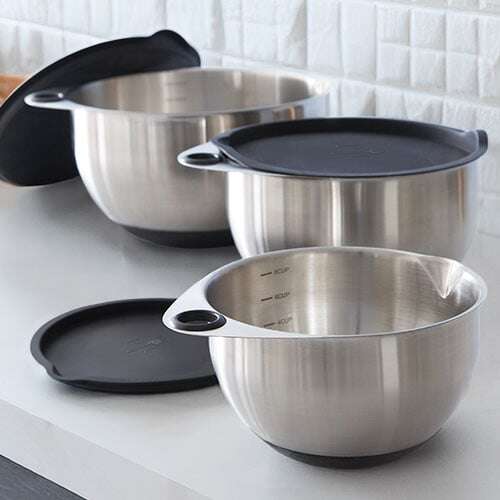
Most chefs use stainless steel mixing bowls because they are durable, light, nonreactive, and easy to clean.
The best answer to what mixing bowls do chefs use depends on the task, kitchen, and food being prepared. After years of watching cooks balance speed, heat, weight, and cleanup, one pattern is clear: professional kitchens rely on a small set of well-made bowls, with stainless steel leading the group. This guide explains which bowls chefs choose, why they choose them, and how to build a useful set at home.
What mixing bowls do chefs use most often?
Most chefs use stainless steel mixing bowls for daily prep. They are strong, light, resistant to stains, and safe with acidic foods such as tomatoes, citrus, and vinegar. Stainless steel also handles hot and cold tasks better than many other materials.
A professional cook may use several bowl types during one service. One bowl may hold chopped onions, another may whisk eggs, and a larger one may mix dough or toss a salad.
The most common chef’s mixing bowl set includes:
• Stainless steel bowls for general mixing and prep
• Glass bowls for microwaving, storage, and showing ingredients
• Plastic or polycarbonate bowls for light prep and busy service
• Copper bowls for whipping egg whites
• Ceramic bowls for serving, baking, and table presentation
Chefs rarely need a single “perfect” bowl. They need the right bowl for each job. Think of a mixing bowl as a tool, not just a container.

Why chefs prefer stainless steel mixing bowls
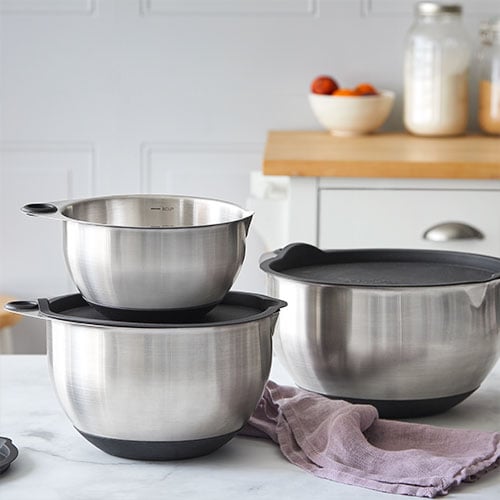
Stainless steel is the workhorse of professional kitchens. It offers a strong mix of durability, safety, and convenience. A good stainless steel bowl can last for many years, even with daily use.
Here are the main reasons chefs choose stainless steel:
• It does not easily absorb odors, colors, or flavors.
• It resists rust when made from quality stainless steel.
• It is light enough to move quickly around a busy kitchen.
• It tolerates hot and cold ingredients.
• It is usually dishwasher safe.
• It stacks neatly to save storage space.
• It does not react with acidic ingredients.
The last point matters. Acidic foods can react with certain metals and change a food’s taste or color. Stainless steel avoids this problem in normal kitchen use. That makes it a reliable choice for marinades, salad dressings, tomato mixtures, and lemon-based sauces.
Many chefs also like the feel of stainless steel. It gives useful feedback while whisking or folding. The bowl moves easily when needed but does not feel fragile.
What grade of stainless steel is best?
Look for food-grade stainless steel, such as 18/8 or 18/10 stainless steel. These numbers describe the approximate amounts of chromium and nickel in the metal. Chromium helps resist corrosion, while nickel improves shine and durability.
A heavy-gauge bowl often feels more stable than a very thin bowl. However, thin bowls are lighter and cheaper. For most home cooks, a medium-weight stainless steel bowl offers the best balance.
A professional kitchen may use NSF-certified equipment. This certification shows that a product has been tested against specific public health and sanitation standards. Certification is helpful, but it does not replace good cleaning practices.
Do chefs use glass mixing bowls?
Yes, chefs use glass mixing bowls, but usually for specific tasks rather than every task. Glass is useful when cooks need to see the ingredients, use a microwave, or move food from the kitchen to the table.
Glass bowls are especially useful for:
• Melting butter or chocolate in the microwave
• Proofing dough while watching its rise
• Mixing cake batter
• Holding prepared ingredients
• Serving salads, fruit, and desserts
• Storing leftovers with a tight lid
Glass does not absorb food odors or colors. It also gives cooks a clear view of the mixture. This can help when checking layers, texture, or volume.
The main drawback is weight. Glass bowls are heavier than stainless steel bowls and can break if dropped. Thermal shock is another concern. Moving a very cold glass bowl directly into high heat may cause cracking or shattering.
Use heat-safe glass for oven or microwave work. Always check the manufacturer’s instructions. Do not assume that every glass mixing bowl is safe for high heat.

Do chefs use plastic or polycarbonate bowls?
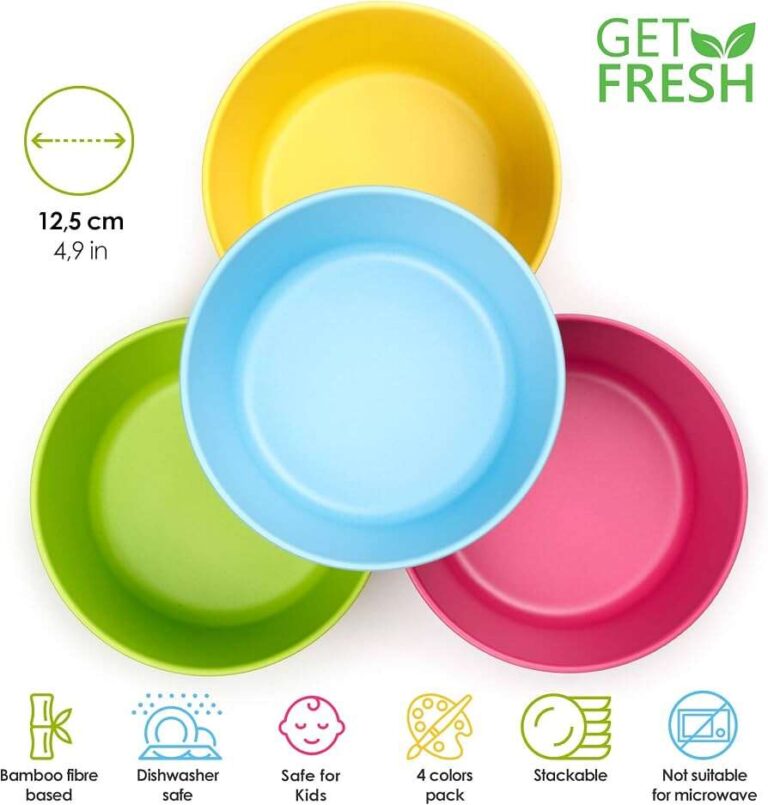
Chefs use plastic bowls when they need something light, tough, and easy to handle. Commercial kitchens often use durable polycarbonate or other food-safe plastic for ingredient storage and fast preparation.
Plastic bowls work well for:
• Holding chopped vegetables
• Mixing large batches
• Marinating meat
• Storing ingredients
• Carrying food across a kitchen
• Preparing food for outdoor events
Polycarbonate bowls are often clearer and stronger than low-cost household plastic. They can take hard use, but they may scratch over time. Scratches can make cleaning harder and may trap food residue.
Plastic can also absorb odors and colors. A bowl that holds curry, tomato sauce, or garlic may keep a faint smell. Heat is another limitation. Some plastic bowls can warp or stain when exposed to hot ingredients.
For food safety, use bowls marked for food contact. Follow the maker’s guidance for dishwashers, microwaves, and temperature limits. Replace bowls that are cracked, deeply scratched, or cloudy from wear.
Why do some chefs use copper mixing bowls?
Copper bowls are best known for whipping egg whites. Copper ions help stabilize the foam, which can create a stronger and smoother meringue. Pastry chefs and cooks who make soufflés may keep one copper bowl for this reason.
Copper bowls can help with:
• Meringue
• Soufflés
• Angel food cake
• Whipped egg whites
The effect is useful, but copper requires care. Copper should not touch acidic foods for long periods because it may react with ingredients. Many copper bowls have a stainless steel lining, which changes how they should be used.
Copper also costs more and needs polishing if you want it to keep its shine. It is not the everyday bowl for most cooking tasks. It is a specialist tool, much like a fine pastry brush or a fish spatula.
A small amount of acid, such as lemon juice, is sometimes used to clean a bowl before whipping egg whites. The bowl must then be rinsed and dried well. Follow reliable recipe and equipment guidance when working with copper.

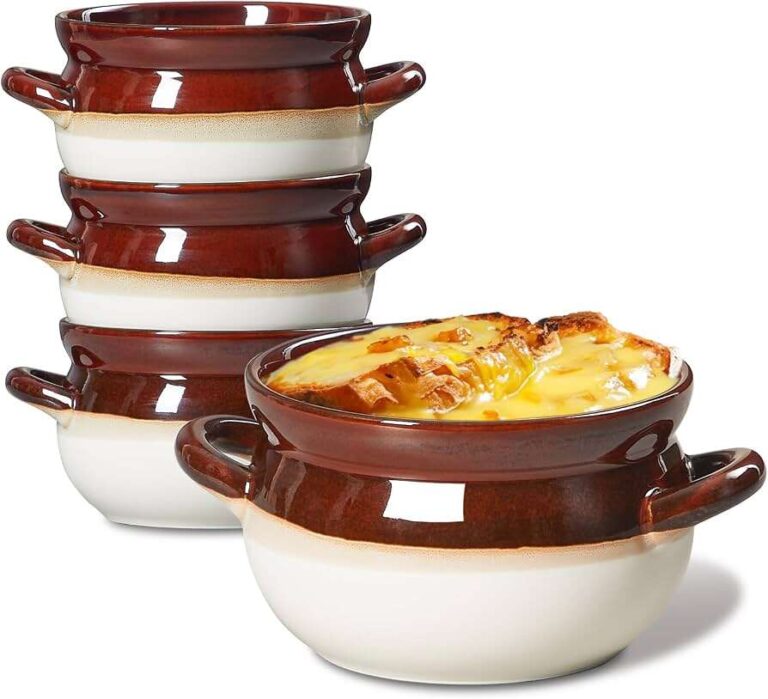
Do chefs use ceramic mixing bowls?
Ceramic bowls are common in home kitchens, bakeries, and restaurants that value presentation. They are attractive, stable, and useful for serving as well as mixing.
Ceramic works well for:
• Serving salads and side dishes
• Mixing small batches
• Baking and casserole preparation
• Holding dips and sauces
• Presenting food at the table
A ceramic bowl often has a wide, heavy base. This helps it stay still while you stir. The weight can also make it feel more controlled when mixing thick batter.
The tradeoff is weight and breakage. Ceramic can chip or crack if hit against a sink or countertop. Some decorative glazes may also scratch or stain. Choose bowls labeled as food safe and suitable for the oven or microwave when needed.
Ceramic is often a style choice rather than the first choice for fast professional prep. In a busy line kitchen, speed and stackability usually matter more than appearance.
What sizes of mixing bowls do chefs use?
Chefs use several bowl sizes because different jobs need different working space. A bowl that is too small causes spills. A bowl that is too large can make small amounts hard to whisk.
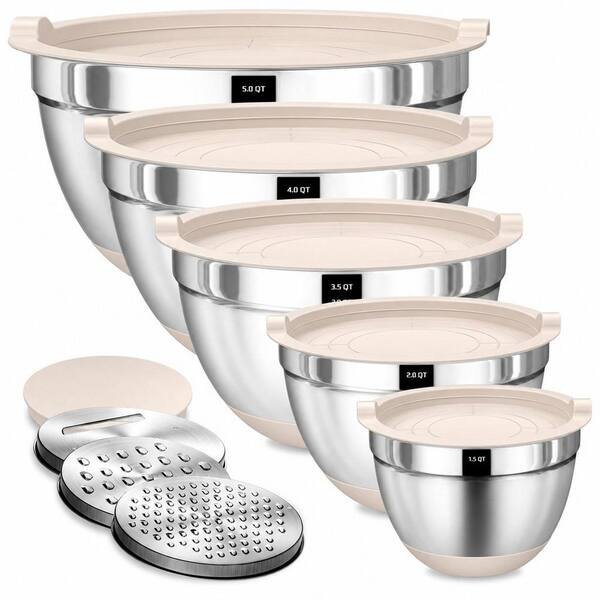
A useful set often includes:
• Small bowl, about 1 to 2 quarts, for spices, sauces, eggs, and small ingredients
• Medium bowl, about 3 to 5 quarts, for batters, dressings, and chopped foods
• Large bowl, about 6 to 8 quarts, for salad, dough, whipped cream, and batch cooking
• Extra-large bowl, 10 quarts or more, for catering, bulk prep, and large families
The exact size depends on the recipe. A chef usually chooses a bowl with extra room for movement. For example, salad greens need space to lift and turn without falling over the rim.
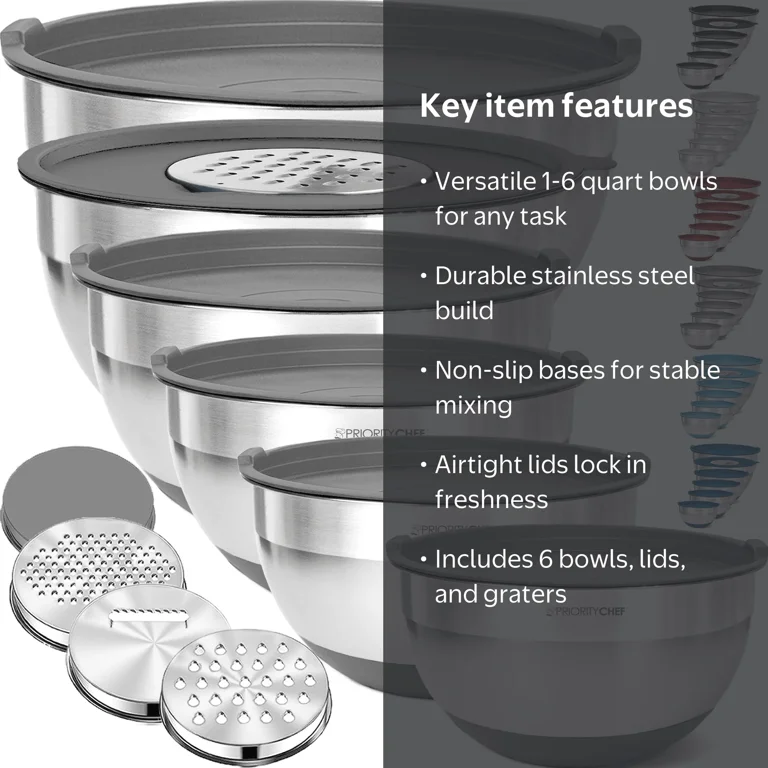
Home cooks often get the most value from a three-bowl set. A small bowl handles prep, a medium bowl covers daily mixing, and a large bowl handles salads, dough, and larger batches.
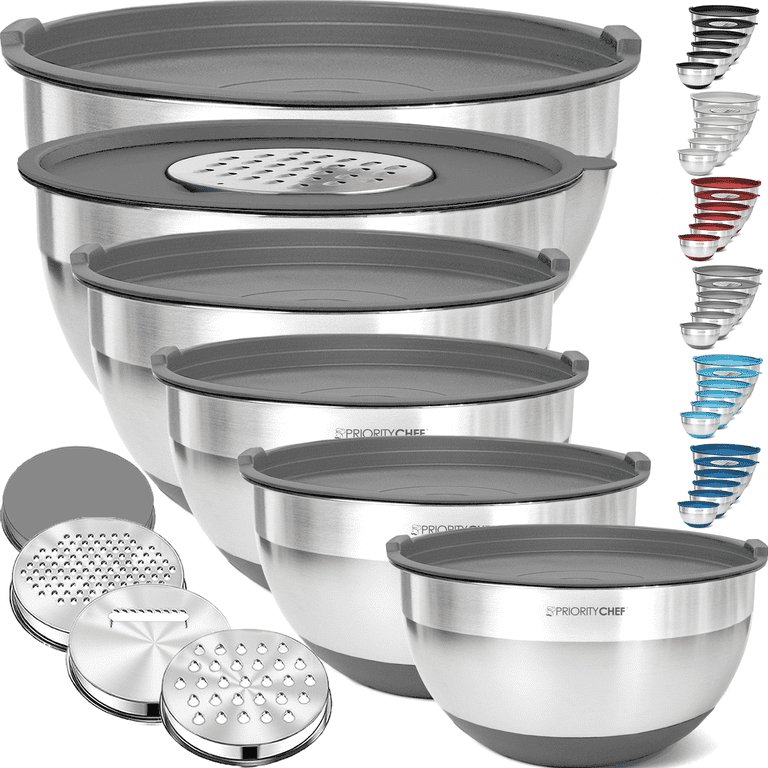
Nesting bowls are popular because they save shelf space. Look for sets with stable bases and enough height between sizes. Some low-cost sets nest tightly but become difficult to remove when wet.

Features that make a chef’s mixing bowl useful
The best mixing bowl is not always the most expensive one. Shape and design often matter more than brand.
Look for these features:
• A flat base that stays steady during whisking
• A wide opening for easy stirring and scraping
• A deep shape that reduces splashes
• A comfortable rim for lifting and pouring
• A pouring lip for batters and sauces
• A rounded interior that helps a whisk reach the edges
• Stackable or nesting construction
• Clear volume markings when accurate measuring matters
A flat base is especially important. I have seen cooks struggle with bowls that spin across the counter while whisking. A stable bowl saves time and prevents mess.
A bowl with a narrow base and wide top can be useful for whipping because it gives the whisk room to move. A deeper bowl is better for tossing food and mixing liquids without splashing.
Handles can help, but they can also take up storage space. For most kitchens, a rolled rim and stable base are more useful than large side handles.
How chefs match bowls to cooking tasks
Chefs choose bowls based on the food’s texture, temperature, and volume. This simple habit improves both speed and results.
For whisking eggs and sauces
Use a medium stainless steel bowl with a rounded interior. It should be deep enough to prevent splashes but wide enough for a whisk.
For mixing cake batter
Use stainless steel, glass, or ceramic. Choose a bowl with extra space because flour and liquid can rise up the sides during mixing.
For bread and pizza dough
Use a large stainless steel or glass bowl. Stainless steel is easier to lift, while glass lets you watch the dough rise.
For tossing salad
Use a wide, lightweight bowl. A large stainless steel bowl works well because it gives greens room to move.
For marinating food
Use stainless steel, glass, or food-safe plastic. Avoid unlined reactive metals, especially when the marinade contains vinegar, citrus, or wine.
For whipping egg whites
Use a clean stainless steel or copper bowl. Avoid greasy plastic because oils can cling to its surface and prevent egg whites from reaching their full volume.

Mixing bowl mistakes chefs try to avoid
Even good bowls can cause problems when used the wrong way. A few common mistakes are easy to prevent.
• Using a bowl that is too small: Ingredients spill, and mixing becomes uneven.
• Choosing reactive metal: Acidic food may develop a metallic taste or change color.
• Using plastic for hot food: Heat may warp the bowl or increase staining.
• Whipping egg whites in a greasy bowl: Fat can stop the whites from foaming well.
• Ignoring thermal shock: Very cold glass may crack when exposed to sudden heat.
• Scratching nonstick cookware with a metal bowl: Hard metal can damage delicate surfaces.
• Leaving food residue on scratched plastic: Deep marks are harder to clean fully.
One lesson experienced cooks learn quickly is that preparation space matters. A bowl should hold more than the ingredients alone. It needs room for the movement of a whisk, spoon, spatula, or pair of tongs.
Clean bowls soon after use. Dried batter and egg can become much harder to remove. For sanitation, wash with hot water and dish soap, rinse well, and dry completely. Commercial kitchens may follow stricter cleaning and sanitizing steps based on local health rules.
How to choose mixing bowls for your kitchen
Start with your cooking habits instead of buying the largest set you can find. A person who makes sauces and omelets needs different sizes from someone who bakes bread every weekend.
Use this simple buying process:
-
Choose stainless steel as your main material.
-
Buy three sizes that nest inside each other.
-
Add a glass bowl if you use a microwave often.
-
Add a large bowl if you make salads, dough, or family-size meals.
-
Choose copper only if you often whip egg whites.
-
Check that every bowl is food safe and easy to clean.
-
Look for a stable base and a comfortable rim.
For most households, a three-piece stainless steel set is enough to start. A four- or five-piece set may suit frequent bakers. Extra bowls are useful when preparing several ingredients at once, but they also take more storage space.
Price can help you judge quality, but it is not the only factor. A simple stainless steel bowl with a strong rim may outperform a decorative bowl with poor balance. Read care instructions and product reviews with attention to real use, not just appearance.
Stainless steel versus glass mixing bowls
Both materials are useful, but they serve different needs.
| Feature | Stainless steel | Glass |
|---|---|---|
| Weight | Light | Heavy |
| Breakage risk | Very low | Higher |
| Microwave use | No | Often yes, if heat safe |
| Odor resistance | Excellent | Excellent |
| Visibility | Low | Excellent |
| Heat response | Fast change | Slow change |
| Storage | Easy to nest | May need more space |
| Best use | Daily prep | Baking, storage, and viewing |
Stainless steel is usually the better everyday choice. Glass is valuable when visibility or microwave use matters.
Many cooks keep both. Stainless steel handles the fast work, while glass handles tasks that benefit from seeing the mixture or moving it into the microwave.
Frequently Asked Questions About What Mixing Bowls Do Chefs Use
What is the most common mixing bowl material in professional kitchens?
Stainless steel is the most common choice because it is durable, light, nonreactive, and easy to clean. Many commercial kitchens use stainless steel bowls in several sizes for prep, mixing, and storage.
Do chefs prefer metal or glass mixing bowls?
Chefs often prefer stainless steel for daily work because it is lighter and less likely to break. Glass is still useful for microwaving, proofing dough, and checking ingredients through the bowl.
What size mixing bowl should every home cook own?
A small, medium, and large bowl set covers most home cooking tasks. A 1- to 2-quart bowl, a 3- to 5-quart bowl, and a 6- to 8-quart bowl provide a practical range.
Why do chefs use copper bowls for egg whites?
Copper can help stabilize whipped egg whites and produce a firm foam. Copper bowls are specialized tools, so clean stainless steel is a more flexible choice for most other recipes.
Are stainless steel mixing bowls safe for acidic foods?
Yes, quality food-grade stainless steel is generally safe for acidic foods such as tomatoes, citrus, and vinegar. Avoid storing highly acidic mixtures for unusually long periods unless the bowl maker gives specific guidance.
Can chefs put stainless steel mixing bowls in the oven?
Some stainless steel bowls may tolerate oven heat, but not all are designed for it. Always check the manufacturer’s temperature guidance, and remember that rims, handles, or coatings may have different limits.
Are plastic mixing bowls good for professional cooking?
Durable food-safe plastic and polycarbonate bowls can be very useful in professional kitchens. They are light and tough, but they may absorb odors, scratch, stain, or warp when exposed to high heat.
Conclusion
Chefs use several types of mixing bowls, but stainless steel remains the main choice for everyday cooking. Glass helps with microwaving and visibility, plastic supports fast and light prep, copper benefits whipped egg whites, and ceramic works well for serving and baking.
For most kitchens, start with three nesting stainless steel bowls in small, medium, and large sizes. Add a heat-safe glass bowl if you bake often or use a microwave. Choose bowls with a stable base, wide opening, smooth interior, and easy-clean surface.
The right mixing bowls make cooking calmer and cleaner. Use this guide to build a set that fits your recipes, storage space, and cooking style, then share your favorite bowl choice or explore more kitchen equipment guides.

Liora Pennings is a seasoned chef and kitchen enthusiast with a passion for turning everyday cooking into an effortless experience. With years of hands-on culinary expertise, she specializes in practical techniques, ingredient know-how, and smart kitchen solutions that help home cooks elevate their meals. At KitchFlair.com, Liora shares her best tips, time-saving tricks, and honest product reviews to guide readers toward a more efficient, enjoyable, and inspired cooking routine. Whether you’re a beginner or a seasoned home chef, Liora’s friendly, knowledge-packed insights make every visit to the kitchen a little easier—and a lot more delicious.