What Is The Meaning Of Mixing Bowl: Explained
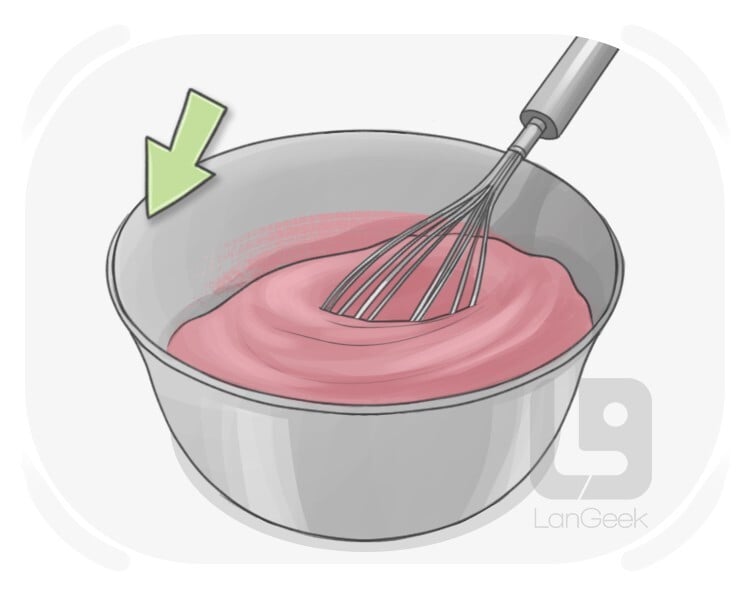
A mixing bowl is a kitchen container used to combine, mix, whisk, or prepare food ingredients.
Understanding what is the meaning of mixing bowl helps you choose the right bowl for baking, cooking, meal prep, and serving. Although the tool looks simple, its shape, size, and material affect how easily you mix ingredients and control spills.
What Is the Meaning of Mixing Bowl?
The meaning of mixing bowl is a bowl made for combining food ingredients. You can use it to stir batter, whisk eggs, toss salad, knead small amounts of dough, or mix sauces.
A mixing bowl is usually wider at the top than at the base. This shape gives you room to move a spoon, whisk, spatula, or electric mixer. Many bowls also have a rounded bottom, which helps ingredients move toward the center.
In simple terms, what is the meaning of mixing bowl can be explained in three words: a food-mixing container. It is one of the most useful tools in a kitchen because many recipes need more than one ingredient combined in one place.
A mixing bowl may be used by home cooks, professional chefs, bakers, restaurants, and food manufacturers. The term often refers to both the bowl itself and a set of bowls in different sizes.
What Is a Mixing Bowl Used For?
A mixing bowl has many uses. Its main purpose is to hold ingredients while you combine them. However, its wide design makes it useful for many other kitchen tasks.
Common uses include:
• Mixing cake batter and cookie dough
• Beating eggs and cream
• Combining flour, sugar, salt, and spices
• Tossing vegetables or salad
• Preparing marinades and sauces
• Holding chopped ingredients during meal prep
• Rising bread dough
• Serving snacks, fruit, or side dishes
• Storing food in the refrigerator
For example, when making pancakes, you can use a mixing bowl to combine flour, milk, eggs, and baking powder. When making a salad, the same type of bowl gives you enough space to toss the ingredients without pushing them onto the counter.
The meaning of mixing bowl also includes its role in keeping cooking organized. Instead of mixing food directly on a cutting board or in a small cup, you use one clean space that is easy to reach and clean.

Why Is It Called a Mixing Bowl?
The name comes from the bowl’s main job: mixing. A bowl is a rounded container, and the word “mixing” explains how it is used.
Unlike a regular serving bowl, a mixing bowl is built for active movement. You can stir, fold, whisk, beat, or toss ingredients inside it. Its deeper sides help reduce splashes and keep food from falling out.
When people ask what is the meaning of mixing bowl, they may also want to know how it differs from other bowls. A mixing bowl is usually more practical than decorative. It often has a stable base, a strong rim, and enough depth for vigorous mixing.
Some mixing bowls include:
• Pouring spouts
• Non-slip bases
• Handles
• Measurement marks
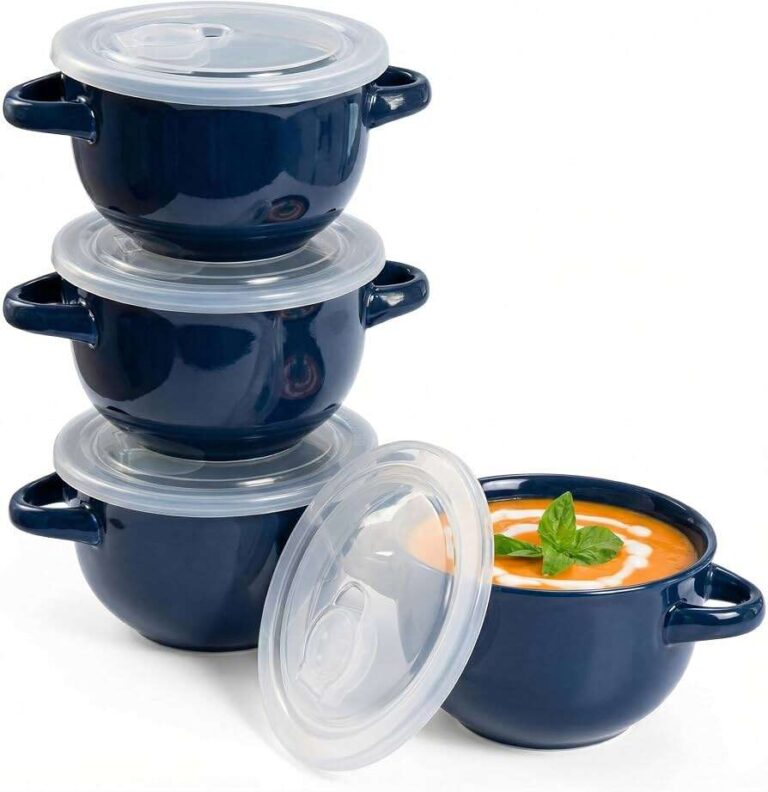
• Lids
• Nesting designs
These features are not required, but they can make kitchen work easier.

Types of Mixing bowls
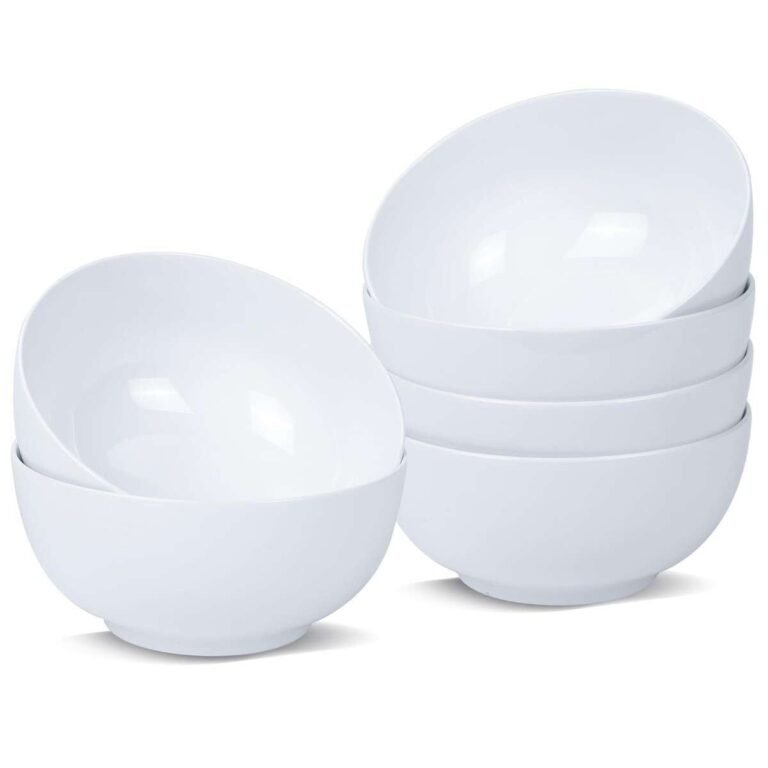
mixing bowls come in many materials and designs. Each type has strengths and limits.
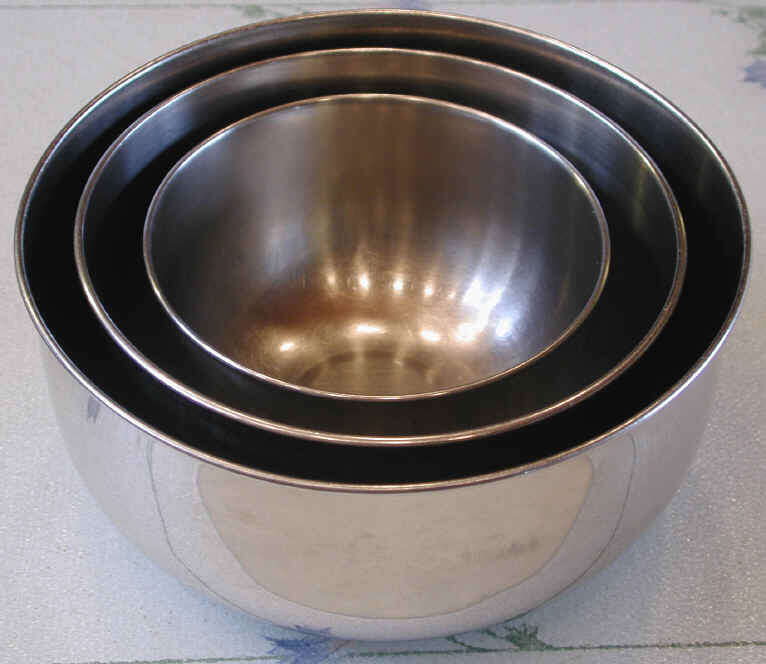
Stainless Steel Mixing Bowls
Stainless steel bowls are light, strong, and easy to clean. They do not crack easily, and they work well for whisking, tossing, and mixing.
They are also useful for whipping cream or egg whites because they stay cool when chilled. However, stainless steel can react with some very acidic foods if the bowl is low quality or damaged, so a good food-grade bowl is the better choice.
Glass Mixing Bowls
Glass bowls let you see the ingredients as you mix them. They are useful for measuring layers, checking dough, and heating some foods in a microwave if the bowl is labeled microwave-safe.
Glass is also nonreactive, which means it usually does not affect acidic foods such as tomatoes, citrus, or vinegar. Its main weakness is weight and breakage.
Plastic Mixing Bowls
Plastic bowls are light, affordable, and easy to carry. They are helpful for children, outdoor cooking, and large meal preparation.
Choose food-safe plastic and follow the care instructions. Some plastic bowls can stain, hold odors, or become scratched over time. Do not use a plastic bowl in a microwave unless the label clearly says it is safe.
Ceramic Mixing Bowls
Ceramic bowls are attractive and often work well for mixing and serving. Their weight can keep them steady while you stir.
They may chip or crack if dropped. Some ceramic bowls also have a rough inside surface that makes scraping dough harder.
Copper Mixing Bowls
Copper bowls are often used for beating egg whites. Copper can help create a stable foam, which is useful for certain desserts.
These bowls need careful cleaning and storage. They are less common for everyday cooking because they cost more and need special care.
src="https://img.reverso.net/dict/mixing_bowl-noun-cooking-ca9e706e_1-x3.webp"
alt="Types of Mixing bowls”
style=”max-width: 100%; height: auto; border: 2px solid black; border-radius: 10px; display: block; margin: 0 auto;”
loading=”lazy”
/>
How to Choose the Right Mixing Bowl
The best mixing bowl depends on what you cook, how much you prepare, and how you clean your kitchen tools.
Consider these points:
- Size
Small bowls are good for whisking one egg, mixing spices, or holding chopped herbs. Medium bowls work well for sauces, pancake batter, and small salads. Large bowls are better for bread dough, cookie dough, and family-size salads.
A useful home set often includes small, medium, and large bowls. This gives you flexibility without filling every cabinet.
- Material
Choose stainless steel if you want strength and light weight. Choose glass if you want visibility and a nonreactive surface. Choose plastic if you need a light bowl for daily use.
- Stability
A bowl should not slide across the counter while you mix. Look for a wide base, rubber ring, or non-slip bottom.
- Depth
A deeper bowl helps prevent splashes. This matters when using a hand mixer or whisking thin liquids.
- Cleaning
Dishwasher-safe bowls save time. Smooth surfaces are also easier to wash by hand because food is less likely to stick.
- Storage
Nesting bowls fit inside one another. This design saves cabinet space and keeps your kitchen more orderly.
When learning what is the meaning of mixing bowl, remember that the best bowl is not always the most expensive one. A simple, sturdy bowl that fits your cooking habits may serve you for many years.

Mixing Bowl Sizes and Their Best Uses
Mixing bowl sizes are often listed by quarts. The exact size you need depends on the recipe and the amount of food.
• 1 to 2 quarts: Eggs, spices, sauces, and small portions
• 3 to 4 quarts: Pancake batter, small salads, and cookie dough
• 5 to 6 quarts: Cakes, larger salads, and family meals
• 7 quarts or more: Bread dough, party-size salads, and bulk cooking
Leave extra room in the bowl. A bowl that is filled to the rim is hard to stir and easy to spill.
One practical lesson is to use a bowl that is larger than you first expect. When I prepare a salad or mix cookie dough, extra space makes tossing easier and keeps flour from dusting the counter. A bowl can be technically large enough and still feel too small during real use.

Mixing Bowl vs. Other Kitchen Bowls
A mixing bowl and a serving bowl may look alike, but they serve different purposes.
A mixing bowl is made for active preparation. It often has a deeper shape and a stable base. A serving bowl is usually designed to look attractive on the table and may have a wider, more decorative form.
A prep bowl is usually smaller. It holds measured ingredients before cooking. A food storage bowl may include a lid and may be designed for the refrigerator or freezer.
Here is a simple comparison:
| Bowl type | Main purpose |
|---|---|
| Mixing bowl | Combining and preparing ingredients |
| Serving bowl | Presenting food at the table |
| Prep bowl | Holding small measured ingredients |
| Storage bowl | Keeping food fresh |
| Double boiler bowl | Gentle heating over hot water |
The meaning of mixing bowl is therefore more specific than the general word “bowl.” It describes a bowl used mainly during food preparation.

Benefits of Using a Mixing Bowl
A good mixing bowl improves both speed and control in the kitchen.
It Keeps Ingredients Together
The bowl prevents flour, eggs, vegetables, and liquids from spreading across the counter. This makes cooking cleaner and more efficient.
It Makes Mixing Easier
The rounded sides give ingredients space to move. You can fold batter gently or whisk liquids quickly.
It Supports Better Portion Control
A mixing bowl lets you combine ingredients in one measured batch. This helps you follow recipes with fewer errors.
It Reduces Mess
Deep sides help contain splashes and spills. This is especially helpful when using an electric hand mixer.