What Is The Function Of Mixing Bowl: Uses Explained
A mixing bowl holds, combines, and prepares ingredients for cooking, baking, whisking, and serving.
The function of a mixing bowl goes far beyond holding food. Its shape, depth, material, and size help you mix ingredients evenly, reduce spills, control texture, and work more safely. Whether you are beating eggs, kneading dough, tossing salad, or marinating chicken, the right bowl makes the task easier and more consistent.
What Is the Function of a Mixing Bowl?
The main function of a mixing bowl is to provide a clean, stable space where ingredients can be combined. It keeps food contained while you stir, whisk, beat, fold, or knead. A good bowl also gives ingredients enough room to move without spilling over the sides.
In baking, a mixing bowl helps distribute dry and wet ingredients evenly. This step matters because uneven mixing can create dry pockets of flour, lumps, or parts of a cake that do not rise well. In cooking, the bowl can hold chopped foods, sauces, marinades, batters, and prepared ingredients.
The function of a mixing bowl also includes:
• Holding ingredients before cooking
• combining several ingredients into one mixture
• Supporting tools such as whisks, spoons, spatulas, and hand mixers
• Reducing mess on the counter
• Allowing food to rest, chill, rise, or marinate
• Making it easier to transfer food to a pan, pot, or serving dish
Think of a mixing bowl as a small workspace. It gives your ingredients room to come together in a controlled way.

Why Is a Mixing Bowl Important in Cooking?
A mixing bowl improves control. Without one, you may try to combine ingredients on a plate, in a pot, or directly on the counter. Those options often make mixing harder and increase the risk of spills.
The function of a mixing bowl is especially important when ingredients need air. Whisking egg whites, whipping cream, or beating eggs requires space for movement. A deep bowl helps keep the mixture inside while a whisk or mixer creates volume.
A mixing bowl also supports good food preparation habits. You can measure ingredients into separate bowls before cooking, a method often called mise en place. This helps you follow recipes with less stress and lowers the chance of forgetting an ingredient.
A bowl can also protect your counter from:
• Flour and sugar
• Raw egg
• Oil and sauces
• Chopped herbs and vegetables
• Meat juices during marinating
In practical kitchen work, a bowl is like a safe meeting place for ingredients. Each part can be prepared alone, then combined at the right time.
Common Uses of a Mixing Bowl
The function of a mixing bowl changes slightly based on the food you are preparing. It can support simple daily tasks or more detailed baking work.
Mixing dry ingredients
A mixing bowl lets you combine flour, baking powder, salt, cocoa powder, spices, and sugar. Stirring these ingredients first helps spread small amounts of salt or leavening agents through the flour.
This step is useful for cakes, cookies, muffins, pancakes, and bread. It can help prevent one bite from tasting too salty or one part of the batter from rising more than another.
Combining wet ingredients
You can use a bowl to mix eggs, milk, water, melted butter, oil, vanilla, and other liquids. A spout or rounded edge can make the mixture easier to pour later.
For example, a bowl is ideal for whisking eggs before adding them to a cake batter or stirring oil and vinegar into a salad dressing.
Making dough and batter
A deep bowl gives dough space to form as you stir. It also helps keep flour from spreading across the counter.
The function of a mixing bowl is very clear when making bread. You can combine the ingredients, knead the dough inside the bowl, and cover it while it rests. Some doughs need room to expand, so choose a bowl that holds at least twice the starting volume.
Whipping and beating
A mixing bowl supports a whisk, hand mixer, or electric beater. Its depth helps stop splashes and gives the mixture enough room to move.
Stainless steel and glass bowls work well for many whipping tasks. However, when beating egg whites, the bowl must be clean and free of grease. Even a small amount of fat can make it harder for egg whites to form a firm foam.
Tossing food
Large bowls are useful for salads, pasta, roasted vegetables, popcorn, and fruit. Their wide shape gives you room to lift and turn food without crushing it.
A large mixing bowl is often better than a small one for tossing. The food has room to move, so dressing spreads more evenly and delicate ingredients are less likely to break.
Marinating food
A mixing bowl can hold meat, seafood, tofu, vegetables, and marinade. Use glass, stainless steel, or food-safe plastic for acidic mixtures.
Acidic foods such as vinegar, lemon juice, and tomatoes may react with some metals. Avoid unlined aluminum or copper bowls for long marinades unless the manufacturer says they are safe.
How Bowl Shape Affects Its Function
Bowl shape affects how well ingredients mix. A deep bowl helps contain splashes, while a wide bowl gives you more space for folding and tossing.
A rounded interior is helpful because a whisk or spatula can reach more of the mixture. Sharp corners may trap flour, sugar, or batter. This can lead to uneven results unless you scrape the sides often.
A useful mixing bowl may have:
• A stable base to prevent sliding
• A deep interior to reduce splashes
• A rounded shape for easy stirring
• A pouring lip for liquids and batter
• A handle for better control
• Measurement marks for quick estimates
The function of a mixing bowl depends on matching the shape to the job. Use a tall bowl for whipping and a wide bowl for salads or folding flour into batter.
Why size matters
A small bowl works well for sauces, dressings, spices, and one or two eggs. A medium bowl suits cake batter, pancake mix, and chopped ingredients. A large bowl is better for bread dough, salad, pasta, and meals for several people.
Do not fill a bowl to the rim. Leave enough space for stirring and expansion. As a simple guide, fill the bowl no more than two-thirds full when using a hand mixer or tossing food.

Types of Mixing Bowls and Their Best Uses
Mixing bowls come in several materials. Each type has strengths and limits.
Stainless steel bowls
Stainless steel bowls are light, strong, and easy to clean. They do not absorb odors and can last for many years.
They are useful for:
• Whisking eggs
• Mixing dough
• Preparing large batches
• Using with a hand mixer
• Chilling ingredients over ice
A stainless steel bowl can become cold quickly, which helps when whipping cream. It may also react with some foods if the steel is poor quality, but high-quality food-grade stainless steel is generally a reliable choice.
Glass bowls
Glass bowls let you see the ingredients as they mix. They are useful when checking layers, color, and texture.
Glass does not usually absorb odors or stains. It can also move from the refrigerator to the table. However, glass is heavier and may break if dropped or exposed to sudden temperature changes.
Plastic bowls
Plastic bowls are light, affordable, and easy to handle. They work well for everyday cooking, especially when children are helping in the kitchen.
Their limits include staining, scratching, and absorbing odors over time. Check the label before placing a plastic bowl in a microwave or dishwasher.
Ceramic bowls
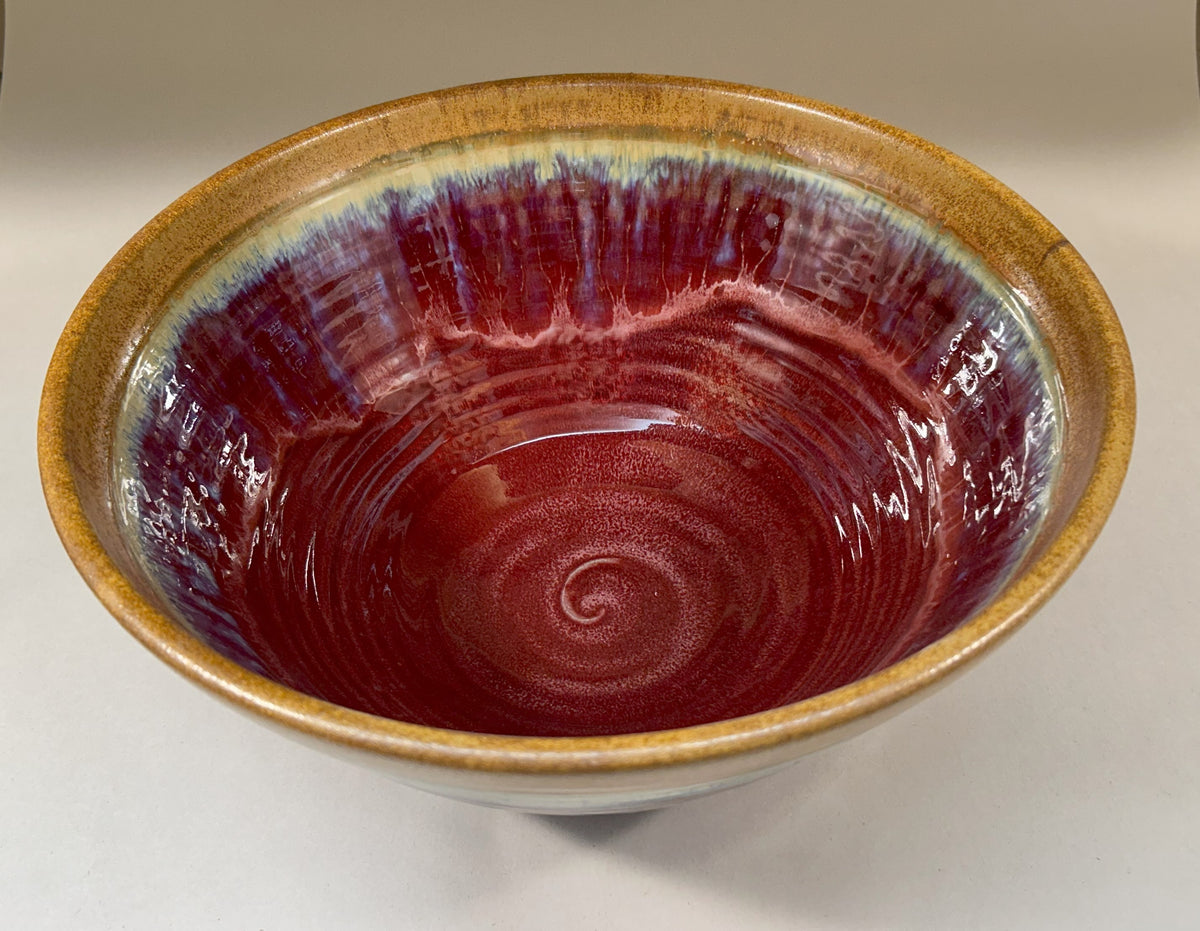
Ceramic bowls are attractive and often useful for mixing and serving. Their weight helps keep them steady on the counter.
They can chip or break if handled roughly. Some ceramic finishes may also stain, so read the care instructions.
Copper bowls
Copper bowls are known for their special use with egg whites. Copper ions can help stabilize the foam, which may create a smoother and more durable meringue.
Copper requires care and should not be used with every food. Acidic ingredients can react with bare copper, so choose a lined bowl or use copper only for suitable recipes.
How to Choose the Right Mixing Bowl
Choosing a bowl depends on your cooking habits, storage space, and the foods you make most often. You do not need an expensive set to prepare good meals.
Look for these features:
• Food-safe material
• A stable base
• Enough depth for stirring
• A size that fits your usual recipes
• Smooth surfaces without deep cracks
• Easy cleaning
• Safe use with your tools and appliances
A three-bowl set is often a practical starting point. Choose one small bowl for sauces and prep, one medium bowl for batters and eggs, and one large bowl for dough and salads.
In hands-on kitchen work, one common mistake is choosing a bowl that is too small. The ingredients may fit at first, but flour spills when you stir and salad leaves fall over the edge. A slightly larger bowl usually gives better control.
Another mistake is using a bowl with a slippery base. Place a damp kitchen towel under it to keep it steady. This simple trick helps when whisking quickly or using a hand mixer.
Mixing Bowl Safety and Food Hygiene
A mixing bowl must be clean before and after use. This is especially important when preparing raw eggs, meat, poultry, or seafood.
The United States Department of Agriculture advises keeping raw animal foods separate from ready-to-eat foods. Use a clean bowl for cooked food or salad after a bowl has held raw meat.
Follow these safe habits:
-
Wash bowls with hot, soapy water after use.
-
Clean utensils that touched raw food before using them again.
-
Do not pour cooked food into a bowl that held raw meat unless it has been washed.
-
Check plastic bowls for deep scratches where food can collect.
-
Follow the care label for heat, dishwasher, and microwave use.
-
Refrigerate perishable mixtures without delay.
Food safety rules matter because a bowl can look clean while still carrying germs. Good washing and separation reduce the risk of cross-contamination.
Also inspect older bowls. Cracks, chips, peeling coatings, and damaged plastic are signs that replacement may be wise. The function of a mixing bowl includes safe food handling, not just mixing.
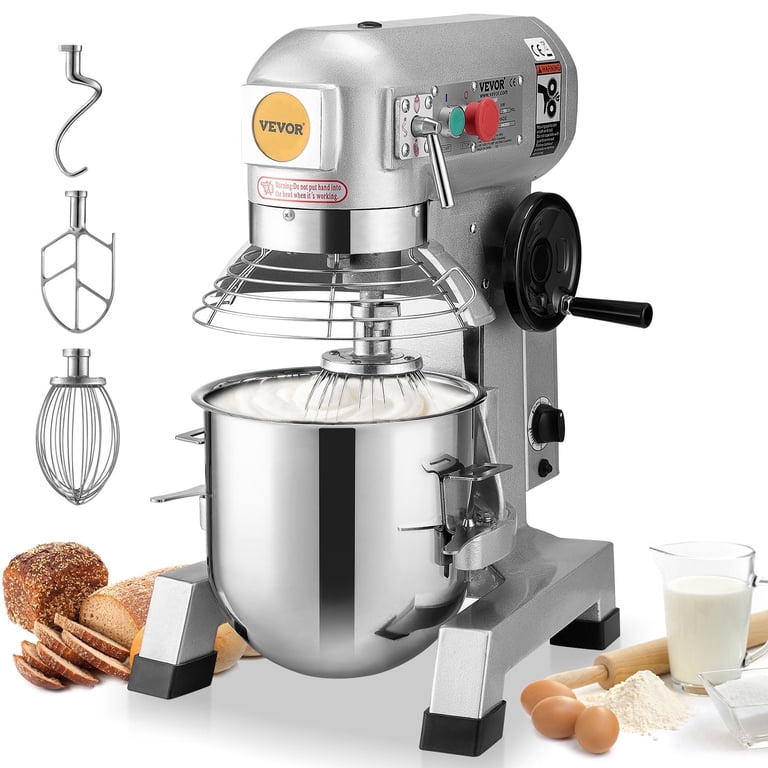
How to Use a Mixing Bowl More Effectively
A few simple habits can improve results.
Start with the right size
Use a bowl with enough room for all ingredients plus movement. This reduces spills and helps you mix evenly.
Add ingredients in stages
Many recipes work better when you add ingredients in a set order. For example, mix dry ingredients together, combine wet ingredients separately, then bring them together.
Scrape the sides
Flour, butter, and batter can stick to the sides. Use a flexible spatula to scrape the bowl during mixing.
Avoid overmixing
Once flour becomes wet, mixing develops gluten. A little gluten helps bread, but too much can make cakes and muffins tough. Stir only until the ingredients come together unless the recipe requires more mixing.
Use a damp towel for stability
Place the towel under the bowl before whisking. It creates grip and makes the task more comfortable.
Cover mixtures during rest
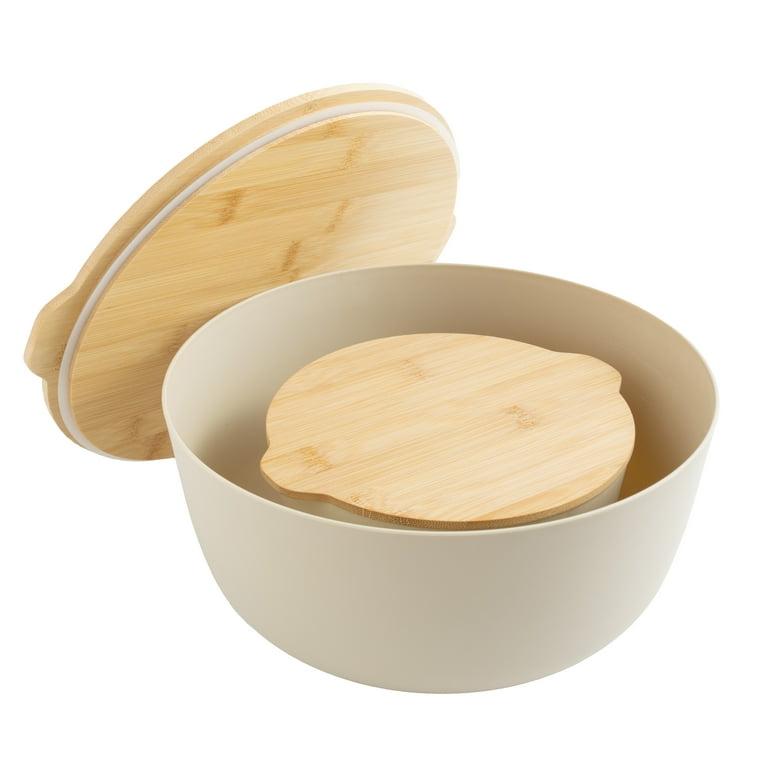
Use a lid, plate, reusable cover, or clean wrap when dough or batter needs to rest. This helps prevent drying and keeps dust away.
The function of a mixing bowl becomes more useful when the bowl supports the full process, from preparation to resting and cleanup.
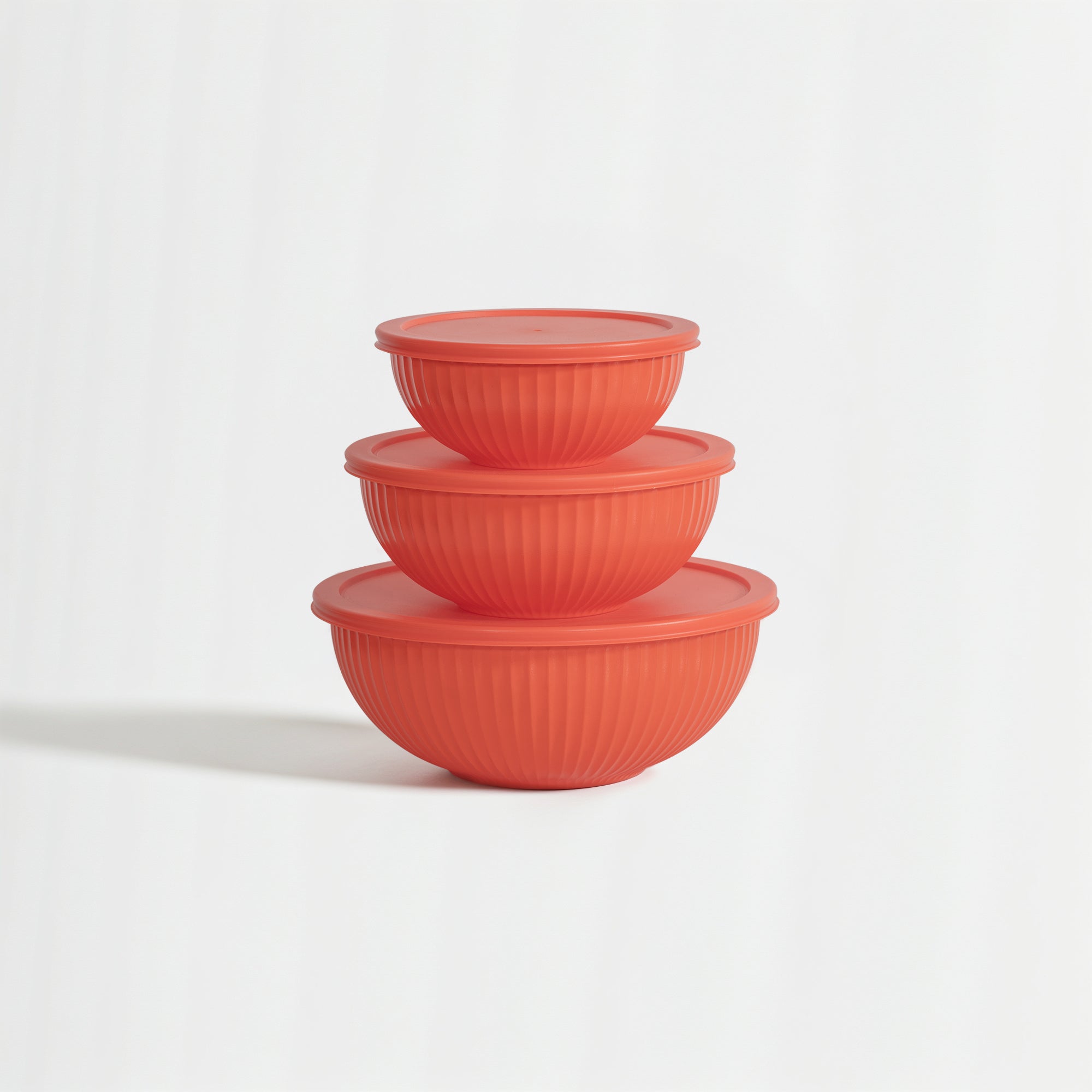
Mixing Bowl vs. Other Kitchen Containers
A mixing bowl is not the only container in a kitchen, but it is designed for active preparation. A pot is made for heating, while a storage container is made for holding food after preparation.
A plate has a wide, shallow shape. It works well for serving or coating food but is less useful for whisking liquids. A measuring cup is useful for accurate volume, but its narrow shape may not give ingredients enough room to mix.
Here is a simple comparison:
• Mixing bowl: best for combining, whisking, folding, tossing, and kneading
• Pot: best for heating, boiling, simmering, and cooking
• Plate: best for serving, coating, and arranging food
• Measuring cup: best for measuring and pouring liquids
• Food storage container: best for storing prepared food
The function of a mixing bowl is active preparation. It gives you space to change separate ingredients into a finished mixture.
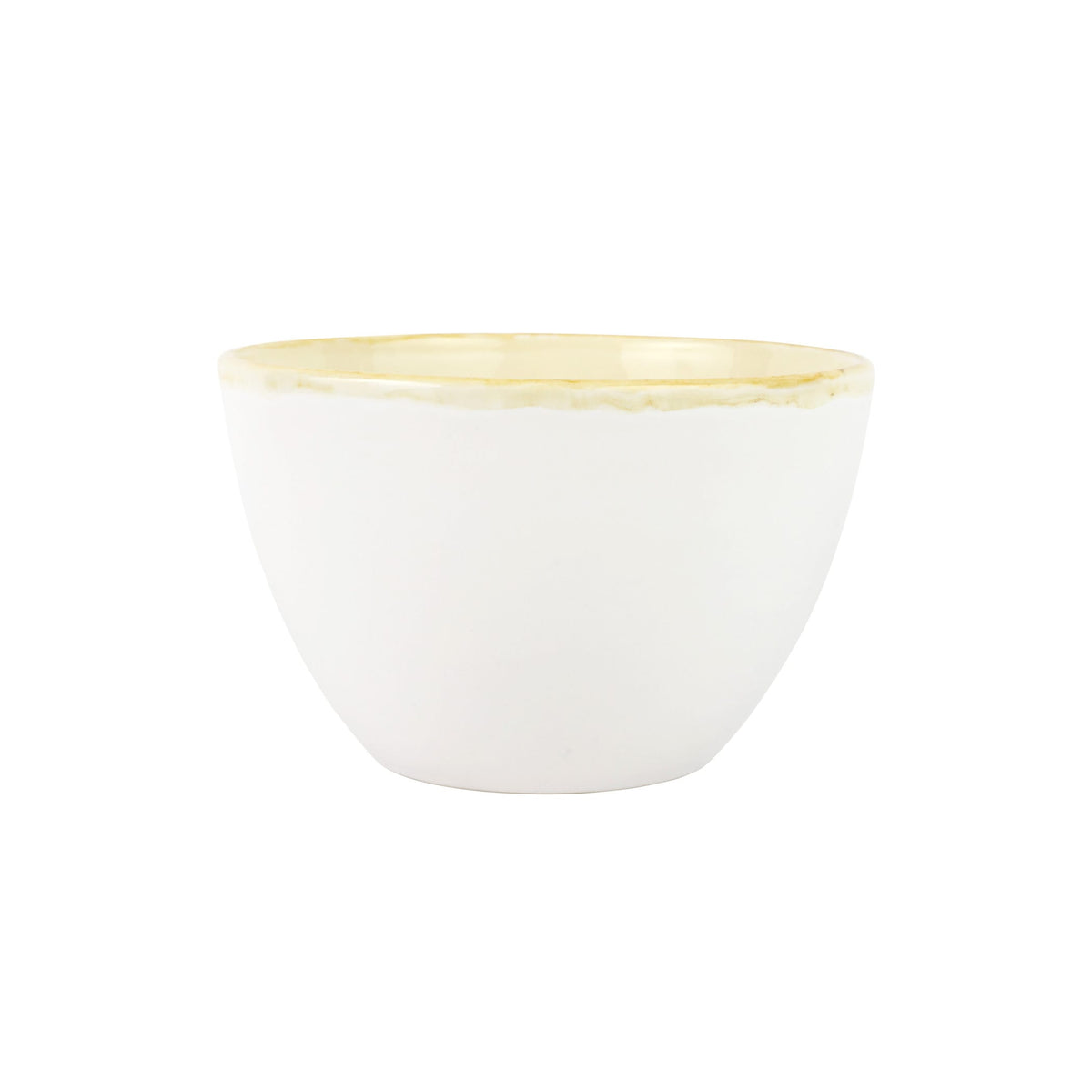
Frequently Asked Questions About What Is the Function of a Mixing Bowl
What is the main function of a mixing bowl?
The main function of a mixing bowl is to hold and combine ingredients safely and evenly. It provides space for stirring, whisking, beating, folding, tossing, and kneading.
Can you use a mixing bowl for serving food?
Yes, many mixing bowls can also serve food. Glass, ceramic, and attractive stainless steel bowls work well for salads, pasta, fruit, and side dishes.
What is the best material for a mixing bowl?
Stainless steel is a strong all-purpose choice because it is light, durable, and easy to clean. Glass is useful when you want to see the mixture, while plastic is convenient for light everyday use.
Why do mixing bowls have sloped or rounded sides?
Rounded sides help whisks and spatulas move through the ingredients. They also reduce trapped food and make scraping the bowl easier.
How many mixing bowls should a kitchen have?
Most kitchens can work well with three bowls: small, medium, and large. The best number depends on how often you bake, cook for groups, or prepare several foods at once.
Can a mixing bowl go in the microwave?
Some glass and plastic mixing bowls are microwave-safe, but not all are. Check the manufacturer’s label before heating food, and never microwave metal bowls.
Why is a large bowl better for tossing salad?
A large bowl gives salad ingredients room to move. This allows dressing to spread evenly without crushing leaves or spilling food over the sides.
Conclusion
The function of a mixing bowl is to give ingredients a clean, stable place to meet. It supports mixing, whisking, beating, folding, kneading, tossing, marinating, resting, and sometimes serving.
The best bowl depends on the task. Choose a deep bowl for whisking, a wide bowl for tossing, and a strong material for frequent use. Keep it clean, avoid overfilling it, and use the right size for each recipe.
A good mixing bowl may seem simple, but it can improve speed, safety, texture, and cleanup in almost every kitchen. Try reviewing the bowls you already own, then add one size or material that fills a gap. Share your favorite kitchen tips or explore more practical cooking guides to build a more useful kitchen setup.

Liora Pennings is a seasoned chef and kitchen enthusiast with a passion for turning everyday cooking into an effortless experience. With years of hands-on culinary expertise, she specializes in practical techniques, ingredient know-how, and smart kitchen solutions that help home cooks elevate their meals. At KitchFlair.com, Liora shares her best tips, time-saving tricks, and honest product reviews to guide readers toward a more efficient, enjoyable, and inspired cooking routine. Whether you’re a beginner or a seasoned home chef, Liora’s friendly, knowledge-packed insights make every visit to the kitchen a little easier—and a lot more delicious.