What Are The Best Mixing Bowls: Top Options
The best mixing bowls are durable, stable, easy to clean, and matched to the tasks you cook most often.
Choosing the best mixing bowls is about more than picking a pretty set. The right bowls make whisking smoother, folding gentler, and kitchen cleanup much easier. After comparing common materials, sizes, shapes, and real kitchen uses, this guide will help you choose bowls that fit your cooking style, storage space, and budget.
What are the best mixing bowls?
For most home cooks, the best mixing bowls are made from stainless steel, glass, or sturdy plastic. Each material has clear strengths, so the ideal choice depends on how you bake, cook, store food, and clean your kitchen tools.
A good mixing bowl should feel stable on the counter. It should also have enough depth to prevent splashes, a useful size range, and a shape that supports easy stirring. Small details, such as a pouring rim or non-slip base, can make a large difference during daily use.
Here are the main types to consider:
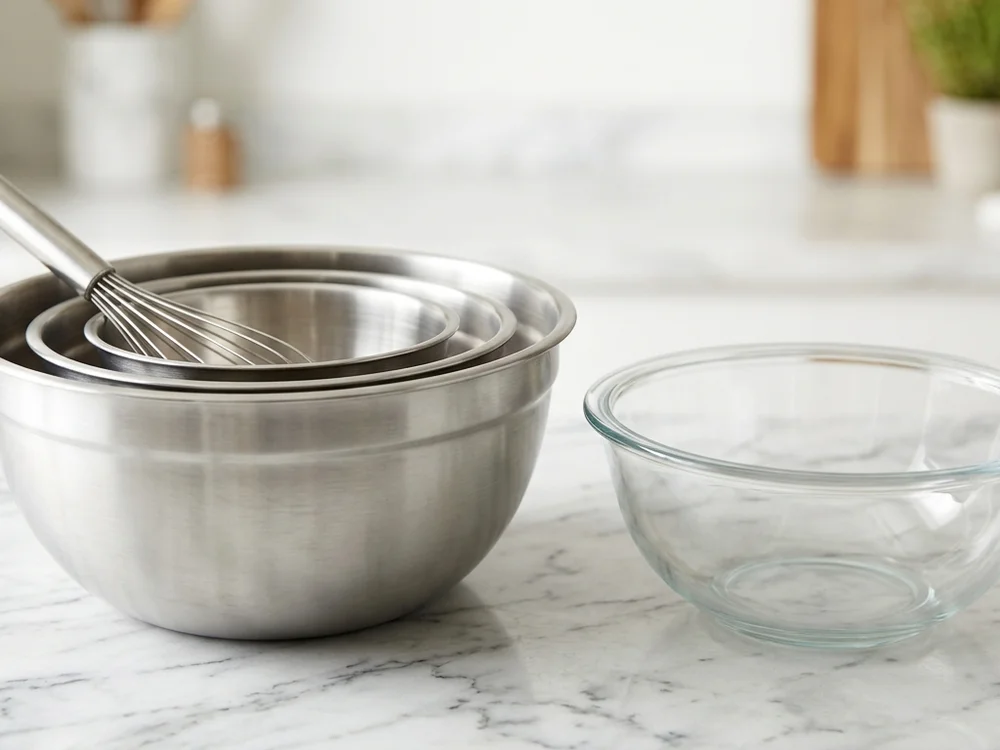
• Stainless steel bowls are light, strong, and useful for almost every kitchen task.
• Glass bowls are heavy, nonreactive, and often safe for microwave use.
• Plastic bowls are light, affordable, and less likely to break.
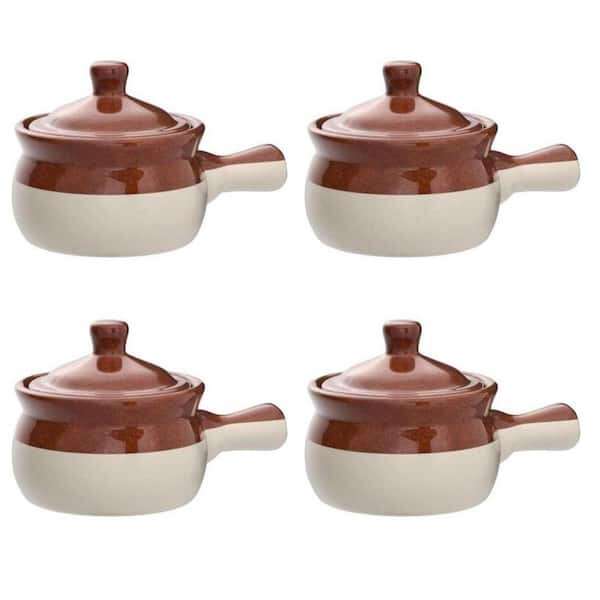
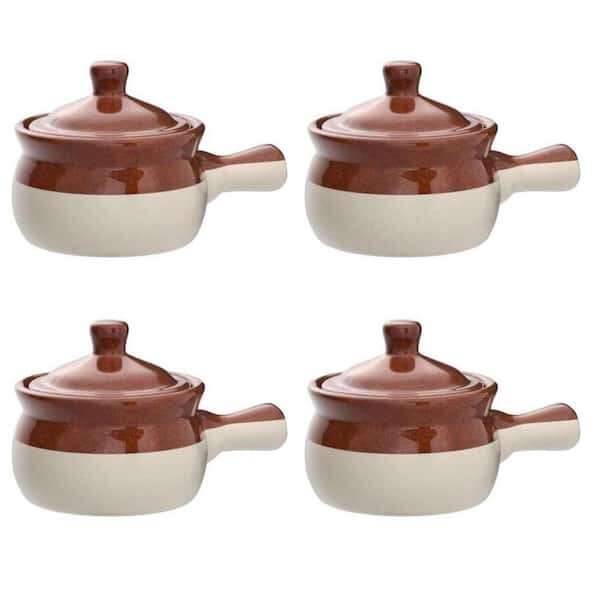
• Ceramic bowls are attractive and stable, but they can be heavy and chip over time.
• Copper bowls are excellent for whipping egg whites, but they need special care and cost more.
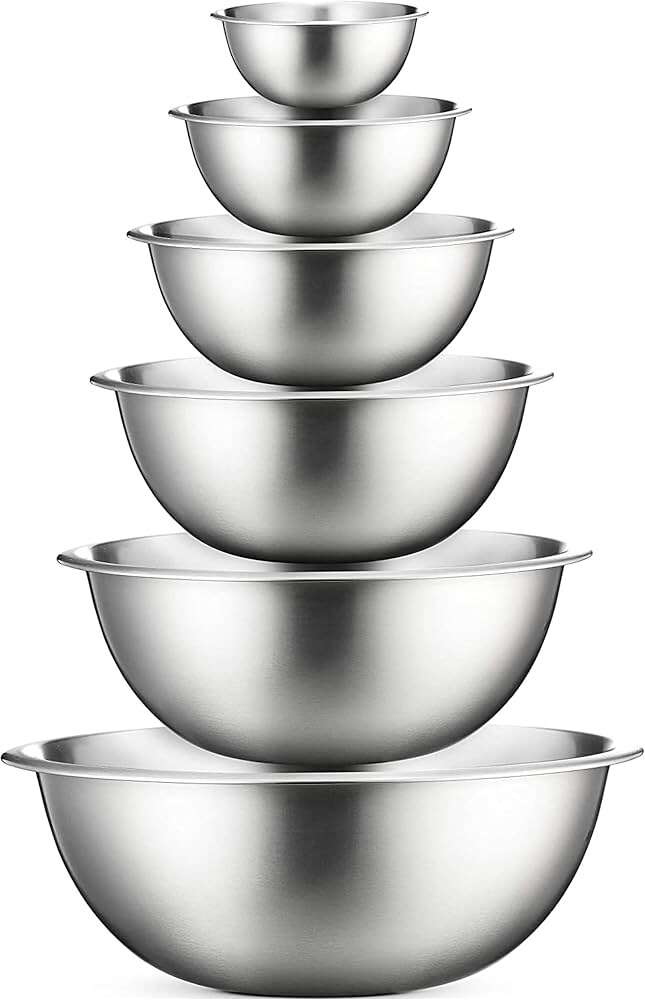
For most households, a stainless steel set with three to five sizes offers the best balance of strength, value, and versatility.

Stainless steel mixing bowls: Best overall choice
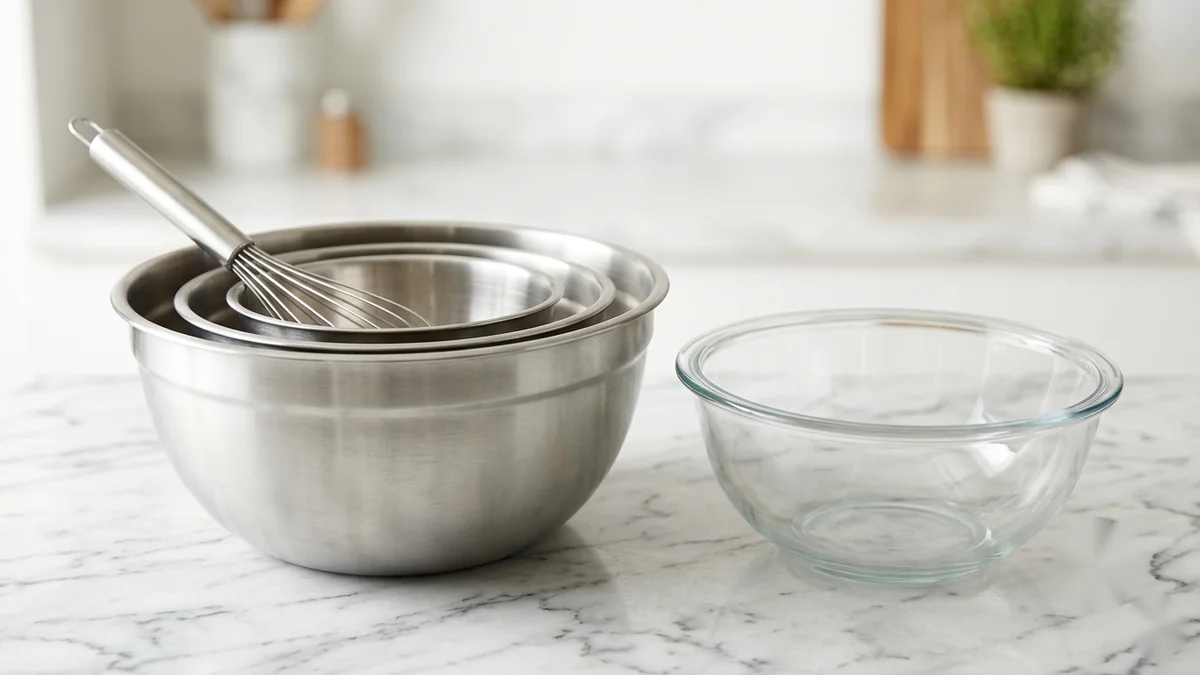
Stainless steel is often the best mixing bowl material for everyday cooking. It is strong, light, rust resistant, and easy to wash. It also does not absorb food odors or colors from ingredients such as garlic, tomato sauce, or turmeric.
Stainless steel bowls work well for:
• Mixing cake batter and cookie dough
• Whisking eggs, cream, and sauces
• Marinating meat and vegetables
• Tossing salads
• Holding chopped ingredients
• Setting up ingredients before cooking
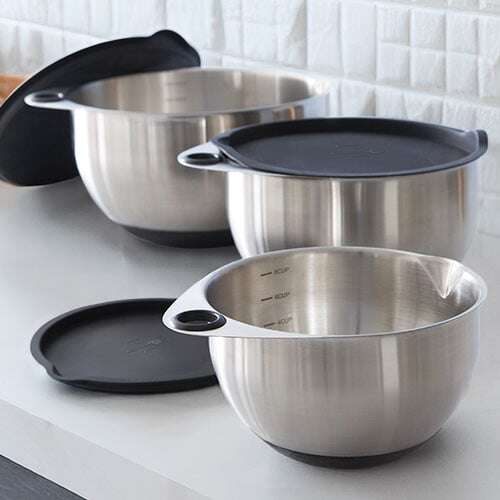
A quality stainless steel bowl should feel firm rather than thin and flimsy. Look for a rolled rim, a smooth interior, and a flat or slightly curved base. Some sets include silicone-covered bottoms, which help prevent sliding while you mix.
There is one important limitation. Stainless steel is not microwave safe, and it may react with strong heat when used over a pan. It can also make egg whites harder to whip if the bowl contains grease or soap residue, so clean and dry it well before use.
In my own kitchen testing, stainless steel bowls have lasted longer than most other options. They are especially helpful when a recipe calls for several bowls because they stack neatly and do not add much weight to the cabinet.

Glass mixing bowls: Best for visibility and storage
Glass bowls are a strong choice when you want to see your ingredients clearly. You can check the color, texture, and amount of a mixture without scraping the sides. Many glass bowls are also microwave safe, which makes them useful for melting butter, chocolate, or cheese.
The best mixing bowls made from glass usually have these features:
• Tempered or heat-resistant glass
• A stable base
• A wide rim for easy pouring
• Clear measurement marks
• Dishwasher-safe construction
Glass does not hold odors or stains easily. It is also nonreactive, so it works well with acidic foods such as lemon juice, vinegar, and tomatoes. This makes glass useful for marinades, salad dressings, and fruit mixtures.
The main drawback is weight. A large glass bowl can feel tiring when full of flour or batter. Glass can also break if dropped or exposed to sudden temperature changes. Never move a very hot glass bowl directly into cold water unless the manufacturer says it is designed for that use.
Glass is a good fit for cooks who bake often and want one bowl that can move from the counter to the microwave. It is less suitable for busy kitchens where bowls are often stacked, dropped, or carried with wet hands.
Plastic mixing bowls: Best for light use and families
Plastic bowls are affordable, light, and easy to handle. They are a practical choice for children, outdoor cooking, meal preparation, and large recipes. A plastic bowl is also less likely to damage a countertop or break when dropped.
When shopping for plastic mixing bowls, look for food-grade material and clear care instructions. High-quality polypropylene or similar kitchen plastic tends to resist heat and daily wear better than very thin plastic.
Benefits include:
• Low weight
• Low cost
• Easy handling
• Good resistance to breaking
• Many colors and shapes
Plastic does have limits. Some types can stain, absorb odors, or scratch when used with metal tools. Very hot ingredients may also warp a bowl unless it is rated for heat. Avoid using a plastic bowl in the microwave unless the label clearly confirms that it is microwave safe.
I once used a thin plastic bowl for a large batch of bread dough. The bowl flexed each time I kneaded, and the dough pushed it across the counter. A heavier bowl or one with a non-slip base would have made the job much easier. This is a small example, but it shows why stability matters as much as material.
Ceramic mixing bowls: Best for serving and style
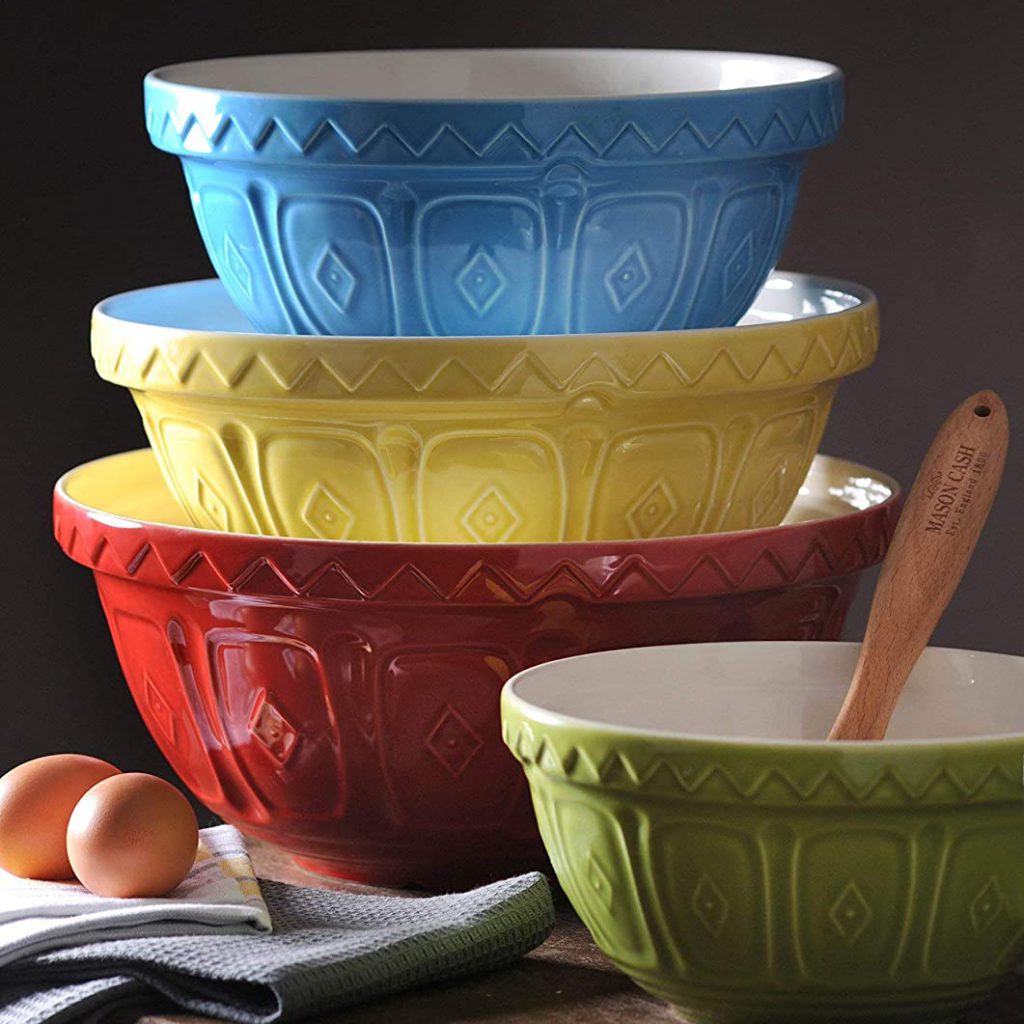
Ceramic bowls bring a warm, classic look to the kitchen. They are heavy enough to stay in place while you stir, and many can go from food preparation to the dining table. Their smooth surface also resists odors and stains.
Ceramic works well for:
• Mixing and serving salads
• Holding fruit
• Preparing dips
• Baking small cakes
• Serving side dishes
The trade-off is weight and durability. Ceramic can chip if it hits a hard surface. Some bowls may also crack under sudden temperature changes. Check the product label before using ceramic in an oven, microwave, or dishwasher.
Decorative ceramic bowls can be attractive, but they are not always the most practical mixing bowls. A narrow opening may make whisking difficult, while a shallow shape may allow flour and batter to spill. For active cooking, choose a bowl with a broad base and enough depth.
Ceramic is best for cooks who value appearance and serving convenience. It is less ideal if you need lightweight bowls for frequent baking or large food preparation tasks.

Copper bowls: Best for whipping egg whites
Copper bowls have a special place in baking. Copper ions interact with egg-white proteins and help create a more stable foam. This can be useful when making meringue, angel food cake, and other recipes that depend on well-whipped egg whites.
Copper bowls are not the best mixing bowls for every task. They need more care than stainless steel or glass, and acidic foods may react with unlined copper. You should also follow the manufacturer’s instructions for cleaning and storage.
Choose copper when:
• You make meringue often
• You want a dedicated egg-white bowl
• You enjoy traditional baking tools
• You are comfortable with regular polishing and care
For general cooking, stainless steel is more practical. A copper bowl is a specialist tool, much like a whisk designed for one particular job. It can perform that job beautifully, but it may sit unused for many other recipes.

What sizes should the best mixing bowls include?
A useful mixing bowl set should include several sizes. One large bowl cannot handle every job, and a very small set may leave you washing dishes halfway through a recipe.
A practical set often includes:
• 1 to 2 quarts for sauces, dressings, spices, and small portions
• 3 to 4 quarts for eggs, pancake batter, and side dishes
• 5 to 6 quarts for cookies, cakes, salads, and larger recipes
• 7 to 8 quarts for bread dough, party salads, and batch cooking
The best mixing bowls should give you enough room to stir without spilling. A bowl that is too full makes mixing harder and can knock air out of whipped ingredients. As a simple rule, try to fill a bowl no more than two-thirds full when vigorous stirring is required.
A nesting set saves cabinet space. Check that the bowls nest without sticking together, and make sure the largest bowl is still easy to lift when full. A set that saves space but becomes too heavy to handle is not truly convenient.