How To Use A Mixing Bowl: Easy Guide
Use a mixing bowl to combine, whisk, fold, knead, marinate, or serve ingredients with control and less mess.
Learning how to use a mixing bowl is one of the first useful skills in any kitchen. The right bowl, method, and tool can make baking, cooking, meal prep, and cleanup much easier. This guide explains practical techniques, common mistakes, food safety tips, and simple ways to get more from every bowl in your kitchen.
What Is a Mixing Bowl?
A mixing bowl is a deep kitchen container used to combine, prepare, hold, or serve food. Most bowls have a rounded base and tall sides. This shape gives you room to stir ingredients without sending flour, batter, or dressing over the counter.
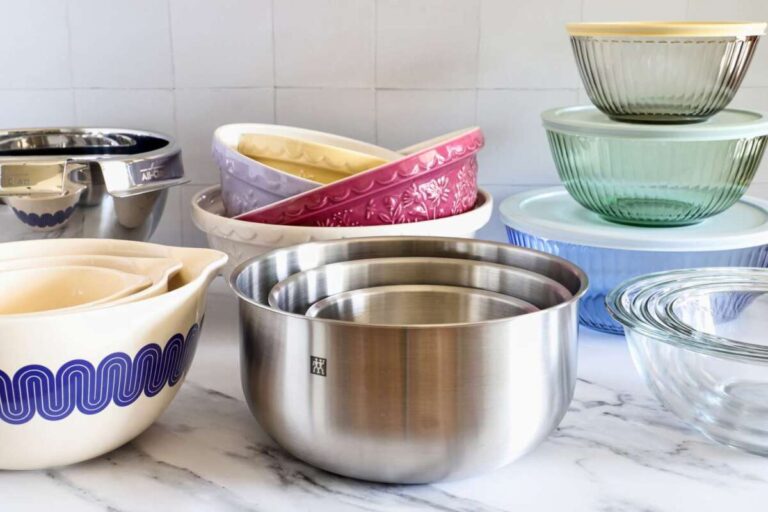
Mixing bowls come in several materials, including stainless steel, glass, ceramic, plastic, and silicone. Each type has different strengths.
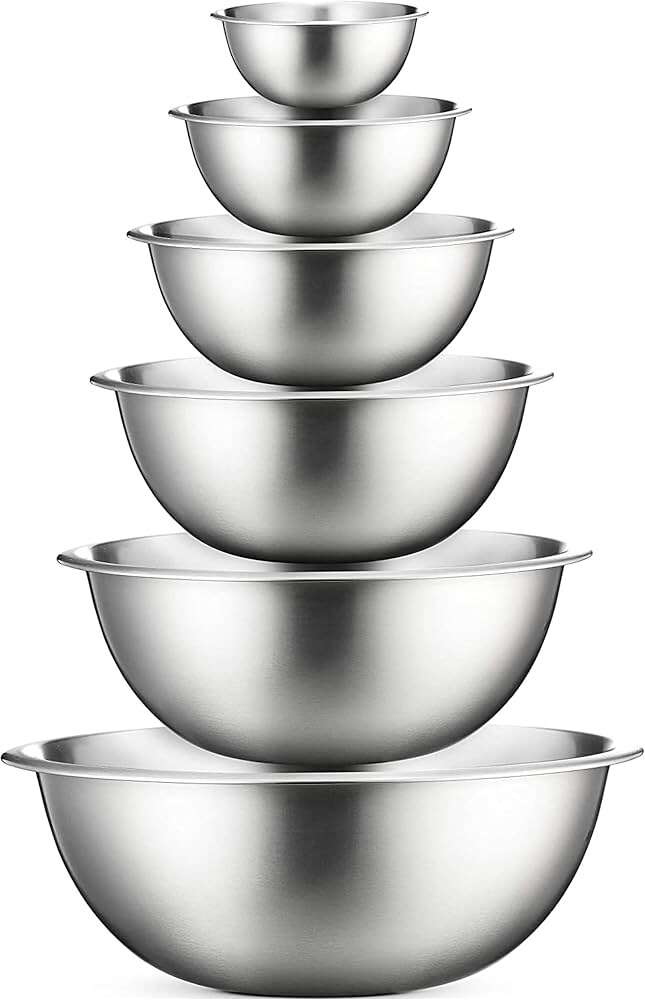
• Stainless steel is light, strong, and useful for baking, whisking, and chilling food.
• Glass lets you see the ingredients and often works well in a microwave, if labeled microwave-safe.
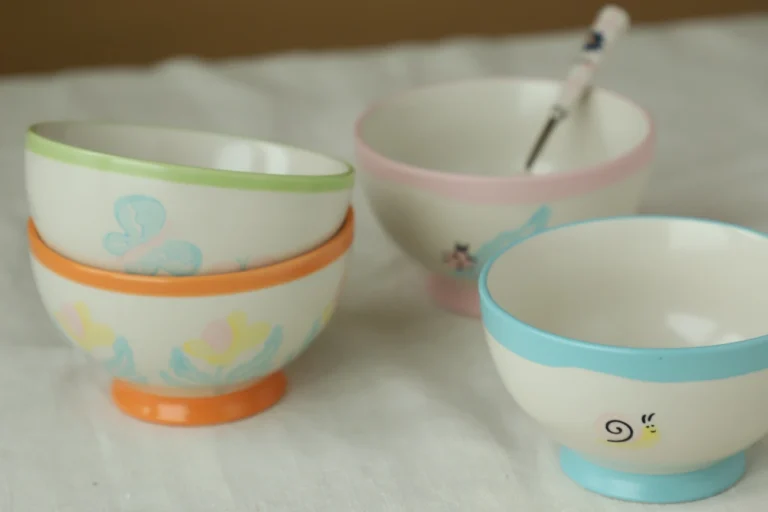
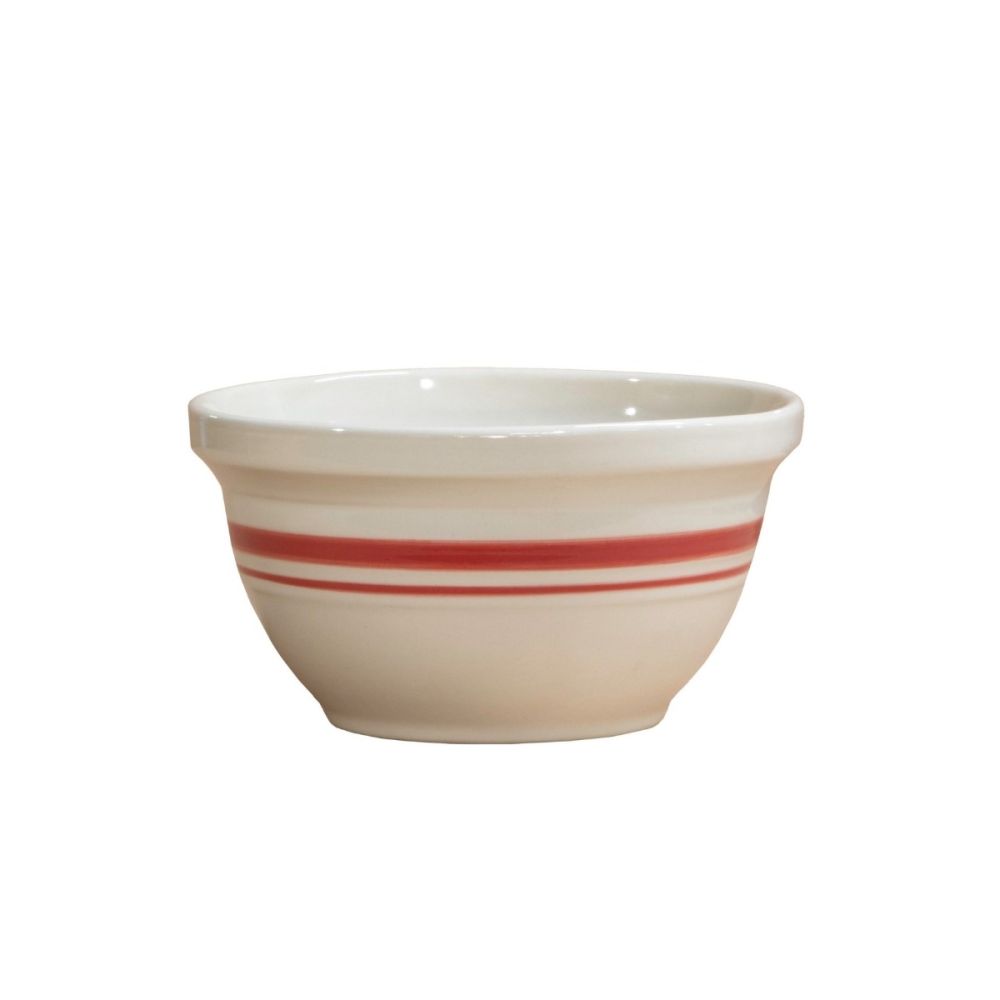
• Ceramic holds heat well and can look attractive on a serving table, but it may chip or break.
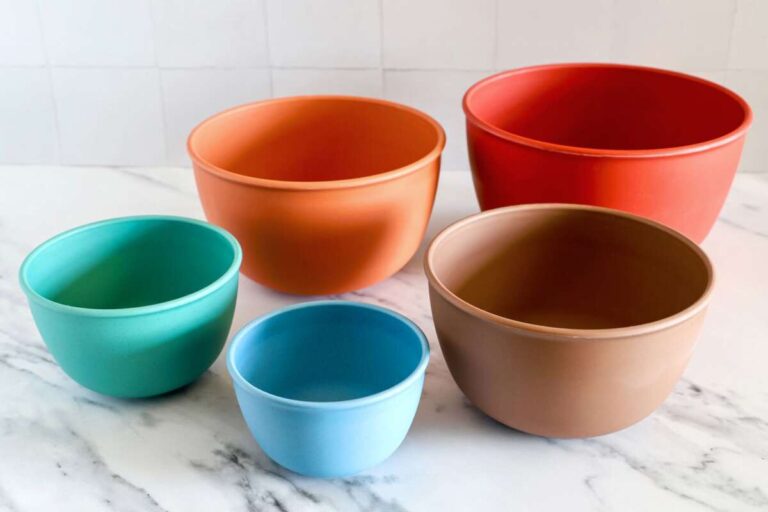
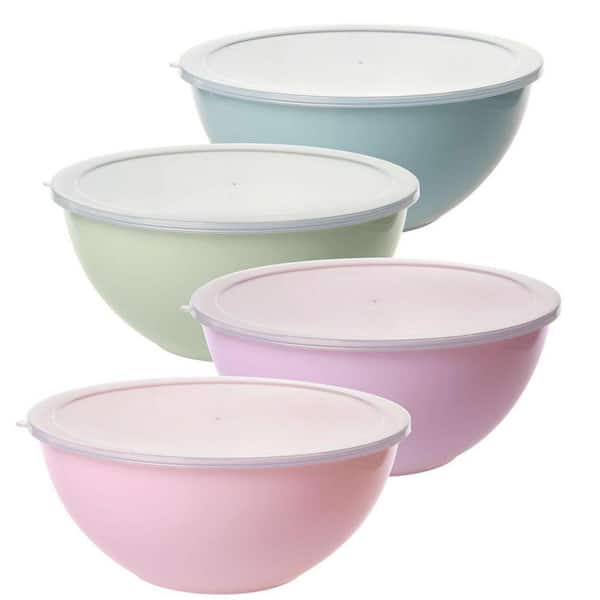
• Plastic is light and affordable, but it can hold stains and odors.
• Silicone is flexible, quiet, and easy to store, although it may not feel stable during strong mixing.
A good mixing bowl should feel stable, have enough space for the ingredients, and be easy to clean. A non-slip base is helpful when you whisk or knead with force.
How to Use a Mixing Bowl Correctly
The basic process is simple, but small details affect your results. Follow these steps when you use a mixing bowl for most recipes.
- Choose the right size
Use a bowl that leaves room for movement. Ingredients often expand when you whisk, fold, or add air.
A small bowl works for spices, beaten eggs, or a quick sauce. A medium bowl suits pancake batter, cookie dough, and salad dressing. A large bowl is best for cake batter, whipped cream, pasta salad, or bread dough.
As a general rule, fill the bowl no more than two-thirds full. This gives you space to mix without spilling.
- Set the bowl on a stable surface
Place the bowl on a flat counter. If it slides, put a damp kitchen towel or silicone mat underneath it.
This simple step improves control. It also reduces the chance of knocking the bowl over while mixing thick dough or heavy ingredients.
- Add ingredients in the proper order
Recipes often list ingredients in a set order for a reason. Add dry ingredients together when the recipe calls for it. Add wet ingredients slowly when you need a smooth mixture.
For baking, you may first mix flour, sugar, salt, and leavening agents in one bowl. In another bowl, you may combine eggs, milk, oil, or melted butter. Then you combine the two mixtures as directed.
- Use the correct mixing motion
Use a spoon, whisk, spatula, or electric mixer based on the recipe.
• Stir in circles to combine loose ingredients.
• Whisk quickly to add air or blend liquids.
• Fold gently to protect air bubbles in whipped cream or beaten egg whites.
• Knead by pressing and turning dough with your hands.
• Scrape the sides and bottom often so no dry spots remain.
- Stop when the mixture reaches the right texture
Overmixing can damage some recipes. For example, too much mixing can make muffins and quick breads dense. Cookie dough can also become tough when flour is worked too much.
Mix only until the ingredients are combined unless the recipe gives a specific time. The goal is not always a perfectly smooth mixture.
Common Ways to Use a Mixing Bowl
Knowing how to use a mixing bowl means more than stirring ingredients. A bowl can support many cooking tasks, from prep to storage.
Combining dry ingredients
A mixing bowl helps distribute flour, sugar, salt, cocoa powder, and baking soda evenly. This matters because a pocket of baking soda or salt can ruin the taste of one bite.
Use a whisk to break up lumps. For small amounts, a fork also works well. Measure each ingredient before adding it to the bowl.
Mixing wet ingredients
Use a bowl to combine eggs, milk, cream, oil, melted butter, sauces, and flavorings. A whisk blends these ingredients and can add air when needed.
Let melted butter cool slightly before mixing it with eggs. Very hot butter may cook the eggs and create small lumps.
Making batter and dough
A deep bowl helps contain flour and liquid as you make pancakes, cakes, muffins, pizza dough, or bread. Add liquid gradually if you want better control over thickness.
When making dough, use a wooden spoon or sturdy spatula at first. Once the dough becomes too firm to stir, move it to a lightly floured surface if the recipe requires kneading.
Whipping cream or egg whites
A clean, dry bowl is essential for whipping. Even a small amount of grease can prevent egg whites from forming a stable foam.
Stainless steel and glass bowls are popular for this task. Avoid plastic if it has a greasy film or strong food odor.
Tossing salads and vegetables
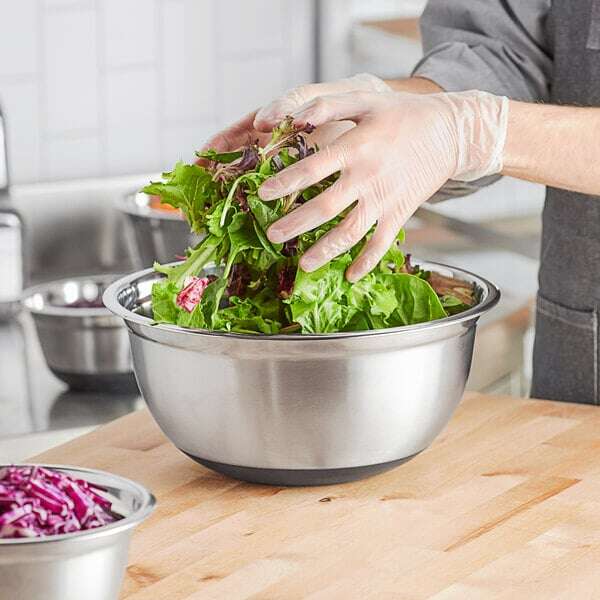
A large mixing bowl gives salad leaves room to move. Add dressing near serving time to help prevent delicate greens from becoming soggy.
For roasted vegetables, place the vegetables in a bowl, add oil and seasonings, and toss until coated. This spreads the oil more evenly than pouring it over vegetables on a pan.
Marinating food
Use a glass, stainless steel, or food-safe plastic bowl for marinades. Cover the bowl and keep it in the refrigerator.
Do not marinate raw meat on the counter. Also, do not reuse a marinade that touched raw meat unless you boil it first. The USDA recommends using safe handling practices and keeping perishable foods cold.
Choosing the Best Mixing Bowl Material
The best bowl depends on the task, your storage space, and your cleaning habits.
Stainless steel bowls
Stainless steel is durable and resists breaking. It is also useful when you need to chill ingredients over ice or whip egg whites.
One limitation is that stainless steel is not microwave-safe. It can also react with some very acidic foods if the bowl is poor quality or damaged, though standard food-grade stainless steel is generally suitable for normal kitchen use.
Glass bowls
Glass does not easily absorb odors or colors. You can also see the mixture as you work.
Check the label before placing a glass bowl in the microwave or oven. Sudden temperature changes can cause some glass to crack or shatter.
Plastic bowls
Plastic is light and easy to handle. It works well for children, outdoor meals, and everyday food preparation.
Choose bowls labeled food-safe and inspect them for deep scratches. Scratches can trap food residue and make cleaning harder. Avoid using a plastic bowl with a strong lingering smell.
Ceramic bowls
Ceramic bowls are sturdy and attractive. They can move from the kitchen to the table with little effort.
However, ceramic is heavy and may chip. Inspect the surface from time to time, especially if the glaze is cracked or damaged.
Silicone bowls
Silicone bowls are flexible and often nest well for storage. Their soft sides can help pour batter or sauces.
They may bend during vigorous mixing, so place one on a stable surface. Use only products marked as food-safe and follow the care instructions.
How to Use a Mixing Bowl for Baking
Baking rewards careful mixing. A bowl helps you control texture, but the order of steps matters.
Start by reading the full recipe. Measure ingredients before mixing. For the best results, use a kitchen scale for flour when the recipe provides weight measurements.
When creaming butter and sugar, beat them until the mixture looks lighter and feels smooth. This process adds air and helps create a softer texture.
When adding flour, mix gently and stop once you no longer see dry streaks. Fold chocolate chips, nuts, or fruit with a spatula instead of beating them hard.
A common mistake is using a bowl that is too small. I have learned this the messy way while making muffin batter. The mixture looked manageable at first, but one extra stir sent flour over the counter. A larger bowl would have made the job faster and cleaner.
How to Use a Mixing Bowl for Sauces and Dressings
A bowl is ideal for making vinaigrette, creamy dressing, gravy mixtures, and simple sauces.
Add acidic ingredients such as vinegar or lemon juice first. Then add seasonings and slowly whisk in oil. Gradual whisking helps the ingredients blend into a more stable emulsion.
For a thicker dressing, whisk in mustard, yogurt, tahini, or mayonnaise. Taste with a clean spoon and adjust salt, acid, sweetness, or spice.
Use a bowl with a pouring edge if you plan to transfer the sauce. For small amounts, a narrow bowl can give you better control than a wide one.

How to Use a Mixing Bowl for Food Preparation
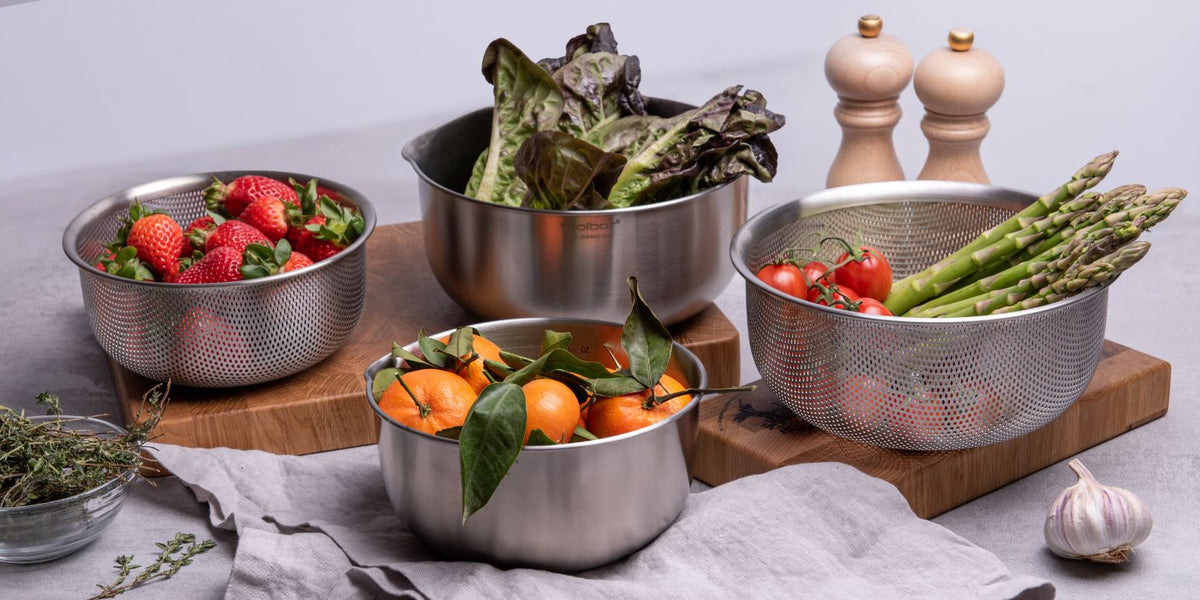
A mixing bowl can make meal preparation more organized. Set out several bowls before you begin and place each prepared ingredient in its own container.
This method is called mise en place. It helps you see what is ready and prevents rushed measuring during cooking.
Use bowls to hold:
• Chopped onions, carrots, peppers, or herbs
• Measured spices and seasonings
• Washed berries or cut fruit
• Grated cheese
• Prepared grains or pasta
• Ingredients for coating chicken, fish, tofu, or vegetables
Small prep bowls reduce clutter and keep strong flavors from spreading across the cutting board. Cover perishable ingredients and refrigerate them if you are not using them soon.