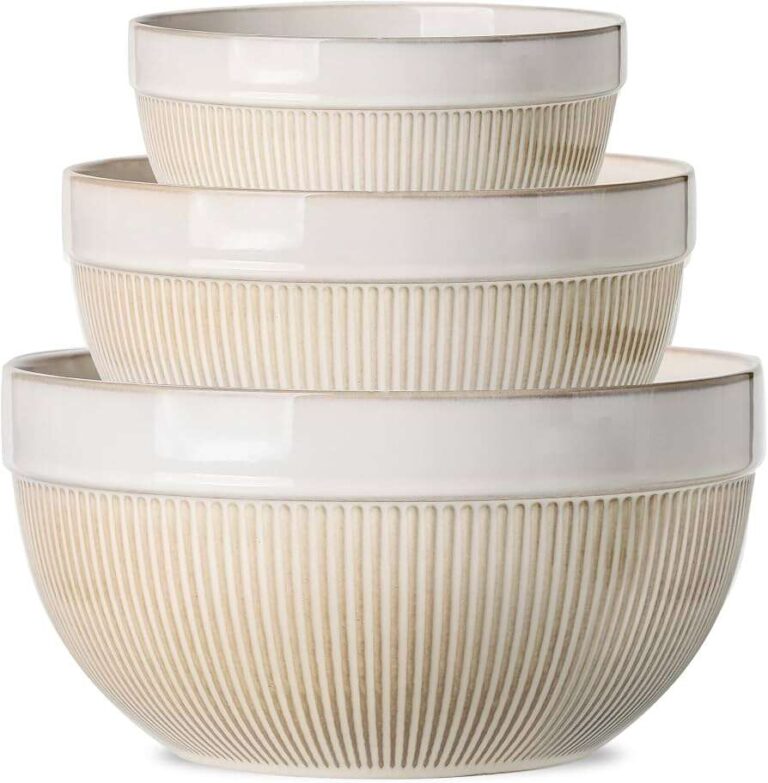
How To Clean A Mixing Bowl: Easy Cleaning Tips
Wash a mixing bowl with warm water, dish soap, and the right method for its material.
Learning how to clean a mixing bowl well helps prevent odors, stains, dried food, and harmful bacteria. The best method depends on the bowl’s material and the mess inside it. With a few simple tools and the right order, you can make stainless steel, glass, plastic, and ceramic bowls look fresh again without scratching or damaging them.
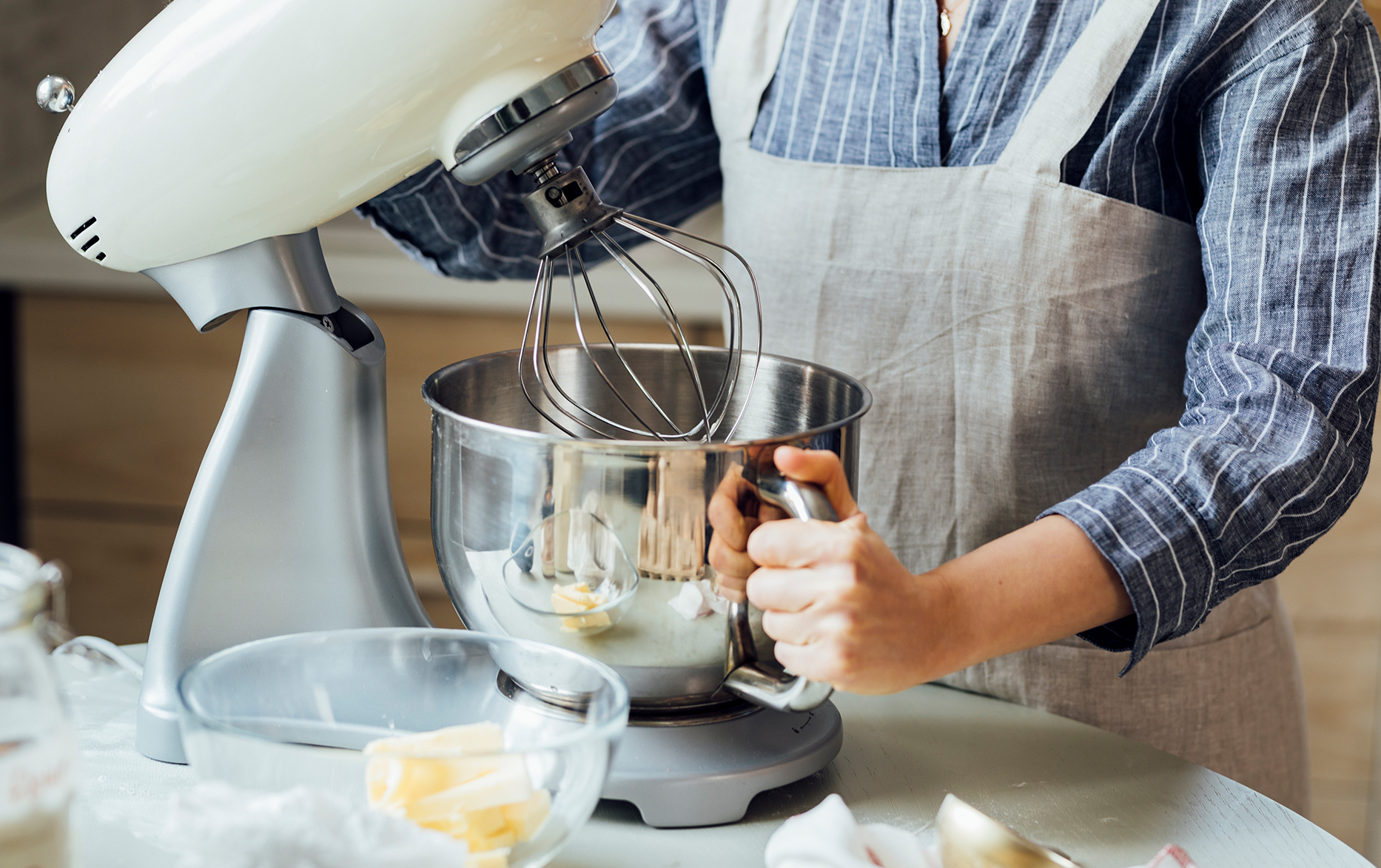
What You Need to Clean a Mixing Bowl
Most mixing bowls need only basic kitchen supplies. Strong chemicals are rarely needed, and harsh scrubbing can create more problems than it solves.
Gather these items before you start:
• Warm water
• Liquid dish soap
• A soft sponge or dishcloth
• A nylon brush for stuck food
• Baking soda for stains and odors
• White vinegar for mineral buildup
• A clean towel or drying rack
• A plastic scraper for dried dough or batter
Always check the bowl’s care instructions first. Some bowls are dishwasher safe, while others may become cloudy, scratched, or discolored in a dishwasher.
How to Clean a Mixing Bowl After Regular Use
Cleaning a mixing bowl soon after use is the easiest approach. Fresh batter, cream, eggs, and sauces usually come off with little effort.
Follow these steps:
-
Scrape out leftover food with a silicone spatula or plastic scraper.
-
Rinse the bowl with warm water to loosen food particles.
-
Add a small amount of dish soap.
-
Fill the bowl with warm water and let it sit for five to ten minutes.
-
Wash the inside and outside with a soft sponge.
-
Rinse well under clean running water.
-
Dry the bowl with a clean towel or place it upside down on a drying rack.
Avoid pouring very hot water into a cold glass bowl. A sudden temperature change can cause thermal shock, which may crack or break the bowl. Let the bowl warm gradually before using hot water.
When I clean a mixing bowl after baking, I scrape it first instead of rinsing right away. This keeps flour and dough out of the drain and makes the rest of the job much faster.

How to Clean Dried Batter, Dough, and Food
Dried food acts like glue. Scrubbing it while it is dry may spread the mess and leave scratches, especially on plastic or coated bowls. Soaking is usually the safest first step.
Place the bowl in the sink and add warm water until the dried food is covered. Add a few drops of dish soap and wait 15 to 30 minutes. For thick dough, use a plastic scraper after soaking to lift the softened layer.
For very stubborn residue, make a gentle paste with:
• Two tablespoons of baking soda
• One teaspoon of dish soap
• A small amount of warm water
Spread the paste over the residue and let it sit for 10 minutes. Then scrub with a soft sponge or nylon brush and rinse thoroughly.
Do not use a metal knife to remove dried dough. It can gouge plastic, scratch stainless steel, and chip ceramic surfaces. A plastic bench scraper works well and is much safer.
If dough has dried around the rim, handle, or base, soak a cloth in warm soapy water and place it over the area. This keeps the residue wet for longer and often removes it without hard scrubbing.
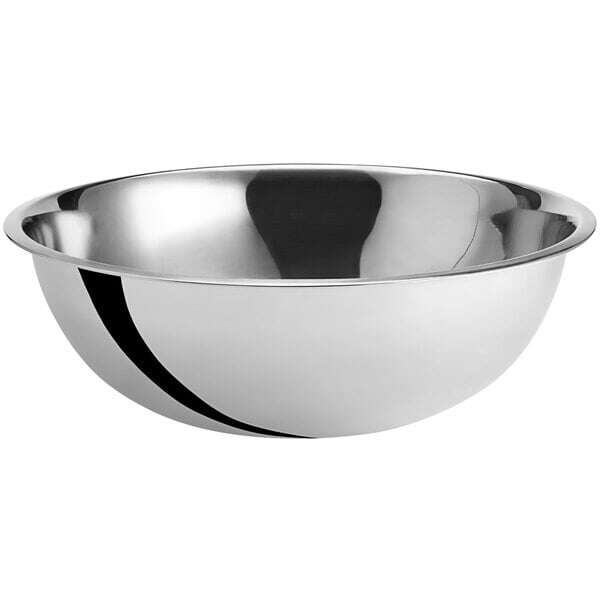
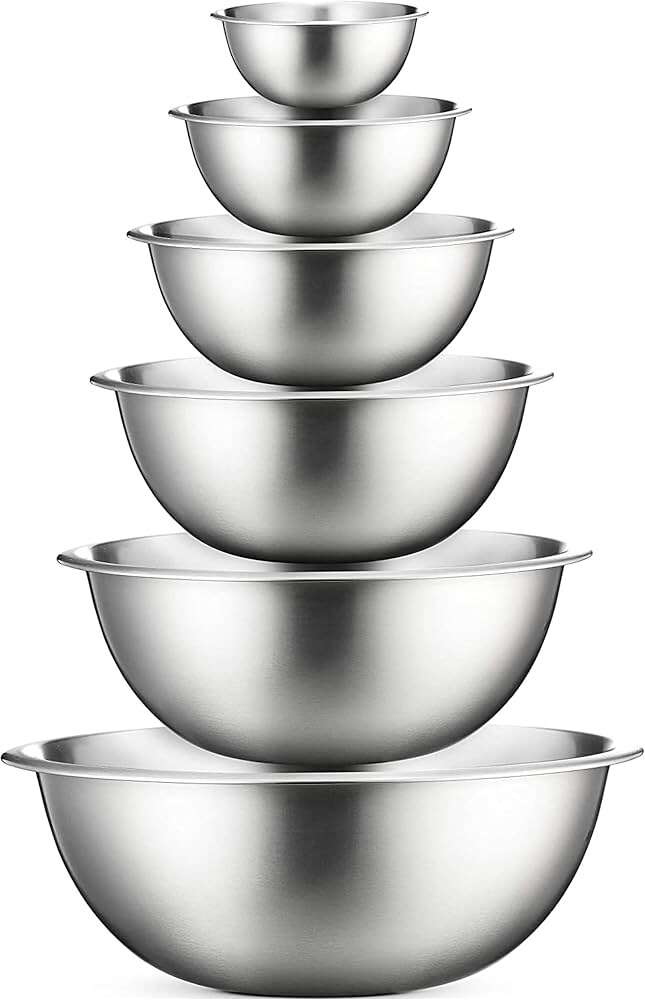
How to Clean a Stainless Steel Mixing Bowl
Stainless steel bowls are strong, lightweight, and usually easy to clean. They can handle regular dish soap and are often dishwasher safe. Still, rough scrubbers can leave fine scratches and dull the surface.
To clean a stainless steel mixing bowl:
-
Remove food with a spatula.
-
Rinse with warm water.
-
Wash with dish soap and a soft sponge.
-
Rinse away all soap.
-
Dry the bowl to prevent water spots.
For cloudy marks or mineral deposits, dampen a cloth with white vinegar and wipe the bowl. Rinse it soon after and dry it well. Vinegar can help dissolve mineral film, but it should not sit on stainless steel for a long time.
For light stains, sprinkle baking soda onto a damp sponge. Rub in the direction of the bowl’s brushed finish, if it has one. Avoid steel wool, chlorine bleach, and abrasive powders unless the manufacturer specifically allows them.
Never leave salty water or acidic foods in a stainless steel bowl for many hours. Tomato sauce, lemon juice, and salt can sometimes cause surface marks, especially on lower-grade stainless steel.
How to Clean a Glass Mixing Bowl
Glass bowls do not absorb food smells, and their smooth surface makes them fairly simple to wash. However, glass can break when exposed to sudden temperature changes or a hard impact.
Use this method:
• Let the bowl cool before washing it.
• Remove food with a soft scraper.
• Soak it in warm, soapy water.
• Wash with a nonabrasive sponge.
• Rinse and inspect the bottom for hidden residue.
• Dry it with a soft towel.
For baked-on stains, add baking soda and enough water to form a thin paste. Let it sit for 15 minutes, then wipe gently. Do not use a sharp tool or abrasive steel pad on glass.
Check glass bowls for chips and cracks before each use. Damaged glass can break during mixing, heating, or washing. If you find a crack, replace the bowl rather than trying to repair it.

How to Clean a Plastic Mixing Bowl
Plastic bowls are light and convenient, but they can hold odors, absorb colors, and develop scratches. Greasy foods may also leave a cloudy film.
Start by washing plastic with warm water, dish soap, and a soft sponge. Avoid very hot water unless the bowl is labeled heat safe. High heat can warp some plastics or make them lose their shape.
To remove odors, fill the bowl with warm water and add two tablespoons of baking soda. Let it sit for several hours or overnight, then wash and rinse it. You can also place the bowl in sunlight for a short time after washing, but do not leave it outside for long periods because strong sunlight may weaken some plastics.
For tomato, curry, or berry stains, rub the surface with baking soda paste. A little dish soap can help cut through oil. Avoid chlorine bleach unless the manufacturer gives clear instructions for safe use, and never mix bleach with vinegar or other cleaners.
Replace plastic bowls that are deeply scratched, cracked, warped, or permanently sticky. Scratches can trap food particles and make the bowl harder to clean.

How to Clean a Ceramic or Enamel Mixing Bowl
Ceramic and enamel bowls often have a smooth, attractive finish. They resist many stains, but the surface can chip if the bowl hits a sink or hard countertop.
Wash these bowls with warm water, dish soap, and a soft sponge. For dried food, soak the bowl rather than scraping forcefully. Baking soda can help with stains, but test it on a small area if the finish is decorative or delicate.
Do not use a chipped ceramic bowl for food preparation. Chips can create sharp edges and may allow moisture to reach the material beneath the finish.
Dry ceramic bowls completely before storing them. Trapped moisture under stacked bowls can create a musty smell over time.

How to Remove Grease From a Mixing Bowl
Oil, butter, shortening, and cream can leave a slippery film. Cold water may make grease harder to remove because fats can become thicker when chilled.
Use this simple process:
-
Wipe away extra oil with a paper towel.
-
Add warm water and a grease-cutting dish soap.
-
Scrub with a soft sponge.
-
Rinse with hot tap water if the bowl is heat safe.