Can I Use An Electric Mixer In A Glass Bowl: Safe Tips
Yes, you can use an electric mixer in a sturdy, undamaged glass bowl with proper care.
Can I use an electric mixer in a glass bowl? In most kitchens, the answer is yes. A strong glass bowl can handle hand mixers, cake batter, whipped cream, and cookie dough when you use the right speed and avoid sudden temperature changes. However, glass needs more care than stainless steel or plastic.
The bowl’s condition, type of glass, mixer speed, and recipe temperature all matter. This guide explains how to mix safely, which glass bowls work best, what mistakes to avoid, and when another bowl may be a better choice.

Can I Use an Electric Mixer in a Glass Bowl?
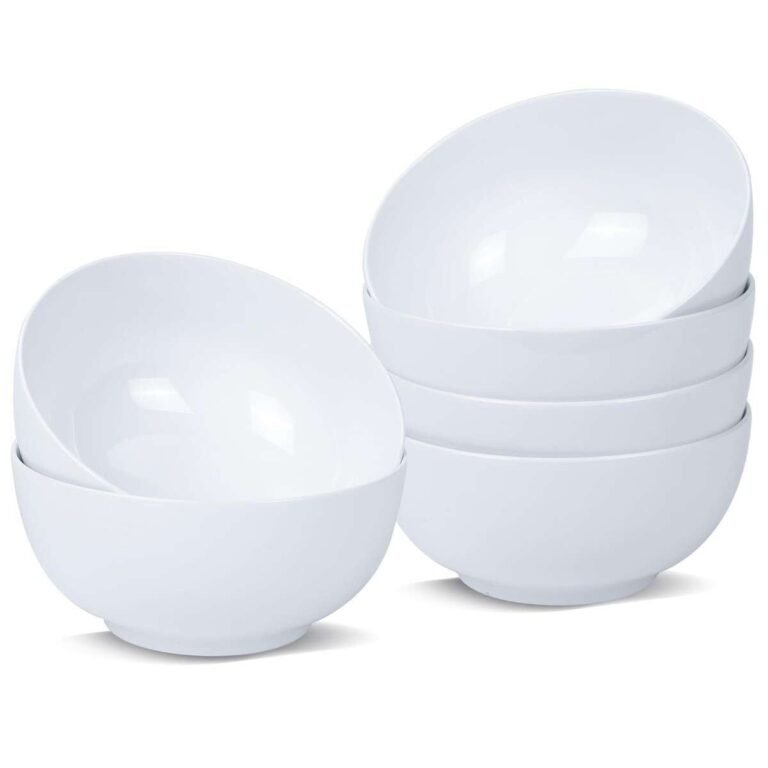
Yes, you can use an electric mixer in a glass bowl if the bowl is made for food use and has no chips, cracks, or deep scratches. Most heat-resistant kitchen glass bowls are suitable for mixing with a hand mixer.
A glass bowl does not react with common ingredients such as eggs, sugar, flour, butter, cream, or fruit. It also gives you a clear view of the mixture, which helps you see whether ingredients are blended evenly.
Still, glass is heavier and more fragile than many other bowl materials. The main risk is not the electric mixer itself. The risk comes from using damaged glass, hitting the bowl with the beaters, or exposing it to sudden heat or cold.
For safe use, check these points first:
• The bowl is labeled for food preparation.
• The bowl has no cracks, chips, cloudy lines, or sharp edges.
• The base sits flat and does not slide easily.
• The bowl is large enough to contain splashes.
• The mixer beaters can move freely without striking the sides or bottom.

Which Glass Bowls Are Safe for Electric Mixers?
Not every glass bowl has the same strength. Some are made from tempered glass, while others use borosilicate glass or ordinary glass. Tempered and borosilicate bowls usually handle kitchen use better, but no glass bowl is unbreakable.
A bowl labeled microwave-safe or oven-safe may be suitable for mixing, but those labels do not always guarantee resistance to impact. They mainly describe how the bowl handles heat. Always inspect the bowl before each use.
Tempered glass bowls
Tempered glass is treated to improve its strength and resistance to heat. Many popular kitchen mixing bowls use tempered glass. These bowls are a practical choice for hand mixers when they remain free from damage.
Even tempered glass can break if dropped, struck, or exposed to a sharp temperature change. Do not assume that “tempered” means you can use the bowl roughly.
Borosilicate glass bowls
Borosilicate glass is known for handling temperature changes better than common glass. It is often used in laboratory glassware and some heat-resistant kitchen products.
This does not mean you should pour boiling liquid into a cold bowl. Thermal shock can still damage or break it. Let the bowl warm or cool gradually.
Ordinary glass bowls
A basic glass bowl may work for light mixing, but it deserves extra care. Thin glass can be more likely to crack from impact or pressure.
Avoid using thin decorative bowls, serving bowls with unknown materials, or old bowls with visible wear. A mixing bowl should be strong, stable, and designed for repeated kitchen use.
Is a Hand Mixer Safe to Use in a Glass Bowl?
A hand mixer is usually safe in a glass bowl when you control the beaters and keep them from hitting the bowl. The stainless steel beaters should stay inside the mixture instead of scraping the bottom or sides.
Start at the lowest speed. This reduces splashing and gives you time to check how the beaters move. Once the ingredients begin to combine, increase the speed as needed.
A hand mixer can make a glass bowl move across the counter. Place a damp kitchen towel beneath the bowl to improve grip. You can also use a bowl with a rubber base or a wide, heavy bottom.
Follow these steps:
-
Place the glass bowl on a stable, level counter.
-
Add the ingredients before turning on the mixer.
-
Insert the beaters fully into the mixture.
-
Start on low speed.
-
Move the mixer slowly around the bowl.
-
Keep the beaters away from the glass surface.
-
Turn off and unplug the mixer before removing the beaters.
Never lift the mixer while the beaters are spinning. This can send batter across the kitchen and may cause the beaters to hit the rim.

Can You Use a Stand Mixer With a Glass Bowl?
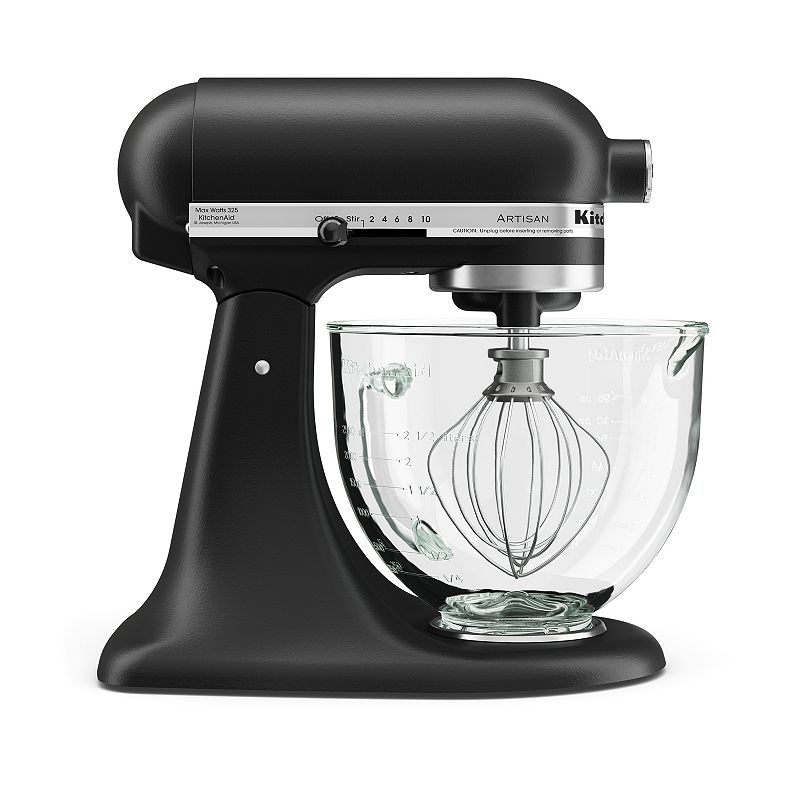
You can use a glass bowl with a stand mixer only if the bowl is designed to fit that specific mixer. A stand mixer bowl must lock into place or sit securely under the attachment.
Do not place a random glass bowl beneath a stand mixer attachment. The bowl may shift, crack, or allow the whisk or paddle to strike the glass. The clearance between the attachment and bowl also matters.
If your stand mixer came with a glass bowl, use that bowl and follow the manufacturer’s instructions. If you want to replace a metal bowl with glass, check the model number and approved accessories first.
A stand mixer creates more force than a hand mixer. This is especially true when kneading bread dough or mixing thick cookie dough. For heavy mixtures, the original metal bowl is often the safer and more practical choice.

Benefits of Using an Electric Mixer in a Glass Bowl
Using an electric mixer in a glass bowl has several useful benefits. Many home bakers prefer glass because it is easy to clean and easy to monitor.
You can see the mixture clearly
Glass lets you watch the bottom and sides of the bowl. This makes it easier to spot dry flour, unmixed butter, or egg whites that have not reached the right texture.
Glass does not hold many food odors
Unlike some plastic bowls, glass is less likely to retain the smell of garlic, onions, spices, or strong extracts. This helps when you use the same bowl for both sweet and savory recipes.
Glass is easy to clean
Most smooth glass bowls wash well by hand or in a dishwasher, unless the product instructions say otherwise. Glass also resists stains from ingredients such as tomato sauce, cocoa, and turmeric better than some plastics.
Glass is useful for temperature-sensitive tasks
A thick glass bowl can be helpful when melting butter gently over warm water or resting ingredients at room temperature. However, it still needs protection from sudden temperature changes.

Limitations of Mixing in a Glass Bowl
Glass works well, but it is not perfect for every recipe. Its weight, surface, and temperature can affect your mixing routine.
A glass bowl may slide when a mixer runs at high speed. It can also feel heavy when you hold it with one hand and operate a mixer with the other.
Glass may become very cold in a refrigerator or warm near an oven. If you move it quickly from one extreme to another, the temperature change may cause thermal shock.
Glass also gives you less protection if the mixer slips. A metal bowl may dent, but a glass bowl can crack or shatter. That is why gentle handling matters.
For large batches, stiff dough, or frequent professional use, stainless steel often offers better durability. It is lighter than thick glass in many cases and can handle more impact.
How to Use an Electric Mixer in a Glass Bowl Safely
Safe mixing is simple when you build a few habits. Before using an electric mixer in a glass bowl, take one minute to inspect both the bowl and the mixer.
Inspect the bowl
Look closely at the rim, base, and inside surface. Do not use the bowl if you find:
• A hairline crack
• A chip on the rim
• A deep scratch
• A rough or sharp spot
• A loose base
• Signs of damage after a previous drop
A small crack can grow during mixing. It may not be visible when the bowl is dry, so wipe it clean and inspect it under good light.
Keep the bowl stable
Place a damp towel, silicone mat, or nonslip pad under the bowl. Avoid holding the bowl against a sharp counter edge.
The bowl should have enough space for the mixture to expand. A half-full bowl is often easier and safer to use than one filled to the rim.
Use the right speed
High speed is not always better. Start low, then increase the speed only when needed. Low speed helps prevent splashing and reduces sudden movement.
For whipped cream and egg whites, follow the recipe’s speed guidance. For thick dough, avoid forcing a hand mixer beyond its capacity. If the motor struggles, stop and switch to a stronger mixer or mix by hand.
Avoid direct contact
Do not let the beaters bang against the glass. A light touch may not cause instant damage, but repeated impacts can weaken the bowl or damage the beaters.
Angle the mixer slightly and move it around the bowl. Keep the beaters covered by the ingredients whenever possible.

Temperature Safety: The Most Important Glass Bowl Rule
The biggest concern with glass is thermal shock. Thermal shock happens when one part of the glass changes temperature much faster than another part.
For example, placing a cold glass bowl on a hot burner or pouring boiling liquid into a cold bowl can create stress inside the glass. The bowl may crack or break without much warning.
Follow these safety rules:
• Do not place a glass mixing bowl directly on a burner.
• Do not pour boiling liquid into a cold glass bowl.
• Do not place a hot bowl on a wet or cold counter.