Can You Bake In Stoneware Bowls: Safe Baking Guide
Yes, you can bake in some stoneware bowls, but only when the maker labels them oven-safe.
Stoneware can give baked dishes gentle, even heat and a warm, rustic look. However, not every stoneware bowl can handle an oven. The clay body, glaze, firing method, bowl design, and care instructions all matter. This guide explains can you bake in stoneware bowls safely, how to check your bowl, what foods work best, and which mistakes can cause cracking or breakage.

Can You Bake in Stoneware Bowls?
Yes, you can bake in stoneware bowls if they are made for oven use. Many stoneware baking dishes are fired at high temperatures, which makes them strong and heat resistant. Still, “stoneware” alone does not prove that a bowl is safe for baking.
Always look for one of these signs:
• An “oven-safe” label on the bottom or packaging
• Instructions from the maker that allow oven use
• A temperature limit, such as safe to 450°F or 500°F
• A trusted brand’s care guide that lists baking as an approved use
If the bowl has no label, contact the maker before using it in the oven. A decorative stoneware bowl may look sturdy but can crack when exposed to high heat.
The best answer to can you bake in stoneware bowls is, “Sometimes, but check the specific bowl first.” Two bowls may look alike while having very different clay bodies and heat limits.

Why Stoneware Works Well for Baking
Stoneware is made from clay that is fired at a high temperature. This process creates a dense material with good heat retention. Once hot, stoneware tends to stay warm, which helps food cook steadily.
That steady heat can benefit many dishes, including:
• Casseroles
• Cobblers
• Baked pasta
• Macaroni and cheese
• Small cakes
• Bread puddings
• Roasted vegetables
• Individual pot pies
Stoneware does not heat as fast as thin metal. Instead, it warms more slowly and holds heat for a longer time. Think of it as a thermal battery: it takes time to charge, then releases heat gently.
This quality can help food brown well around the edges while keeping the center moist. It also makes stoneware useful for serving because the bowl stays warm at the table.
However, stoneware has limits. It is not as flexible as metal, and sudden temperature changes can create stress inside the material. That stress may lead to cracks, chips, or complete breakage.

How to Tell If a Stoneware Bowl Is Oven-Safe
Before asking can you bake in stoneware bowls, inspect the bowl and check its instructions. Do not rely on weight, color, or thickness alone.
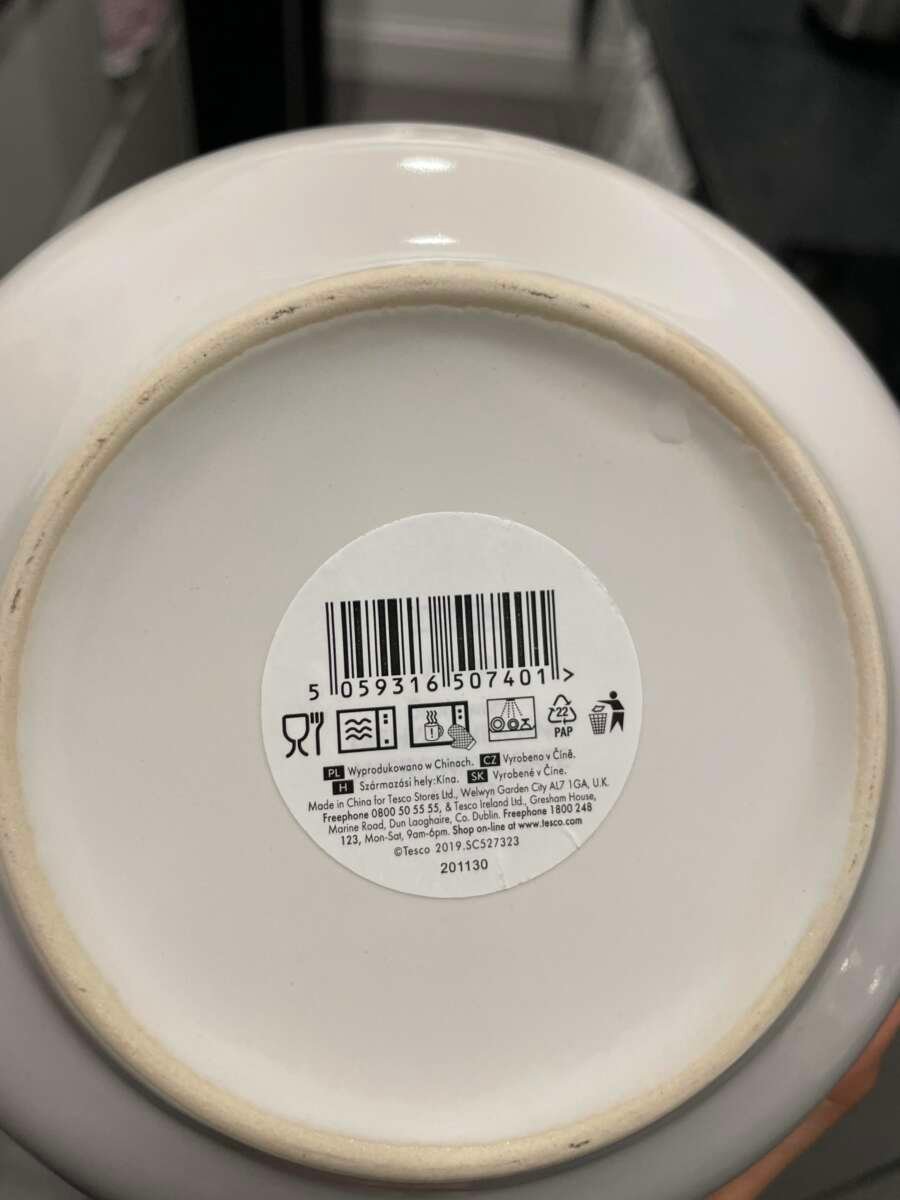
Check the bottom of the bowl
Turn the bowl over and look for markings. Common words include:
• Oven safe
• Bakeware
• Heat resistant
• Safe up to 450°F
• Safe for conventional ovens
A symbol may also show an oven or a baking dish. If the bottom only says “dishwasher safe” or “microwave safe,” that does not mean it is safe for baking.
Read the manufacturer’s care guide
The care guide may list important limits. It may say not to use the bowl under a broiler, on a stovetop, over an open flame, or in a toaster oven.
Some stoneware is oven-safe only within a certain temperature range. Follow that limit closely.
Look for damage
Do not bake with a bowl that has:
• A visible crack
• A deep scratch
• A chipped rim
• A loose handle
• A rough spot that was not part of the design
Small damage can grow when the bowl heats. A bowl that is safe today may become unsafe after years of use.
Consider the bowl’s purpose
A serving bowl, soup bowl, or decorative bowl may not be designed for baking. A stoneware ramekin or casserole bowl is more likely to be made for oven heat, but the label still matters.

How to Bake Safely in Stoneware Bowls
Once you confirm that the bowl is oven-safe, use a careful method. Safe baking is mainly about controlling heat and avoiding sudden changes.
-
Inspect the bowl before each use.
-
Place the bowl on a dry oven rack or a baking sheet.
-
Add room-temperature or warm ingredients when possible.
-
Put the bowl into a cold oven if the manufacturer recommends it.
-
Set the oven to the recipe temperature.
-
Keep the bowl away from direct flames and broiler elements.
-
Use dry oven mitts when removing it.
-
Place the hot bowl on a wooden board, cloth, or heat-safe trivet.
-
Let the bowl cool before washing it.
A baking sheet adds support and catches spills. It also makes it easier to move a heavy bowl in and out of the oven.
Many makers advise avoiding extreme temperature changes. Do not move a hot stoneware bowl onto a cold stone counter. Do not pour cold water into a hot bowl. Do not place a cold bowl into a very hot oven unless the instructions clearly allow it.
When people ask can you bake in stoneware bowls, the hidden issue is often thermal shock. The oven temperature itself may be safe, but a fast temperature change can still damage the bowl.

Should You Put Stoneware Bowls in a Preheated Oven?
The answer depends on the product instructions. Some oven-safe stoneware can go into a preheated oven. Other products perform better when placed in a cold oven and heated gradually.
A gradual heat-up reduces stress within the bowl. This matters most for thick stoneware, older pieces, handmade pottery, and bowls with small flaws.
If the instructions are missing, the safer choice is to avoid a sharp temperature change. Place the filled bowl in a cold oven, then turn the oven on. This method is not a guarantee, so it should not replace the maker’s directions.
Never put a cold stoneware bowl into a hot oven if it has been stored in the refrigerator or freezer. Let it warm first, or use a bowl specifically rated for cold-to-hot transitions.

Can Stoneware Bowls Go From the Refrigerator to the Oven?
Some stoneware products are designed for refrigerator-to-oven use, but many are not. The label must clearly allow this feature.
A cold bowl can break when exposed to oven heat because the outer surface warms faster than the inside. The resulting pressure may cause the bowl to crack or shatter.
For safer handling:
• Let refrigerated food sit at room temperature for a short time if the instructions allow it.
• Avoid transferring a frozen bowl directly into a hot oven.
• Never use a bowl with a hairline crack.
• Follow the maker’s maximum temperature and transition rules.
• Use cookware designed for freezer, refrigerator, and oven use when making make-ahead meals.
This is one of the most important points in learning can you bake in stoneware bowls. Oven safety and thermal shock safety are related, but they are not the same thing.
What Foods Can You Bake in Stoneware Bowls?
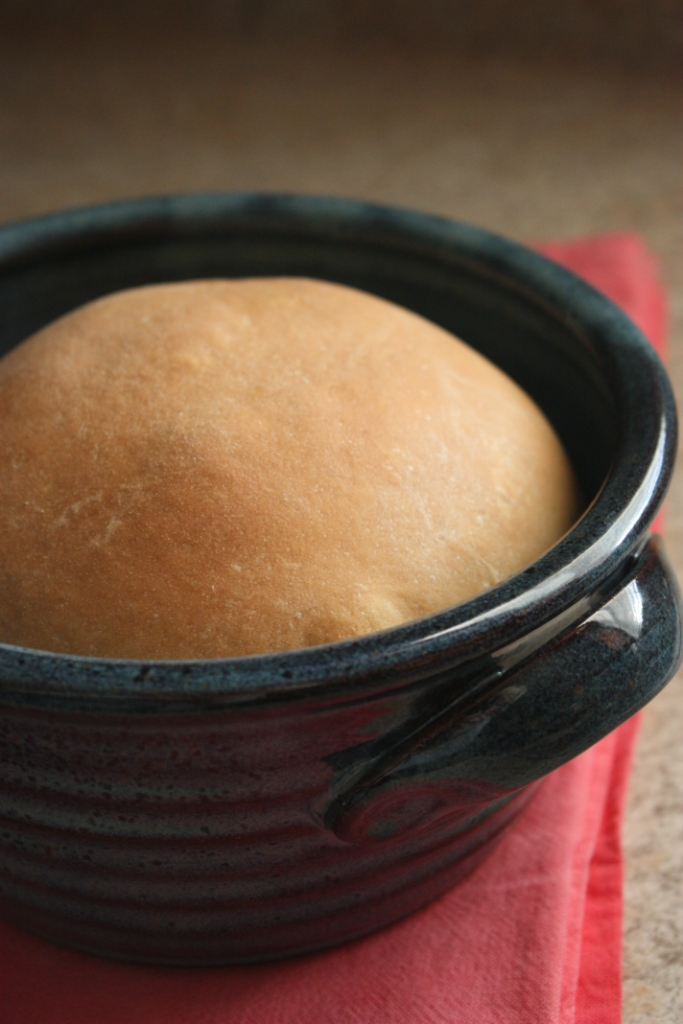
Oven-safe stoneware bowls work well for foods that need gentle, steady heat. Choose recipes that fit the bowl’s size and leave room for bubbling or rising.