Can Ceramic Bowls Go In The Freezer: Safe Tips
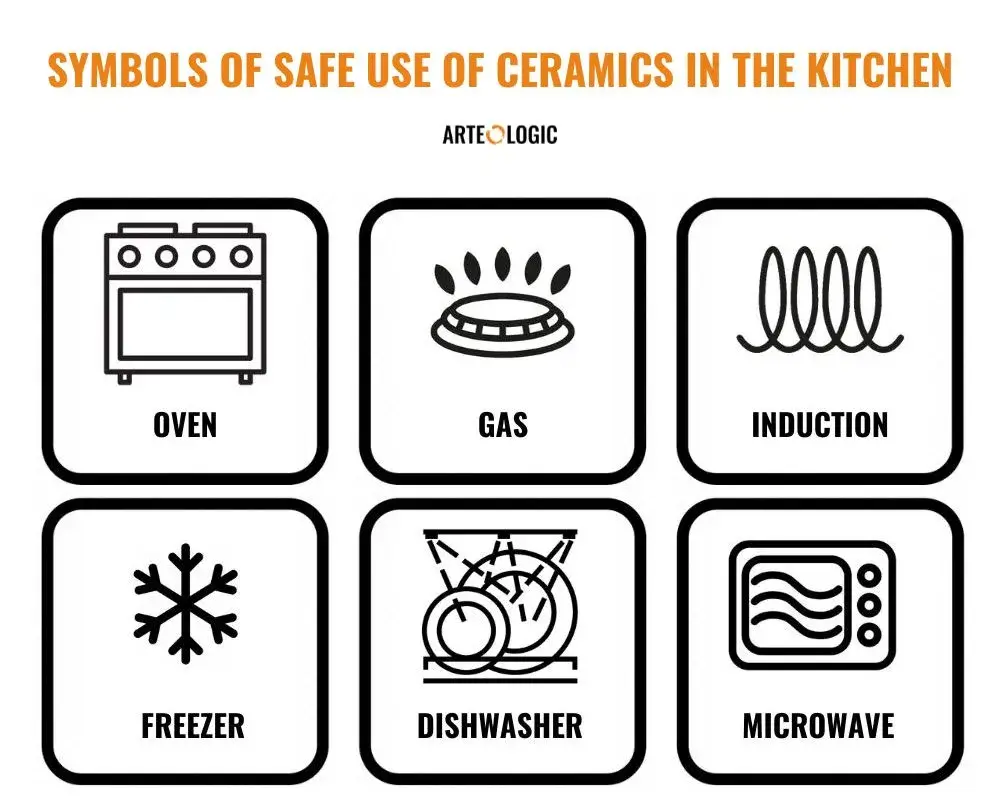
Yes, ceramic bowls can go in the freezer when they are labeled freezer-safe and handled carefully.
Knowing whether can ceramic bowls go in the freezer helps prevent cracked dishes, wasted food, and messy leaks. Ceramic is strong, but sudden temperature changes can make it break like a tree branch in a storm. This guide explains which bowls are safe, what risks to avoid, and how to freeze food with confidence.
Can ceramic bowls go in the freezer?
Yes, many ceramic bowls can go in the freezer. However, not every ceramic bowl has the same strength or design. The bowl should be marked freezer-safe, made from durable material, and free from cracks or chips.
Ceramic is made from clay that is shaped and fired at high heat. During firing, the clay becomes hard and less porous. Still, it can hold tiny flaws or air spaces that react badly to fast temperature changes.
The key risk is thermal shock. This happens when a bowl moves quickly from a warm setting to a cold one, or from cold to heat. The outside and inside of the bowl change temperature at different speeds, which creates stress.
Can ceramic bowls go in the freezer without cracking? Usually, yes, if you follow these rules:
• Check the manufacturer’s care label.
• Use a bowl that is at room temperature before freezing.
• Leave space for food to expand.
• Avoid bowls with cracks, chips, or thin walls.
• Never move a frozen ceramic bowl straight into a hot oven.
In practical kitchen use, thick stoneware and porcelain bowls often perform better in the freezer than thin, decorative ceramics. Even so, the label matters more than appearance.

What makes a ceramic bowl freezer-safe?
A freezer-safe ceramic bowl is designed to handle low temperatures without cracking, breaking, or absorbing too much moisture. Manufacturers may test the clay, glaze, and finished shape under temperature changes before adding a freezer-safe label.
Several features affect freezer performance.
Clay type
Porcelain, stoneware, and some high-fired ceramics are dense and strong. They absorb less water than low-fired earthenware. Less absorbed water means less risk of expansion inside the bowl.
Earthenware is often more porous. Water can enter its tiny pores. When that water freezes, it expands and may create cracks in the clay or glaze.
Glaze quality
The glaze forms a smooth glass-like surface over the ceramic. A strong, even glaze helps block moisture and makes the bowl easier to clean.
A bowl with crazing may be less reliable. Crazing means the glaze has a network of very fine cracks. These lines may look harmless, but they can allow moisture and food particles to enter.
Bowl thickness
Thick bowls hold heat and cold for longer periods. This can reduce sudden temperature swings when the bowl is used correctly. However, thick does not always mean freezer-safe.
Some handmade or decorative bowls are thick but poorly suited to temperature changes. Always combine visual inspection with the manufacturer’s instructions.
Bowl shape
Rounded bowls tend to distribute stress more evenly. Sharp corners and sudden changes in thickness may create weak points.
A bowl with a flat base and smooth sides is often a practical choice for freezing soups, sauces, and leftovers. A delicate bowl with thin edges is better used for serving.
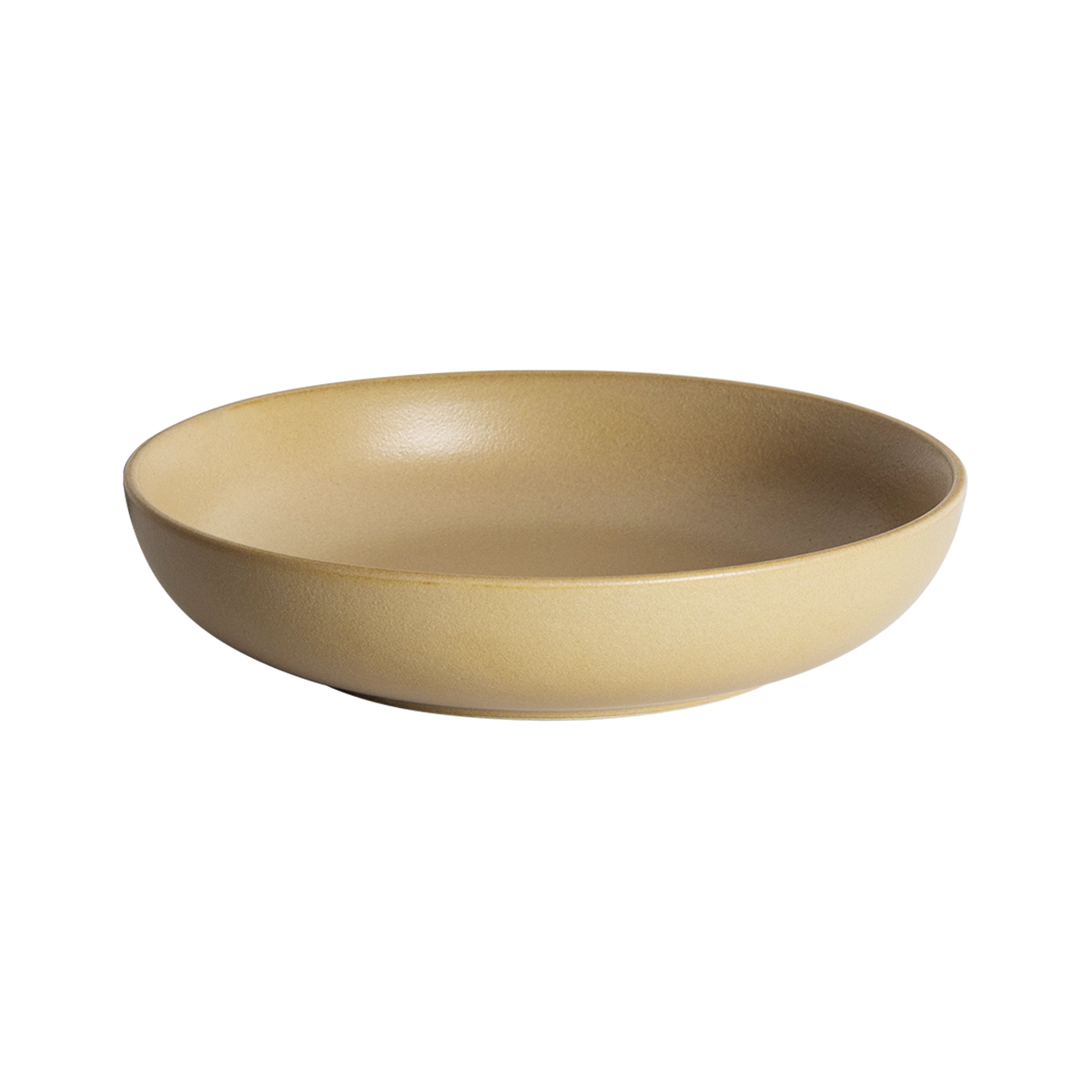
Why ceramic bowls crack in the freezer
Ceramic bowls crack in the freezer for several reasons. The most common cause is thermal shock, but moisture, damage, and poor design can also play a role.
Thermal shock
Imagine pouring hot coffee into a glass filled with ice. The glass may break because one area expands while another area stays cold. Ceramic can react in a similar way.
For example, placing a warm ceramic bowl into a freezer creates a sharp temperature drop. The outer surface cools quickly, while the inside may remain warm. That uneven change can place pressure on the bowl.
The same problem can happen when you take a frozen bowl and place it on a hot stovetop or in a very hot oven.
Water expansion
Water expands when it freezes. If water has entered tiny pores in the ceramic, the expanding ice can push against the clay.
This risk is higher with porous, low-fired ceramics. It can also affect bowls that have been washed many times, especially if the glaze is worn or cracked.
Existing damage
A small chip may act as a starting point for a larger crack. Even a tiny hairline crack can spread when the bowl experiences cold temperatures or pressure from expanding food.
Before freezing food, inspect the bowl under bright light. If you see a crack, rough edge, or unusual line, use a different container.
Food expansion
Many foods contain water. Soups, stews, rice, beans, and sauces can expand as they freeze. If the bowl is filled to the rim, the frozen food may press against the sides.
Leave about 1 inch of space at the top for most foods. Foods with a high water content may need more room.

How to safely freeze food in ceramic bowls
If you know can ceramic bowls go in the freezer, the next step is using them correctly. Safe freezing depends on both the bowl and the way you handle it.
Follow these steps:
-
Choose a freezer-safe ceramic bowl. Look for a care label or product instructions.
-
Inspect the bowl. Do not use one with chips, cracks, crazing, or a damaged glaze.
-
Cool hot food first. Let steaming food lose some heat before placing it in the bowl.
-
Add the food carefully. Do not fill the bowl to the top.
-
Leave expansion room. Keep at least 1 inch of empty space for most meals.
-
Cover the bowl. Use a freezer-safe lid, tight wrap, or another suitable cover.
-
Place it on a flat shelf. This helps prevent tipping and uneven pressure.
-
Thaw the food slowly. Move the bowl to the refrigerator or let it thaw at room temperature when safe.
-
Reheat with care. Use a microwave only if the bowl is labeled microwave-safe.
Do not place a hot ceramic bowl directly into the freezer. Let it cool gradually first. A sudden temperature change is one of the easiest ways to damage ceramic cookware.
When thawing, avoid setting a frozen bowl on a hot surface. Put it on a dry towel or a cool counter instead. The towel also helps reduce slipping and catches small spills.
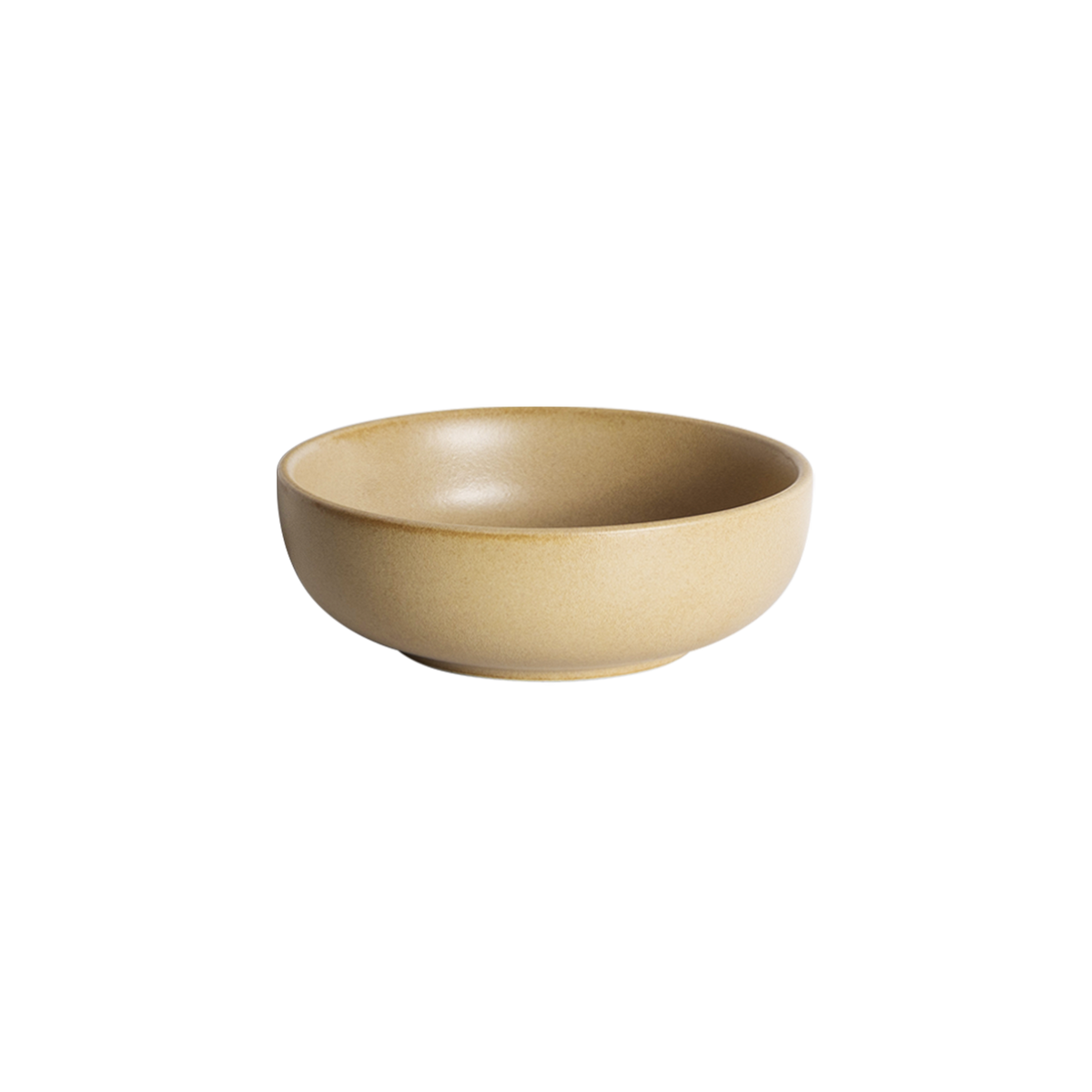
Can ceramic bowls go in the freezer with hot food?
It is better not to put very hot food into a ceramic bowl and place it straight in the freezer. The food may warm the bowl from the inside while cold air chills the outside. That uneven change can cause thermal shock.
Allow freshly cooked food to cool for a short time. For food safety, do not leave perishable food at room temperature for more than two hours, or more than one hour when the room is above 90°F.
A useful method is to divide a large batch into smaller portions. Smaller portions cool faster and freeze more evenly. They also make future meals easier to thaw.
Do not seal a steaming bowl tightly. Steam can create pressure under the lid, and condensation may lead to ice buildup. Let the food cool, cover it properly, and then freeze it.
Can ceramic bowls go in the freezer after food has cooled? Yes, provided the bowl is freezer-safe and has enough room for expansion.
Can ceramic bowls go in the freezer and then the oven?
Usually, you should not move a frozen ceramic bowl directly into a hot oven. Even if the bowl is labeled oven-safe, the sudden temperature change may cause it to crack.
Some cookware is made for freezer-to-oven use. This is different from being merely freezer-safe or oven-safe. Look for clear wording that approves both uses in sequence.
If the manufacturer allows freezer-to-oven use, follow the stated temperature limits. Do not place a cold bowl under a broiler or on a hot burner unless the care instructions specifically permit it.
For ordinary ceramic bowls, thaw the food first. Then transfer it to an oven-safe dish if reheating is needed. This extra step takes time, but it is safer than replacing a broken bowl or cleaning food from the oven floor.
Can ceramic bowls go in the freezer and microwave? Only when the bowl has a microwave-safe label. Freezer-safe does not automatically mean microwave-safe.

Which ceramic bowls are best for freezing?
The best bowls for freezing are durable, smooth, and clearly labeled for low-temperature use. They should have no damage and should come with a secure cover.
Look for these features:
• Freezer-safe labeling
• Dense stoneware or porcelain construction
• A smooth, intact glaze
• Straightforward care instructions
• A broad, stable base
• A freezer-safe lid
• Enough room for food expansion
Stoneware is popular for casseroles, soups, and baked meals because it is dense and sturdy. Porcelain works well for smaller portions, sauces, and desserts. However, both materials still require careful handling.
Avoid using antique ceramics, handmade pieces without care instructions, and decorative bowls with metallic paint. These items may have unknown materials or hidden weaknesses.
Metallic details can also create problems in a microwave. A bowl that looks sturdy may not be safe for every appliance or temperature change.

Foods you can freeze in ceramic bowls
Ceramic bowls are useful for storing many everyday foods. They work especially well for meals that you plan to thaw and eat from the same container.