What Are Small Bowls Used For: Everyday Uses Explained
Small bowls are used for serving, mixing, dipping, measuring, organizing, and preparing small amounts of food.
Knowing what are small bowls used for can make cooking, serving, and organizing much easier. These handy dishes are more than tableware. They help keep ingredients ready, control portions, present food neatly, and reduce mess during daily tasks. From a pinch bowl beside the stove to a dessert bowl at the table, each type has a useful role.
What Are Small Bowls?
Small bowls are compact containers designed to hold limited amounts of food, liquid, or small household items. They are often made from ceramic, glass, stainless steel, plastic, wood, or silicone.
Most small bowls hold between a few tablespoons and about 2 cups. Their size makes them useful when a large plate or mixing bowl would feel excessive.
The exact use depends on the bowl’s material, shape, depth, and capacity. A shallow bowl may suit dipping sauce, while a deeper bowl may work better for soup toppings or measured ingredients.

What Are Small Bowls Used For in the Kitchen?
The kitchen is where small bowls are most useful. They support food preparation from the first chopped ingredient to the final garnish.
Here are the most common uses:
- Holding chopped onions, garlic, herbs, or vegetables
- Measuring spices before cooking
- Mixing sauces, dressings, and marinades
- Serving snacks, dips, and toppings
- Separating ingredients for a recipe
- Holding scraps during food preparation
- Serving individual portions of food
- Storing small leftovers in the refrigerator
Small bowls create order on the counter. Instead of opening several jars while cooking, you can measure the needed ingredients in advance. This practice is often called mise en place, a French term that means “everything in its place.”
When asking what are small bowls used for, food preparation should be one of the first answers. A small bowl can hold one beaten egg, a spice blend, a spoonful of yeast, or a few tablespoons of sauce.

Small Bowls for Food Preparation
Small bowls are excellent for preparing ingredients before they enter a pan, pot, or oven. This is especially helpful for recipes with several steps.
Holding measured ingredients
You can measure flour, sugar, salt, spices, or baking powder into separate bowls. This makes it easier to follow a recipe and reduces the chance of adding the wrong ingredient.
For example, when making pancakes, place the baking powder, salt, and cinnamon in a small bowl before mixing. You can then add them with confidence.
Mixing small amounts
A small bowl is ideal for mixing:
- Salad dressing
- Garlic butter
- Taco seasoning
- Glazes
- Dipping sauces
- Cornstarch slurry
- Egg wash
- Small batches of frosting
The bowl gives you enough room to stir without wasting ingredients. It also makes pouring easier than mixing directly in a jar or measuring spoon.
Separating ingredients
Small bowls help separate wet and dry ingredients. They are also useful when a recipe requires ingredients to be added at different times.
This simple habit can prevent common mistakes. In my own cooking, placing each ingredient in a small bowl has helped me avoid forgetting salt, adding spices twice, or rushing through a recipe.
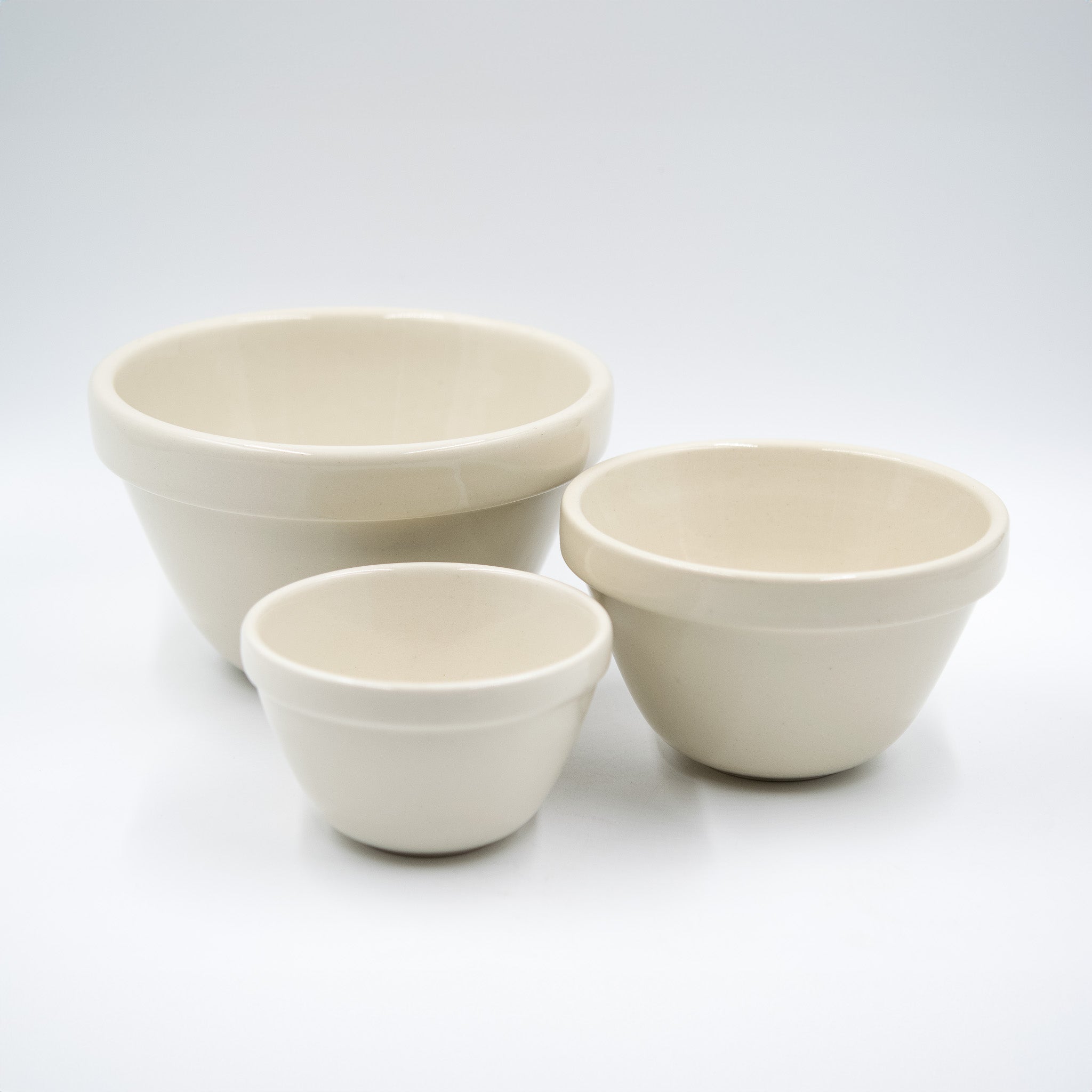
Small Bowls for Serving and Portion control
small bowls make food look inviting while keeping servings manageable. They are common at family meals, restaurants, parties, and casual gatherings.
People use small bowls for:
- Salsa and guacamole
- Ketchup, mustard, and mayonnaise
- Soy sauce and other dipping sauces
- Olives and pickles
- Nuts and trail mix
- Berries and cut fruit
- Yogurt and granola
- Rice and grain toppings
- Candy and small desserts
Small bowls can also support portion control. A smaller dish naturally limits how much food you serve at one time. However, bowl size does not control eating by itself. The type of food, hunger level, and serving habits also matter.
For children, small bowls can make meals feel less overwhelming. A child may respond better to a small serving that can be refilled than to a large bowl filled to the top.
For guests, small serving bowls keep shared foods clean and easy to reach. They also make a table look more organized because each item has its own place.
src="https://d2q7r0rjkm1t8k.cloudfront.net/uplister/images/259abeb8b2b1c61b3ffe9d27ce3e2b61.jpeg"
alt="Small Bowls for Serving and Portion control”
style=”max-width: 100%; height: auto; border: 2px solid black; border-radius: 10px; display: block; margin: 0 auto;”
loading=”lazy”
/>
Small Bowls for Dipping Sauces and Condiments
Dipping sauces are one of the most familiar uses for small bowls. Their compact size keeps sauces close to the food without taking over the table.
Use small bowls for:
- Barbecue sauce with fries
- Ranch dressing with vegetables
- Marinara with breadsticks
- Hummus with pita
- Salsa with tortilla chips
- Melted butter with seafood
- Peanut sauce with spring rolls
- Soy sauce with sushi
A bowl with a slightly wider opening works well for dipping. A deeper bowl helps prevent spills when the sauce is thin.
For hot sauces, choose a heat-safe bowl made from ceramic, glass, or stainless steel. Avoid using plastic unless it is labeled for hot food. Some plastics can soften, stain, or absorb odors when exposed to heat.
For acidic foods such as tomato sauce or citrus dressing, glass and glazed ceramic are usually good choices. Unglazed materials may absorb color and odor over time.

Small Bowls for Snacks, Desserts, and Breakfast
Small bowls are often used for individual foods. They provide a simple way to serve a snack or light meal without using a large plate.
Common examples include:
- Cereal
- Oatmeal
- Ice cream
- Pudding
- Applesauce
- Yogurt
- Mixed berries
- Popcorn
- Pretzels
- Nuts
- Edamame
- Soup toppings
The best bowl shape depends on the food. A wider bowl makes cereal and fruit easy to reach. A deeper bowl helps contain soup, oatmeal, or yogurt.
Small dessert bowls can also improve presentation. A scoop of ice cream with berries looks more polished in a small glass bowl than on a crowded plate.
One useful lesson is to match the bowl to the texture of the food. Runny foods need depth. Dry snacks need a wide opening. Sticky foods are easier to serve from smooth, glazed surfaces.
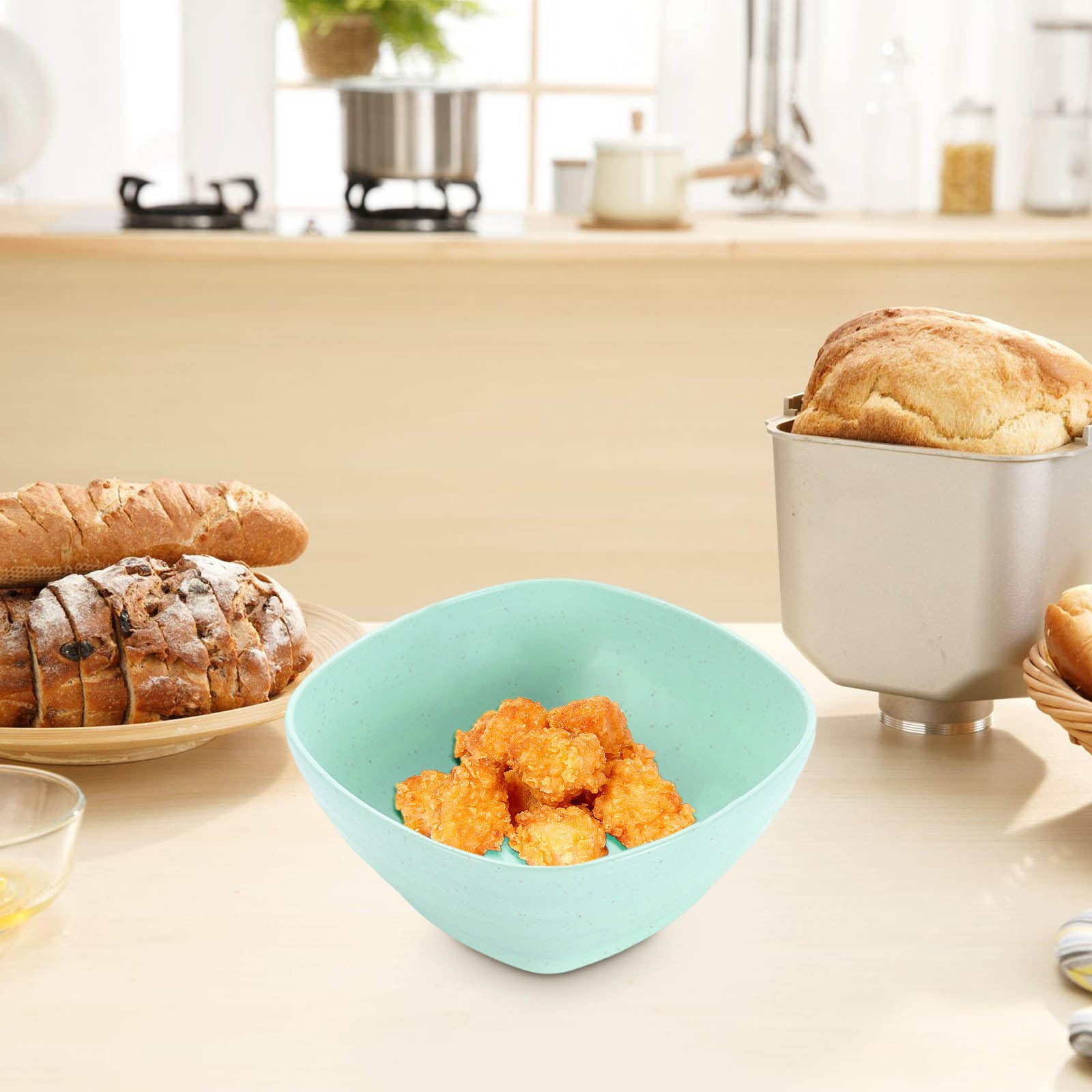
Small Bowls for Cooking and Baking
Baking often requires several small quantities. Small bowls keep ingredients separate and make the process easier to manage.
They are useful for:
- Cracking eggs before adding them to batter
- Holding baking soda and baking powder
- Preparing melted butter
- Mixing powdered sugar with liquid
- Combining spices
- Resting dough toppings
- Holding chopped nuts or chocolate chips
- Preparing a flour coating
Cracking eggs into a small bowl first is a practical safety step. If a shell falls in, you can remove it before the egg reaches the rest of the mixture. It also helps you spot a spoiled egg before it affects the recipe.
For baking, use bowls that are easy to clean and resistant to staining. Glass and stainless steel work well for many tasks. Silicone bowls are flexible and useful when you need to pour a small mixture neatly.
Do not assume every small bowl is oven-safe. Check the manufacturer’s instructions before placing any bowl in an oven, toaster oven, or under a broiler.

Small Bowls for Food Storage
Some small bowls are designed for storage, while others are meant only for serving. This difference matters.
For refrigerator storage, choose bowls with:
- Tight-fitting lids
- Food-safe materials
- Smooth surfaces
- Clear labeling options
- Good resistance to stains and odors
Glass bowls with lids are useful for small leftovers, chopped fruit, sauces, and prepared ingredients. Plastic containers can also work well when they are labeled food-safe and used according to the manufacturer’s instructions.
Avoid covering hot food and placing it directly in the refrigerator if it may raise the temperature around other foods. Food safety guidance recommends cooling leftovers promptly and storing them in shallow containers so they cool more quickly.
Small bowls are not always suitable for freezing. Liquids expand as they freeze, so leave space at the top and use containers designed for freezer use. A bowl that is safe for the refrigerator may crack in the freezer.
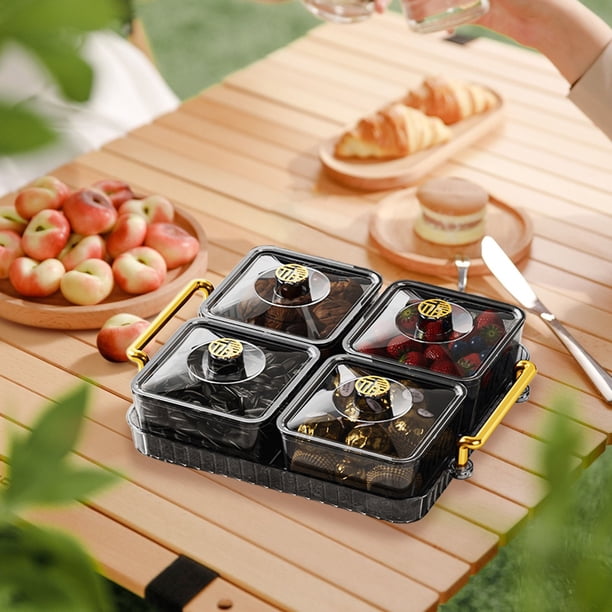
Small Bowls for Table Settings and Entertaining
Small bowls add structure to a table setting. They can hold shared foods, individual sides, or decorative items.
At a casual meal, use them for:
- Bread dips
- Butter
- Relish
- Cranberry sauce
- Pickled vegetables
- Fresh herbs
- Lemon wedges
- Grated cheese
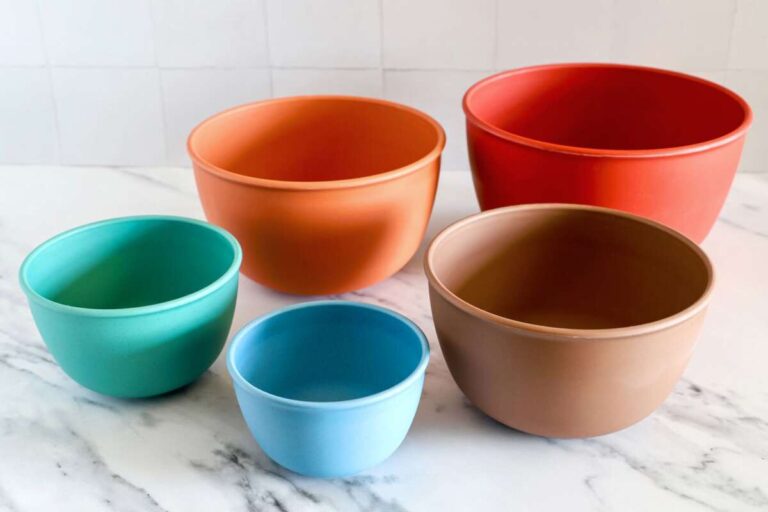
At a party, small bowls let guests serve themselves without reaching across a large dish. Several matching bowls can create a clean look, while different colors can make a relaxed table feel more personal.
When entertaining, place bowls near the foods they belong with. Put salsa beside chips, gravy beside mashed potatoes, and dipping sauce beside appetizers. This small detail improves flow and reduces spills.
A bowl’s appearance also affects how food looks. White ceramic highlights bright foods, while dark bowls can make pale foods stand out. Clear glass works well for layered desserts, colorful fruit, and sauces.
Small Bowls Beyond Food
The answer to what are small bowls used for extends beyond cooking. Their shape makes them useful for many home tasks.
Bathroom and vanity storage
Small bowls can hold:
- Rings
- Earrings
- Hair ties
- Cotton swabs
- Bobby pins
- Small clips
Office and craft organization
Use them for:
- Paper clips
- Pushpins
- Beads
- Buttons
- Sewing needles
- Small craft parts
Pet care
Small bowls can hold pet food, treats, or water. For pets, select bowls made from safe, durable materials. Stainless steel is often easy to clean and less likely to hold odors than some porous materials.
Home decoration
Decorative bowls can hold potpourri, stones, keys, or seasonal ornaments. Avoid using a bowl for food after it has held chemicals, paint, or other nonfood materials.
Small bowls work like tiny storage drawers. They give loose objects a home and help keep busy spaces under control.
Types of Small Bowls and Their Best Uses
The material and shape of a small bowl affect its performance.
Ceramic bowls
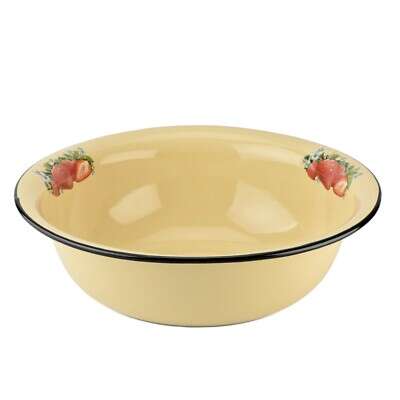
Ceramic bowls are popular for serving sauces, snacks, desserts, and side dishes. Glazed ceramic is usually easy to clean and comes in many colors and patterns.
Check whether the bowl is microwave-safe and dishwasher-safe. Decorative finishes may not tolerate high heat or harsh detergents.
Glass bowls
Glass bowls are useful for mixing, serving, and storing food. They do not usually absorb odors, and their clear surface lets you see the contents.
Some glass is heat-resistant, but not all glass can handle sudden temperature changes. Avoid moving a very hot glass bowl onto a cold or wet surface unless the product is designed for that use.
Stainless steel bowls
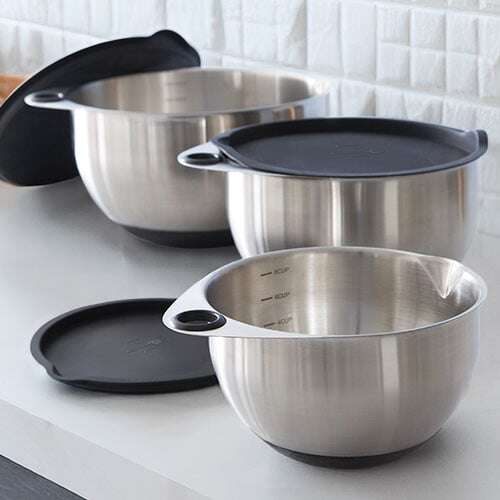
Stainless steel is strong, light, and resistant to breakage. It works well for mixing, food preparation, and outdoor meals.
It may not be ideal for serving acidic foods for long periods if the bowl is low quality or damaged. Stainless steel can also be less attractive for formal table settings.
Plastic bowls
Plastic bowls are light and practical for children, outdoor meals, and storage. Choose products labeled for food use and follow instructions for microwaving and dishwashing.
Plastic can scratch, stain, or absorb strong odors. Replace bowls that become cracked, deeply scratched, or difficult to clean.
Wooden bowls
Wooden bowls offer a warm, natural look. They work well for dry snacks, garnishes, and decoration.
Wood needs more care than glass or ceramic. Do not soak it for long periods, and avoid using it for foods that may stain or leave strong odors unless the bowl has a suitable finish.
Silicone bowls
Silicone bowls are flexible and often useful for baking, food storage, and travel. They can make pouring easier because the sides may bend.
Choose food-grade silicone from a reliable manufacturer. Silicone can hold odors if it is not cleaned well, especially after contact with oily foods.