How Does A Vacuum Cleaner Motor Work: Explained
A vacuum cleaner motor spins a fan that creates airflow, pulling dirt into the machine through pressure differences.
Understanding how does a vacuum cleaner motor work makes it easier to choose, use, and maintain the right machine. The motor is not simply “sucking” dust; it powers a fan, manages airflow, and works with filters, seals, hoses, and brushes as one system. This guide explains each part in plain English, including motor types, common faults, safety tips, and ways to protect performance.
What Does a Vacuum Cleaner Motor Do?
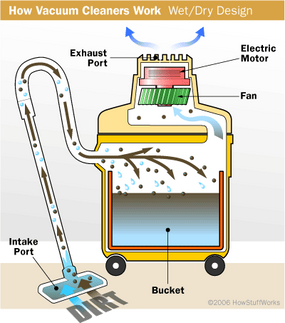
A vacuum cleaner motor changes electrical energy into mechanical energy. That mechanical energy spins a fan, often called an impeller or turbine. As the fan turns, it moves air through the cleaner and creates a pressure difference.
Air naturally moves from an area of higher pressure to an area of lower pressure. The vacuum cleaner uses this simple rule to pull air, dust, hair, and small debris through the nozzle and hose.
The motor does not collect dirt by itself. Instead, it powers the airflow system. The dust bag, bin, filters, seals, and floor head then control where the dirt goes.
A basic vacuum cleaner motor system includes:
- An electric motor that creates rotation
- A fan or impeller that moves air
- An intake path that brings in dirty air
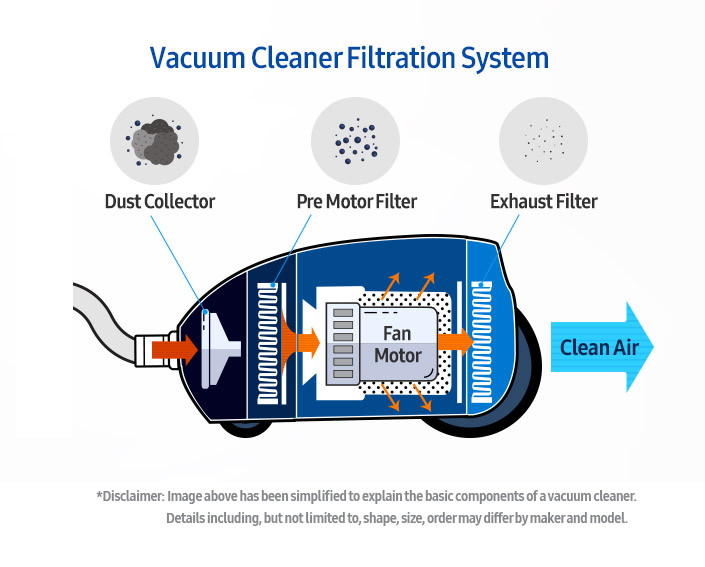
- A filter system that traps fine particles
- An exhaust path that releases cleaner air
- Seals and gaskets that prevent unwanted air leaks
When people ask how does a vacuum cleaner motor work, the simplest answer is that the motor spins a fan to create airflow. The strength and quality of that airflow depend on the full design, not just motor power.
How Does a Vacuum Cleaner Motor Work Step by Step?
The process begins when electricity reaches the motor. In a corded vacuum, power comes from a wall outlet. In a cordless model, a battery supplies direct current through electronic controls.
The motor sends electrical current through its windings. These windings create magnetic fields that interact with permanent magnets or another magnetic field. This interaction makes the motor shaft rotate.
The shaft connects to a fan. When the fan spins, its curved blades push air toward the exhaust side. This lowers the air pressure near the intake opening.
Here is the process in order:
- Electricity enters the vacuum cleaner.
- The motor converts electrical energy into rotation.
- The rotating shaft turns the fan.
- The fan pushes air toward the exhaust.
- Lower pressure forms near the nozzle.
- Higher outside air pressure pushes air and dirt into the nozzle.
- The dust travels through the hose or air channel.
- The bag or bin catches larger particles.
- Filters trap smaller particles.
- Cleaner air leaves through the final exhaust filter.
This is why the phrase “suction power” can be misleading. A vacuum needs both pressure difference and airflow. Strong airflow helps move dirt through the machine, while pressure helps lift debris from a surface.
A clogged filter can reduce airflow even when the motor still sounds normal. A cracked hose can also weaken cleaning because outside air enters through the leak instead of the floor nozzle.

The Main Parts Inside a Vacuum Cleaner motor
a vacuum cleaner motor is usually a compact high-speed motor and fan assembly. Several parts work together inside a small housing.
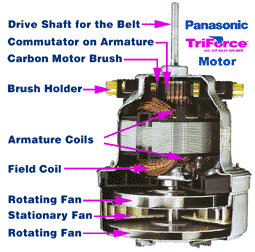
Motor windings
Windings are coils of insulated wire. When current passes through them, they create magnetic fields. These fields produce the force needed to turn the rotor.
Rotor and stator
The rotor is the rotating part. The stator remains still and creates or guides the magnetic field around the rotor. Together, they turn electrical energy into motion.
Commutator and carbon brushes
Many traditional vacuum motors use a universal motor. This design has a commutator and carbon brushes.
The brushes carry current to the spinning commutator. Over time, they wear down because they make physical contact while the motor runs. Worn brushes can cause:
- Intermittent operation
- Sparking
- A burning smell
- Reduced motor speed
- Difficulty starting
Fan or impeller
The fan moves air. Its shape, size, blade angle, and speed affect airflow and pressure. Some vacuum cleaners use multiple fan stages to increase pressure.
Motor bearings
Bearings support the rotating shaft. They reduce friction and help the fan spin smoothly. Worn bearings may create a grinding, squealing, or rumbling sound.
Thermal protector
Many vacuum cleaners have a thermal cutoff or thermal switch. It shuts the motor down if the machine becomes too hot. This protects the windings and reduces the risk of permanent damage.
A useful service lesson is that the fan and motor should be treated as one working unit. Replacing a motor without checking the fan, filter, seals, and air path may not solve the real problem.
src="https://i0.wp.com/blog.exair.com/wp-content/uploads/2023/05/hwELECTVACFAILanim.gif?ssl=1"
alt="The Main Parts Inside a Vacuum Cleaner motor”
style=”max-width: 100%; height: auto; border: 2px solid black; border-radius: 10px; display: block; margin: 0 auto;”
loading=”lazy”
/>
How Airflow and Suction Work Together
Airflow means the volume of air moving through the vacuum. It is often measured in cubic feet per minute, or CFM. Pressure difference shows how strongly the vacuum can pull against resistance.
A vacuum cleaner needs a balance of both. High pressure with poor airflow may not move dirt well through a long hose. High airflow with weak pressure may struggle to lift heavier debris from carpet.
The nozzle also matters. A narrow opening can create a strong local pull, but it may restrict total airflow. A wider opening can move more air but may produce less concentrated pressure.
This explains why a vacuum may perform differently on:
- Bare floors
- Thick carpet
- Rugs with loose fibers
- Upholstery
- Pet-hair tools
- Crevice tools
A sealed system usually cleans better than a system with leaks. In practical terms, a clean filter and tight hose can improve performance more than a motor with a higher watt rating.
Motor wattage measures electrical input. It does not directly measure cleaning ability. Two vacuums with similar wattage can have very different airflow, pressure, nozzle design, and filtration.
When learning how does a vacuum cleaner motor work, remember this key point: the motor creates the force, but the air path turns that force into useful cleaning.
Common Types of Vacuum Cleaner Motors
Universal motors
Universal motors are common in many corded vacuum cleaners. They can run on alternating current from a wall outlet or direct current from a suitable power source.
These motors are compact, fast, and relatively powerful for their size. Their main drawbacks include noise, brush wear, vibration, and electrical interference.
Brushless motors
Brushless motors use electronic controls instead of physical carbon brushes. They are common in many cordless vacuums and newer premium models.
Advantages include:
- Less brush wear
- Lower mechanical friction
- Better efficiency
- Longer potential service life
- Quieter operation in some designs
However, brushless motors need electronic control boards. If the controller fails, repair can be more complex and expensive.
Bypass motors
A bypass motor uses separate air for cooling. The dirty vacuum airflow does not pass directly over the motor windings.
This design helps protect the motor from dust and moisture. It is common in machines designed for household or commercial cleaning.
Through-flow motors
A through-flow motor uses the moving vacuum air to cool the motor. This design can be compact and efficient, but the motor may be more exposed to heat, fine dust, or moisture if filters are poorly maintained.
Never use a regular household vacuum to collect liquids unless it is specifically made for wet pickup. Water can damage electrical parts and create a serious shock hazard.
Why a Vacuum Cleaner Motor Gets Hot
Some heat is normal. Electric motors lose part of their energy as heat because of electrical resistance, friction, and air movement. High-speed vacuum motors can become warm during normal use.
Excessive heat usually points to restricted airflow or mechanical strain. Common causes include:
- A blocked hose
- A full dust bag
- A packed dust bin
- A dirty pre-motor filter
- A clogged exhaust filter
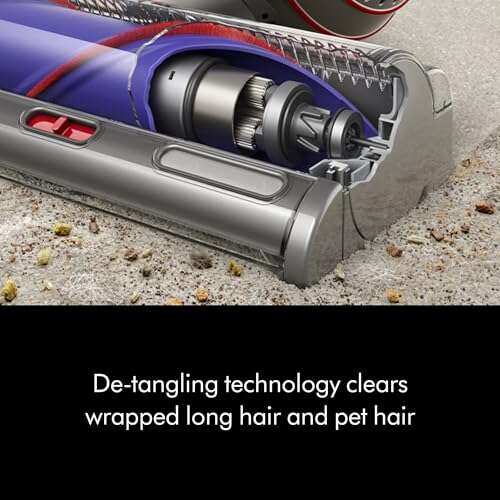
- A tangled brush roll
- A damaged bearing
- A failing motor winding
- A blocked nozzle
When airflow is restricted, the motor may work harder while receiving less cooling air. The result is a rising temperature. Many machines shut off automatically to prevent damage.
If the vacuum stops during use, unplug it and let it cool. Then check the filters, hose, nozzle, and brush roll. Do not keep switching it on if it smells hot or shows visible sparks.
One common mistake is replacing the filter with a very dense, nonapproved material. The machine may appear cleaner, but the new material can restrict airflow and overheat the motor.

How to Tell When a Vacuum Motor Is Failing
A failing motor often gives warning signs before it stops completely. Pay attention to changes in sound, smell, heat, and performance.
Watch for these symptoms:
- A sharp electrical or burning smell
- Loud grinding or squealing
- Repeated thermal shutdowns
- Sparks near the motor area
- A sudden loss of airflow
- Slow or uneven startup
- Smoke from the exhaust
- A circuit breaker that trips
- A motor that runs only when the cord is moved
A high-pitched whine may come from worn bearings. A rough, rattling sound may point to fan damage or a loose part. A burnt smell can indicate overheated insulation, worn brushes, or a blocked air path.
Not every performance problem means the motor has failed. In many service cases, a clogged filter or split hose is the real cause. Start with simple checks before ordering expensive parts.
Unplug the machine before opening any cover. Do not touch exposed wiring unless you have the right training and equipment. Household vacuum cleaners connect to hazardous voltage, and capacitors may hold a charge after unplugging.
How to Maintain a Vacuum Cleaner Motor
Good maintenance keeps airflow steady and reduces motor stress. The exact schedule depends on the model, but simple care makes a clear difference.
Follow these steps:
- Empty the dust bin before it becomes packed.
- Replace disposable bags when they are full.
- Wash reusable filters only if the manual permits it.
- Let washed filters dry fully before reinstalling them.
- Remove hair and thread from the brush roll.
- Check the hose for blockages and cracks.
- Inspect the floor nozzle for trapped debris.
- Clean or replace exhaust filters as directed.
- Keep the vacuum away from standing water.
- Store the machine where the cord and hose will not bend sharply.
Never run a vacuum without a required filter. Fine dust can reach the motor and damage the fan, bearings, or windings.
Do not use compressed air carelessly inside a home vacuum. It can force dust deeper into the motor or spread fine particles into the room. A soft brush and careful cleaning are safer for most household machines.
The best lesson from basic vacuum care is simple: protect airflow. A clean air path helps the motor stay cool and lets the fan do its job efficiently.

Corded and Cordless Vacuum Motor Differences
Corded vacuums receive a steady electrical supply. This allows them to run for long periods and support larger motors. Their main limits are the power cord, outlet location, and cord management.
Cordless vacuums use rechargeable lithium-ion battery packs in many modern designs. Their electronic controls may adjust motor speed to extend battery life. Some models also increase power automatically when they sense thicker carpet.
Battery voltage does not tell the whole performance story. Runtime depends on battery capacity, motor speed, cleaning mode, brush design, filter condition, and floor type.
Cordless models may lose power as the battery charge drops. Cold temperatures can also reduce battery performance. Heat, overcharging, and deep discharge may shorten battery life over time.
A practical choice depends on the job:
- Choose a corded model for long cleaning sessions and large areas.
- Choose a cordless model for quick cleanups and stairs.
- Choose a sealed system if allergies or fine dust are concerns.
- Choose a model with replaceable batteries if long-term repair matters.
Both types use the same basic idea. The motor spins a fan, and the fan creates the pressure difference that moves air and dirt.

How Does a Vacuum Cleaner Motor Work With Filters?
Filters protect both the user and the motor. A pre-motor filter catches particles before they reach the motor. An exhaust filter catches fine particles before air returns to the room.
A high-efficiency particulate air filter, often called a HEPA filter, is designed to capture very small airborne particles under controlled test conditions. Real-world performance also depends on the filter seal, housing design, airflow, and maintenance.
A HEPA label alone does not guarantee that every particle stays inside the machine. Air can bypass the filter through poor seals or damaged plastic. A well-sealed system is just as important as the filter material.
Filters also affect motor performance. As a filter loads with dust, resistance increases. Airflow falls, cooling may decrease, and the motor may run hotter.
Replace filters based on the manufacturer’s instructions and the type of material collected. Homes with pets, construction dust, fireplaces, or allergy concerns may need more frequent service.
Safety Tips for Vacuum Cleaner Motors
Vacuum motors combine electricity, heat, fast-moving parts, and dust. Safe use is not difficult, but it requires attention.
Keep these rules in mind:
- Unplug the vacuum before clearing a blockage.
- Do not vacuum water unless the model is rated for wet pickup.
- Keep fingers, hair, and loose clothing away from rotating brushes.
- Stop using the machine if it smokes or sparks.
- Do not bypass a thermal cutoff.
- Use only approved replacement filters and batteries.
- Keep cords away from hot surfaces and sharp edges.
- Do not open a battery pack unless qualified to do so.
- Follow the manufacturer’s service instructions.
A vacuum that smells faintly warm after heavy use may simply need a cool-down period. A sharp burnt odor is different and should not be ignored.
If the motor trips a breaker, stop using the machine until the cause is checked. The problem may involve the vacuum, the cord, the outlet, or the home’s electrical system.
Frequently Asked Questions About How Does a Vacuum Cleaner Motor Work
Does a vacuum cleaner motor create suction?
The motor itself creates rotation, not suction. It spins a fan that moves air and creates the pressure difference people describe as suction.
Why does my vacuum motor sound loud?
High motor speed, worn bearings, damaged fan blades, loose covers, and blocked airflow can all increase noise. Check the hose, filters, brush roll, and housing before assuming the motor needs replacement.
Can a vacuum motor overheat?
Yes. A blocked hose, full bag, dirty filter, tangled brush, or failing bearing can reduce cooling and increase motor heat. Many vacuums include a thermal protector that shuts the motor off when the temperature becomes unsafe.
Does higher wattage mean stronger suction?
No. Wattage shows how much electrical power the motor uses, not how well the vacuum cleans. Airflow, pressure, seals, filter design, nozzle shape, and brush action also affect cleaning performance.
How often should vacuum filters be replaced?
The correct schedule depends on the model and how often it is used. Inspect filters regularly, clean washable filters as directed, and replace damaged or permanently clogged filters.
Can I repair a vacuum cleaner motor myself?
Basic maintenance, such as clearing blockages and replacing filters, is usually suitable for many owners. Motor repairs involve electrical hazards, so professional service is safer unless you have proper training and tools.
Conclusion
A vacuum cleaner motor works by converting electrical energy into rotation. That rotation spins a fan, moves air, and creates the pressure difference that carries dirt into the bag or dust bin. The motor, fan, filters, hose, seals, and nozzle must all work together for strong cleaning.
The most useful maintenance rule is to protect airflow. Empty the bin, replace filters, clear blockages, and stop using the machine when it smells burnt, sparks, or overheats. With these habits, you can extend motor life and make a more informed choice when buying or repairing a vacuum cleaner.
Explore your vacuum’s manual for its exact filter and service instructions, and share this guide with anyone who wants to understand what is happening inside their machine.

Liora Pennings is a seasoned chef and kitchen enthusiast with a passion for turning everyday cooking into an effortless experience. With years of hands-on culinary expertise, she specializes in practical techniques, ingredient know-how, and smart kitchen solutions that help home cooks elevate their meals. At KitchFlair.com, Liora shares her best tips, time-saving tricks, and honest product reviews to guide readers toward a more efficient, enjoyable, and inspired cooking routine. Whether you’re a beginner or a seasoned home chef, Liora’s friendly, knowledge-packed insights make every visit to the kitchen a little easier—and a lot more delicious.