How Do You Make A Vacuum Cleaner: Simple DIY Guide
A vacuum cleaner uses a motor, fan, filter, hose, and sealed body to pull in air and collect dirt.
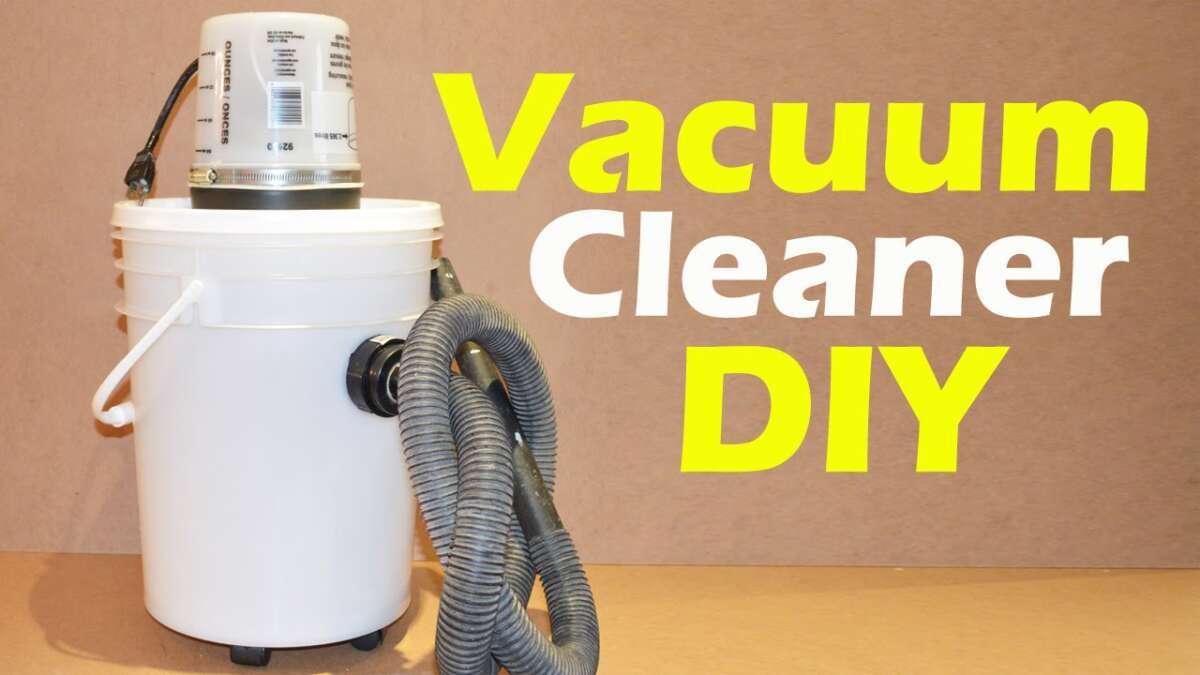
Learning how do you make a vacuum cleaner starts with one simple idea: moving air creates suction. With the right parts, careful sealing, and safe electrical work, you can build a basic working model at home. This guide explains the science, parts, design steps, common mistakes, and safer ways to test your project.
How a Vacuum Cleaner Works
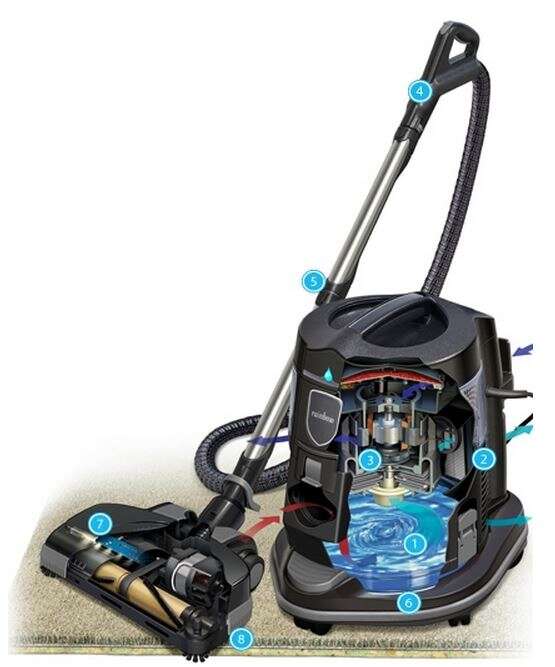
A vacuum cleaner does not truly “suck” dust by creating empty space. Instead, its motor spins a fan at high speed. The fan pushes air out of the machine, which lowers the air pressure inside the cleaner.
Air from the room then rushes into the low-pressure area through the nozzle or hose. Dust and debris travel with that moving air. The filter catches the dirt, while the cleaner releases filtered air back into the room.
Think of the system like drinking through a straw. Your mouth lowers the air pressure inside the straw, and the higher pressure around the drink pushes liquid upward. A vacuum cleaner uses a motor and fan to create a similar pressure difference.
The main parts are:
• Electric motor: Provides the power needed to spin the fan.
• Fan or impeller: Moves air through the machine.
• Intake hose or nozzle: Guides dirty air into the cleaner.
• Dust container or bag: Holds collected debris.
• Filter: Traps dust before air leaves the machine.
• Housing: Keeps the airflow controlled and protects moving parts.
• Power switch and cord: Control the electrical supply.
A strong vacuum cleaner depends on airflow and pressure. A powerful motor alone does not guarantee good cleaning. A loose hose, blocked filter, or leaking case can reduce performance just as much as a weak motor.

What You Need to Make a Vacuum Cleaner
Before asking how do you make a vacuum cleaner, choose the type of cleaner you want to build. A small dry vacuum for crumbs is much easier than a full-size machine for carpets, pet hair, and fine dust.
For a simple low-voltage project, gather these parts:
• Small DC motor with a suitable voltage rating
• Plastic fan or impeller designed for the motor
• Sturdy plastic container with a lid
• Flexible hose or narrow plastic tubing
• Small collection cup or removable dust chamber
• Foam or pleated filter material
• Battery pack or approved low-voltage power supply
• On/off switch
• Insulated wires and suitable connectors
• Rubber gasket, tape, or silicone sealant
• Protective grille for the fan
• Screws, cable ties, and basic hand tools
You may also use a ready-made blower motor from a small appliance. However, do not remove a motor from a working appliance unless you understand electrical safety. Household motors may use dangerous voltage, contain sharp parts, or require special cooling.
For a homemade vacuum, the filter matters more than many beginners expect. A piece of loose cloth may catch large crumbs, but it will not reliably trap fine dust. Use a proper vacuum filter, foam filter, or filter material rated for the type of debris you plan to collect.
Do not use a homemade cleaner to collect asbestos, mold, lead dust, silica dust, hot ash, liquids, or flammable materials. These substances need equipment made and tested for that purpose.

How Do You Make a Vacuum Cleaner Step by Step?
The following method explains how do you make a vacuum cleaner for light, dry debris. It is best suited to a small demonstration unit or hobby project.
1. Plan the Airflow Path
Draw the air path before cutting anything. A basic design should follow this order:
- Nozzle or hose
- Dust collection chamber
- Filter
- Fan
- Motor
- Exhaust opening
The dirty air should reach the collection chamber before it reaches the motor. This arrangement protects the motor from dust. Some designs place the filter before the fan, while others place it after the collection chamber. The key rule is simple: dust must not enter the motor.
Keep the hose short and smooth. Sharp bends create resistance and reduce airflow. A wide hose often moves more air, while a narrow hose may create faster airflow at the nozzle. For general cleaning, a balanced hose size works best.
2. Prepare the Container
Choose a container that is strong enough to resist slight air pressure changes. A thick plastic container with a tight lid is safer than a thin food tub that may collapse.
Cut two openings:
• One opening for the intake hose
• One opening for the motor and fan assembly
Place the intake opening near the top or side of the collection chamber. Position the filter between the dust area and the motor. Seal each opening with a rubber gasket or suitable sealant.
A leak may look small, but it can act like a hole in a drinking straw. The cleaner will pull air through the leak instead of through the nozzle.
3. Install the Fan and Motor
Attach the fan securely to the motor shaft. The fan must spin freely without touching the case. Even a small imbalance can create vibration, noise, or damage.
Add a protective grille around the fan. Never operate an exposed spinning impeller near fingers, clothing, hair, or loose objects.
The fan must spin in the correct direction. If it pushes air toward the hose instead of toward the exhaust, the machine may blow dust instead of collecting it. Test the airflow briefly before sealing the housing.
4. Add the Filter
Place the filter so all dirty air must pass through it. Use a removable design so you can clean or replace the filter later.
The filter should not press tightly against the fan. Leave enough space for air to spread across the filter surface. A filter that is too small becomes blocked quickly and makes the motor work harder.
For a basic model, a washable foam filter can work for larger particles. For finer dust, use a pleated filter designed for vacuum equipment. A high-efficiency filter can improve air quality, but it also creates more resistance. Your motor must be strong enough to handle it.
5. Connect the Electrical Parts
For beginners, a low-voltage battery system is the safest choice. Match the motor, battery, switch, and wires to the same voltage range.
Connect the circuit in this order:
-
Connect one battery wire to the switch.
-
Connect the switch to one motor terminal.
-
Connect the other motor terminal back to the battery.
-
Cover every connection with proper insulation.
Use a fuse when practical. The fuse should protect the wire and motor from excessive current. Never connect exposed wires to a wall outlet, and never place a low-voltage motor directly across household power.
If you need a plug-in machine, use a certified motor and a professionally designed power supply. A licensed electrician should handle mains-voltage wiring. Homemade mains-powered appliances can cause electric shock, fire, or fatal injury.
6. Seal and Test the Cleaner
Close the container and inspect every joint. Check that the hose fits tightly and that the filter sits flat.
Test the cleaner for only a few seconds at first. Watch for:
• Excessive vibration
• Burning smells
• Hot wires or connectors
• Unusual motor noise
• Loose fan parts
• Air leaks
If the motor runs smoothly, test the cleaner with a small amount of dry paper or clean crumbs. Do not begin with fine powder. Fine dust can pass through poor seals and damage the motor.
This step-by-step process shows how do you make a vacuum cleaner without trying to copy every feature of a commercial machine. A simple, sealed design is safer and easier to improve.
How to Improve Suction and Airflow
When people ask how do you make a vacuum cleaner stronger, they often focus only on motor power. That is a common mistake. Suction improves when the entire airflow system works together.
Start by checking for leaks. Apply a thin gasket around the lid and hose connections. Avoid using large amounts of soft sealant inside the air path because pieces may break loose and reach the fan.
Keep the filter clean. As dust fills the filter, air resistance rises. The motor may sound louder while the nozzle collects less dirt. A clean filter can make a small cleaner perform better than a larger machine with a blocked filter.
Use a fan designed for moving air. A random computer fan may spin quickly, but it may not create enough pressure for a vacuum. Blower-style fans usually perform better because their blades are shaped to move air through resistance.
You can also improve performance by:
• Reducing sharp bends in the hose
• Making the dust chamber wide enough to slow the incoming air