Do You Vacuum After Steam Cleaning: What To Do Next
Yes, vacuum before steam cleaning, but wait until the carpet is fully dry before vacuuming afterward.
Knowing whether you vacuum after steam cleaning can protect carpet fibers, speed drying, and prevent new dirt from sticking to damp areas. The right method depends on the carpet type, cleaning machine, moisture level, and the kind of soil being removed. This guide explains what professional cleaners recommend, along with simple steps that work at home.
Should You Vacuum After Steam Cleaning?
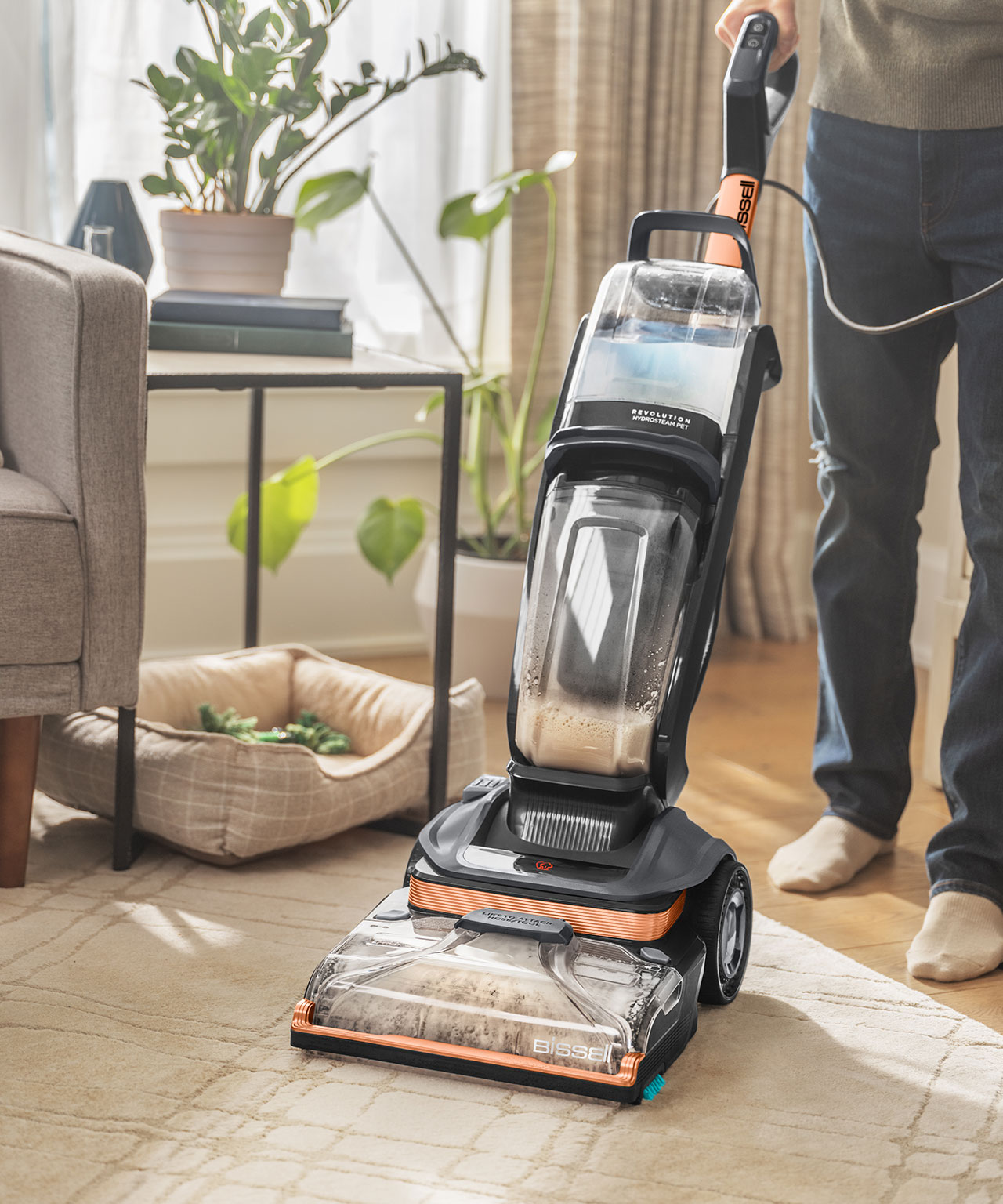
You usually should vacuum after steam cleaning, but not right away. Wait until the carpet is completely dry. Vacuuming damp carpet can press down wet fibers, spread moisture, and place stress on the machine.
Steam cleaning uses hot water and cleaning solution to loosen dirt deep inside carpet fibers. A powerful extractor then removes much of that water. However, some moisture remains in the carpet backing and padding.
Once the carpet feels dry, vacuuming can remove:
• Loose soil brought to the surface
• Carpet fibers that became flattened during cleaning
• Small bits of residue left behind after drying
• Pet hair and dust that the extractor did not collect
The basic answer to “do you vacuum after steam cleaning” is yes, but timing matters more than speed. Think of the carpet like a wet sponge. You would not brush a sponge while it is soaked. You would let it release moisture first.
Why Vacuum Before Steam Cleaning?
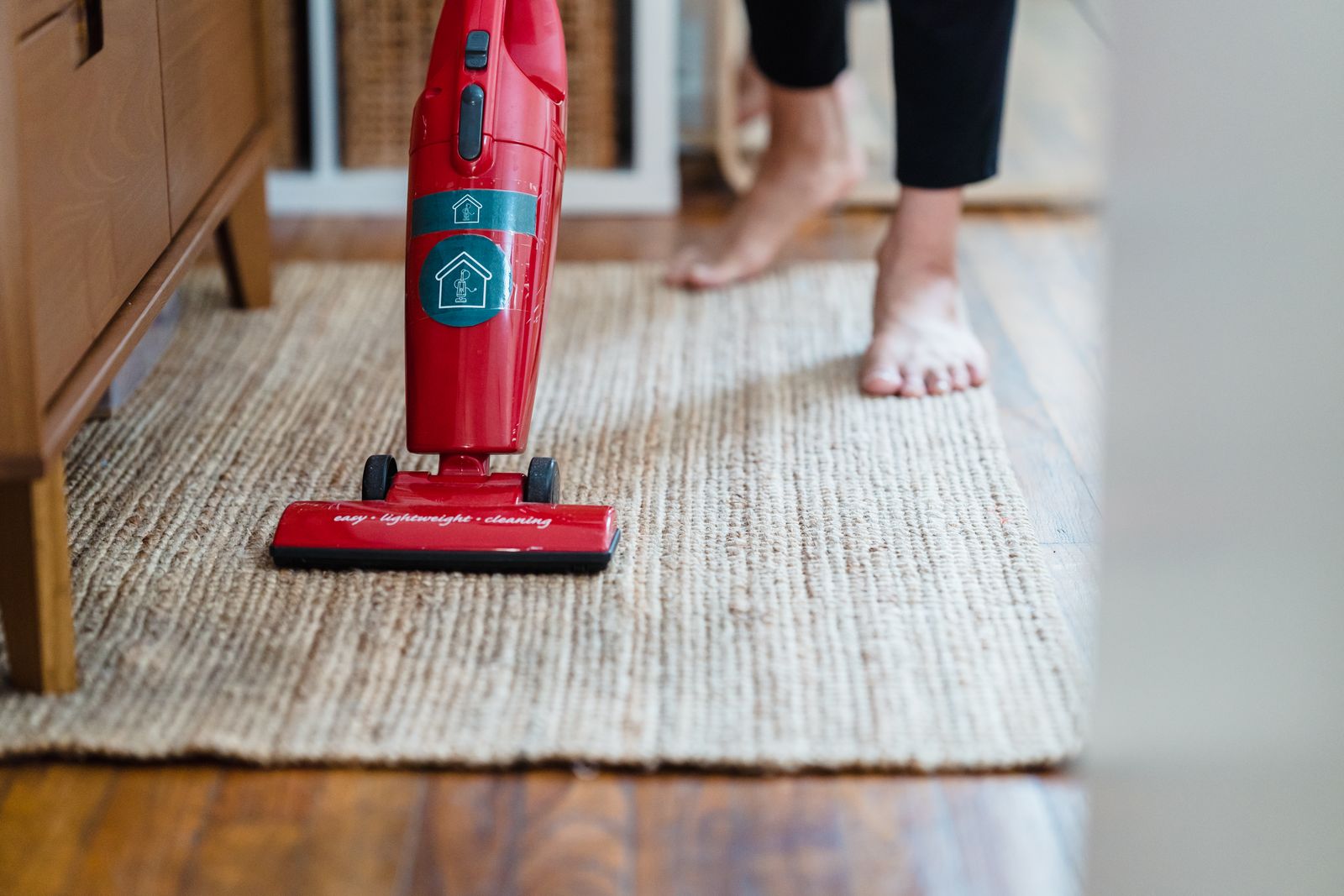
Vacuuming before steam cleaning is often more important than vacuuming afterward. A vacuum removes dry soil before water reaches the carpet.
Dry dirt includes sand, crumbs, hair, skin flakes, and dust. If these particles stay in the carpet, water can turn them into muddy debris. That makes extraction harder and may leave the carpet looking dull.
A careful pre vacuum also helps the cleaning solution reach the fibers. This improves soil removal and reduces the chance of streaks.
Follow these steps before steam cleaning:
- Remove small furniture, toys, and loose items.
- Vacuum slowly in two directions.
- Use a crevice tool around baseboards and stairs.
- Vacuum high traffic lanes more than once.
- Treat stains according to the carpet maker’s care instructions.
- Check for loose seams, worn spots, or damaged padding.
In my experience, rushing the pre vacuum is one of the most common home cleaning mistakes. People often expect steam cleaning to do everything. It does not. Hot water extraction removes many deep soils, but it is not a replacement for dry vacuuming.

When Should You Vacuum After Steam Cleaning?
The safest time to vacuum after steam cleaning is when the carpet is fully dry. Drying time can range from 4 to 24 hours. It may take longer when the room has poor airflow, high humidity, thick padding, or heavy water use.
Do not rely only on the surface. Carpet can feel dry on top while the pad below is still damp. Press a clean white towel into the carpet for several seconds. If the towel feels wet or shows moisture, wait longer.
Good signs that the carpet is ready include:
• The fibers no longer feel cool or damp
• No wet smell remains
• The carpet does not darken when pressed
• Furniture legs can return without moisture concerns
• A clean towel stays dry after firm pressure
Open windows when outdoor air is dry. Run fans across the carpet, not only upward. Air conditioning or a dehumidifier can also help.
If you ask, “do you vacuum after steam cleaning the same day,” the answer depends on drying. Same day is fine only if the carpet has dried fully. Never use a vacuum on wet carpet unless the machine is designed for wet extraction.
How to Vacuum After Steam Cleaning
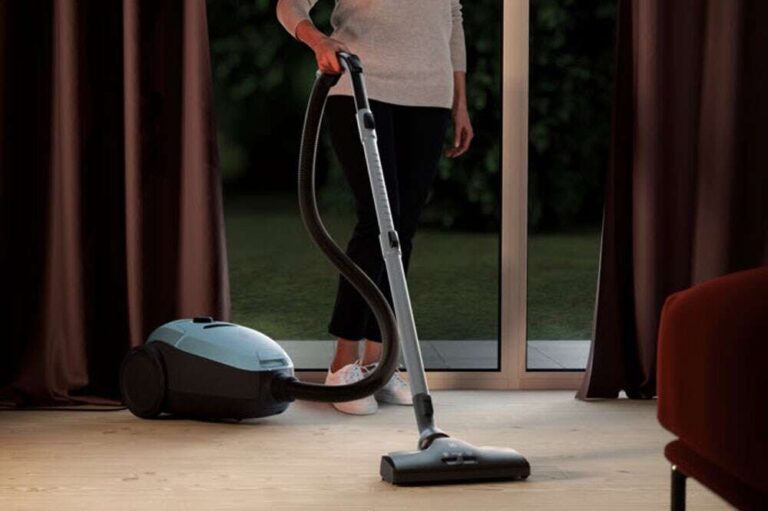
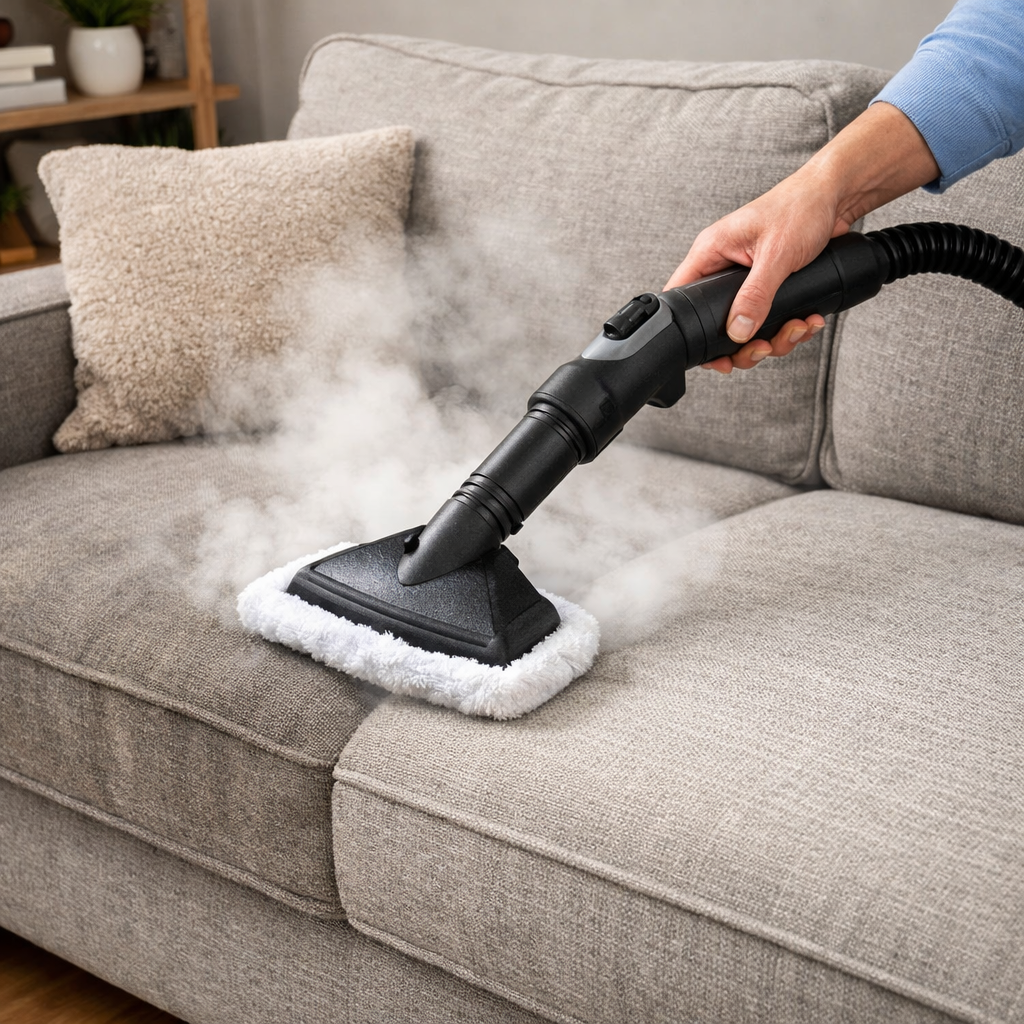
Use a clean vacuum with an empty canister or a fresh bag. A dirty filter can reduce suction and send dust back into the room.
Set the vacuum to the correct height for your carpet. A setting that is too low can drag the fibers. A setting that is too high may not collect surface dirt well.
Use this simple process:
- Check that the carpet is fully dry.
- Empty the vacuum and inspect its filter.
- Start at the far side of the room.
- Vacuum in slow, straight passes.
- Make one pass in the lengthwise direction.
- Make a second pass across the first direction.
- Use an upholstery or crevice tool near edges.
- Empty the canister when it becomes about half full.
Avoid aggressive brushing on delicate rugs. Wool, silk, viscose, and antique rugs may need special care. A standard upright vacuum can damage these materials if the brush roll is too strong.
For most wall to wall carpet, one careful vacuuming session after drying is enough. You may need another pass in busy areas where loose fibers or dirt appear.
Does Vacuuming After Steam Cleaning Improve Results?
Yes, vacuuming after steam cleaning can improve the final look and feel. Steam cleaning loosens soil, while vacuuming collects dry particles that remain near the surface.
Some carpets also show a temporary “fluffy” or uneven look after cleaning. As the fibers dry, they may stand in different directions. Vacuuming helps set them into a more even pattern.
Post cleaning vacuuming may also help with:
• Loose pet hair
• Fine dust
• Carpet nap alignment
• Small particles left by traffic
• Light cleaning residue
However, vacuuming cannot fix every steam cleaning problem. It will not remove a deep oil stain, repair damaged fibers, or correct excessive detergent use. If the carpet feels sticky after drying, too much cleaning solution may have been used.
A sticky carpet can attract new dirt quickly. In that case, a professional rinse or low moisture treatment may work better than repeated vacuuming.
What Happens If You Vacuum Wet Carpet?
Vacuuming wet carpet with a regular household vacuum can damage the motor. Most dry vacuums are not built to handle water. Moisture can reach electrical parts and create a safety risk.
Even when using a wet dry vacuum, there are limits. A wet dry vacuum can remove water during cleaning, but it does not replace proper extraction equipment. It may also leave carpet damp if the machine lacks enough suction.
Vacuuming wet carpet can cause other problems:
• Fibers may become crushed
• Dirt can spread across damp areas
• Carpet backing may shift
• The pad may remain wet longer
• A musty odor may develop
• Mold growth can become more likely if moisture stays trapped
The risk is higher in humid rooms or over concrete floors. Fast drying matters because prolonged moisture can affect both carpet and indoor air quality.
If carpet remains wet after 24 hours, improve airflow and contact the cleaning company. Persistent dampness may point to over wetting, poor extraction, a plumbing issue, or saturated padding.
Should You Vacuum After Steam Cleaning a Rug?
The answer to “do you vacuum after steam cleaning a rug” is also yes, but rug care needs more caution. Rugs often have different fibers, dyes, backings, and construction than wall to wall carpet.
Check the care label first. A rug made from wool, silk, jute, sisal, or viscose may react poorly to excess water or a strong rotating brush.
For a washable synthetic rug:
• Let both sides dry fully
• Vacuum the front gently
• Turn the rug over and vacuum the back if safe
• Avoid pulling loose fringe into the vacuum
• Use low suction on delicate areas
Do not vacuum fringe with a rotating brush. Use low suction or gently clean it by hand. Never place a damp rug back on a wood floor, as trapped moisture can damage the floor finish.
Professional rug cleaners often dry rugs in a controlled space. This reduces dye bleeding, shrinkage, and odor. When uncertain, test a small hidden area or ask a rug specialist.
Does Carpet Type Change the Answer?
Carpet type affects how and when you vacuum after steam cleaning. Dense carpet may hold more moisture than a low pile carpet. Plush carpet can also hide dampness below the surface.
Synthetic fibers such as nylon and polyester usually tolerate standard vacuuming well after drying. Wool needs gentler treatment because strong heat, moisture, or agitation can affect its shape and texture.
Consider these material differences:
• Nylon: Usually durable and easy to vacuum after drying
• Polyester: Often resists stains but may show oily soil
• Olefin: Can flatten or develop a worn look in busy paths
• Wool: Needs gentle suction and careful moisture control
• Berber: May snag if the vacuum brush is too aggressive
• Shag: Requires a suitable attachment and slow movement
Always follow the manufacturer’s care guide. Carpet warranties may exclude damage caused by incorrect cleaning methods.
Common Mistakes to Avoid
A few simple mistakes can undo good steam cleaning work. Most are easy to prevent.
Do not walk heavily on wet carpet. Foot traffic can flatten fibers and push soil back into the damp material. If you must cross the room, wear clean socks or use protective shoe covers.
Avoid replacing furniture too soon. Furniture can block airflow and leave rust or dye marks on damp carpet. Use foil or waterproof furniture tabs if the cleaner recommends returning items before complete drying.
Do not add extra detergent without measuring it. More solution does not always mean cleaner carpet. It may leave a film that attracts dust.
Other mistakes include:
• Using a dry vacuum on wet carpet
• Skipping the pre vacuum
• Closing windows and doors in a humid room
• Applying heat too close to carpet fibers
• Scrubbing stains aggressively after cleaning
• Ignoring a damp smell
• Vacuuming delicate rugs with a stiff brush roll
One lesson I learned early is that drying is part of cleaning, not an afterthought. Good airflow often makes a bigger difference than extra scrubbing.
How Long Should You Wait Before Vacuuming?
Most carpets need at least 4 to 8 hours before they are ready for a normal vacuum. Thick carpet, heavy padding, cold weather, and high humidity can extend this time to 12 or 24 hours.
Professional cleaning equipment usually removes more water than a rental machine. Even so, drying time varies by home. A basement room may dry more slowly than a sunny upstairs room.
Use these steps to shorten drying time safely:
- Turn on ceiling fans.
- Place portable fans across the carpet.
- Use a dehumidifier.
- Keep indoor temperature moderate.
- Open windows when outdoor humidity is low.
- Keep traffic to a minimum.
- Do not cover the carpet with plastic.
Avoid using intense heat from a space heater. It can create a fire risk and may damage some fibers or adhesives. Air movement is usually the safest and most effective choice.
Is Professional Steam Cleaning Better?
Professional steam cleaning, often called hot water extraction, can provide a deeper clean than many home machines. Professional equipment usually has stronger vacuum recovery and more controlled water flow.
Technicians also inspect the carpet, identify fiber types, apply suitable pre treatments, and adjust pressure. These steps can reduce over wetting and protect the carpet.
Still, professional service is not magic. Results depend on the carpet’s age, construction, stain history, and previous cleaning. Some stains have permanently changed the fiber color and cannot be fully removed.
Ask a cleaning company about:
• Their extraction method
• Expected drying time
• Cleaning products
• Experience with your carpet fiber
• Furniture moving policies
• What happens if the carpet stays wet
Reliable cleaners explain both benefits and limits. Be cautious of anyone who promises that every stain will disappear.