Can You Vacuum Seal With A Vacuum Cleaner: Guide
A vacuum cleaner can remove air from some bags, but it cannot safely create a true food vacuum seal.
If you are wondering, “can you vacuum seal with a vacuum cleaner,” the honest answer is: only for limited storage uses. A household vacuum cleaner may pull air from a special valve bag, but it does not replace a vacuum sealer for food. The difference affects freshness, food safety, moisture control, and how long the seal lasts. This guide explains what works, what fails, and safer options you can use at home.

Can You Vacuum Seal With a Vacuum Cleaner?
You can use a vacuum cleaner to remove air from certain storage bags. These bags often have a one-way valve that connects to a hose or nozzle. The vacuum pulls air out, and the valve helps keep the bag compressed.
However, a vacuum cleaner does not heat-seal the plastic. A proper vacuum sealer removes air from a food-grade bag and then melts the open edge shut. That seal blocks air from coming back in.
So, can you vacuum seal with a vacuum cleaner for food? Usually, no. You can reduce the air in a bag, but you do not get the same airtight, food-safe seal made by a vacuum sealing machine.
A vacuum cleaner may work for:
- Clothing storage bags
- Bedding and blankets
- Seasonal decorations
- Soft toys
- Travel compression bags
- Some dry, nonfood items
It is not a reliable choice for:
- Meat
- Fish
- Cheese
- Cooked meals
- Fresh vegetables
- Wet foods
- Long-term food storage
Think of it this way: a vacuum cleaner is like a straw that removes air, while a vacuum sealer is like a straw plus a strong lock. Removing air is only half the job. Keeping that air out is the part that protects the contents.

Why a Vacuum Cleaner Is Not a True Vacuum Sealer
A vacuum cleaner and a vacuum sealer both move air, but they are designed for different jobs.
A vacuum cleaner creates suction through a hose. It pulls dust, hair, and loose dirt into a bag or canister. A vacuum sealer uses controlled suction and a heated sealing strip. It removes air, then closes the bag with a firm, airtight seam.
Here are the main differences:
- A vacuum cleaner removes air but does not seal the bag edge.
- A vacuum sealer uses heat to close a food-safe bag.
- A vacuum cleaner may have weak control for delicate foods.
- A vacuum sealer often has wet and dry settings.
- A vacuum sealer can stop suction before liquid reaches the pump.
- A vacuum cleaner is not built for food contact or liquid removal.
Many vacuum cleaners also exhaust air back into the room. That air may pass over dust, pet hair, or allergens inside the machine. You do not want that system touching the open end of a food bag.
In hands-on kitchen tests, the most common failure is simple. The bag looks tight at first, then slowly fills with air because the opening was never sealed. A rubber band, tape, or clip may slow the leak, but it does not create a dependable food seal.

What Happens If You Use a Vacuum Cleaner on Food Bags?
If you try to use a vacuum cleaner on a standard plastic food bag, several problems can occur.
First, the bag may collapse unevenly. The nozzle can pull the plastic into the hose and block airflow. Thin plastic can also tear, especially around the nozzle.
Second, the open end remains unsealed. Even if you fold it tightly, air can return through tiny gaps. Moisture and odors can also enter the bag.
Third, the vacuum may pull liquid into the hose or canister. This can damage a dry vacuum cleaner and spread bacteria inside parts that are hard to clean.
Potential problems include:
- Food contamination from a dirty hose or nozzle
- Plastic tearing from strong suction
- Liquids entering the vacuum motor
- Loss of suction during use
- Air leaking back into the bag
- Faster spoilage of perishable food
- Odors spreading through the vacuum system
The risk is higher with raw meat, poultry, seafood, and cooked food. These foods can support harmful bacteria when held at unsafe temperatures. Removing air does not make unsafe food safe, and it does not replace refrigeration or freezing.
Food safety guidance also warns that low-oxygen packaging can create special risks if food is stored incorrectly. Keep perishable food cold, follow storage times, and never assume a tight-looking bag makes food shelf-stable.
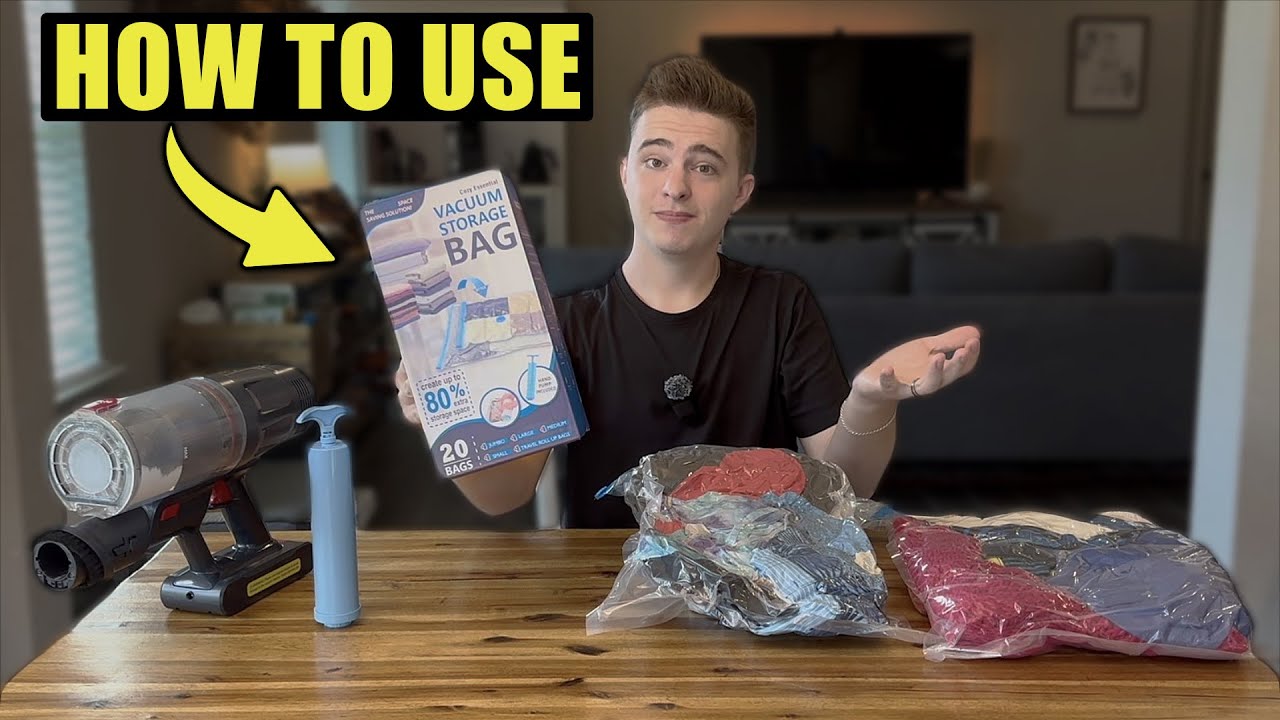
Can You Use a Vacuum Cleaner With Vacuum Storage Bags?
Yes, but only when the storage bag is made for a vacuum cleaner or a compatible hose attachment.
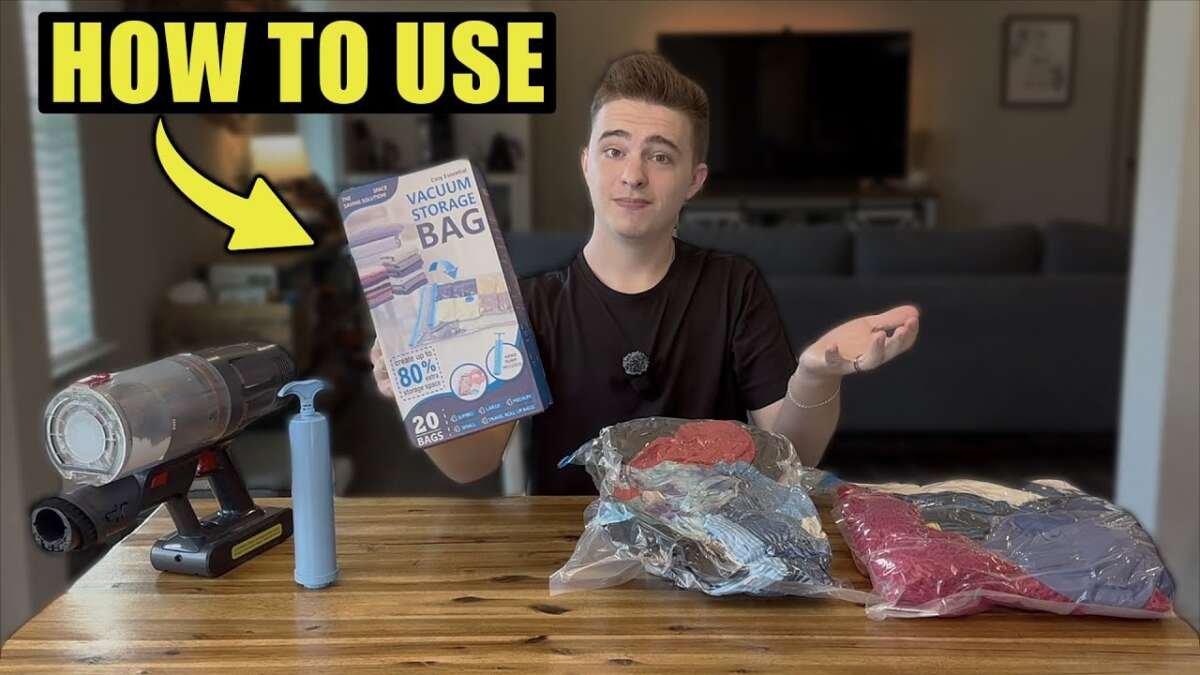
Vacuum storage bags usually have a round valve on the outside. You place clothes or fabric inside, close the zipper, and press the vacuum nozzle over the valve. The cleaner removes air from the bag, and the valve limits air flow back inside.
Follow these steps:
- Place clean, dry items inside the storage bag.
- Leave space around the valve.
- Close the zipper fully.
- Press the vacuum hose over the valve.
- Turn on the vacuum for a short time.
- Stop when the bag is firm and flat.
- Check the zipper and valve for leaks.
- Store the bag away from sharp edges and heat.
Do not use these bags for food unless the manufacturer clearly states that they are food-grade and designed for food storage. Most clothing bags are not made from materials tested for direct food contact.
Also, do not over-compress delicate items. Down coats, wool garments, leather, and some foam products may lose their shape. Follow the care label, especially for items that need air circulation.

How to Vacuum Seal With a Vacuum Cleaner Safely
If your goal is to compress household items, using a vacuum cleaner can be safe when you follow the bag instructions. The key is to use the right bag and keep the nozzle clean.
A simple process looks like this:
- Choose a valve-style compression bag.
- Check the bag for holes, cracks, or a damaged zipper.
- Place dry items inside without filling the bag to the top.
- Close the zipper all the way.
- Attach the vacuum hose to the valve.
- Use low suction if your cleaner has that setting.
- Stop once the bag is flat and stable.
- Inspect the bag after a few minutes.
Never insert the vacuum hose directly into a food bag or a loose plastic bag. The hose may tear the plastic, and the bag may block the vacuum intake.
Avoid using a vacuum cleaner near water unless it is specifically designed for wet pickup. A standard dry vacuum can suffer electrical damage if it draws in liquid. Unplug the machine before cleaning or changing attachments.
A useful lesson from storage projects is that the valve and zipper matter more than maximum suction. Strong suction cannot fix a poor closure. A clean, well-made bag with moderate suction usually performs better than a cheap bag with a powerful vacuum.

Better Ways to Vacuum Seal Food
For food, use a countertop vacuum sealer, chamber vacuum sealer, or another device designed for food packaging.
A standard external vacuum sealer works well for many home kitchens. It removes air through a textured channel bag, then heat-seals the opening. Some models offer pulse mode, which helps protect soft foods and prevents liquid from being pulled into the machine.
A chamber vacuum sealer places the entire bag inside a chamber. It can handle liquids more easily because the pressure changes inside the chamber at the same time. These machines cost more and take up more space, but they are useful for frequent meal preparation or commercial-style packaging.
Other safe food storage methods include:
- Freezing food in airtight freezer containers
- Using freezer-safe zipper bags and pressing out excess air
- Wrapping food tightly in suitable food packaging
- Using airtight containers for dry goods
- Canning food with tested processing methods
- Using the water displacement method for some freezer bags
When sealing food, leave enough space at the top of the bag for the machine to create a clean seal. Wipe the inside edge dry. Moisture on the sealing strip can cause wrinkles and leaks.
For soups, sauces, and marinades, freeze the food first. Once solid, place it in a vacuum sealer bag and seal it. This simple step reduces the chance of liquid entering the vacuum channel.

Vacuum Sealing Versus Vacuum Packing
People often use “vacuum sealing” and “vacuum packing” as if they mean the same thing. They are related, but the terms describe different parts of the process.
Vacuum packing means removing much of the air around an item. Vacuum sealing means closing the package so air cannot easily return. A vacuum cleaner may help with vacuum packing, but it normally cannot complete the sealing step.
A true food vacuum seal should have:
- A smooth, continuous heat seal
- A food-safe bag
- No visible channels or wrinkles across the seal
- No holes near the edges
- A stable closure after cooling
- Proper storage at a safe temperature
Test the seal by pressing gently around the bag. If air enters or the seam opens, reseal the package or move the food to another container. Do not trust a bag just because it looks flat.
Vacuum sealing also does not kill bacteria, remove toxins, or make food safe at room temperature. It can slow oxidation, freezer burn, and some quality loss, but safe handling still matters.

Common Mistakes to Avoid
The biggest mistake is treating air removal as a substitute for food preservation. A low-air package still needs correct refrigeration or freezing.
Avoid these errors:
- Using a household vacuum hose on food
- Sealing warm food before it cools
- Packing wet food without using a pulse setting
- Filling the bag too close to the opening
- Leaving crumbs or grease on the seal area
- Using ordinary plastic bags in a heat sealer
- Storing vacuum-packed food at room temperature
- Freezing food that already smells spoiled
- Reusing bags that held raw meat or fish
- Assuming vacuum sealing makes food last forever
Another common error is failing to label packages. Write the food name and date on each bag. This small habit helps you use older food first and avoid guessing how long something has been stored.
If a package smells sour, looks swollen, leaks, or feels unusually slimy, discard it. Do not taste questionable food to test it. When in doubt, throw it out.
Is It Worth Buying a Vacuum Sealer?
A vacuum sealer can be worthwhile if you often freeze food, buy meat in bulk, prepare meals ahead, or want to reduce freezer burn.
Benefits may include:
- Less air around frozen food
- Better protection from freezer burn
- More organized freezer storage
- Longer quality life for many foods
- Smaller packages for limited freezer space
- Convenient portion control
The device is less useful if you only seal food once or twice a year. In that case, freezer-safe bags and careful air removal may meet your needs.
When choosing a machine, look for:
- A strong heat-sealing strip
- Pulse or manual suction control
- A removable drip tray
- Easy-to-clean surfaces
- Compatible replacement bags
- A wet-food setting
- A sealing width that fits your usual portions
Cost matters, but bag quality matters too. An inexpensive machine with reliable bags can work better than an expensive machine paired with thin, poorly made packaging.
Frequently Asked Questions About Can You Vacuum Seal With a Vacuum Cleaner
Can you vacuum seal food with a regular vacuum cleaner?
A regular vacuum cleaner can remove some air, but it cannot create a dependable heat seal for food. It may also introduce dirt into the bag or pull liquid into the vacuum, so a food vacuum sealer is the safer choice.
Can you use a vacuum cleaner on vacuum storage bags?
Yes, if the bag has a compatible valve and is designed for vacuum cleaner use. These bags are generally intended for clothes, bedding, and other household items rather than food.
Can a vacuum cleaner remove air from a Ziploc bag?
It may remove some air if you create a small opening around the hose, but the method often leaks and can damage the bag. It is not a reliable replacement for a heat-sealed food bag.
Does vacuum sealing make food last longer?
A proper vacuum seal can help protect food quality by reducing air exposure and freezer burn. It does not stop all bacterial growth, so food still needs proper refrigeration, freezing, and handling.
Can a vacuum cleaner damage vacuum storage bags?
Strong suction can pull the plastic into the hose, stretch the valve, or tear thin material. Use short bursts of suction and stop when the bag is compressed.
Is it safe to vacuum seal hot food?
No. Allow food to cool safely before sealing, and avoid leaving it at room temperature for long periods. Hot food can create moisture, weaken the seal, and raise food safety concerns.
Conclusion
So, can you vacuum seal with a vacuum cleaner? You can remove air from purpose-made household compression bags, but a regular vacuum cleaner cannot produce the strong, food-safe seal created by a vacuum sealer.
Use a vacuum cleaner for clothes, bedding, and other dry household items. For meat, vegetables, leftovers, and freezer meals, choose a food vacuum sealer and follow safe storage practices. Select the right bag, keep the seal area clean and dry, label each package, and never rely on vacuum packing alone to make food safe.
Choose the method that fits your goal, then test it with a small batch before storing valuable items. Explore more food storage guides, compare vacuum sealer features, and share your own storage tips in the comments.

Liora Pennings is a seasoned chef and kitchen enthusiast with a passion for turning everyday cooking into an effortless experience. With years of hands-on culinary expertise, she specializes in practical techniques, ingredient know-how, and smart kitchen solutions that help home cooks elevate their meals. At KitchFlair.com, Liora shares her best tips, time-saving tricks, and honest product reviews to guide readers toward a more efficient, enjoyable, and inspired cooking routine. Whether you’re a beginner or a seasoned home chef, Liora’s friendly, knowledge-packed insights make every visit to the kitchen a little easier—and a lot more delicious.