Can You Pawn A Vacuum Cleaner: What To Know
Yes, you can pawn a vacuum cleaner, but the shop’s offer depends on its brand, condition, and local demand.
If you need fast cash, learning whether you can pawn a vacuum cleaner is a smart first step. Pawn shops do not value every appliance the same way. They look at resale value, working condition, age, cleanliness, and how easy the item will be to sell. This guide explains what to expect, how much you may receive, and how to avoid common mistakes.
Can You Pawn a Vacuum Cleaner?
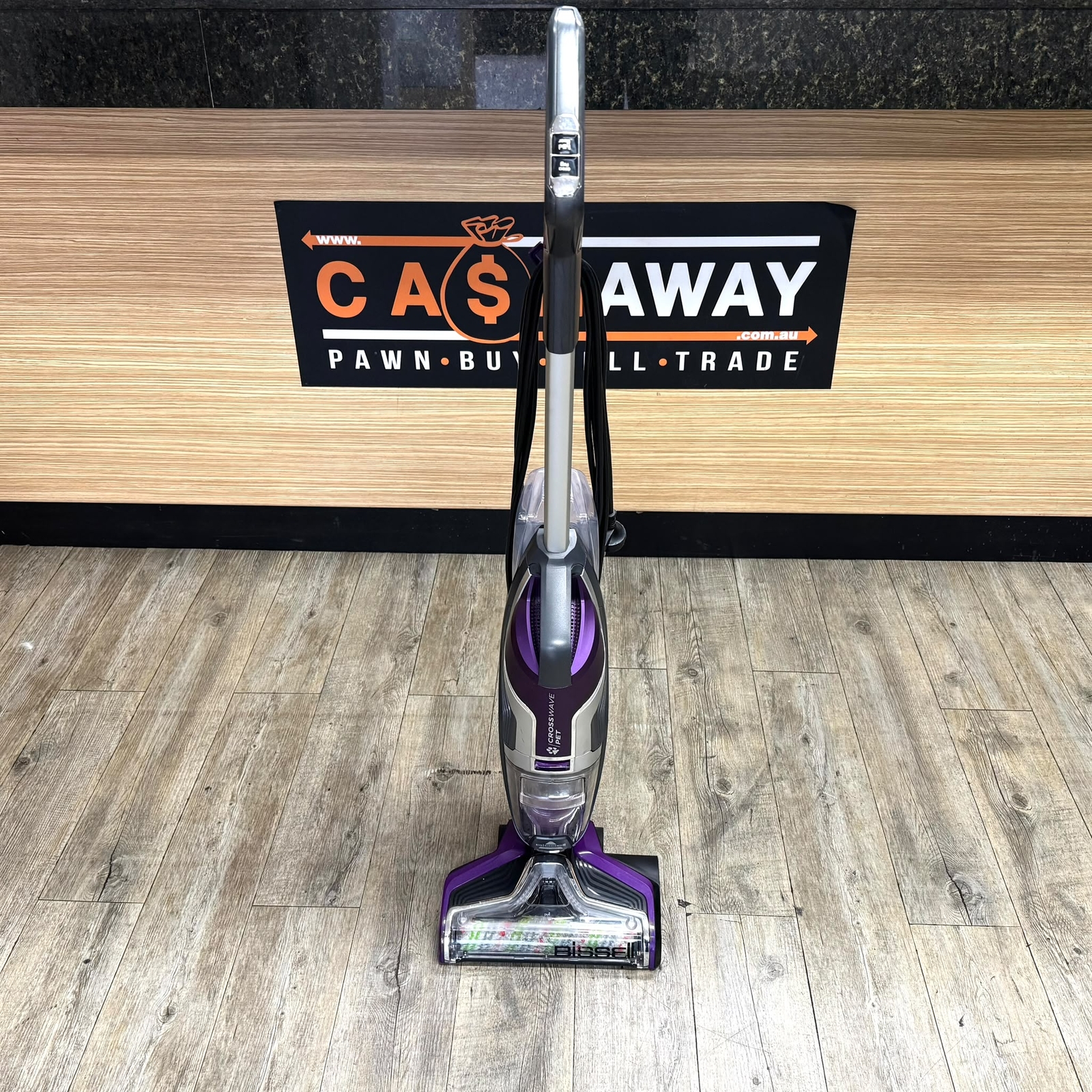
Yes, many pawn shops accept vacuum cleaners. However, acceptance is not guaranteed. Each shop sets its own rules based on local demand, storage space, and the chance of reselling the item.
You may have better luck with a popular, high-value vacuum than with an old basic model. Shops often prefer items that buyers recognize and want. Upright vacuums, cordless stick vacuums, robot vacuums, and commercial machines may attract more interest.
A pawn shop may accept:
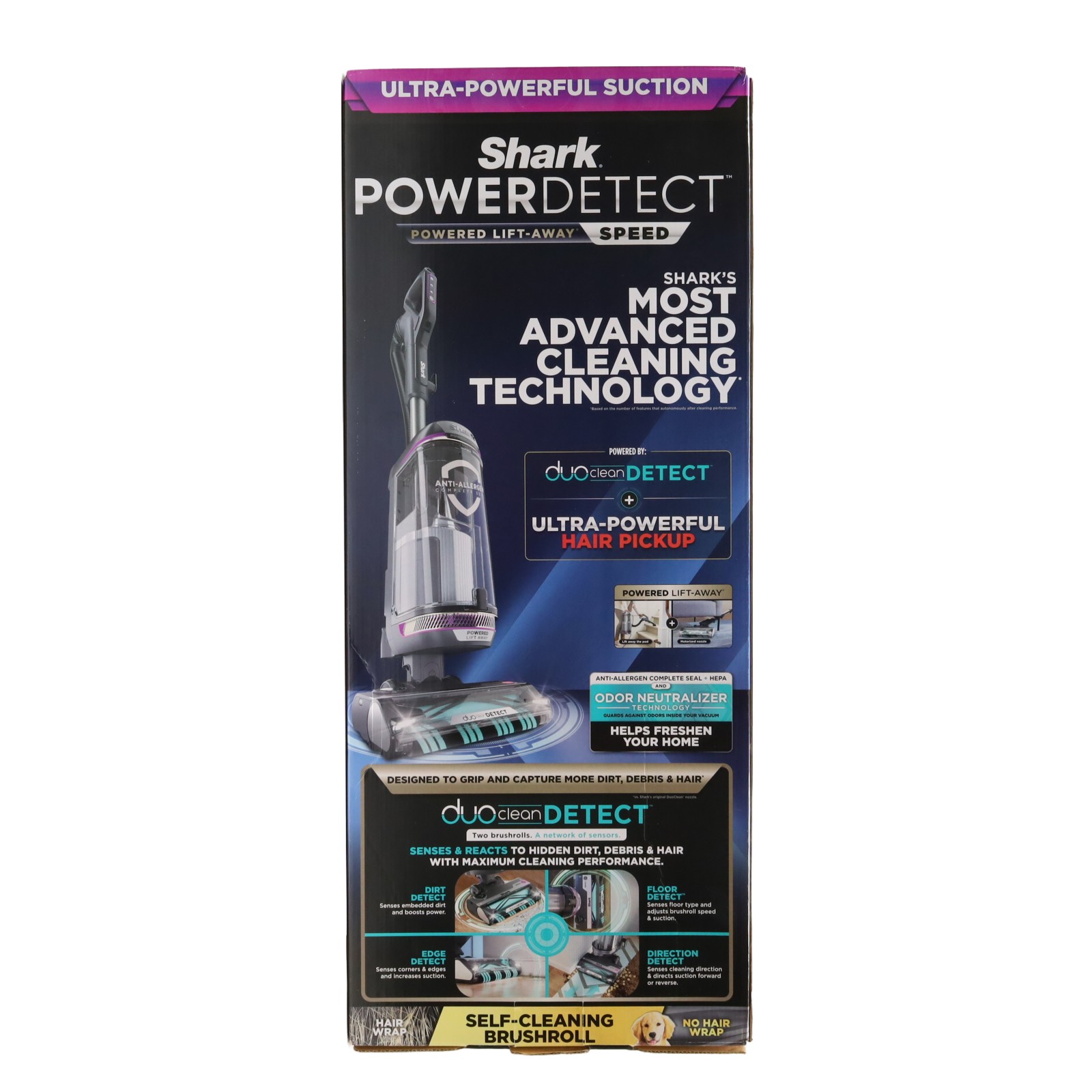
• Dyson, Shark, Miele, and Sebo vacuums
• Robot vacuums from brands such as iRobot or Roborock
• High-end cordless vacuums with charging docks
• Commercial vacuum cleaners
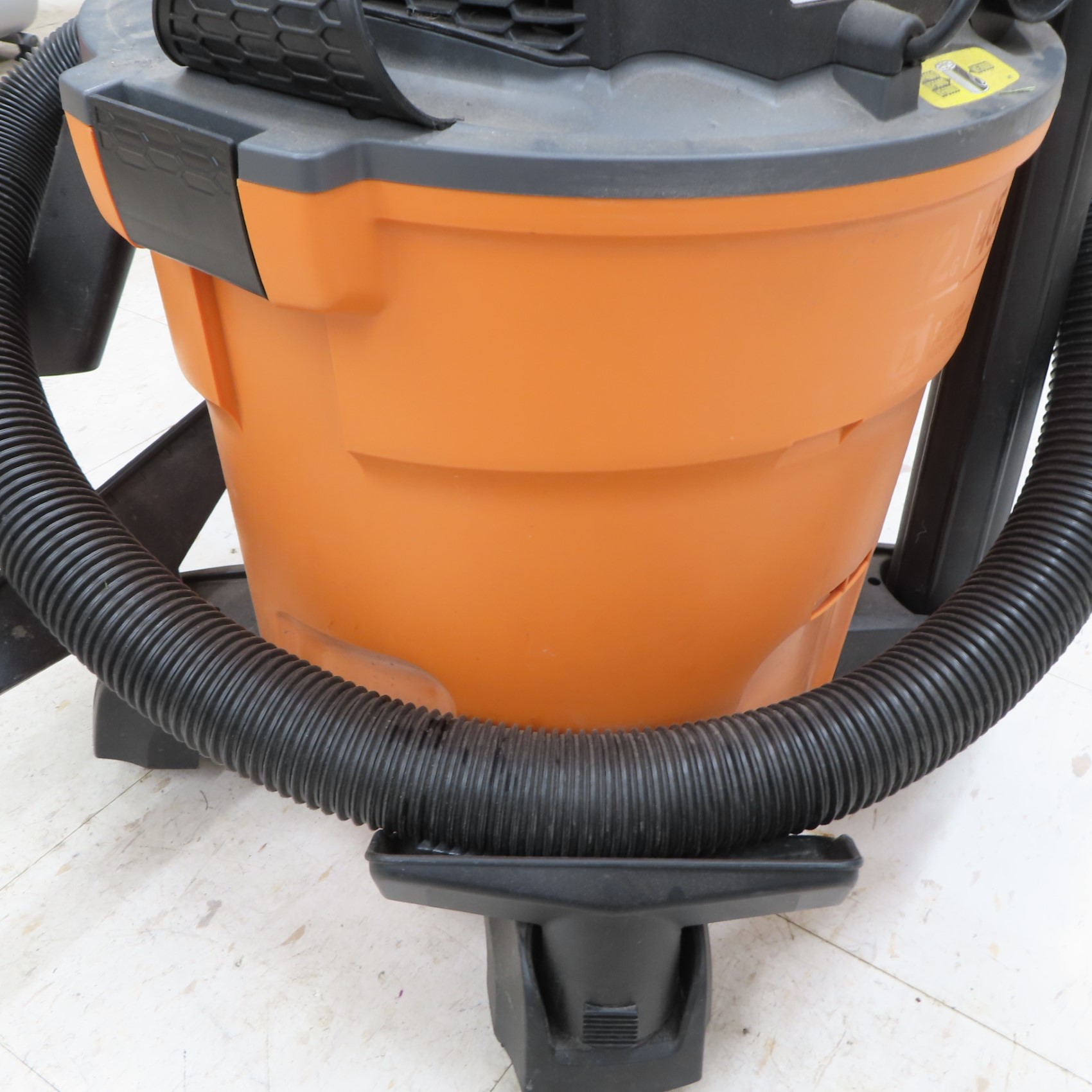
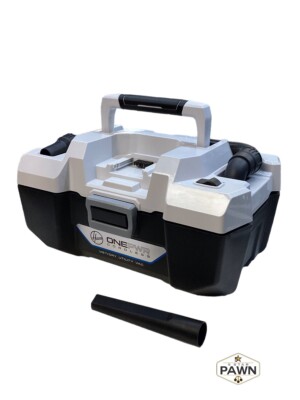
• Wet and dry shop vacuums
• New or nearly new machines with original boxes
A small, worn vacuum with weak suction may have little pawn value. The shop must leave room to cover its costs, loan risk, and possible resale expenses.
How Pawn Shops Value a Vacuum Cleaner
When you ask, “Can you pawn a vacuum cleaner?” the next question is usually, “How much will I get?” The answer depends on several factors.
Brand and Model
A well-known brand can make a major difference. A newer Dyson or Miele may hold value better than an unknown brand, even if both machines work well.
The exact model also matters. A current cordless model may be easier to sell than a five-year-old version with outdated batteries. If possible, find the model number before visiting the shop.
Condition
Condition is one of the most important factors. A clean vacuum that works well gives the pawnbroker more confidence.
The shop may check:
• Suction strength
• Battery life
• Motor noise
• Brush roll movement
• Hose and wand condition
• Power cord damage
• Dust bin or bag system
• Included tools and attachments
A broken belt, cracked hose, missing charger, or bad battery can reduce the offer. In some cases, the shop may refuse the vacuum because repairs would cost too much.
Age
Newer appliances usually have stronger resale value. A vacuum that is less than two or three years old may receive more attention than an older model.
Age is not always a deal breaker. Some premium brands remain useful for many years. A well-maintained commercial vacuum may still have value even when it is older.
Cleanliness
Clean the vacuum before you take it in. Dust, hair, pet fur, and odors can make the machine look neglected. No one wants to buy an appliance that looks as if it came straight from a dirty closet.
Empty the dust bin, wash removable parts when allowed, clean the brush roll, and wipe the outside. Do not soak electrical parts. A few minutes of careful cleaning can improve the shop’s first impression.
Local Demand
Pawn shops serve local buyers. A machine that sells quickly in one city may sit on the shelf in another.
For example, a shop near many homes with pets may see strong demand for powerful upright vacuums. A shop near construction workers may prefer wet and dry shop vacuums.

How Much Can You Pawn a Vacuum Cleaner For?
The amount you can receive varies widely. A basic used vacuum may bring a small loan, while a newer premium model may bring much more.
As a general guide, you might see ranges such as:
• Basic used vacuum: $10 to $40
• Mid-range upright or stick vacuum: $30 to $100
• Newer premium cordless vacuum: $75 to $250
• High-end robot vacuum: $50 to $300
• Commercial vacuum cleaner: $50 to $250
These figures are estimates, not promises. A pawn shop may offer less than a private buyer because it needs to protect itself from loss. It must also cover testing, storage, overhead, and the chance that the item will not sell.
A pawn loan is not the same as a sale. With a loan, you leave the vacuum as collateral and receive cash. You must repay the loan plus interest and fees by the due date to get your vacuum back.
If you sell the vacuum outright, you may receive a different amount. You will not have to repay the money, but you also lose ownership of the machine.

What You Need to Pawn a Vacuum Cleaner
Most pawn shops require proof that you are legally allowed to make the transaction. Requirements differ by state and shop, but you will often need the following:
• A valid government-issued photo ID
• The vacuum cleaner and its accessories
• Proof of ownership, when requested
• The original receipt, if available
• The charging dock or power cord
• The model number and serial number
Some states require pawn shops to record detailed information about the seller and item. Shops may also check databases for stolen property. This process protects both the business and customers.
You usually must be at least 18 years old. Some locations may have a higher age requirement. Call the shop before visiting if you are unsure about its rules.
Never try to pawn a vacuum that belongs to someone else. A receipt, warranty record, or product registration can help show ownership. If the machine is stolen, the shop may report it, and you could face serious legal trouble.
How to Prepare a Vacuum Cleaner Before Pawning It
Preparation can improve your chances of acceptance and may help you receive a better offer. Think of the process like preparing a car for sale: appearance does not replace function, but it affects the first impression.
Follow these steps:
-
Test the vacuum at home. Check suction, controls, attachments, lights, charging, and brush movement.
-
Charge the battery fully if it is cordless. A shop cannot judge battery life if the machine arrives empty.
-
Clean the dust bin, filters, brush roll, hose, and exterior.
-
Remove hair and tangled fibers from the brush roll.
-
Gather every accessory. Include the charger, wall mount, extension tube, crevice tool, upholstery tool, and original box.
-
Find the model and serial numbers.
-
Bring the receipt or warranty information if you have it.
-
Take clear photos of the vacuum while it works. These may help if you decide to sell it online instead.
Be honest about defects. If the battery lasts only ten minutes, say so. Clear information builds trust and prevents problems during the transaction.
What Happens When You Pawn a Vacuum Cleaner?
The pawn process is usually simple. First, the employee examines the vacuum and tests its condition. The shop then checks identification rules, estimates resale value, and makes an offer.
If you accept, the shop creates a pawn ticket or loan agreement. This document should list the loan amount, interest rate, fees, due date, and rules for renewal.
Read the agreement before signing. Pay close attention to:
• Total repayment amount
• Interest and service charges
• Final payment date
• Grace period, if one exists
• Late fees
• Renewal terms
• What happens if you do not repay
Pawn laws vary across the United States. Many states regulate interest, holding periods, and customer records, but rules are not identical everywhere. Ask the shop to explain anything that seems unclear.
In my experience, the most common mistake is focusing only on the cash received. The repayment cost matters just as much. A small loan can become expensive if you renew it several times.

How to Get a Better Pawn Offer
You cannot force a shop to pay more than an item is worth, but you can improve your position.
Try these practical tips:
• Compare offers from at least two or three pawn shops.
• Check recent prices for the same model on used marketplaces.
• Bring the original charger and all attachments.
• Clean the machine carefully.
• Visit when the shop is not busy.
• Explain recent repairs or battery replacements.
• Ask whether the offer is for a loan or an outright sale.
• Negotiate politely.
Research helps, but remember that online asking prices are not the same as completed sales. A seller may list a vacuum for $200 and never find a buyer. Look for realistic prices from items that actually sold.
You may also receive a better return by selling directly to a local buyer. That option takes more time and may require messages, photos, and a public meeting. A pawn shop is often faster, but convenience usually comes with a lower payout.

Should You Pawn or Sell Your Vacuum Cleaner?
The best choice depends on your needs. Pawning may work well when you need money quickly and expect to repay the loan soon.
Consider pawning when:
• You want to keep the vacuum
• You need cash today
• You have a clear repayment plan
• The vacuum has strong resale value
Selling may be better when:
• You no longer need the vacuum
• You cannot afford loan fees
• You want the highest possible return
• You can wait for the right buyer
You can also consider trade-in programs, local classified listings, community groups, or consignment stores. A private sale may bring more money, but it can take days or weeks.
Avoid borrowing against an item if repayment is uncertain. If you miss the deadline, the shop may sell the vacuum. The loan is secured by the machine, so the risk is easy to overlook.
Reasons a Pawn Shop May Reject a Vacuum Cleaner
A shop can refuse an item for many reasons. Rejection does not always mean the vacuum has no value. It may simply not fit that store’s buying policy.
Common reasons include:
• The vacuum does not turn on
• Suction is weak
• The battery is dead or missing
• The model is too old
• Parts are unavailable
• The vacuum is dirty or damaged
• The shop already has too many similar items
• The brand has low local demand
• The serial number is missing or altered
• You cannot show reasonable proof of ownership
Some shops do not accept used cleaning appliances because of hygiene concerns. Others accept only premium brands or newer models.
If one shop says no, you can ask another. Policies and customer demand differ from store to store. Still, do not spend more on repairs than the vacuum is likely to bring.
Common Mistakes to Avoid When Pawning a Vacuum
A rushed transaction can lead to disappointment. Avoid these mistakes before you ask, “Can you pawn a vacuum cleaner?”
• Do not accept the first offer without comparison.
• Do not hide damage or claim that a weak battery is new.
• Do not leave the charger or key attachments at home.
• Do not ignore interest and service fees.
• Do not pawn property that is not yours.
• Do not assume a famous brand guarantees a high offer.
• Do not miss the repayment date without contacting the shop.
• Do not confuse a pawn loan with an outright sale.
One lesson worth remembering is that small details matter. A complete, clean, tested vacuum is easier to trust than a dusty machine in a bag. The shop sees less risk, and lower risk can support a better offer.
Ways to Get Cash Without Pawning a Vacuum Cleaner
Pawning is only one option. You may find a better solution by comparing several choices.
Potential alternatives include:
• Selling the vacuum through a local marketplace
• Listing it on a neighborhood group
• Selling it to a used appliance dealer
• Asking a friend or family member for a short-term loan
• Using a trade-in offer from an appliance retailer
• Selling other unwanted household items
• Checking local community assistance programs
A direct sale can produce more money because there is no pawn shop middleman. However, you must handle communication, safety, payment, and pickup yourself.
If you sell online, meet in a safe public place and use a secure payment method. Do not share sensitive banking details with a stranger.
Frequently Asked Questions About Pawning a Vacuum Cleaner
Can you pawn a vacuum cleaner without a receipt?
Yes, some pawn shops accept a vacuum without a receipt. However, a receipt can help prove ownership and confirm the model, purchase date, or original price.
Can you pawn a broken vacuum cleaner?
Usually, a broken vacuum has little or no pawn value. A shop may accept it only if the brand is valuable and the repair cost is low.
Do pawn shops take cordless vacuum cleaners?
Many pawn shops accept cordless vacuums, especially newer models from trusted brands. Bring the charger and fully charge the battery before the shop tests it.
How much can you pawn a Dyson vacuum for?
A Dyson vacuum may bring anywhere from about $50 to several hundred dollars, depending on its model, age, condition, and accessories. The actual offer can vary by location and current demand.
Is pawning a vacuum cleaner the same as selling it?
No. Pawning creates a loan that you can repay to reclaim the vacuum. Selling transfers ownership permanently, so you do not repay the money.
Can you pawn a vacuum cleaner that belongs to someone else?
You should not pawn someone else’s property. Pawn shops may verify ownership, and attempting to pawn stolen property can lead to legal consequences.
What happens if you do not repay a vacuum pawn loan?
The shop may keep and sell the vacuum after the legal holding or grace period ends. The exact process depends on the loan contract and state law.
Conclusion
Yes, you can pawn a vacuum cleaner, especially if it is clean, functional, fairly new, and from a recognized brand. Your offer will depend on the vacuum’s condition, model, accessories, local demand, and the shop’s policies.
Compare multiple offers, understand the fees, and bring valid identification. If you can wait, a private sale may earn more. If you need quick cash and can repay on time, pawning may be a practical short-term choice.
Check your vacuum’s model, test it, clean it, and review every term before signing. For more money-saving advice, explore related guides and share your experience with pawning household items.

Liora Pennings is a seasoned chef and kitchen enthusiast with a passion for turning everyday cooking into an effortless experience. With years of hands-on culinary expertise, she specializes in practical techniques, ingredient know-how, and smart kitchen solutions that help home cooks elevate their meals. At KitchFlair.com, Liora shares her best tips, time-saving tricks, and honest product reviews to guide readers toward a more efficient, enjoyable, and inspired cooking routine. Whether you’re a beginner or a seasoned home chef, Liora’s friendly, knowledge-packed insights make every visit to the kitchen a little easier—and a lot more delicious.