Can A Vacuum Cleaner Blow Air: How It Works
Yes, many vacuum cleaners can blow air by reversing airflow through a special exhaust or blower port.
Can a vacuum cleaner blow air safely and effectively? The answer depends on the vacuum type, its design, and the attachment you use. Understanding airflow can help you clear leaves, dry wet areas, unclog hoses, and avoid blowing dust into the air.
How a Vacuum Cleaner Blows Air
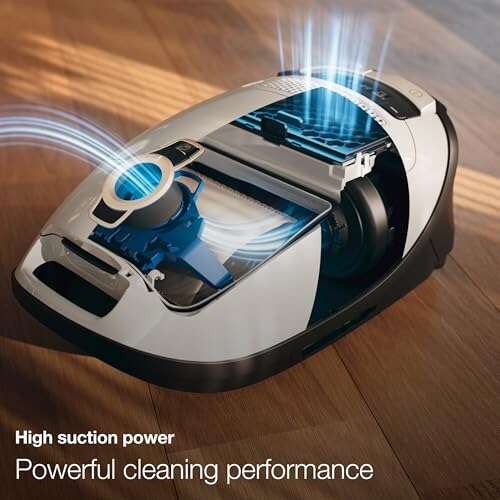
A vacuum cleaner does not create suction from nothing. Its motor turns a fan, also called an impeller. The fan moves air through the machine, creating lower pressure at the intake.
Air enters through the hose or floor head. It then passes through the dust bag, filter, or collection tank before leaving through the exhaust. This normal path makes the vacuum pull dirt inward.
When the airflow path changes, the machine can push air outward. Some models let you connect the hose to the exhaust port. Others have a built-in blower outlet. This is why the answer to “can a vacuum cleaner blow air” is often yes.
Think of the vacuum as a small air pump. The same motor moves air in both cases. The port you use decides whether the air comes in or goes out.

Which Vacuum Cleaners Can Blow Air?
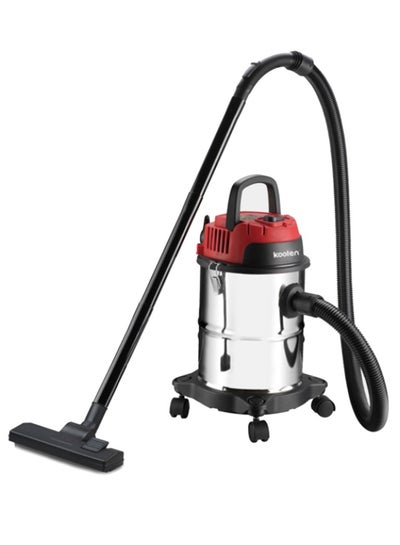
Not every vacuum cleaner has a blower function. The feature is most common in shop vacuums, wet and dry vacuums, and some heavy-duty canister models.
Check the owner’s manual before changing the hose position. The manual will show the correct port and explain whether the vacuum supports blower use.
Shop vacuums
Shop vacuums are the most common blow-capable models. Many have a removable exhaust cover or a separate blower outlet.
They can help with:
• Clearing sawdust from a workbench
• Removing dry leaves from a garage
• Drying a wet floor or car mat
• Inflating some pool toys with the right adapter
• Clearing dust from tight spaces
Wet and dry vacuums
Most wet and dry vacuums can blow air. Their strong motors and wide hoses make them useful for outdoor and workshop tasks.
However, the air may carry moisture or fine dirt from inside the tank. Empty and clean the tank before using the blower mode.
Upright household vacuums
Most upright vacuums are made mainly for suction. Some have a detachable hose with a blower feature, but this is not common.
Do not assume an upright vacuum can blow air just because air comes out of its exhaust vents. That exhaust is normal motor airflow. It is not always strong or clean enough for blower work.
Central vacuum systems
Some central vacuum systems can reverse airflow, but many cannot. Their pipes, filters, and motors may not support this feature.
Always check the system instructions. Connecting a hose to the wrong port can damage the unit or release dust indoors.

How to Use a Vacuum as a Blower
Using a vacuum as a blower is simple when the machine supports it. The exact steps vary by brand, so the owner’s manual should come first.
Follow these general steps:
- Turn the vacuum off and unplug it.
- Empty the collection bag or tank.
- Remove the hose from the suction inlet.
- Find the blower or exhaust port.
- Attach the hose to that port.
- Check that the hose fits tightly.
- Plug in the vacuum and start it.
- Use short bursts of air at first.
Point the hose away from people, pets, open windows, and clean surfaces. Start with low force if your model has a speed setting.
If the vacuum uses a paper bag, leave it installed unless the manual says to remove it. The bag may protect the motor from dust. Other models require a specific filter setup for blower use.
Can a vacuum cleaner blow air through the original suction hose? Often, yes. The hose must be connected to the correct exhaust outlet, not simply left attached to the normal intake port.

Common Uses for Vacuum Blower Mode
Blower mode can save time during cleaning, repairs, and outdoor work. It is especially useful when suction would be slow or awkward.
Clearing leaves and debris
A shop vacuum can move light, dry leaves from a porch or garage. It may not match the power of a dedicated leaf blower, but it works well for small areas.
Use slow movements. A strong air stream can send dust into the air or push debris under furniture.
Drying wet surfaces
Blower air can help dry car mats, rugs, patios, and small spills. It speeds evaporation by moving air across the wet surface.
Do not use a standard dry vacuum to collect water. If you need to pick up liquid first, use a wet and dry vacuum designed for that job.
Removing dust from tools
Blower mode can clear dust from a workbench, power tool, or lawn mower deck. Hold the nozzle close to the surface and direct dust toward an open area.
Wear eye protection. Fine dust can irritate the eyes and lungs, even when it looks harmless.
Inflating objects
Some shop vacuums can inflate air mattresses, pool toys, and inflatable decorations. You may need a tapered nozzle or adapter.
Do not use a vacuum blower to inflate tires or other high-pressure items. A vacuum moves a large volume of air at low pressure. It is not a replacement for an air compressor.
Clearing clogged hoses
If a hose is blocked, blower mode may push the clog out. Remove the hose first and inspect both ends.
Never force a hard object through the hose. A sharp item can tear the hose or damage the fan.

Can a Vacuum Cleaner Blow Clean Air?
The answer depends on the filter, the machine’s condition, and what is inside the collection system. Exhaust air may contain fine particles if the filter is dirty, damaged, missing, or poorly fitted.
A vacuum with a sealed system and a high-efficiency filter can release cleaner exhaust air. Even then, blower mode can disturb dust that has collected inside the hose, tank, or exhaust area.
Before using the blower function:
• Clean or replace the filter
• Empty the tank or change the bag
• Check the hose for dust buildup
• Inspect seals and connections
• Work outdoors when possible
• Wear a dust mask during dusty tasks
HEPA filtration can reduce fine particle release, but a HEPA label does not make every blower task safe. The full machine must be sealed, and the filter must be installed correctly.
People with asthma, allergies, or other breathing concerns should avoid breathing the exhaust. Keep children and pets away from the air stream.

Vacuum Blower Safety Tips
A vacuum blower can be useful, but it can also spread dust, launch small objects, or damage delicate items. Treat it like a low-powered air tool.
Use these safety habits:
• Wear safety glasses during dusty work
• Use hearing protection near loud shop vacuums
• Keep the nozzle away from skin and hair
• Never aim the hose at a person or animal
• Remove nails, screws, and sharp debris first
• Avoid blowing combustible dust into the air
• Keep the motor away from rain and standing water
• Unplug the machine before changing attachments
• Stop if the motor smells hot or sounds unusual
Do not blow asbestos, lead paint dust, mold, or unknown chemical particles around a room. These materials need controlled removal and proper protective equipment.
Avoid using blower mode near open flames, gas appliances, or flammable liquids. The motor may create heat or electrical sparks.
One practical lesson is easy to remember: if you would not want to breathe it, do not blow it into the air. Move the material into a bag or sealed container instead.
Can a Vacuum Cleaner Blow Air Without a Hose?
Some models can blow air directly from an exhaust port without a hose. In this setup, the air leaves through the built-in outlet.
A hose gives you better control. It lets you direct the airflow into a narrow space, around a machine, or across a wet surface.
If your vacuum has no blower port, do not try to seal a plastic bag or homemade tube over the exhaust. This can restrict airflow, increase heat, and damage the motor.
The exhaust may also be too warm or too weak for useful work. A normal exhaust vent does not always mean the vacuum is designed to function as a blower.

Why Is the Blower Weak?
Several issues can reduce blower performance. The most common cause is a dirty filter or a blocked hose.
Check the following areas:
- Clean or replace the filter.
- Empty the tank or replace the bag.
- Inspect the hose for a clog.
- Check the blower port for blockage.
- Look for air leaks around the hose.
- Confirm that the hose is attached to the correct outlet.
- Check whether the motor has overheated.
Some loss of power is normal when using a long, narrow hose. The smaller the opening, the greater the resistance to airflow.
A burning smell, grinding sound, or repeated shutdown points to a motor or electrical problem. Turn the vacuum off and have it inspected instead of continuing to use it.

Vacuum Blower vs. Leaf Blower
A vacuum blower and a leaf blower both move air, but they are not the same tool.
A leaf blower usually produces a stronger and more focused air stream. It is designed for yards, driveways, and outdoor debris.
A shop vacuum blower is better for small jobs near a garage, workshop, car, or patio. It also offers the benefit of suction in the same machine.
Choose a vacuum blower when you need flexibility. Choose a leaf blower when you need long outdoor run time, greater reach, or more power.
Mistakes to Avoid
Many blower problems come from using the right machine in the wrong way. Avoid these common mistakes:
• Using a dry vacuum to pick up water
• Blowing without checking the filter
• Aiming air at fragile electronics
• Using the blower indoors with fine dust
• Blocking the exhaust opening
• Running the motor with a damaged filter
• Connecting attachments that do not fit securely
• Expecting a vacuum to inflate high-pressure items
Do not blow dust from a computer, camera, or other sensitive device unless the equipment maker allows it. Strong airflow can push dirt deeper into small openings.
For electronics, use controlled, low-pressure air and disconnect power first. Keep the nozzle several inches away from delicate parts.
Frequently Asked Questions About Can a Vacuum Cleaner Blow Air
Can a regular vacuum cleaner blow air?
Some regular vacuums can blow air, but many only release normal exhaust through their vents. Check the manual for a dedicated blower port or hose-reversal feature before trying it.
Is vacuum blower air safe to breathe?
You should not breathe directly into vacuum exhaust. Dust from the filter, hose, or collection tank may enter the air, especially when the machine is dirty.
Can a vacuum cleaner blow up an air mattress?
A compatible shop vacuum can inflate some air mattresses with the correct adapter. It is not suitable for high-pressure items such as vehicle tires.
Can I use a vacuum blower indoors?
You can use it indoors for clean, controlled tasks, but blower mode may spread dust and allergens. For sawdust, ash, mold, or fine particles, work outside or use a safer dust-control method.
Why does my vacuum have air coming out?
All vacuums release air through an exhaust vent because the motor must return air to the room. This does not always mean the vacuum has a usable blower function.
Can a wet and dry vacuum blow air?
Most wet and dry vacuums include a blower mode. Empty and clean the tank first, and follow the manufacturer’s instructions for filter use.
Can blower mode damage a vacuum?
Blower mode should not damage a compatible vacuum when used correctly. Blocked ports, missing filters, water exposure, or homemade attachments can overheat or harm the machine.
Conclusion
Can a vacuum cleaner blow air? Yes, many shop vacuums and wet and dry models can reverse airflow through a blower port. They can clear light debris, dry surfaces, remove dust, and inflate low-pressure items.
The key is to use the correct port, keep the filter clean, and control where the air goes. Never blow hazardous dust, aim the hose at people, or use a dry vacuum for water.
Check your owner’s manual before testing the feature, then start with a small, low-risk task. If this guide helped, share your experience or explore your vacuum maker’s care resources for safer, longer-lasting use.

Liora Pennings is a seasoned chef and kitchen enthusiast with a passion for turning everyday cooking into an effortless experience. With years of hands-on culinary expertise, she specializes in practical techniques, ingredient know-how, and smart kitchen solutions that help home cooks elevate their meals. At KitchFlair.com, Liora shares her best tips, time-saving tricks, and honest product reviews to guide readers toward a more efficient, enjoyable, and inspired cooking routine. Whether you’re a beginner or a seasoned home chef, Liora’s friendly, knowledge-packed insights make every visit to the kitchen a little easier—and a lot more delicious.