Can Coffee Make Your Teeth Yellow: Causes And Solutions
Yes, coffee can make your teeth look yellow by causing surface stains on the enamel.
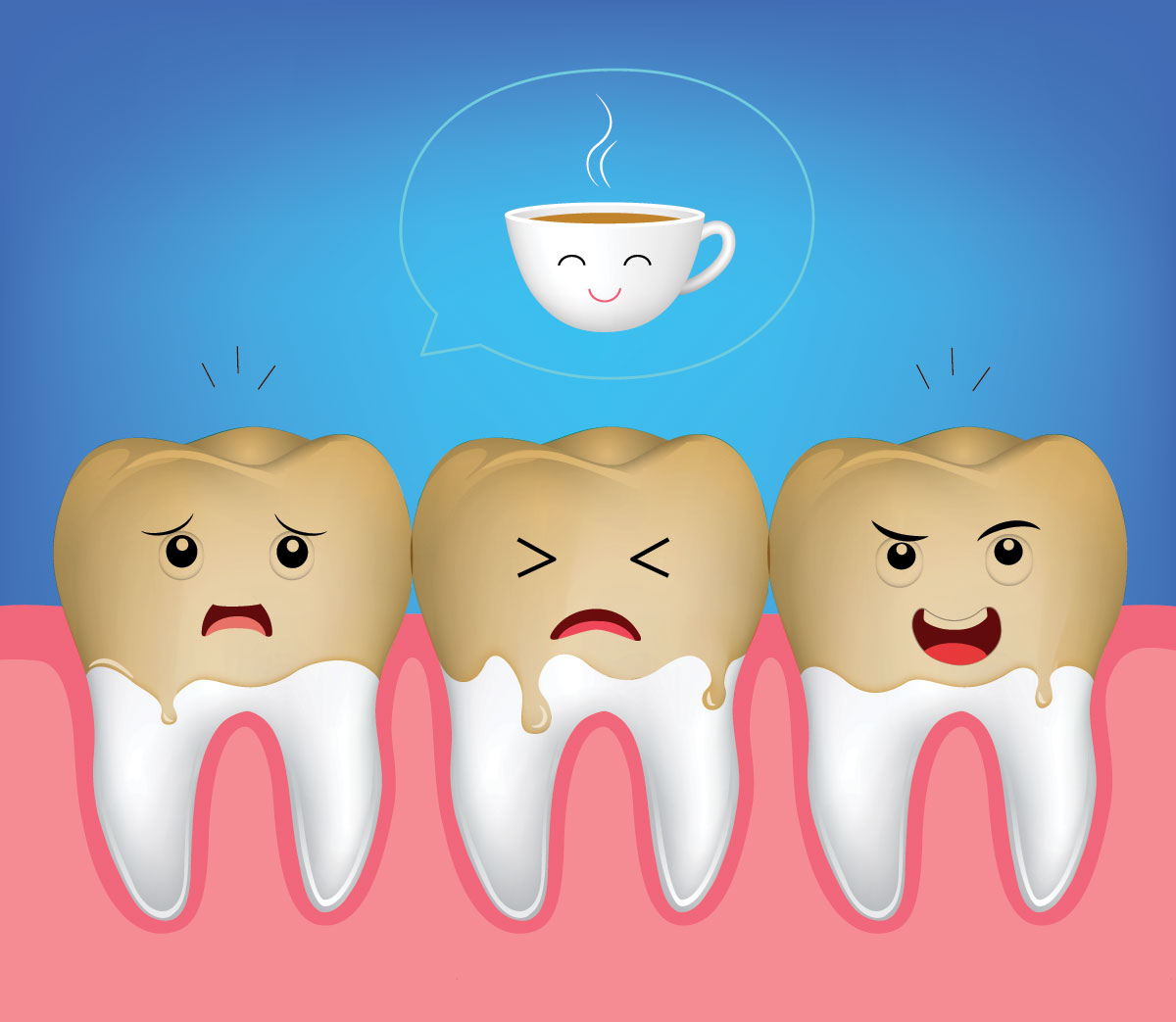
Coffee is one of the most common drinks linked to tooth discoloration. Its dark pigments can cling to the outer enamel, especially when you drink several cups a day or skip regular dental care. The good news is that coffee stains are often surface stains, not permanent damage. This guide explains why coffee can make your teeth yellow, how much it matters, and what you can do to protect your smile without giving up your morning cup.
Can coffee make your teeth yellow?
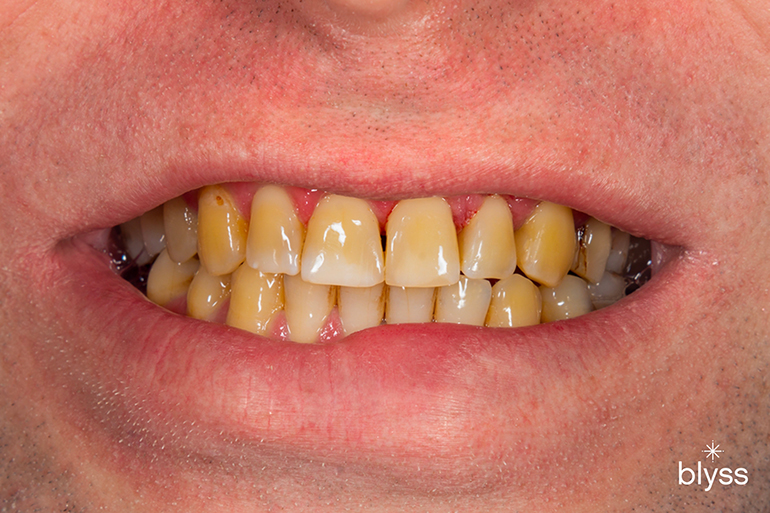
Yes, coffee can make your teeth yellow over time. Coffee contains strong color compounds called chromogens. These compounds can attach to the enamel and create brown or yellow stains.
Coffee is also mildly acidic. Acid can soften the outer enamel for a short time. Softer enamel may allow pigments to cling more easily. This does not mean one cup of coffee will suddenly change your smile, but daily exposure can slowly make stains more visible.
Coffee stains usually affect the outside of the tooth. They are called extrinsic stains. These differ from intrinsic stains, which develop inside the tooth and may come from aging, certain medicines, dental injuries, or changes in tooth structure.
The risk can rise when you:
• Drink several cups each day
• Sip coffee for hours
• Add dark syrups or colored creamers
• Drink coffee before brushing your teeth
• Smoke or use tobacco
• Have plaque buildup or dry mouth
• Have thin or worn enamel
So, can coffee make your teeth yellow even if you brush? It can. Brushing helps remove plaque and fresh stains, but it may not remove every pigment that builds up over time.
Why does coffee stain teeth?
Coffee stains teeth through a mix of pigment, acid, and contact time. Think of clean enamel as a smooth glass surface. Plaque and tiny enamel changes make that surface more like a rough sponge, giving color compounds more places to settle.
Here are the main reasons coffee can make your teeth yellow:
Coffee contains dark pigments
Coffee has natural compounds that give it its deep brown color. These compounds can stick to plaque and the enamel surface. The darker and stronger the coffee, the more noticeable the stain may become.
Cold brew, espresso, and dark roast coffee can all stain teeth. The roast level may change the flavor and pigment profile, but no type of coffee is completely stain-free.
Coffee is acidic
Coffee has a mildly acidic pH. Acid does not usually stain teeth by itself, but it can weaken the surface briefly. Repeated acid exposure may contribute to enamel erosion.
When enamel becomes thinner, the naturally yellow dentin underneath can show through more clearly. This is one reason some people notice yellow teeth even when they do not have heavy surface stains.
Coffee stays in contact with your teeth
A quick cup is different from slowly sipping coffee all morning. The longer coffee touches your teeth, the more time its pigments have to settle.
Adding sugar can also increase the chance of plaque buildup. Plaque is a sticky film that traps pigments and creates acids from sugar.
Saliva may not wash away the pigments
Saliva helps clean the mouth and balance acids. However, coffee can contribute to dry mouth in some people, especially when they drink little water or consume a lot of caffeine.
A dry mouth gives stains more time to remain on the teeth. It can also increase the risk of bad breath, plaque, and cavities.
Is coffee worse for teeth than tea?
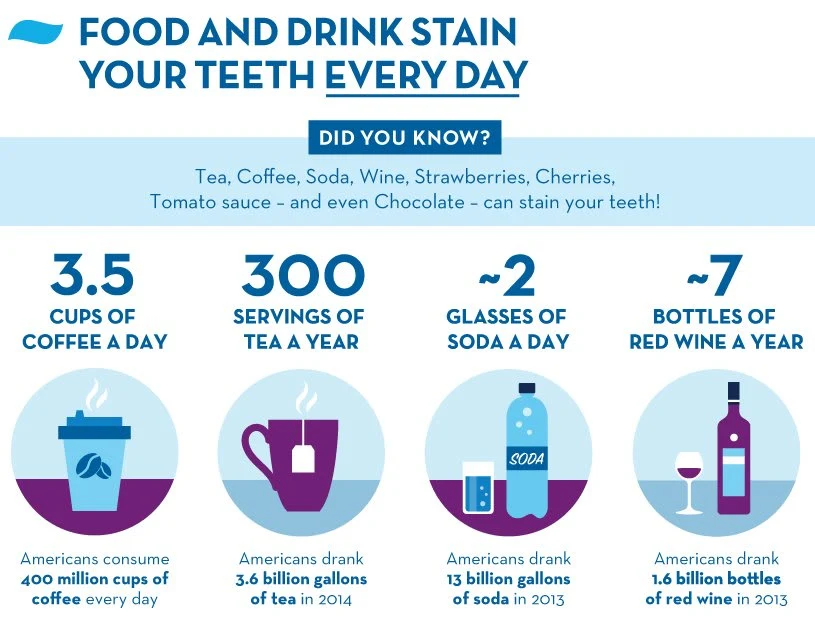
Both coffee and tea can stain teeth. In many cases, black tea may cause strong staining because it contains high levels of tannins, which can help pigments attach to enamel.
Coffee can still make your teeth yellow, especially when you drink it often. Tea, red wine, cola, sports drinks, and some dark fruit juices may also contribute to discoloration.
The effect depends on more than the drink itself. Important factors include:
• How often you drink it
• How long you sip it
• Whether you add sugar
• Your brushing and flossing habits
• The amount of plaque on your teeth
• Your enamel thickness
• Your saliva flow
• Whether you smoke or use tobacco
Milk may slightly reduce the staining effect of coffee because its proteins can interact with some dark compounds. However, milk does not make coffee harmless to your teeth. Sugar in flavored creamers can still increase plaque and decay risk.
Does adding milk or cream prevent coffee stains?
Adding milk or cream may lower the staining effect slightly, but it does not prevent coffee stains. Milk proteins may bind with some coffee compounds before they reach the tooth surface.
This benefit is limited. A sweetened creamer can add sugar, and sugar feeds bacteria in plaque. That process creates acid, which can damage enamel and make staining easier.
If you enjoy coffee with cream, choose an unsweetened option when possible. The most important habits are still rinsing with water, cleaning between your teeth, and seeing a dentist for professional care.
How to drink coffee without yellowing your teeth
You do not always need to stop drinking coffee. Small changes can reduce contact between coffee and your teeth.
Drink it in one sitting
Try not to sip coffee for several hours. Drinking it within a shorter period reduces the time your teeth are exposed to pigment and acid.
This does not mean you should rush or burn your mouth. Simply avoid keeping the same cup beside you all morning.
Use a straw for iced coffee
A straw can direct iced coffee past the front teeth. Place the straw toward the back of your mouth, but do not bite it or use it in a way that causes jaw discomfort.
A straw is less useful for hot coffee. Hot drinks can burn your lips or mouth if you try to drink them through a straw.
Rinse with water
Rinse your mouth with plain water after coffee. Water helps dilute acids and wash away loose pigments.
You do not need a special mouthwash every time. Plain water is simple, safe, and easy to use at work or while traveling.
Wait before brushing
Do not brush immediately after drinking acidic beverages. Acid can temporarily soften enamel, and brushing too soon may increase surface wear.
Wait about 30 minutes before brushing. During that time, rinse with water or chew sugar-free gum to help saliva flow.
Avoid extra sugar
Sugar does not directly stain teeth in the same way coffee pigments do. However, it supports bacteria that produce enamel-damaging acid.
If you drink coffee several times each day, reducing sugar can help protect your teeth from cavities and enamel wear.
Keep your mouth hydrated
Drink water throughout the day. Good hydration supports saliva, which is one of the mouth’s natural cleaning systems.
Sugar-free gum with xylitol may also help stimulate saliva. Do not use gum as a replacement for brushing and flossing.
Can brushing remove coffee stains?
Brushing can remove some fresh coffee stains, but it may not remove stains that have hardened or settled into plaque. A soft-bristled toothbrush and fluoride toothpaste are usually the best daily choices.
Brush twice a day for two minutes. Clean gently along the gumline, where plaque often collects. Scrubbing harder will not make teeth cleaner and may wear enamel or irritate your gums.
Floss or use another interdental cleaner once a day. Coffee pigments often collect between teeth, where a toothbrush cannot reach well.
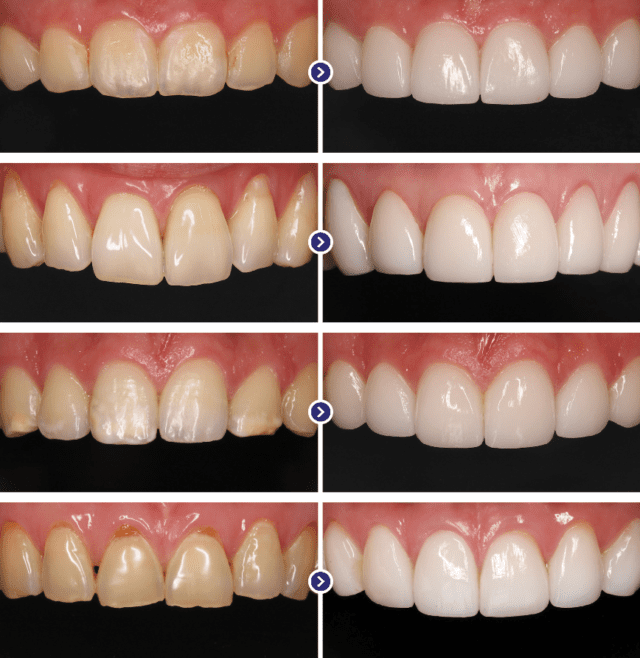
Whitening toothpaste may help polish away some surface stains. However, it cannot change the natural color of your teeth or remove deep internal discoloration. Some whitening products may also cause sensitivity when used too often.
Professional treatment for coffee-stained teeth
A dental cleaning can remove plaque, tartar, and many external coffee stains. Tartar cannot be removed safely with a home toothbrush, so professional cleaning matters.
If stains remain after cleaning, a dentist may discuss whitening. Common options include:
• Dentist-provided whitening trays
• In-office whitening
• Over-the-counter whitening strips
• Whitening toothpaste for mild surface stains
Professional advice is useful because whitening does not work equally well on every type of discoloration. It may not whiten crowns, veneers, fillings, or bonding. Whitening can also cause temporary sensitivity or gum irritation.
A dentist should check for cavities, enamel erosion, gum disease, or a damaged tooth before you whiten. A single dark tooth may point to an internal problem rather than a coffee stain.
Are coffee stains harmful to your teeth?
Coffee stains are usually a cosmetic concern, not a direct health problem. The stain itself does not automatically mean your teeth are decaying.
Still, the habits connected with coffee may affect oral health. Sugary coffee, frequent sipping, poor brushing, smoking, and dry mouth can increase the risk of cavities and gum problems.
Coffee may also contribute to acid exposure. Over time, repeated acid contact can wear down enamel. Signs of enamel erosion may include:
• Tooth sensitivity
• Smooth or shiny tooth edges
• Small cracks
• Yellowing caused by thinner enamel
• Changes in tooth shape
• Pain from cold drinks
If you notice these signs, schedule a dental exam. Whitening will not repair lost enamel.
Coffee and yellow teeth: common mistakes to avoid
Many people try to fix coffee stains in ways that can harm enamel. The goal is to remove stains without turning a cosmetic issue into a dental problem.
Avoid these common mistakes:
• Brushing with lemon juice
• Scrubbing teeth with baking soda every day
• Using charcoal products without guidance
• Brushing immediately after coffee
• Using whitening products more often than directed
• Ignoring bleeding gums
• Scraping teeth with sharp tools
• Using household bleach or unsafe chemicals
Lemon juice and vinegar are acidic. They may make teeth look brighter for a short time by removing surface material, but they can also damage enamel.
Charcoal toothpaste may remove some surface debris, but evidence for strong whitening is limited. It can also be abrasive and may not contain fluoride. Ask a dental professional before using it often.
A lesson that comes up again and again in everyday dental care is that gentle habits work better than extreme tricks. Patients who rinse with water, clean consistently, and limit sipping often get better long-term results than people who use harsh home remedies.
How long does it take for coffee to stain teeth?
There is no exact timeline. Some people notice yellowing within weeks or months, while others see little change for years.
The difference comes from enamel, saliva, diet, oral hygiene, and coffee habits. Someone who drinks one cup quickly may develop fewer stains than someone who sips four cups throughout the day.
Stains often become more visible with age because enamel naturally becomes thinner. As enamel loses thickness, the yellow color of dentin can show through.
Can coffee make your teeth yellow after just one cup? It may leave a temporary film or slight color change, but noticeable staining usually comes from repeated exposure.
A simple daily plan for coffee drinkers
Use this routine to reduce coffee stains and protect your enamel:
- Drink coffee during a set time instead of sipping it all day.
- Rinse with water when you finish.
- Wait about 30 minutes before brushing.
- Brush twice daily with fluoride toothpaste.
- Clean between your teeth every day.
- Choose unsweetened coffee when possible.
- Drink water between cups.
- See a dentist for regular exams and cleanings.
- Ask about safe whitening if stains bother you.
You can still enjoy coffee while caring for your smile. The aim is not perfection. It is to reduce repeated exposure and remove plaque before pigments become stubborn.
Frequently Asked Questions About Can Coffee Make Your Teeth Yellow
Can coffee make your teeth yellow permanently?
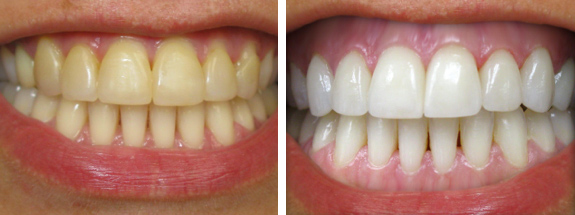
Coffee usually causes surface stains rather than permanent changes inside the tooth. Professional cleaning and whitening may improve these stains, but yellowing from enamel loss or natural dentin may not respond fully.
Does drinking coffee through a straw stop stains?
A straw can reduce contact between iced coffee and the front teeth. It cannot stop staining completely, especially if coffee still touches your teeth or you drink it slowly.
Should I brush my teeth right after coffee?
No. Wait about 30 minutes after coffee before brushing, especially if the drink is acidic. Rinse with water first to help clear the mouth.
Does black coffee stain teeth more than coffee with milk?
Black coffee may expose teeth to more concentrated pigments. Milk may reduce staining slightly, but it does not prevent stains, and sweetened creamers can raise the risk of cavities.
Can whitening toothpaste remove coffee stains?
Whitening toothpaste may polish away some surface stains. It cannot usually remove deep discoloration, change natural dentin color, or whiten dental crowns and fillings.
How can I drink coffee without getting yellow teeth?
Drink coffee in a shorter period, rinse with water, avoid excess sugar, and maintain daily brushing and flossing. Regular dental cleanings can also remove hardened plaque and external stains.
Is coffee bad for enamel?
Coffee is mildly acidic and may contribute to enamel wear when consumed often, especially with sugar or frequent sipping. Drinking water and waiting before brushing can help reduce this risk.
Conclusion
Can coffee make your teeth yellow? Yes, its dark pigments can create surface stains, especially with frequent sipping, plaque buildup, and poor oral care. Coffee can also contribute to enamel wear in some people, which may make natural yellow dentin more visible.
You do not have to give up coffee to protect your smile. Drink it in one sitting, rinse with water, wait before brushing, limit sugar, and keep up with dental cleanings. If stains remain, ask a dentist about safe whitening options. Explore more oral health guides, and share your favorite coffee-care tip in the comments.

Liora Pennings is a seasoned chef and kitchen enthusiast with a passion for turning everyday cooking into an effortless experience. With years of hands-on culinary expertise, she specializes in practical techniques, ingredient know-how, and smart kitchen solutions that help home cooks elevate their meals. At KitchFlair.com, Liora shares her best tips, time-saving tricks, and honest product reviews to guide readers toward a more efficient, enjoyable, and inspired cooking routine. Whether you’re a beginner or a seasoned home chef, Liora’s friendly, knowledge-packed insights make every visit to the kitchen a little easier—and a lot more delicious.