Can A Spider Crawl Out Of A Vacuum Cleaner: Can It Escape?
Yes, a spider can sometimes crawl out of a vacuum cleaner, especially if it survives the trip through the hose.
The answer depends on the vacuum type, the spider’s size, and what happens inside the machine after suction. In this guide, you’ll learn why escape is possible, which vacuums pose the greatest risk, and how to remove a spider safely without sending it back into your home.
Can a Spider Crawl Out of a Vacuum Cleaner?
A spider can crawl out of a vacuum cleaner, but it is not always likely. The suction may pull the spider through the hose and into the dust bag or collection bin. If the spider remains alive and finds a gap, it may later move back toward the hose or another opening.
Most spiders face a harsh trip inside a vacuum. They may hit the hose wall, pass through fast-moving air, or land in dust and debris. Still, spiders are small, flexible animals. Some can survive conditions that seem fatal to larger insects.
The main factors include:
• The strength and design of the vacuum
• The length and shape of the hose
• Whether the vacuum uses a bag or a clear dust bin
• How long the vacuum runs after catching the spider
• The spider’s size, body shape, and overall health
So, can a spider crawl out of a vacuum cleaner? Yes, it can happen, but it is not the most common result. A spider that survives may be trapped in the dust, injured, dehydrated, or unable to find a usable exit.
What Happens to a Spider Inside a Vacuum?
When a vacuum catches a spider, air carries it through the nozzle and hose. The spider may be pulled along the airflow or dropped into the collection area. It does not usually control its movement during this process.
A vacuum cleaner does not work like a sealed trap in every case. Air must enter and leave the machine. This means the system has openings, filters, vents, and joints. These parts can create a possible route out, although many are too narrow or blocked by filters.
A spider may also become stuck in a layer of dust. Dust can cover its legs and body. Fine debris may make movement difficult, much like walking through deep sand. The spider may still be alive but unable to climb back through the hose.
Some vacuums have strong motors and complex internal paths. The air moves quickly, and the spider may suffer physical harm. However, suction alone does not guarantee that the spider dies at once. This is why can a spider crawl out of a vacuum cleaner remains a reasonable question.
Can a Spider Survive Being Vacuumed?
Yes, some spiders may survive being vacuumed. Survival is more likely when the spider enters the collection bin gently and the vacuum is turned off soon after. A large, soft-bodied spider may be more vulnerable than a small spider with a compact body.
The word “survive” also needs care. A spider may remain alive for a short time but later die from injury, lack of moisture, heat, or starvation. A vacuum cleaner is not a safe environment for any animal.
Research on spider survival inside household vacuums is limited. There is no single survival rate that applies to every species or machine. Laboratory studies on spider behavior do show that spiders respond strongly to vibration, airflow, and changes in their surroundings, but those studies do not prove that every vacuumed spider will live or die.
A practical rule is simple: assume the spider may be alive until you check the vacuum. This approach helps you avoid releasing it indoors by mistake.

Which Vacuum Cleaners Let Spiders Escape?
The design of your vacuum affects the chance of escape. Some models make it easier to inspect and remove the spider. Others hide the collected debris inside a sealed bag.
Bagless vacuum cleaners
A bagless vacuum has a removable dust cup. If a spider survives, it may remain in the cup or climb toward the intake opening. The clear container makes inspection easier.
However, the spider may still find a gap near the filter or cyclone chamber. Many bagless designs separate air from debris, so the spider may not stay in the main collection bin.
Bagged vacuum cleaners
A bagged vacuum usually offers fewer escape routes once the spider reaches the bag. The bag may close around the intake hole when removed. Dust and debris can also make movement difficult.
Still, a bagged machine is not always airtight. The hose, wand, and internal air path may contain spaces where a spider could remain. If you are asking can a spider crawl out of a vacuum cleaner with a bag, the answer is still yes, but escape is less likely after the spider reaches the sealed bag.
Handheld vacuums
Handheld vacuums often have short air paths and small dust bins. Some models are easy to open. Others have filters that sit close to the intake.
Because the collection area is small, a spider may remain near the opening. Always turn the device off before checking it, and keep your hands away from the fan area.
Robot vacuums
Robot vacuums can collect spiders from floors, but their small dust bins may not hold large debris well. A spider might remain near the brush, intake, or bin opening.
Check the dust container outside or over a hard surface. This reduces the chance of a live spider falling onto a rug and disappearing.
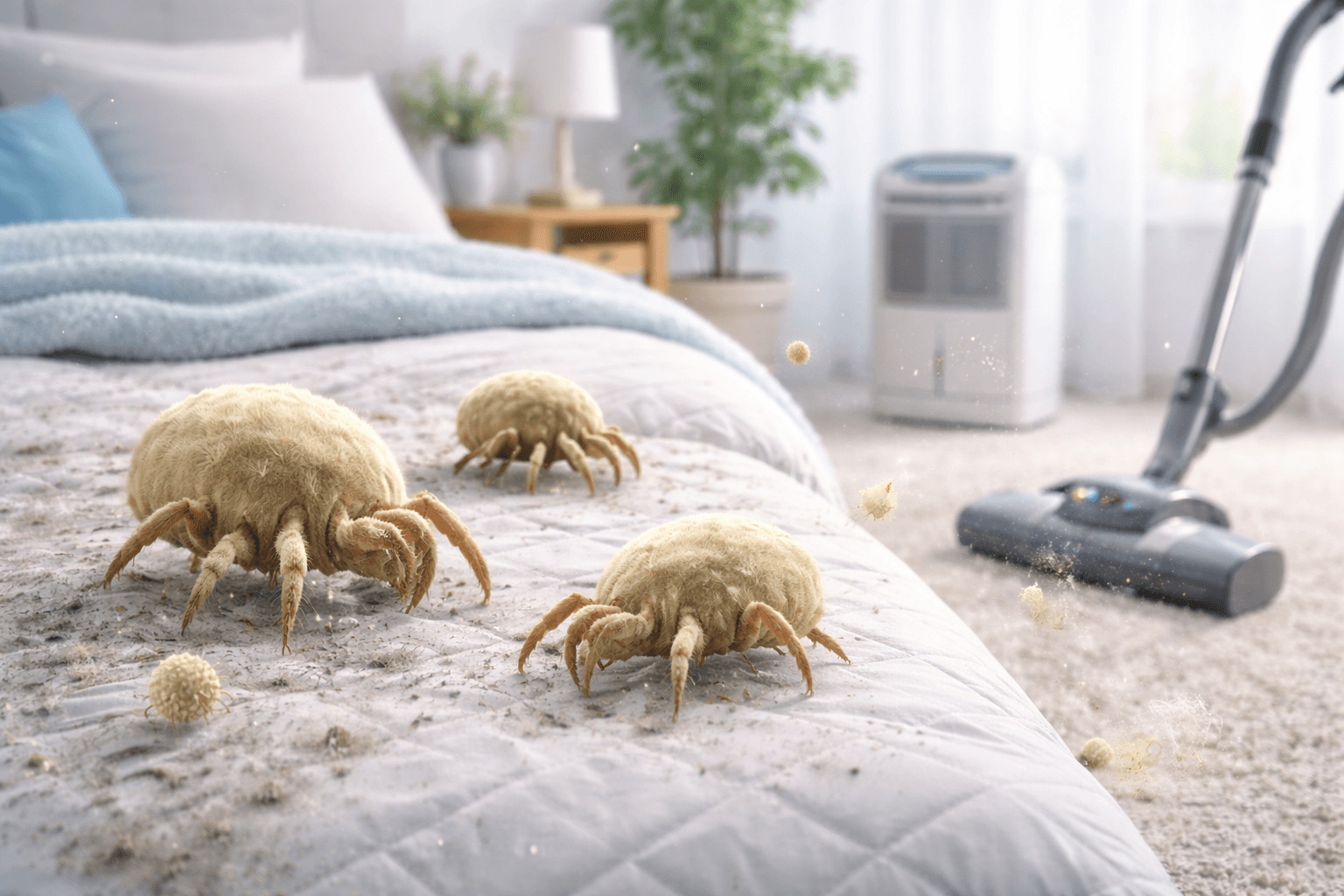
Can a Spider Crawl Back Through the Vacuum Hose?
A spider could crawl back through a vacuum hose if the hose is clear and the machine has stopped. This is more possible with a long, smooth hose and a large opening. The spider would still need to move through dust, bends, and narrow areas.
The spider would not normally crawl against active suction. When the motor runs, air moves toward the collection area. A spider trying to walk toward the nozzle would face a strong current, like walking upstream in a fast river.
Escape becomes more realistic after the vacuum is switched off. If the spider remains close to the nozzle or wand, it may move toward light or fresh air. Some spiders also follow sheltered edges, which can guide them toward an opening.
This explains why can a spider crawl out of a vacuum cleaner is most relevant after the machine stops. The risk is usually not an instant escape during cleaning. It is a later escape from a loose hose, open wand, or accessible dust cup.
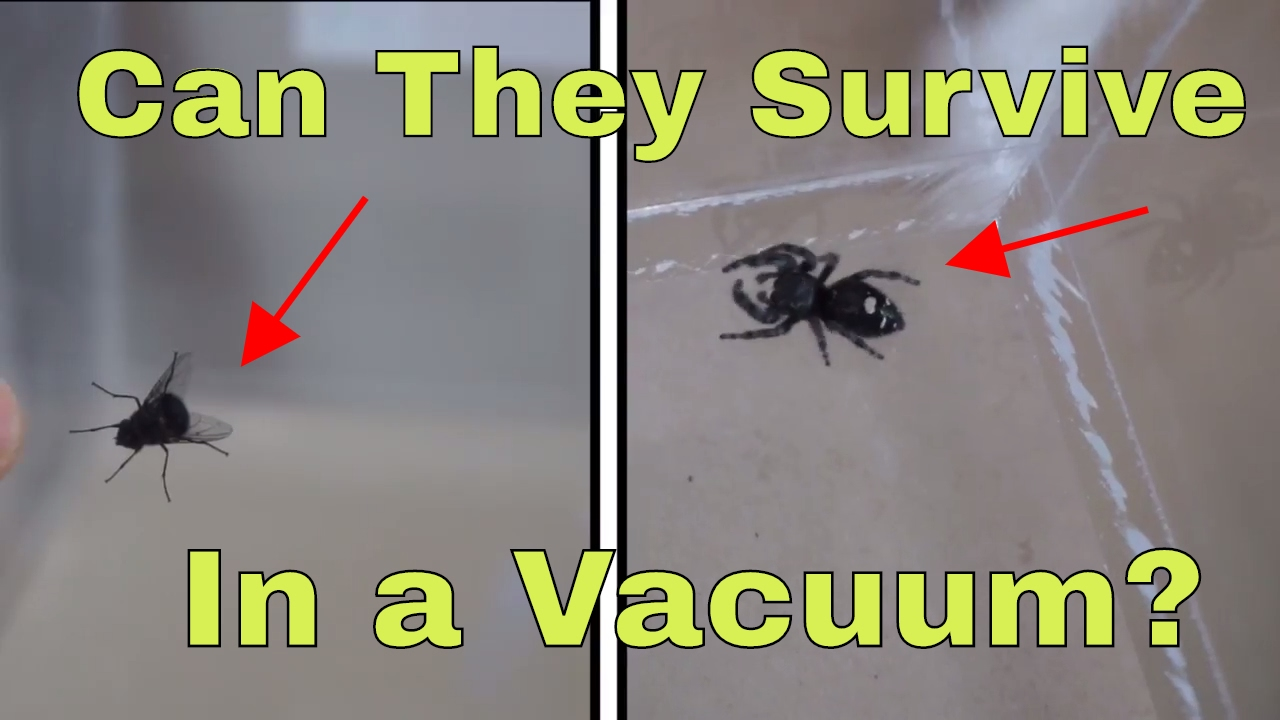
What Should You Do After Vacuuming a Spider?
If you want to prevent a spider from returning, handle the vacuum soon after use. Do not leave the hose lying open on the floor overnight.
Follow these steps:
-
Turn off and unplug the vacuum.
-
Take the vacuum outside if possible.
-
Hold the hose or wand over a paved area or a container.
-
Empty the dust cup or remove the bag carefully.
-
Check the filter, brush roll, and hose opening.
-
Seal the debris in a bag if you do not want the spider to escape.
-
Clean the dust cup according to the manufacturer’s instructions.
-
Wash your hands after handling the dust or bag.
If you prefer to save the spider, empty the dust cup into a ventilated container outdoors. Leave the container open for a short time, then place a piece of cardboard under it and release the spider near shelter.
Do not reach deep into a running vacuum. The fan, brush roll, and moving parts can cause injury. Never use water inside the motor or electrical housing.

A Safer Way to Remove a Spider
Vacuuming is fast, but it may harm the spider and can create uncertainty about where it ends up. A glass and card method is often safer and more controlled.
Place a clear glass over the spider. Slide a stiff piece of paper or thin cardboard under the glass. Keep the card flat as you lift the glass. Carry the spider outdoors and release it near a plant, wall, shed, or other protected spot.
This method works best when you move slowly. Sudden movements can cause the spider to run. A flashlight can help you see the spider’s legs and prevent accidental contact.
In homes with children, pets, or someone with a serious fear of spiders, a vacuum may feel like the only practical choice. If you use one, empty it outdoors soon after. That small step reduces the chance that can a spider crawl out of a vacuum cleaner becomes a late-night surprise.

Common Mistakes to Avoid
Many people make the same mistakes when dealing with spiders and vacuum cleaners. Avoiding them protects you, your vacuum, and the spider.
• Leaving a live spider inside the vacuum for days
• Opening the dust cup over a carpet or bed
• Shaking the hose indoors
• Touching the brush roll while the machine is plugged in
• Pouring water into a vacuum to kill or trap a spider
• Using pesticides inside the vacuum
• Assuming the spider is dead without checking the collection area
• Emptying a bag indoors without sealing it first
A vacuum motor can become damaged by liquids and chemicals. Pesticide residue may also create an unnecessary risk for people and pets. Use the vacuum as the manufacturer intended, and clean it only in the way described in the manual.
From practical household testing, the most useful lesson is to manage the vacuum after use, not just during use. The few minutes spent emptying a dust cup outside can prevent confusion later.

How to Keep Spiders Out of Your Home
Stopping spiders from entering is easier than handling them after they disappear into a vacuum. Spiders often enter through gaps, follow insects, or settle in quiet areas.
Try these simple steps:
• Seal cracks around windows, doors, and pipes
• Repair torn window screens
• Use door sweeps on exterior doors
• Reduce outdoor lights near doors when possible
• Remove webs from corners and window frames
• Keep wood piles and dense plants away from the foundation
• Reduce insects indoors by storing food properly
• Fix moisture leaks in basements, kitchens, and bathrooms
Spiders are useful predators. They eat many insects, so finding one does not always mean your home has a serious infestation. A few spiders may simply be passing through or living in a quiet corner.
If you see many spiders, egg sacs, or other pests, look for the conditions attracting them. A licensed pest professional can identify the species and recommend targeted control. Broad pesticide use is rarely the best first step.
Does Vacuuming Kill Spiders?
Vacuuming can kill spiders, but it does not guarantee immediate death. Impact, airflow, dust, dehydration, and heat may cause serious injury or death. Some spiders may survive for a period inside the collection area.
The outcome depends on the species and the vacuum design. A spider pulled into a powerful upright vacuum may face more physical stress than one collected gently by a small handheld model. Even then, no simple rule applies to every case.
If you want a definite answer for your specific machine, inspect the dust cup or remove the bag outdoors. This is safer than relying on the idea that the spider must be dead.
Can a Spider Crawl Out of a Vacuum Cleaner Overnight?
A spider can crawl out of a vacuum cleaner overnight if it survives and finds an open route. This is more likely with a bagless model, a loose hose, or an exposed wand.
The risk is lower when the dust cup is sealed, the bag is intact, and the hose has no open end. Emptying the vacuum outside after use is the most reliable way to avoid an unexpected escape.
Can a Spider Live in a Vacuum Cleaner?
A spider may remain alive inside a vacuum cleaner for some time, but a vacuum is not a suitable habitat. It lacks reliable food, water, shelter, and normal airflow.
If the spider is trapped in dust or inside a bag, it may die later. The exact time varies widely, so it is best to treat the spider as alive until the vacuum is emptied.