What Are The Parts Of A Vacuum Cleaner Called: Easy Guide
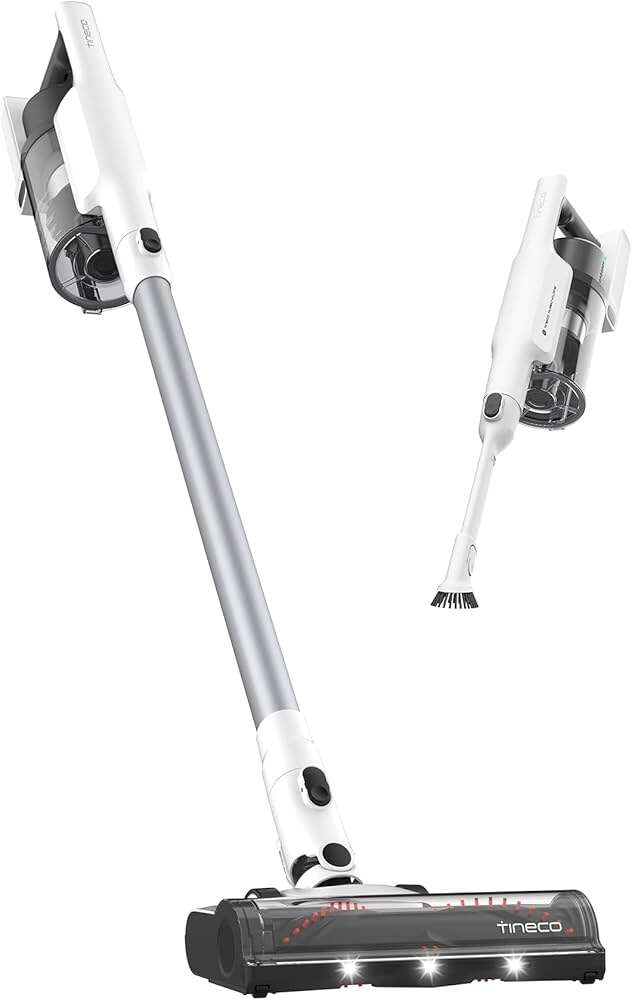
A vacuum cleaner has a motor, filter, dust container, hose, wand, brush head, and several smaller working parts.
Knowing what the parts of a vacuum cleaner are called makes cleaning, troubleshooting, and buying replacement parts much easier. Whether you use an upright, canister, stick, handheld, or robot vacuum, the same basic systems work together to move air, collect dirt, and protect the motor. This guide explains each part in plain English, with practical tips based on common vacuum designs and everyday repair lessons.
Main Parts of a Vacuum Cleaner
A vacuum cleaner may look simple from the outside, but it contains several parts that perform different jobs. Some parts create suction, while others guide air, trap dust, or help the machine move across the floor.
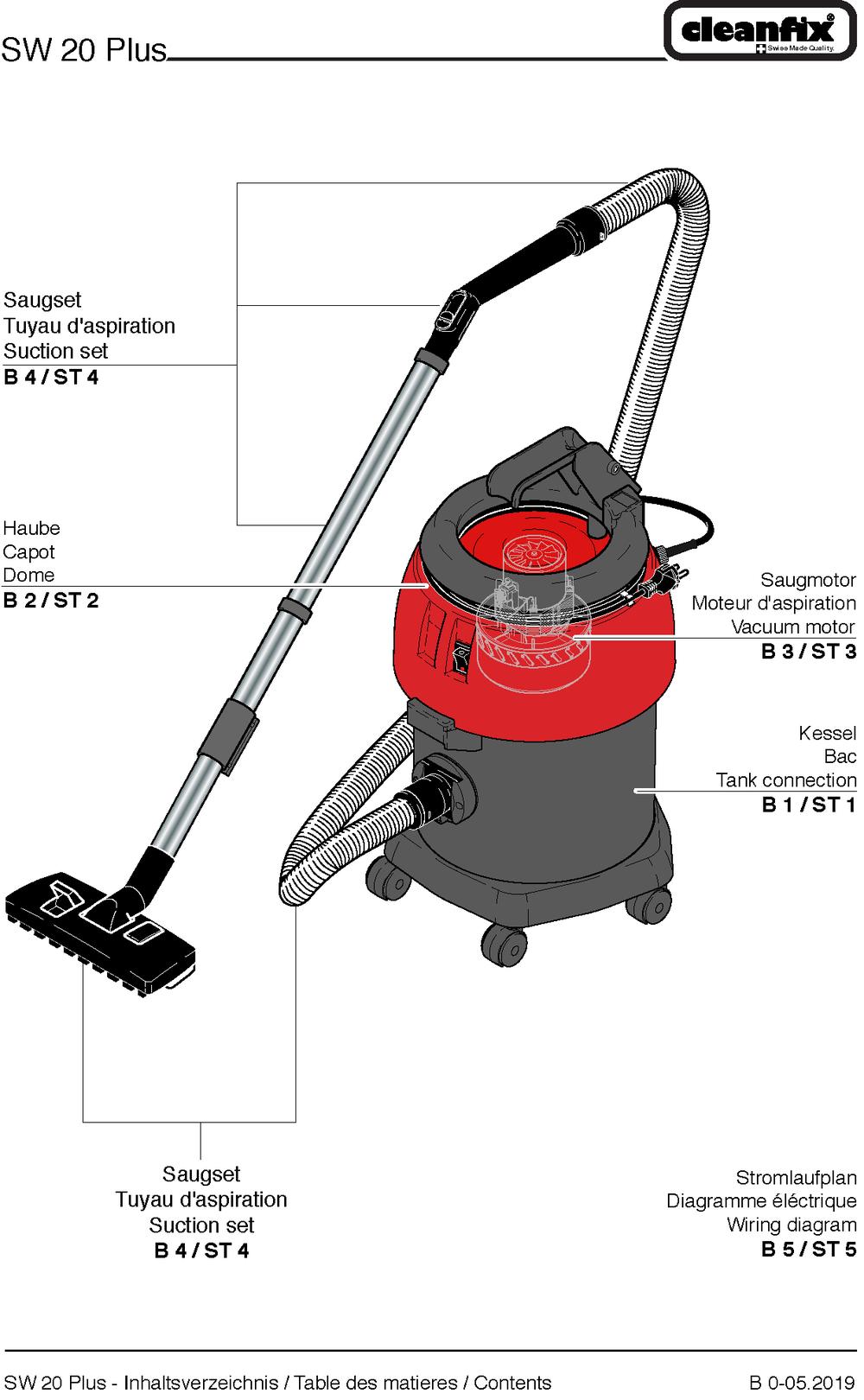
The main parts of a vacuum cleaner usually include:
• Motor
• Fan or impeller
• Air inlet
• Suction hose
• Wand or extension tube
• Floor head or cleaning head
• Brush roll or beater bar
• Dust bag or dust cup
• Filters
• Exhaust vent
• Wheels
• Power cord or battery
• Control switch
• Belt, on many upright models
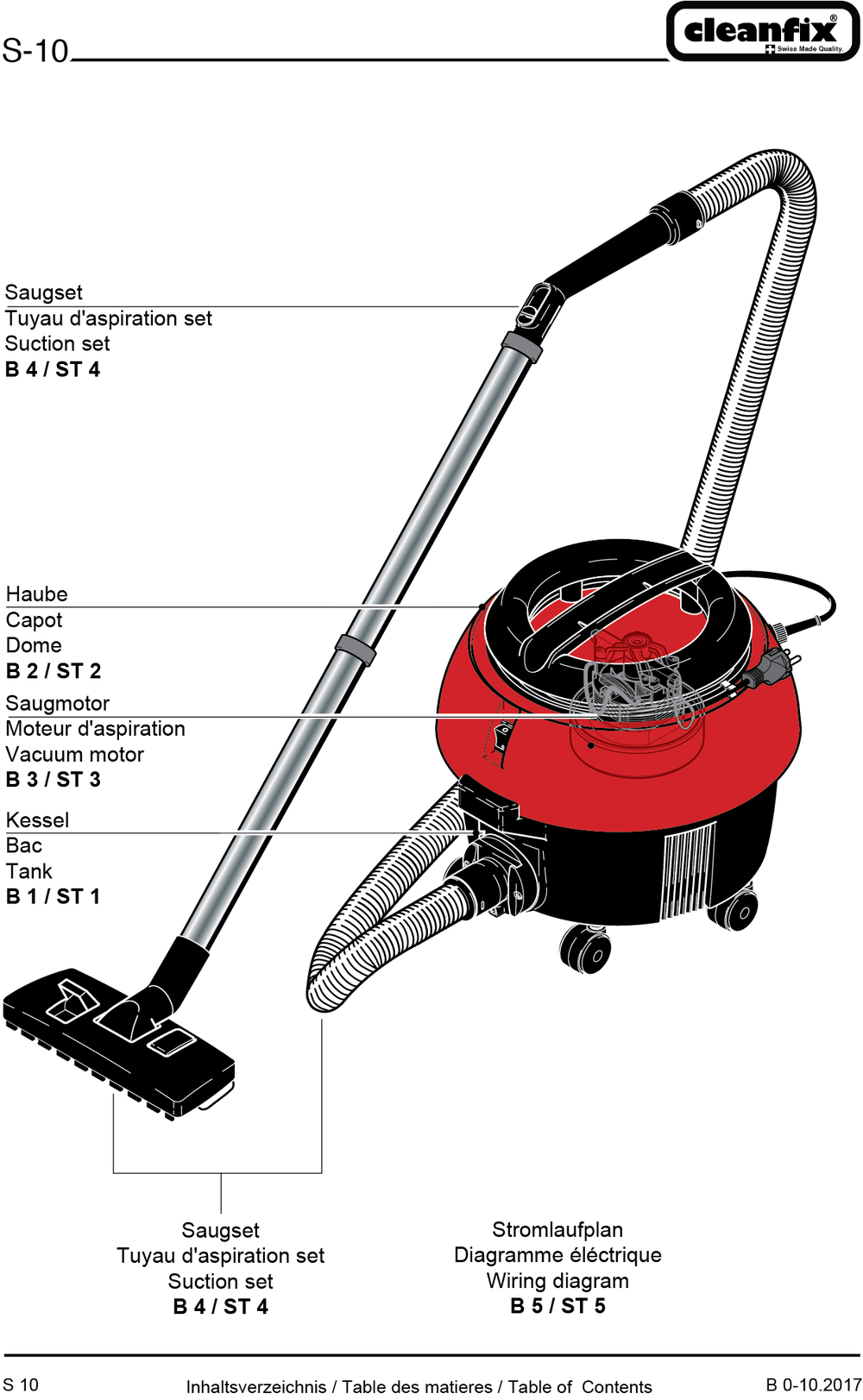
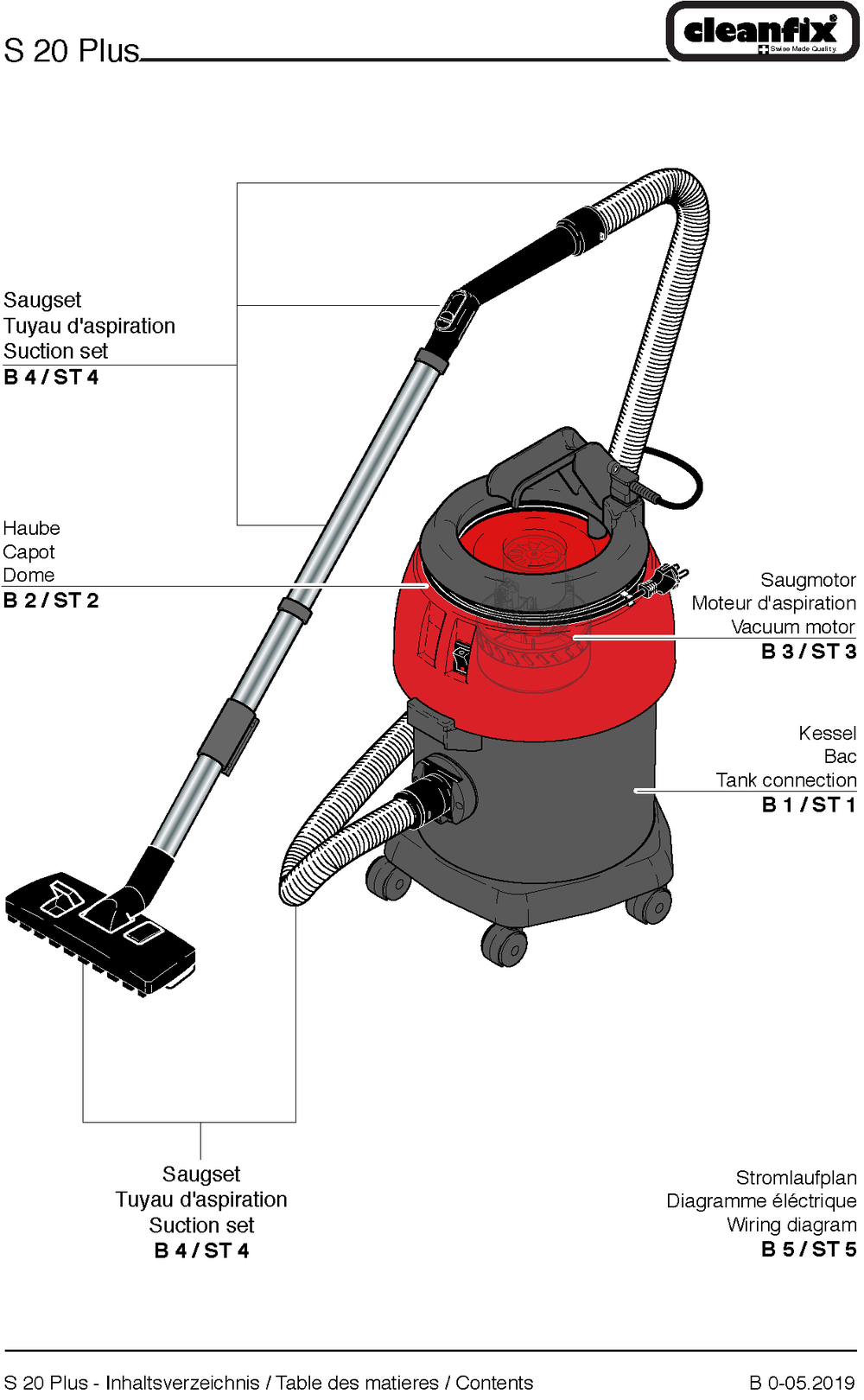
Each model uses a slightly different design. A bagless stick vacuum, for example, may combine the dust cup and filter housing into one slim unit. A canister vacuum usually has a separate body, flexible hose, wand, and floor tool.
The Motor: The Vacuum Cleaner’s Power Source
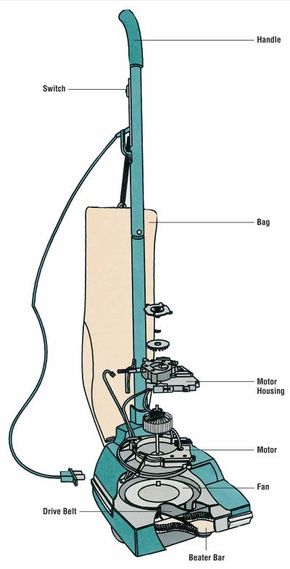
The motor is one of the most important parts of a vacuum cleaner. It uses electricity from a wall outlet or battery to spin the fan at high speed. This spinning action creates the airflow that pulls dirt into the machine.
Most household vacuums use a compact electric motor. The motor does not “suck” dirt by itself. Instead, it powers the fan, which lowers air pressure inside the vacuum. Air then moves from the higher pressure outside the machine toward the lower pressure inside it.
A motor may also power the brush roll in some upright vacuums. In other designs, a separate small motor drives the brush. This arrangement is common in powered carpet heads and premium cordless models.
Signs of a motor problem include:
• A burning smell
• Loud grinding or squealing
• Weak suction after filter cleaning
• A motor that stops and starts
• Excessive heat
• A complete loss of power
A clogged filter can make a healthy motor work too hard. Before replacing the motor, check the bag, dust cup, hose, and filters. Many “motor problems” are really airflow problems.

The Fan or Impeller
The fan, also called an impeller, works with the motor to create airflow. It has curved blades that spin rapidly and push air toward the exhaust path. This movement lowers the pressure inside the vacuum chamber.
When people ask what the parts of a vacuum cleaner are called, they often overlook the fan. It is hidden inside the main body, but it plays a central role in suction. Without a working fan, the vacuum may sound normal while collecting very little dirt.
The fan must stay balanced and free from large objects. Small stones, coins, or broken plastic can damage the blades. A damaged fan may cause vibration, rattling, or a sharp change in sound.
Never open the motor housing while the vacuum is plugged in. Unplug the machine first, and follow the repair instructions for that model. Some motor areas contain parts that are not safe for casual handling.
The Air Inlet and Suction Path
The air inlet is the opening where dirty air enters the vacuum. Depending on the design, it may be located in the floor head, hose connection, wand, or dusting tool.
The suction path is the complete route that air follows through the machine. It usually looks like this:
- Air enters through the floor head or tool.
- Air travels through the hose or wand.
- Dirt is separated into a bag or dust cup.
- Air passes through one or more filters.
- Cleaner air moves across the motor.
- Air leaves through the exhaust vent.
A blockage anywhere along this path can reduce suction. This is why checking only the floor head may not solve the problem.
In my experience with common household vacuums, the most frequent blockage points are the hose bend, the narrow wand, and the opening behind the brush roll. A flashlight can help you spot hair, paper, or a child’s small toy lodged inside.

The Suction Hose
The suction hose is a flexible tube that carries dirty air from the cleaning tool to the main vacuum body. Canister vacuums often have a long external hose. Upright vacuums may use a shorter stretch hose for attachments.
A good hose must be flexible but strong. It should bend without collapsing because a crushed hose reduces airflow. Some hoses also contain electrical wires that power a motorized floor head.
Common hose problems include:
• Cracks that allow air to leak
• Blockages caused by debris
• Loose connections
• Kinks or crushed areas
• Broken electrical contacts
• Torn cuffs at the ends
To test a hose, remove it if the design allows. Look through it toward a bright area. You can also feel for air leaks while the vacuum runs, but keep fingers away from moving parts.
Do not push a sharp object through a blocked hose. It may puncture the tube or damage internal wires. A flexible cleaning rod or a broom handle used gently from the wider end is safer.
The Wand or Extension Tube
The wand, also called an extension tube, connects the hose to the floor head or cleaning attachment. It gives you extra reach and helps you clean floors without bending too much.
Some wands are made from metal. Others use plastic or telescoping sections. A telescoping wand slides inward for storage and extends for use. Most models have a locking button or collar to hold the tube at the right length.
The wand may include electrical contacts for a powered brush head. If the contacts become dirty, the brush may stop working even though the vacuum motor still runs.
Keep these tips in mind:
• Make sure each connection clicks into place.
• Remove hair and dust from the ends.
• Do not force a stuck attachment.
• Store telescoping tubes in a relaxed position.
• Replace a cracked tube before it collapses during use.
A loose wand connection can create a small air leak. That leak may not make much noise, but it can reduce cleaning power.

The Floor Head or Cleaning Head
The floor head is the part that touches the floor. It directs airflow across the cleaning surface and helps lift dirt from carpet, rugs, tile, wood, and other floors.
Different floor heads serve different purposes. A plain suction head works well on hard floors. A powered carpet head uses a rotating brush to loosen dirt trapped among carpet fibers. Some tools have a switch that raises or lowers the brush for different surfaces.
A floor head may contain:
• Air channels
• Wheels
• A brush roll
• Edge cleaning slots
• Height controls
• A suction opening
• A belt or brush motor
• A light on some models
The best setting depends on the floor. A high brush setting may fail to clean a thick carpet well. A low setting may create too much resistance on a dense rug or scratch a delicate surface.
Check the manufacturer’s floor care instructions before using a rotating brush on delicate wood, natural fiber rugs, or loose carpet.
The Brush Roll or Beater Bar
The brush roll is a rotating cylinder covered with bristles, rubber strips, or both. It is also called a beater bar, agitator, roller brush, or power brush.
Its job is to loosen hair, crumbs, and dust from carpet fibers. The vacuum then pulls the loosened material into the airflow. On some hard floor tools, the roller uses soft microfiber or rubber instead of stiff bristles.
A brush roll can be powered in several ways:
• A belt connected to the main motor
• A separate electric brush motor
• Airflow in a few older designs
• A battery powered motor in cordless tools
Hair is the most common brush roll problem. Long hair wraps around the ends first, then spreads toward the center. This creates drag and may cause the belt or brush motor to fail.
Turn off and unplug the vacuum before cleaning the roller. Cut wrapped hair with scissors, keeping the blades away from the bristles and wires. Check the end caps too, since hair often hides behind them.

The Dust Bag and Dust Cup
The dust bag stores dirt collected by a bagged vacuum. The dust cup, also called the dirt container or debris bin, performs the same job in a bagless model.
A dust bag is usually made from paper, synthetic material, or several filter layers. It allows air to pass while holding dust and debris. When the bag fills, airflow may drop and the motor may work harder.
A dust cup is a removable plastic container. Many bagless vacuums use cyclonic air movement to separate heavier debris before the air reaches the filters. The cup still needs regular emptying.
When learning what the parts of a vacuum cleaner are called, remember that the container is not the filter. The container holds the dirt. The filter traps fine particles that remain in the air stream.
Empty or replace the collection system when:
• The indicator shows it is full.
• Suction becomes weak.
• Dust reaches the fill line.
• The vacuum smells dusty.
• The machine shuts off from overheating.
Do not pack a bagless dust cup tightly with debris. Air needs space to move through the separation system.

Vacuum Cleaner Filters
Filters trap fine dust and help keep particles from returning to the room. Most vacuums have at least one filter, and many have two or more.
Common filter types include:
• Pre motor filter: Protects the motor from dust.
• Post motor filter: Cleans air before it leaves the vacuum.
• Foam filter: Captures larger dust particles and may be washable.
• Pleated filter: Uses folded material to increase surface area.
• HEPA filter: Captures very small particles when tested and rated as HEPA.
A true HEPA filter is designed to remove at least 99.97 percent of particles measuring 0.3 microns under standard test conditions. This does not mean every vacuum with a HEPA label cleans the entire room to the same level. Seals, airflow, filter fit, and maintenance also matter.
Wash a filter only when the manual says it is washable. A wet filter can damage the motor if installed too soon. Let washable filters dry fully, often for at least 24 hours, before putting them back.
A filter that looks clean may still be restricted. Replace it according to the care instructions or when washing no longer restores airflow.
The Exhaust Vent
The exhaust vent is where filtered air leaves the vacuum. It may be located at the rear, side, top, or bottom of the machine.
The exhaust system often includes a final filter. This filter helps reduce the amount of fine dust released back into the room. A blocked exhaust filter can limit airflow and cause the motor to heat up.
Keep the exhaust area clear while cleaning. Do not cover it with clothing, curtains, or your hand. Blocking the vent can reduce performance and may trigger an automatic thermal shutoff.
It is normal for warm air to leave the exhaust after several minutes of use. Very hot air, a strong burning odor, or repeated shutdowns suggest a problem that needs attention.
The Belt and Brush Drive System
Many upright vacuums use a rubber belt to transfer power from the motor to the brush roll. The belt may be flat, round, or toothed, depending on the design.
A stretched or broken belt can cause the brush to stop spinning. You may notice a burning rubber smell, a loud slap, or poor carpet cleaning. Some models have a belt protection system that stops the brush when it becomes jammed.
Belts wear faster when the brush roll is packed with hair. They can also fail when the vacuum is used on thick carpet with the wrong height setting.