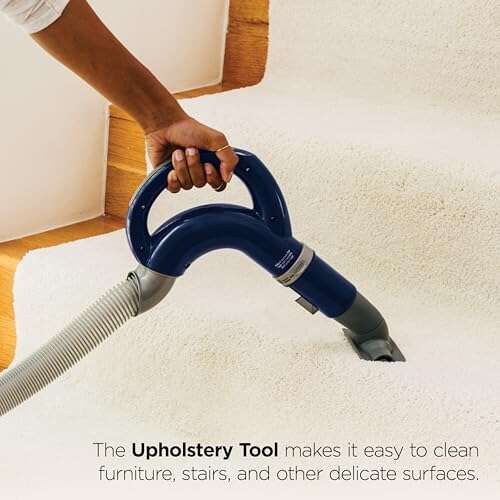
How To Clean Vacuum Cleaner Dust Container Thoroughly: Tips
Empty, rinse, and dry the dust container; clean filters and seals for a complete deep clean.
I have cleaned hundreds of vacuums in homes and small businesses. I’ll walk you through practical, safe steps on how to clean vacuum cleaner dust container thoroughly. You’ll learn tools, a step-by-step routine, filter care, and tips to keep your cleaner running like new. I write from hands-on experience and proven best practices so you can get it right the first time.

Why cleaning the dust container matters
A clean dust container keeps suction strong. Dust build-up reduces airflow and can make vacuums overheat.
Regular cleaning also stops odors and prevents dust from returning to your rooms. It helps filters last longer and protects motor life. Learning how to clean vacuum cleaner dust container thoroughly saves money and improves indoor air quality.
Tools and supplies you’ll need
- Soft brush for dusting small parts.
- Mild dish soap or gentle cleaner.
- Warm water in a basin or sink.
- Microfiber cloths and paper towels.
- Old toothbrush for crevices.
- Compressed air can or blower for tight spots.
- Rubber gloves and a mask if you have allergies.
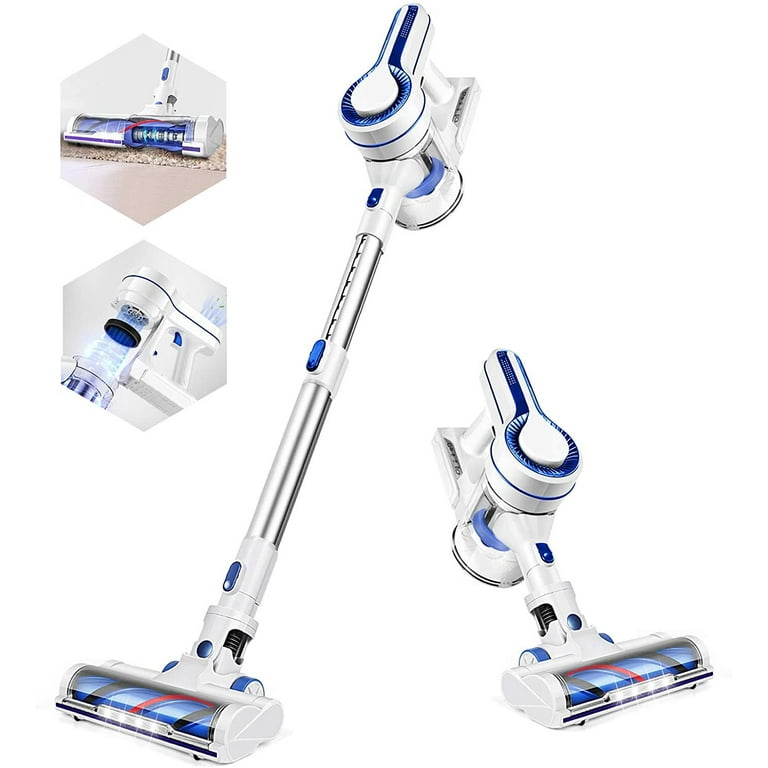
These items are cheap and make the process quick. Having them ready speeds up how to clean vacuum cleaner dust container thoroughly.
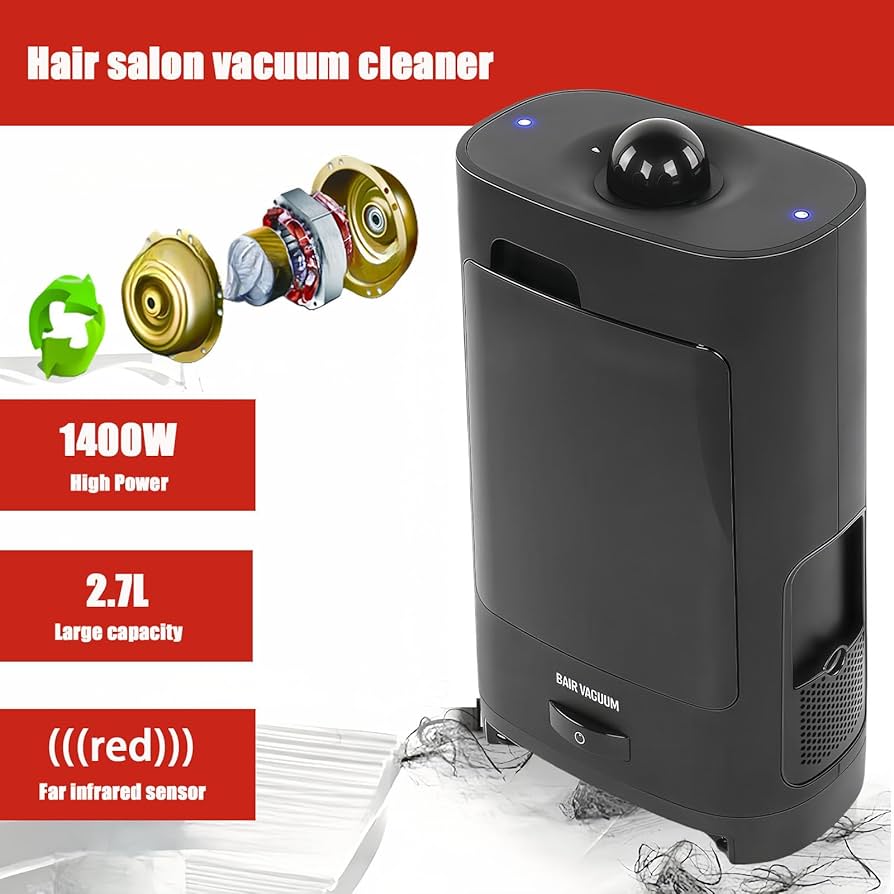
Step-by-step: how to clean vacuum cleaner dust container thoroughly
- Turn off and unplug the vacuum. Safety first.
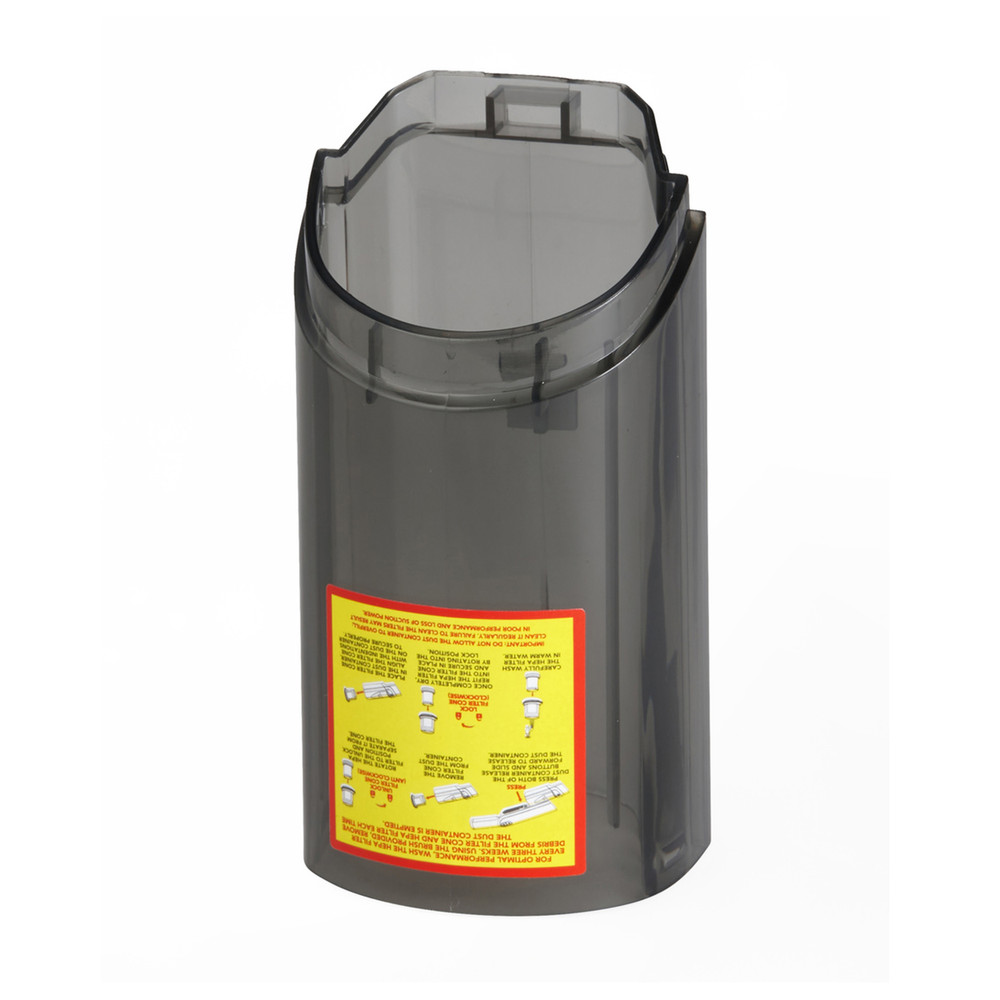
- Remove the dust container per the user manual. Place it on a towel or sink.
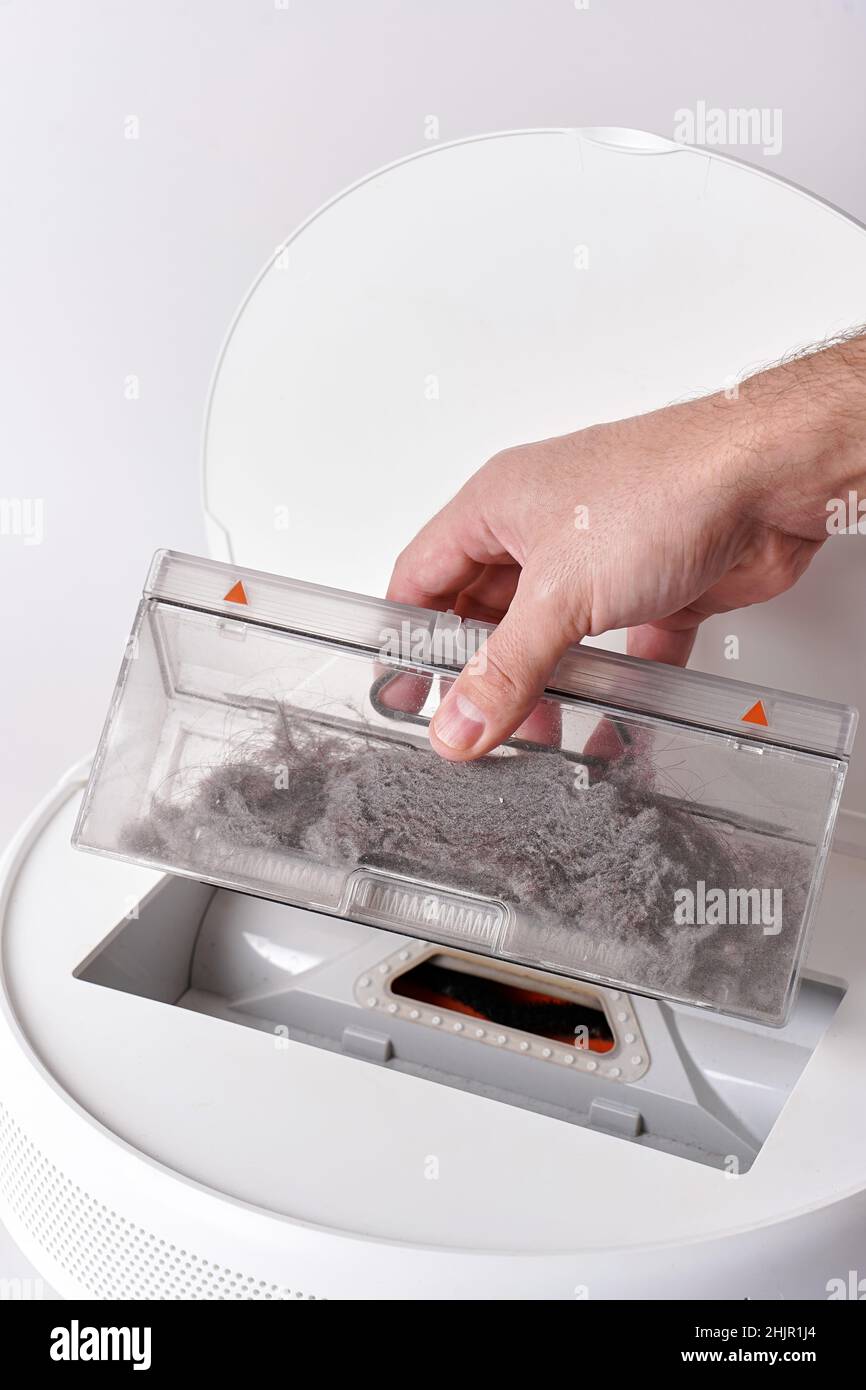
- Empty loose dust into a trash bag. Tap gently to dislodge stuck debris.
- Detach any removable parts such as the cyclone cup, lid, or smaller bins. Note where each part fits.
- Dry-brush loose dust from crevices with a soft brush. Use compressed air for narrow channels.
- Rinse plastic parts with warm water. Use mild dish soap for greasy residue.
- Use an old toothbrush to scrub seals and grooves. Be gentle around mesh or thin plastic.
- For stubborn grime, soak removable parts for 10–15 minutes in warm, soapy water. Rinse well.
- Wipe the main bin interior with a damp microfiber cloth if it is not washable. Some bins are not water-safe—check the manual.
- Air-dry all parts completely before reassembly. Moisture can harm filters and motor parts.
- Reinstall filters, seals, and parts. Run the vacuum briefly to confirm normal suction and fit.
Tip from experience: work in a garage or outdoors when emptying very dusty bins to avoid stirring dust in the house. Repeating this routine keeps the bin from becoming a sticky mess and shows the right way to clean vacuum cleaner dust container thoroughly.
Cleaning filters and seals
Check filters at the same time you clean the container. Many vacuums have foam, felt, or HEPA filters. Foam and washable filters can be rinsed until water runs clear. HEPA and paper filters usually need replacement, not washing.
Clean the rubber seals and gaskets with a damp cloth. Damaged seals cause air leaks and weak suction. Proper filter care is part of how to clean vacuum cleaner dust container thoroughly and extend machine life.
Deep cleaning and sanitizing for allergies and pet hair
If you have allergies or pets, sanitize parts after washing. Use a mild disinfectant safe for plastics, or a vinegar solution (1 part white vinegar to 3 parts water). Rinse and dry well.
For pet hair, remove hair from cyclones and vents using tweezers or a brush. A short burst of compressed air dislodges trapped dander. Deep cleaning helps reduce allergen re-circulation and shows extra steps for how to clean vacuum cleaner dust container thoroughly.
Maintenance tips and recommended schedule
- Empty the container after every heavy cleaning or when it is two-thirds full.
- Clean the bin and wipe seals monthly for regular use.
- Wash washable filters every 1–3 months depending on use.
- Replace HEPA filters per manufacturer guidelines, typically every 6–12 months.
- Inspect seals and hoses for cracks during each clean.
A simple calendar reminder keeps you on track. These habits make how to clean vacuum cleaner dust container thoroughly a fast, regular chore instead of a big job.

Common mistakes to avoid
- Using hot water or harsh chemicals that warp plastic.
- Reassembling parts while damp, which can trap mold.
- Ignoring tiny crevices where dust hides.
- Washing non-washable filters and damaging them.
- Waiting until the bin is overfull; this reduces suction and stresses the motor.
Avoiding these mistakes saves time and prevents damage. They are lessons I learned after a few costly errors early in my cleaning work.

Frequently Asked Questions of how to clean vacuum cleaner dust container thoroughly
How often should I deep clean the dust container?
Clean the container monthly for normal use and after each deep clean session. Empty it after heavy jobs or if it reaches two-thirds full.
Can I put the dust container in the dishwasher?
Only if the manual explicitly says it is dishwasher-safe. Most plastic bins warp or lose seals in dishwasher heat, so hand wash when in doubt.
How do I dry parts quickly without damage?
Air-dry parts on a towel in a warm room. Pat with a microfiber cloth first and avoid direct heat like hair dryers on plastic.
Will cleaning the dust container improve suction?
Yes. Removing clogs and dust restores airflow and often returns suction to near-new levels when combined with filter care.
What if my vacuum has a bad smell after cleaning?
Check for trapped wet debris or mold. Thoroughly dry all parts and replace any foam filters that stayed damp.
Conclusion
Cleaning your vacuum’s dust container is simple, fast, and very effective. Follow the step-by-step routine, care for filters and seals, and set a regular schedule to keep suction strong and air clean. Start today: empty the bin, gather the right tools, and make this task a short part of your cleaning routine. If this guide helped, try the steps on your next cleaning and share your results or questions below.

Liora Pennings is a seasoned chef and kitchen enthusiast with a passion for turning everyday cooking into an effortless experience. With years of hands-on culinary expertise, she specializes in practical techniques, ingredient know-how, and smart kitchen solutions that help home cooks elevate their meals. At KitchFlair.com, Liora shares her best tips, time-saving tricks, and honest product reviews to guide readers toward a more efficient, enjoyable, and inspired cooking routine. Whether you’re a beginner or a seasoned home chef, Liora’s friendly, knowledge-packed insights make every visit to the kitchen a little easier—and a lot more delicious.