Can I Put Cleaning Solution In My Robot Vacuum: Safe Guide
Usually, do not add cleaning solution unless your robot vacuum manual specifically approves it.
The answer to “can I put cleaning solution in my robot vacuum” depends on the machine type, the water tank design, and the product formula. A dry robot vacuum should never receive liquid, while a robot mop may allow a specific solution made for its system. This guide explains the risks, safe options, manufacturer rules, and practical steps to protect your robot and floors.

Can I put cleaning solution in my robot vacuum?
In most cases, you should not put regular floor cleaner, dish soap, bleach, vinegar, or disinfectant in a robot vacuum. Many robot vacuums are designed to collect dry dirt only. Even robot mop models often require plain water or a cleaning formula approved by the manufacturer.
The safest rule is simple: check the owner’s manual before adding anything besides water. If the manual does not clearly approve cleaning solution, leave it out.
The answer also depends on the type of robot:
- Dry robot vacuum: Never add liquid to the dustbin, brush area, or internal parts.
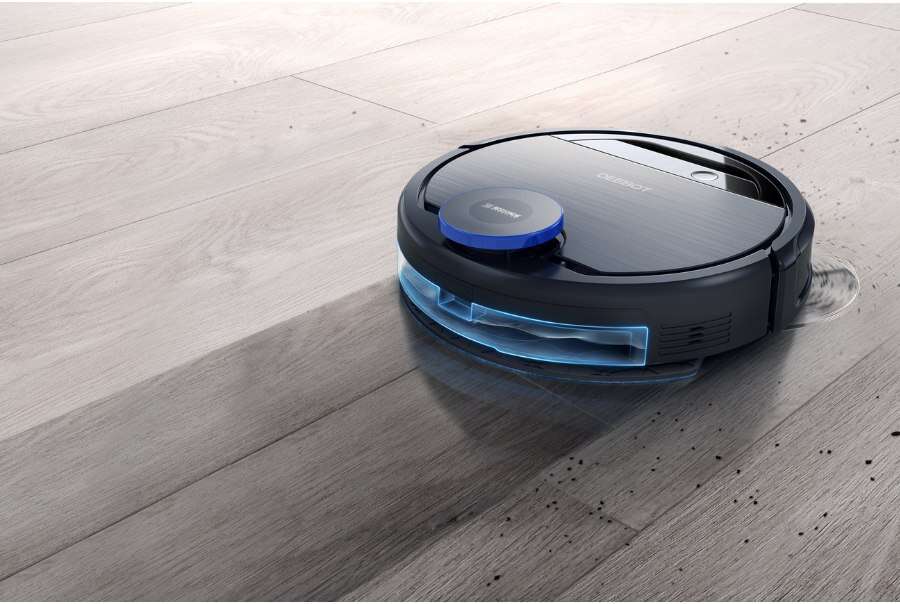
- Robot vacuum and mop combo: Use plain water unless the manual lists an approved solution.
- Self-washing robot mop: Use the brand’s approved formula and follow its dilution instructions.
- Robot with an automatic detergent system: Add solution only to the labeled compartment.
A cleaning solution may smell fresh, but fragrance does not mean it is safe for pumps, tubes, sensors, seals, or flooring. Your robot is more like a small appliance with delicate plumbing than a traditional mop bucket.

Why regular cleaning solution can damage a robot vacuum
Cleaning products contain ingredients that may cause trouble inside a robot. These include surfactants, fragrances, oils, alcohol, acids, disinfectants, and foaming agents.
A robot mop moves liquid through narrow channels. It may use a pump, valve, filter, or spray nozzle. Thick or foamy products can leave a film in these parts. Over time, that film may reduce water flow or cause a blockage.
Common risks include:
- Clogged water lines or spray nozzles
- Excess foam inside the tank or pump
- Sticky residue on wheels and sensors
- Damaged rubber seals and plastic parts
- Corrosion of small metal components
- Water leaks around the tank
- Cloudy marks on hard floors
- Voided warranty coverage
Cleaning solutions can also create problems when they mix with dust and hair. The mixture may become sticky, much like wet flour in a drain. It can collect around the brush, wheel wells, or suction path.
Some products may also irritate pets or children if residue remains on the floor. This is especially important for homes with cats, dogs, crawling babies, or people with sensitive skin.

What happens if you put cleaning solution in a dry robot vacuum?
A dry robot vacuum is not built to handle liquid. Its dustbin, filter, motor, and air path are designed for dry debris.
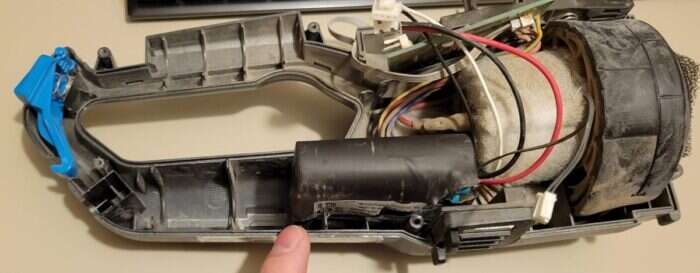
If liquid enters the dustbin, it can soak the filter and form clumps of dirt. If it reaches the motor or fan, it may cause electrical damage. Even a small amount can lead to a burning smell, strange noise, weak suction, or a complete failure.
This is why the answer to “can I put cleaning solution in my robot vacuum” is always no for a standard vacuum-only model. Do not pour liquid into:
- The dustbin
- The filter compartment
- The brush chamber
- The charging dock
- The air intake
- The wheel wells
- Any opening marked for dry debris only
If you accidentally spill solution into the robot, turn it off at once. Remove it from the charging dock, empty the dustbin, and take out the filter if the manual allows it. Let all removable parts dry fully before testing the unit.
Do not use a hair dryer or place the robot near strong heat. High heat can warp plastic and damage seals. If liquid reached the motor or electronics, contact the manufacturer or a qualified repair center.
When cleaning solution is safe for a robot mop
Some robot mop models are made to use cleaning solution. However, “safe for robot mops” does not mean every floor cleaner is safe for every machine.
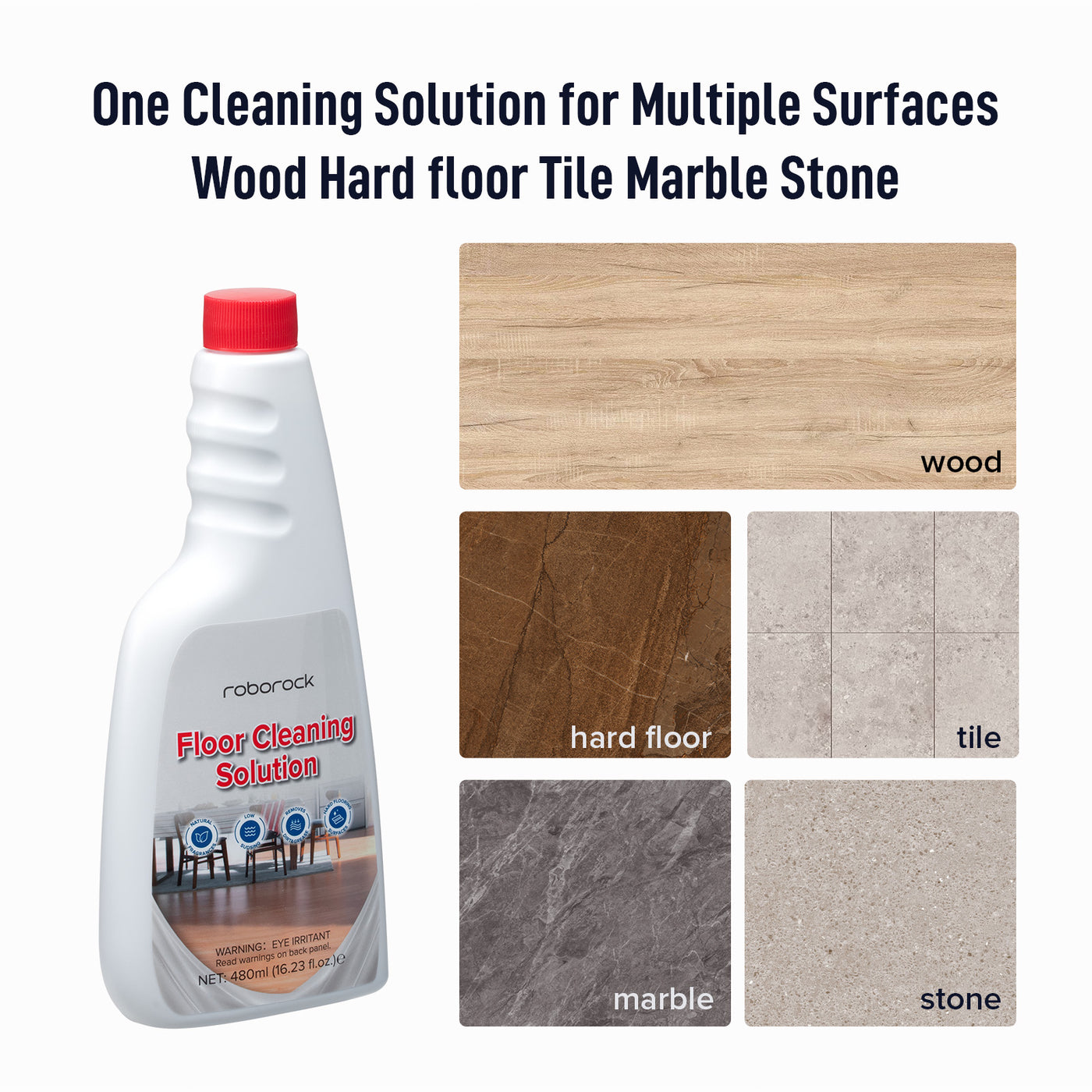
The product must match the robot’s instructions. A manufacturer may approve only its own formula or a short list of compatible solutions. Other brands may have the wrong pH, too much foam, or ingredients that can harm internal parts.
Before using a solution, check these details:
- The manual’s fluid instructions
- The label on the water tank
- The official support page for your model
- The product’s dilution ratio
- Whether the solution is low foam
- Whether the solution is safe for your floor type
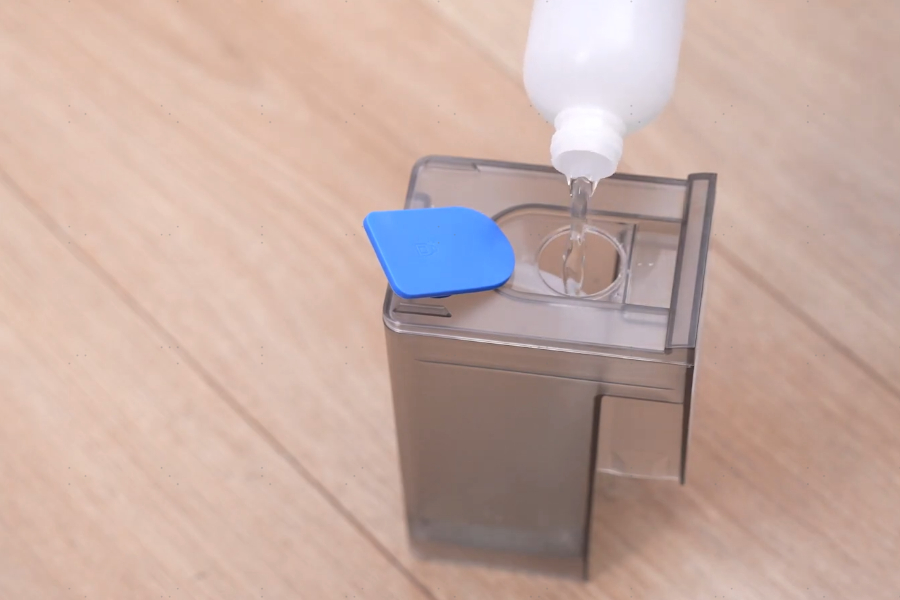
Some newer machines have a separate detergent cartridge. This system measures the product automatically. Do not pour concentrated detergent into the clean-water tank unless the instructions specifically say to do so.
If your robot uses a cleaning station, the station may wash mop pads and empty dirty water. That does not always mean it can handle household floor cleaner. The pump and drainage system still need the correct formula.
Which cleaning solutions should you avoid?
When people ask, “can I put cleaning solution in my robot vacuum,” they often mean a product already used with a normal mop. That is where many mistakes begin.
Avoid these products unless your robot’s manual specifically approves them:
- Dish soap
- Laundry detergent
- Bleach
- Ammonia-based cleaner
- Glass cleaner
- Disinfectant
- Essential oils
- Vinegar
- Rubbing alcohol
- Wax or polish
- Oil-based floor products
- High-foam carpet cleaner
- Homemade soap mixtures
Dish soap is a common example. It seems mild, but it can create a large amount of foam. Foam may overflow, block the pump, or leave a slippery film on the floor.
Vinegar also deserves caution. It is acidic and may damage seals, stone floors, grout, or certain finishes. It is not a universal cleaning solution for robot mops.
Essential oils can leave oily residue and may be unsafe for some pets. Bleach and ammonia can release harmful fumes when mixed with other products. They can also damage flooring and machine parts.

Is plain water better for a robot mop?
For many robot mops, plain water is the safest default. It creates little residue and places less stress on the pump, tank, and internal tubing.
Use clean, cool or room-temperature water. Do not use boiling water, heavily mineralized water, or water with visible sediment. Hard water may leave mineral deposits inside the tank and spray system.
If your home has hard water, filtered or distilled water may help. Still, check the manual first. Some brands recommend tap water, while others suggest filtered water for specific models.
Plain water may not remove greasy marks as well as a suitable cleaner. Yet a robot mop works best when it cleans often. Daily or frequent passes can prevent dirt from building up, so a mild water-only routine may be enough for many homes.
A useful routine is:
- Vacuum loose dirt first.
- Fill the tank with the approved water type.
- Run the mop on the correct floor setting.
- Empty dirty water after cleaning.
- Rinse the tank if the manual recommends it.
- Wash and dry the mop pads.
This approach keeps the robot clean and reduces the chance of residue buildup.

How to use an approved robot vacuum cleaning solution
If your model allows a cleaning solution, measure it carefully. More product does not mean cleaner floors. Too much solution can create residue, streaks, foam, and pump problems.
Follow these steps:
- Read the manual for your exact model.
- Confirm that the solution is approved.
- Check whether it goes into the tank or a separate cartridge.
- Measure the amount with care.
- Never use a stronger mix than the label states.
- Keep the solution away from the dustbin and electronics.
- Run the robot only on compatible flooring.
- Empty and rinse parts as directed.
Do not guess the dilution ratio. A product meant for a bucket may be too strong for a small robot tank. A concentrated formula can also become more powerful as water evaporates inside a narrow tube.
Store the bottle in a safe place. Keep it away from children and pets, and never pour a cleaning product into an unmarked container. Clear labeling prevents dangerous mix-ups.

Can cleaning solution damage floors?
Yes. The wrong cleaning solution can harm both the robot and the floor.
Wood flooring may react badly to excess water, strong chemicals, or waxy products. Natural stone, such as marble and limestone, can be damaged by acidic cleaners. Laminate floors may swell if too much water remains on the surface.
Before using any solution, confirm that it is suitable for your floor. The robot’s settings matter too. A setting designed for tile may release more water than a setting designed for sealed wood.
Watch for warning signs:
- Sticky or dull areas
- White streaks
- Cloudy patches
- Slippery spots
- Strong chemical odor
- Darkened wood seams
- Water collecting near edges
Test a product in a small hidden area first. Let the spot dry fully. If the finish changes, do not use that product with your robot.
The safest solution for a robot is not always the strongest solution for a floor. Machine safety and floor safety must be considered together.

What to do if you already added the wrong solution
If you already put cleaner in the robot, do not panic. Quick action can limit damage.
First, stop the robot and remove it from the dock. Do not run another cleaning cycle to “flush” the product unless the manufacturer instructs you to do so.
Then follow these steps:
- Empty the clean-water tank.
- Remove the dirty-water tank if your model has one.
- Rinse the tank with clean water.
- Wipe the tank opening and cap.
- Inspect the mop pad and brush area.
- Check for foam, leaks, or sticky residue.
- Allow washable parts to dry completely.
Do not pour water into areas that are not designed to be washed. Avoid soaking the robot body, charging contacts, sensors, or motor housing.
If the robot makes unusual sounds, smells hot, leaks, or stops charging, stop using it. Contact customer support and explain exactly what product you used and how much you added. Honest details help technicians give safer advice.
A mistake I often see is adding more water and continuing to run the machine. That can spread the solution deeper into the pump and electronics. Cleaning the removable tank is safer than forcing the machine to circulate an unknown liquid.
How to keep a robot vacuum clean without harsh chemicals
Your robot does not need strong chemicals to stay fresh. Regular care usually works better.
Use these habits:
- Empty the dustbin often.
- Clean the filter as directed.
- Remove hair from the main brush.
- Wipe sensors with a dry microfiber cloth.
- Clean the charging contacts gently.
- Wash mop pads after each use.
- Empty the dirty-water tank promptly.
- Leave tanks and pads open to air-dry.
- Inspect wheels for hair and sticky dirt.
A dry microfiber cloth is usually enough for the robot’s outer body. Never spray cleaner directly onto the robot. Spray a small amount onto a cloth only if the manual allows it, and keep liquid away from openings.
The mop pad also matters. A dirty pad can spread grime even when the tank contains clean water. In many homes, washing the pad more often improves results more than adding extra detergent.
Think of maintenance as brushing your teeth. Small, regular care prevents a larger and more expensive problem later.
Manufacturer guidance and warranty concerns
Robot vacuum brands do not use one universal fluid standard. Each model may have different pumps, seals, sensors, and tank materials.
That is why online advice can be confusing. A solution that works in one robot mop may damage another. The product page, user manual, and official support instructions for your exact model should take priority over general tips.
Using an unapproved solution may also affect warranty service. Warranty terms vary, but manufacturers may exclude damage caused by misuse, incorrect fluids, or failure to follow care instructions.
Before using a product, record:
- The robot’s exact model number
- The solution name
- The recommended dilution
- The date you used it
- Any change in sound, smell, or performance
This information can help if you need technical support. It also prevents confusion when several cleaning products are stored at home.
Industry guidance for household cleaners consistently stresses label directions, proper dilution, ventilation, and safe storage. Those same principles apply to robot mops, especially in homes with pets and young children.
A simple decision guide
Use this guide when you are unsure about adding liquid:
- If it is a dry vacuum only, use no liquid.
- If it is a robot mop and the manual says water only, use water only.
- If the manual approves a branded formula, follow the stated ratio.
- If the product creates foam, avoid it.
- If the floor is unsealed wood or natural stone, check floor-care guidance first.
- If you cannot find clear instructions, contact the manufacturer.
- If the tank has a labeled detergent compartment, use only that compartment.
This decision guide answers “can I put cleaning solution in my robot vacuum” without relying on guesswork. When instructions are unclear, the cautious choice is plain water or no liquid.
Frequently Asked Questions About Can I Put Cleaning Solution in My Robot Vacuum
Can I put Pine-Sol or a similar floor cleaner in my robot vacuum?
Usually, no. Many general floor cleaners can foam, leave residue, or harm the robot’s pump and seals. Use them only if your exact robot model specifically approves the product.
Can I add vinegar to my robot mop?
Vinegar is not a safe universal choice. Its acidity may damage seals, internal parts, grout, natural stone, or floor finishes, so use it only when the manufacturer clearly permits it.
Can I use a few drops of dish soap in the water tank?
It is best to avoid dish soap. Even a small amount can create foam and leave a slippery film inside the tank, pump, or on the floor.
Is distilled water safe for every robot vacuum mop?
Not always. Many models can use distilled water, but some manufacturers recommend regular tap water or filtered water instead. Follow the instructions for your exact model.
What should I do if my robot vacuum smells like cleaner?
Stop the robot and empty the tank. Rinse the removable parts, wash the mop pad, and let everything dry; contact support if the smell remains or the robot runs poorly.
Can I use a floor cleaner made for spray mops?
Not automatically. A spray-mop solution may have ingredients that are unsafe for a robot’s pump or tubing. Check for approval from the robot manufacturer before using it.
Does cleaning solution make a robot mop clean better?
Not always. Frequent cleaning with plain water may work well for light soil, while an approved low-foam formula can help with tougher dirt. The correct solution and dilution matter more than using a strong product.
Conclusion
The safest answer to “can I put cleaning solution in my robot vacuum” is usually no unless the manufacturer approves it. Dry vacuums should never receive liquid, and robot mop models often work best with plain water or a specific low-foam formula.
Avoid bleach, vinegar, dish soap, essential oils, and ordinary floor cleaners unless your manual lists them as safe. Protect your machine by using the right tank, measuring approved products, washing mop pads, and drying removable parts after use.
Check your model’s instructions before the next cleaning cycle. If you have found a solution that works safely with your robot, share your experience or explore the manufacturer’s care resources for more guidance.

Liora Pennings is a seasoned chef and kitchen enthusiast with a passion for turning everyday cooking into an effortless experience. With years of hands-on culinary expertise, she specializes in practical techniques, ingredient know-how, and smart kitchen solutions that help home cooks elevate their meals. At KitchFlair.com, Liora shares her best tips, time-saving tricks, and honest product reviews to guide readers toward a more efficient, enjoyable, and inspired cooking routine. Whether you’re a beginner or a seasoned home chef, Liora’s friendly, knowledge-packed insights make every visit to the kitchen a little easier—and a lot more delicious.