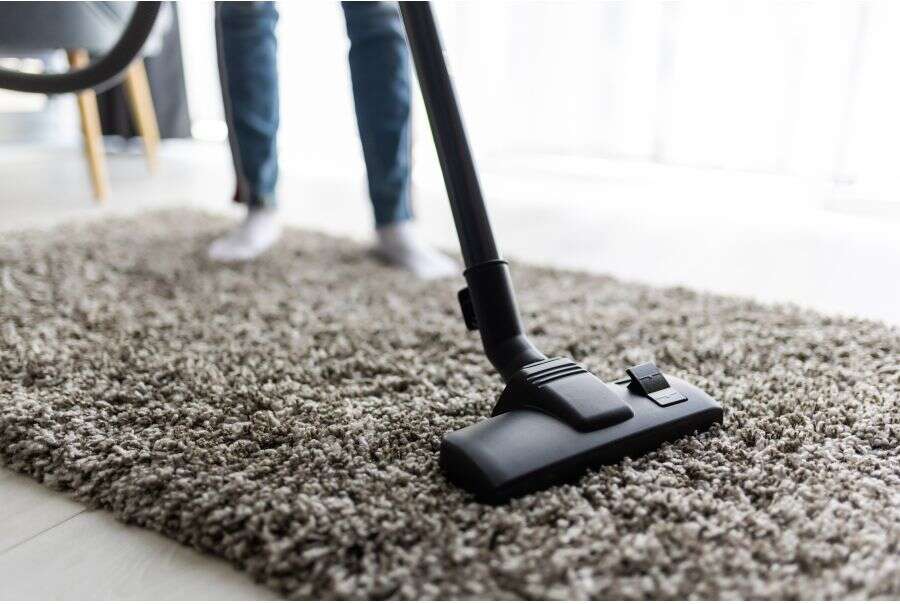
How Long Does A Vacuum Cleaner Last: Lifespan Guide And Tips
Most vacuum cleaners last five to ten years, though care, design, and use change that range.
Knowing how long a vacuum cleaner lasts can help you plan repairs, compare models, and avoid replacing a machine too soon. In my experience, maintenance often matters as much as the brand: a well cared for budget vacuum may outlive a neglected premium model. This guide explains vacuum cleaner life expectancy by type, the signs of failure, repair costs, and simple ways to extend service life.

How long does a vacuum cleaner last?
A vacuum cleaner usually lasts between five and ten years in a typical home. Some basic models may last three to five years, while strong canister, upright, and central vacuum systems may work for 10 to 15 years with proper care.
The answer depends on several factors:
• Vacuum type and build quality
• How often you use it
• Floor type and cleaning load
• Pet hair, sand, and fine dust exposure
• Filter and brush maintenance
• Availability of replacement parts
• Battery health in cordless models
A vacuum used once a week on clean hardwood floors has an easier life than one used every day on thick carpet, stairs, and pet hair. Think of it like a car. Two cars may have the same age, but the one driven gently and serviced on time will often last longer.
The average lifespan is only a guide. A vacuum cleaner may still work after 10 years but lose suction, become noisy, or cost too much to repair. Performance and safety matter just as much as whether the motor still turns on.
:max_bytes(150000):strip_icc()/GettyImages-1420975299-7032710597d64abb8f214ba6ac89bf99.jpg)
Average lifespan by vacuum type
Different vacuum designs use different motors, filters, batteries, and drive systems. These parts affect how long the machine can serve you.
| Vacuum type | Typical lifespan | Common reason for failure |
|---|---|---|
| Upright vacuum | 5 to 10 years | Motor, belt, brush roll, or power cord |
| Canister vacuum | 8 to 12 years | Hose, motor, wheels, or cord system |
| Stick vacuum | 3 to 7 years | Battery, charger, or small motor |
| Robot vacuum | 3 to 6 years | Battery, sensors, wheels, or software |
| Handheld vacuum | 2 to 5 years | Battery and charging parts |
| Central vacuum | 10 to 20 years | Motor, hose, inlet, or control system |
| Commercial vacuum | 3 to 8 years | Heavy daily use and worn components |
Upright vacuums often last many years because they have larger motors and replaceable parts. Canister vacuums can last even longer when their hoses, bags, and filters remain in good condition.
Cordless stick vacuums have improved, but their batteries create a limit. The motor may still be healthy when the battery holds only a short charge. A replacement battery can restore performance if the manufacturer still sells one.
Robot vacuums face a different set of problems. Their wheels, sensors, brushes, software, and charging contacts all need care. A robot vacuum may clean well for years, but its useful life can end when replacement parts or software support disappear.

What affects vacuum cleaner life expectancy?
The question “how long does a vacuum cleaner last?” has no single answer because the cleaning conditions vary so much. The following factors have the greatest effect.
Frequency of use
Daily use places more hours on the motor, brush roll, wheels, and cord. This does not mean frequent cleaning is harmful. It means a heavily used vacuum needs more regular care.
A home with pets may run a vacuum several times each week. In that setting, a durable model with a sealed system and easy filter access often lasts longer than a low cost model with hard to replace parts.
Type of debris
Dust is usually easier for a vacuum to handle than sand, hair, string, and small stones. Sand can wear fan parts and seals, while hair can wrap around the brush roll and strain the drive belt.
Never use a household vacuum to collect hot ash, wet spills, sharp glass, or construction dust unless the machine is designed for that job. The wrong debris can damage the motor or create a safety risk.
Floor surfaces
Carpet creates more resistance than smooth flooring. Thick carpet also makes the brush roll work harder, especially when it becomes packed with hair.
Hard floors can be gentler on the vacuum, but grit on the floor may still enter the machine. Using the correct floor setting helps prevent excess stress.
Build quality
A strong housing, sealed air path, metal connections, quality wheels, and replaceable parts can improve durability. However, a high price does not guarantee a long life.
Look for clear warranty terms, available filters, belts, batteries, and brush rolls. A vacuum with affordable parts is often easier to keep for many years.
User habits
Pulling a vacuum by its cord, forcing it around corners, or running it with a full bag can shorten its life. Small habits add up over time.
One mistake I have seen often is storing the vacuum with a tangled cord and a dirty filter. The machine may appear fine, but restricted airflow makes the motor run hot each time it starts.

Signs your vacuum cleaner is wearing out
A vacuum does not always fail at once. It often gives warning signs first. Paying attention can help you repair a small problem before it damages the motor.
Watch for these symptoms:
• Weak suction after you clean the filter and empty the bin
• A burning smell during use
• A loud rattle, grinding sound, or high pitched whine
• A brush roll that stops turning
• Frequent overheating or automatic shutoff
• A damaged cord, plug, hose, or battery
• Dust blowing back into the room
• Cracks in the body or loose connections
• A battery that runs for only a few minutes
• Repairs that cost nearly as much as a new vacuum
A loss of suction does not always mean the motor is bad. A full bag, blocked hose, clogged filter, or tangled brush roll is more common and often easy to fix.
A burning smell deserves more attention. Turn off the vacuum, unplug it, and inspect the brush roll, belt, and air path. If the smell continues after basic cleaning, stop using the machine and have it checked.
Smoke, sparks, melted plastic, or a frayed power cord are safety issues. Do not keep using the vacuum simply because it still runs.

How to make a vacuum cleaner last longer
Good maintenance can add years to the useful life of a vacuum. It also helps the machine clean better and use less energy.
Empty the dust container often
Do not wait until a bag or dust bin is completely full. A full container restricts airflow and forces the motor to work harder.
For bagless models, empty the bin when it reaches about two thirds full. For bagged models, replace the bag when the indicator shows a blockage or when suction drops.
Clean or replace filters
Filters trap fine particles, but they become blocked over time. Washable filters should be cleaned only as the instructions allow and must dry fully before use.
A wet filter can damage the motor and may cause mold or odor. Replace disposable filters at the recommended interval, often every three to 12 months depending on use.
Remove hair from the brush roll
Turn off and unplug the vacuum before cleaning the brush roll. Cut away wrapped hair and thread with scissors, keeping the blade away from the bristles.
Check the end caps, too. Hair can hide inside them and prevent the roll from spinning freely.
Clear the hose and air path
A small sock, toy, or clump of hair can block the hose. Disconnect the hose and check it with a flashlight.
Never push a sharp object through the hose. A flexible handle or approved cleaning tool is safer and less likely to puncture the tube.
Replace worn belts
Many upright vacuums use a belt to turn the brush roll. A stretched, cracked, or broken belt can cause poor carpet cleaning and a burning rubber smell.
Belts are often inexpensive and simple to replace. Check the owner’s manual for the correct size because the wrong belt can damage the brush roll or motor.
Store it correctly
Keep the vacuum in a dry place. Avoid wrapping the cord tightly around a hot machine, and do not store a cordless model in extreme heat or freezing conditions.
For a robot vacuum, keep the charging dock clear and wipe the charging contacts. Good contact helps prevent charging faults.

Do cordless vacuum cleaners last as long?
Cordless vacuum cleaners usually last three to seven years. Their main limit is the rechargeable battery, which may lose capacity after several hundred charging cycles.
Battery life varies with cell quality, heat, cleaning mode, and storage. Using the highest power setting every time can reduce run time and increase heat.
To extend cordless vacuum life:
• Use standard power for routine cleaning
• Keep the filter clean
• Do not leave the machine in a hot car
• Store the battery according to the manual
• Charge it with the correct charger
• Replace the battery when a supported option is available
A cordless vacuum may still be worth repairing when the battery is replaceable. If the battery is sealed and the repair requires a large labor charge, compare that cost with a new model.
Do not buy a cordless vacuum based only on its advertised run time. Test figures may use the lowest power setting without a powered brush. Real cleaning time is often shorter, especially on carpet.

Can you repair an old vacuum cleaner?
Many vacuum problems are repairable. Common fixes include replacing a belt, filter, hose, brush roll, wheel, bag, battery, or power switch.
A repair usually makes sense when the vacuum has a good motor, a sound body, and parts that are easy to find. It may not make sense when the machine has several faults or a replacement part costs most of the price of a new vacuum.
Use this simple process:
- Check the warranty and owner’s manual.
- Identify the exact symptom.
- Inspect the bag, bin, filter, hose, brush roll, and belt.
- Look up the price and availability of replacement parts.
- Compare the repair cost with the price of a similar new model.
- Choose a qualified repair shop for electrical or motor problems.
For example, a $25 belt replacement may restore an older upright for several more years. A $180 motor repair on a 12 year old budget vacuum may not be a wise investment.
My practical rule is simple: repair a machine when the fault is small and the rest of the vacuum still feels solid. Replace it when repair costs, safety concerns, and poor performance begin to pile up.

When should you replace a vacuum cleaner?
You should replace a vacuum when it becomes unsafe, unreliable, or too expensive to maintain. Age alone is not a strong reason to discard a working machine.
Replacement is usually sensible when:
• The motor repeatedly overheats
• The power cord or plug is damaged
• The body has major cracks
• The vacuum releases dust into the room
• Replacement parts are no longer available
• The machine performs poorly after full maintenance
• The repair cost is more than about half the price of a suitable new model
• The vacuum no longer fits your cleaning needs
Consider your health and indoor air quality, too. A worn vacuum with poor seals may push fine dust back into the room. People with allergies may benefit from a newer sealed system and a certified high efficiency filter.
Do not replace a vacuum just because a newer model has more features. Compare real cleaning power, noise, repair support, filtration, battery cost, and warranty length.

How to choose a long lasting vacuum cleaner
If durability is your main goal, shop for serviceability rather than flashy features. A simple machine with available parts can be a better long term choice.
Look for:
• A strong warranty with clear coverage
• Replaceable filters and brush rolls
• A sealed air system
• A sturdy hose and power cord
• Easy access to common wear parts
• A battery that can be replaced in cordless models
• A brand with ongoing parts support
• Controls and attachments that feel secure
• A motor protection or thermal shutoff system
Read independent owner reviews with care. A complaint about noise may not matter to you, while repeated reports of broken batteries or unavailable parts should receive more attention.
The best vacuum for longevity also matches your home. Choose a pet focused model for heavy shedding, a canister model for mixed floors, or a central vacuum for a large home with suitable installation.
Vacuum cleaner lifespan and total cost
A cheap vacuum is not always cheaper over time. The purchase price is only one part of ownership.
Consider these costs:
• Replacement filters
• Bags or dust bins
• Belts and brush rolls
• Batteries and chargers
• Repairs and labor
• Electricity use
• Disposal or recycling fees
A $150 vacuum that lasts four years costs about $37.50 per year before parts. A $400 vacuum that lasts eight years costs about $50 per year before parts. The more expensive machine may still offer better filtration or cleaning, but the numbers help you compare honestly.
A long warranty can reduce risk, but read the fine print. Some warranties exclude batteries, filters, belts, normal wear, or commercial use.
Frequently Asked Questions About How Long Does a Vacuum Cleaner Last
How long does a vacuum cleaner last on average?
Most household vacuum cleaners last about five to ten years. Upright and canister models may last longer, while cordless and robot vacuums often have shorter lives because of battery wear and electronic parts.
How long does a vacuum cleaner last with regular maintenance?
A well maintained vacuum can last beyond its expected range, sometimes for 10 years or more. Regular filter cleaning, brush roll care, timely belt replacement, and proper storage reduce stress on the motor.
Is a 10 year old vacuum worth repairing?
It can be worth repairing if the problem is minor and the machine still has strong suction, safe wiring, and available parts. Replace it when the motor is failing, the body is damaged, or the repair costs approach the price of a dependable new model.
Do cordless vacuums last as long as corded vacuums?
Cordless vacuums usually do not last as long because their batteries lose capacity over time. A cordless model with a replaceable battery can have a much longer useful life than one with a sealed battery.
What is the most durable type of vacuum cleaner?
Canister, upright, and central vacuum systems are often among the most durable options. Their lifespan still depends on build quality, use, maintenance, and access to replacement parts.
How often should I replace a vacuum filter?
Many filters need cleaning every one to three months and replacement every three to 12 months. The correct schedule depends on the model, household dust, pets, and whether the filter is washable.
Why does my vacuum lose suction?
A full bag, blocked hose, dirty filter, or tangled brush roll causes most sudden suction problems. If cleaning those parts does not help, the machine may have a seal, fan, or motor problem.
Conclusion
A vacuum cleaner usually lasts five to ten years, but careful use can extend that range. The vacuum type, cleaning load, filter care, battery design, and access to replacement parts all shape its true lifespan.
Clean the filters, empty the bin, remove hair from the brush roll, and fix small faults early. Before buying a new machine, compare repair cost, safety, performance, and long term parts support rather than looking at age alone. Use these tips to protect your current vacuum, and explore more home care guides to keep your cleaning tools working at their best.

Liora Pennings is a seasoned chef and kitchen enthusiast with a passion for turning everyday cooking into an effortless experience. With years of hands-on culinary expertise, she specializes in practical techniques, ingredient know-how, and smart kitchen solutions that help home cooks elevate their meals. At KitchFlair.com, Liora shares her best tips, time-saving tricks, and honest product reviews to guide readers toward a more efficient, enjoyable, and inspired cooking routine. Whether you’re a beginner or a seasoned home chef, Liora’s friendly, knowledge-packed insights make every visit to the kitchen a little easier—and a lot more delicious.