What To Look For When Buying A Vacuum Cleaner

What To Look For When Buying A Vacuum Cleaner: Top Tips

Choose a vacuum based on your floors, home size, filtration needs, attachments, noise level, and long-term cleaning costs.

Buying a vacuum cleaner is easier when you treat it like choosing a car: the best model depends on how and where you will use it. After comparing upright, canister, stick, robot, and handheld designs, I’ve found that suction power alone rarely tells the full story. This guide explains what to look for when buying a vacuum cleaner so you can match the machine to your floors, pets, allergies, budget, and daily routine.
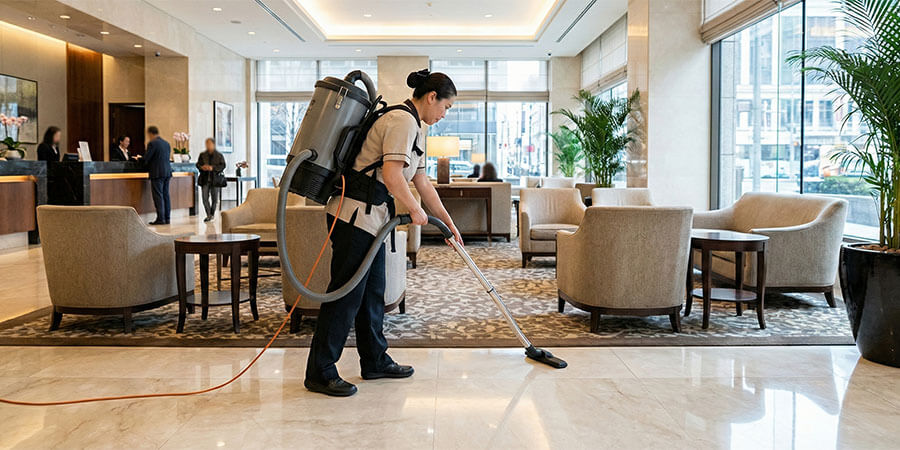
Start With Your Floors and Cleaning Needs
Source: gofoodservice.com

Start With Your Floors and Cleaning Needs

The first step in learning what to look for when buying a vacuum cleaner is to study your home. A vacuum that works well on thick carpet may feel awkward on hardwood. A small stick vacuum may be perfect for a studio but frustrating in a large home with pets.

Think about the surfaces you clean most often:

• Hardwood, tile, laminate, or vinyl

• Low-pile or high-pile carpet

• Area rugs

• Stairs

• Upholstery and curtains

• Car interiors

• Hard-to-reach corners

A home with mostly bare floors often benefits from a canister, stick, or robot vacuum with soft-brush settings. These designs can pick up dust without scattering larger particles across smooth surfaces.

Carpet needs a stronger brush roll. The brush roll agitates fibers and lifts dirt that suction alone may miss. If you have thick carpet, look for adjustable brush height or automatic height adjustment. This helps the vacuum glide instead of getting stuck.

Homes with pets need more than basic suction. Look for a sealed system, a tangle-resistant brush roll, and a motorized pet tool. These features help remove hair from rugs, stairs, sofas, and bedding.

Make a simple list before shopping:

  1. Which floor covers most of your home?

  2. Do you need to clean stairs?

  3. Do pets shed hair indoors?

  4. Does anyone have asthma or allergies?

  5. How often will you use the vacuum?

  6. Do you need one machine or a second quick-clean option?

A common mistake is buying the most popular vacuum instead of the most suitable one. The right choice should fit your home like a well-made shoe.

Choose the Right Vacuum Type
Source: honiture.com

Choose the Right Vacuum Type

Vacuum design affects reach, storage, weight, cleaning power, and convenience. Understanding the main types is central to what to look for when buying a vacuum cleaner.

Upright vacuums

Upright vacuums are popular in homes with large carpeted areas. They usually have strong brush action, a wide cleaning head, and a large dust cup or bag.

Benefits include:

• Strong carpet cleaning

• Wide floor head

• Large capacity

• Easy height adjustment on some models

Limitations include more weight and less flexibility on stairs. Some upright vacuums are also harder to use under beds and low furniture.

Canister vacuums

Canister vacuums place the motor and dust container in a separate unit. A flexible hose connects the body to the cleaning wand.

They are often excellent for mixed flooring. They can also be easier to carry up stairs and use with tools. However, the separate canister may need to be pulled behind you, which some people find inconvenient.

Stick vacuums

Stick vacuums are slim and light. Many are cordless and offer fast daily cleaning.

They work well for:

• Apartments

• Small homes

• Kitchen spills

• Light pet hair

Quick cleanups

Their limits are shorter battery life, smaller dust cups, and less deep-cleaning ability on thick carpet. Some premium cordless models perform very well, but they can cost more than full-size vacuums.

Robot vacuums

Robot vacuums can clean floors on a schedule with little effort. Many models map rooms, avoid some obstacles, and return to a charging dock.

They are useful for daily dust and crumb control. Still, they do not replace a full vacuum for stairs, upholstery, corners, or deep carpet cleaning. Cords, socks, pet toys, and clutter can also interrupt their work.

Handheld vacuums

Handheld models are made for small jobs. They are useful for cars, furniture, shelves, and crumbs.

They are not designed to clean an entire home. Think of one as a broom for small messes, not as your main floor-care machine.
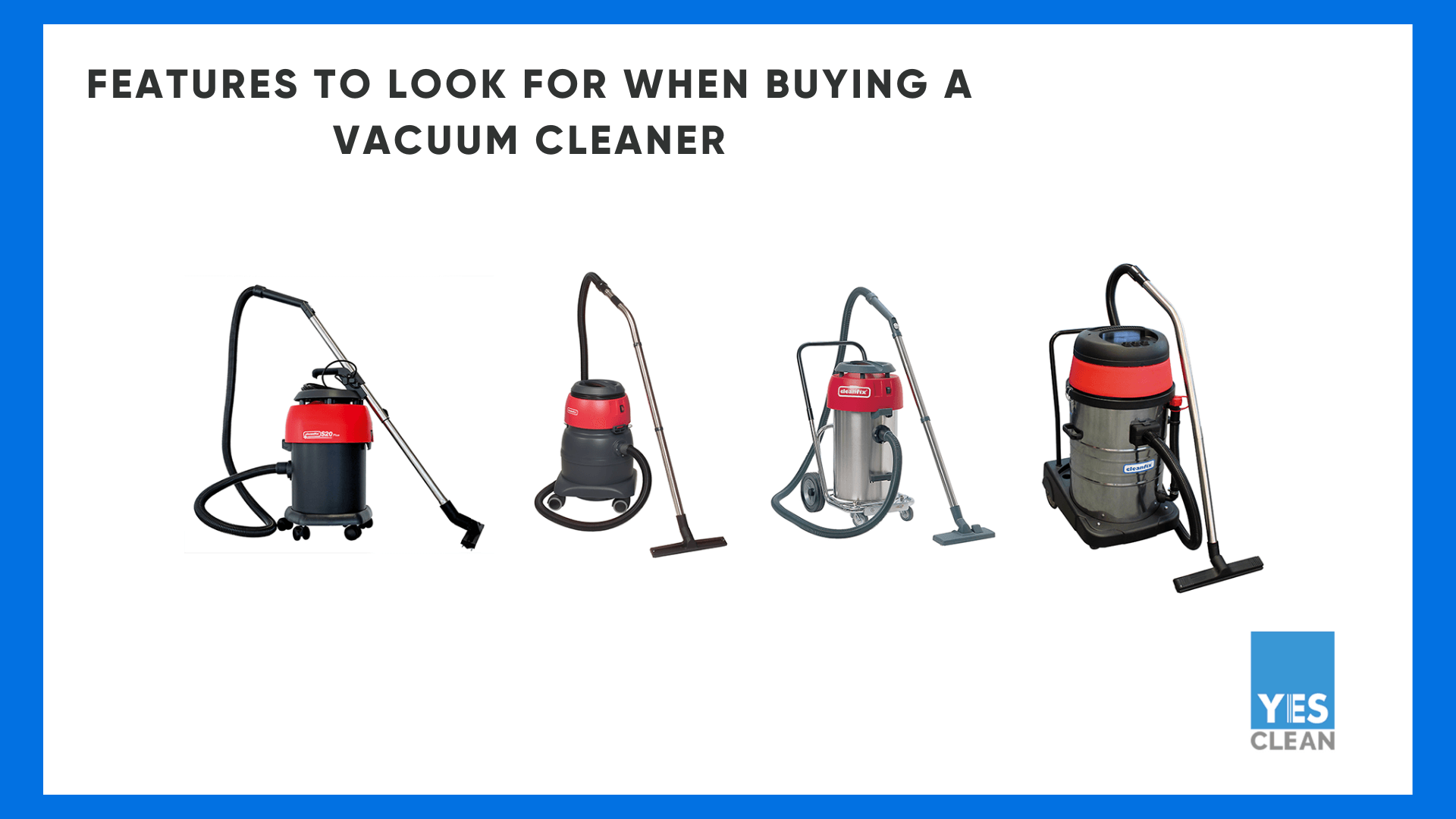
Check Suction, Airflow, and Brush Action
Source: yesclean.ae

Check Suction, Airflow, and Brush Action

Many shoppers focus on motor wattage. That number can be misleading. A higher wattage does not always mean better cleaning because performance also depends on airflow, nozzle design, seals, filtration, and brush action.

When deciding what to look for when buying a vacuum cleaner, pay attention to how the machine moves air from the floor into the dust container. Good airflow helps carry dirt through the hose and filter system.

A powered brush roll matters most on carpet. It loosens dust, hair, and grit trapped between carpet fibers. On hard floors, a soft roller or brush setting can reduce the risk of scratches and help collect fine dust.

Look for these useful features:

Adjustable suction for delicate rugs and curtains

• Automatic floor sensing

• Brush-roll shutoff for hard floors

• Height adjustment for carpet

• A wide, sealed floor head

• Strong edge cleaning near walls

A vacuum can have impressive suction at the hose but perform poorly at the floor head. This is why hands-on testing and independent cleaning tests are valuable. If possible, push the vacuum over several surfaces in a store. Check whether it feels smooth, pulls too hard, or leaves debris behind.

One lesson I’ve learned from comparing vacuum designs is that comfort and floor contact often matter more than a dramatic motor specification. A vacuum that seals well against the floor can clean better than one with a larger motor but poor airflow control.

Look for Effective Filtration
Source: sensitivechoice.com

Look for Effective Filtration

Filtration is one of the most important answers to what to look for when buying a vacuum cleaner, especially if you have allergies, asthma, children, or pets.

A vacuum does not simply collect dust. It also moves air through the room. If its filters and seals are poor, fine particles can escape through the exhaust.

A high-efficiency filter can capture very small particles. However, the filter works best when the whole vacuum is sealed. A filter labeled “HEPA” is helpful, but it does not guarantee that every part of the machine prevents leaks.

For better air control, look for:

• A sealed filtration system

• A washable or replaceable prefilter

• A genuine high-efficiency exhaust filter

• Clear instructions for filter care

• A bag or dust cup that closes securely

Bagged vacuums often have an advantage for allergy-sensitive users. The bag holds dust and can usually be removed with little exposure. Bagless models save money on bags, but emptying the dust cup may release a cloud of fine particles.

Do not wash a filter unless the manufacturer says it is washable. A wet or damaged filter can reduce airflow and harm the motor. Replace filters on the schedule listed in the manual, or sooner if they look blocked or smell musty.

Independent testing and indoor air guidance support the value of controlling fine particles, but no household vacuum can remove every airborne allergen. Regular cleaning, ventilation, and source control still matter.
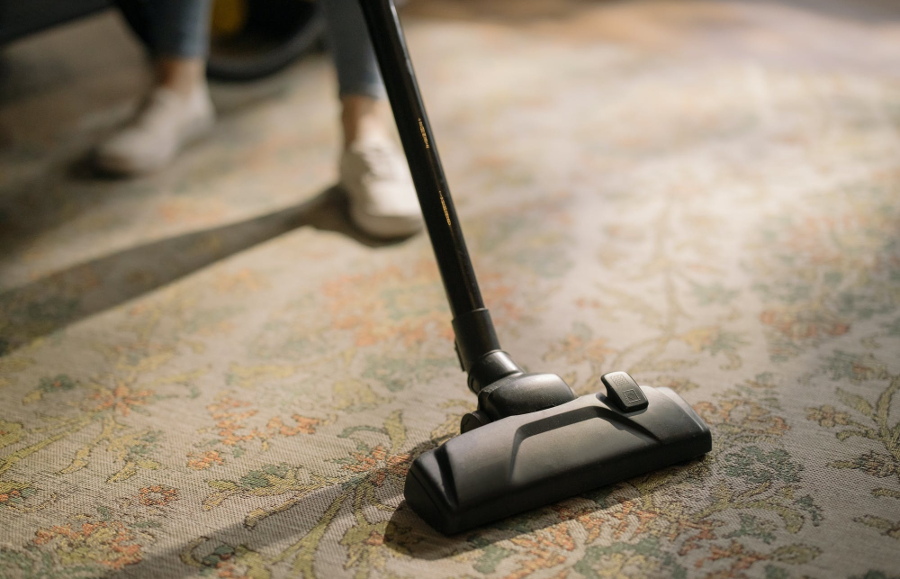
Compare Bags, Dust Cups, and Maintenance
Source: bostonapartments.com

Compare Bags, Dust Cups, and Maintenance

The collection system affects cost, hygiene, and performance. It is an easy detail to overlook when learning what to look for when buying a vacuum cleaner.

Bagged vacuums

Bagged machines collect dirt in a disposable bag. The bag acts as part of the filtration system on many models.

Advantages include:

• Less dust during emptying

• Larger capacity on many models

• Lower contact with debris

• More consistent hygiene for allergy concerns

The ongoing cost is replacement bags. You also need to keep extra bags at home.

Bagless vacuums

Bagless models use a removable dust cup. You do not buy bags, but you must empty and clean the cup.

Advantages include:

• No replacement bags

• Easy view of the dirt level

• Lower routine supply costs

Possible drawbacks include:

• Dust exposure during emptying

• More frequent filter cleaning

• Smaller dust capacity on some models
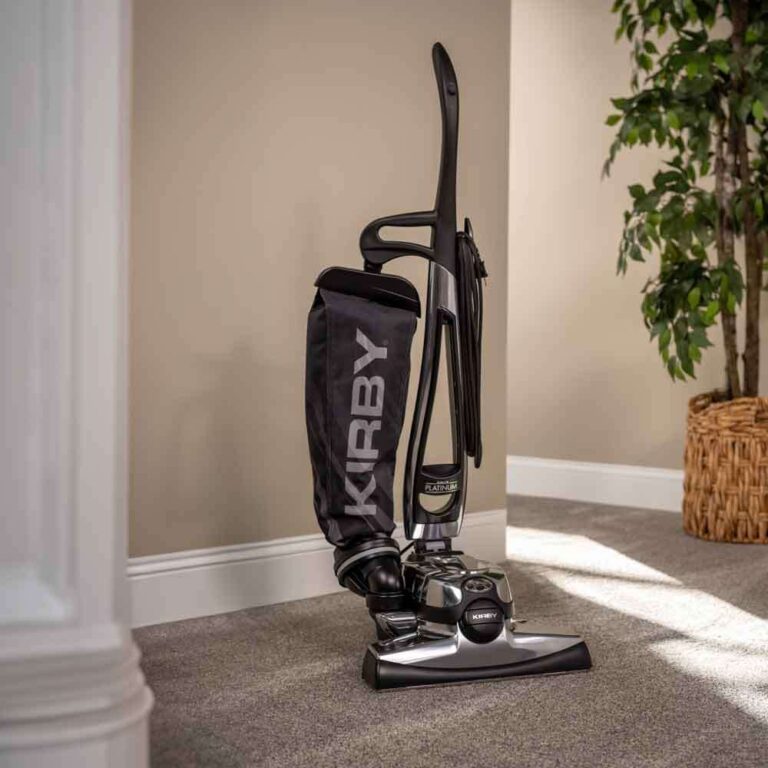
Reduced performance when filters become blocked

Check how easy the dust cup is to remove. Some designs open from the bottom, which helps keep your hands away from dirt. Others require you to reach into the cup to remove tangled hair.

Maintenance should take only a few minutes. If a vacuum requires complex disassembly every week, you may stop doing it. In my experience, the easiest vacuum to maintain is often the one that stays effective the longest.

Evaluate Weight, Noise, and Ease of Use
Source: consumerreports.org

Evaluate Weight, Noise, and Ease of Use

A vacuum can clean well and still be a poor choice if it hurts your back or annoys everyone in the house. Comfort is a major part of what to look for when buying a vacuum cleaner.

Check the total weight, not just the number shown on the box. A machine may feel heavier when you push it, lift it, or use it with a full dust cup.

Test these points if you can:

• Can you carry it up stairs?

• Can you steer it with one hand?

• Does the handle feel comfortable?

• Can it reach under furniture?

• Is the power button easy to access?

• Can you park or store it without tipping?

Noise also matters. Vacuum cleaners are rarely silent, but some are much easier on your ears than others. A quieter model may be worth the extra cost if you clean early in the morning, live in an apartment, or have a nervous pet.

Cordless models remove the need to manage a cord. Yet battery life can change with the cleaning mode, floor type, and age of the battery. Check the expected runtime in normal mode, not only the highest advertised number.

Also check charging time and battery replacement cost. A cordless vacuum may seem convenient until its battery lasts only a few minutes on the setting you use most.

Inspect Attachments and Special Features
Source: reddit.com

Inspect Attachments and Special Features

Attachments should solve real cleaning problems, not simply make the package look impressive. Ask which tools you will use before paying more for them.

Useful accessories may include:

• Crevice tool for narrow gaps

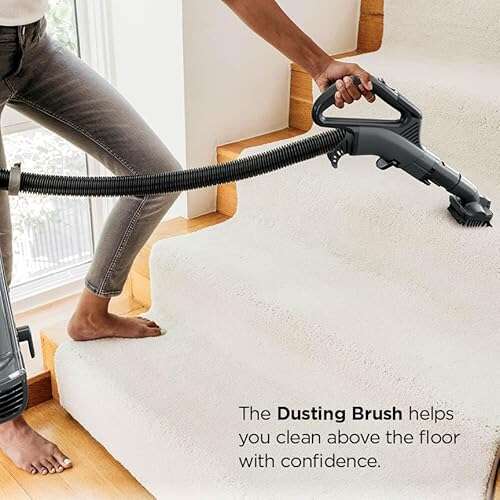
• Dusting brush for shelves and blinds

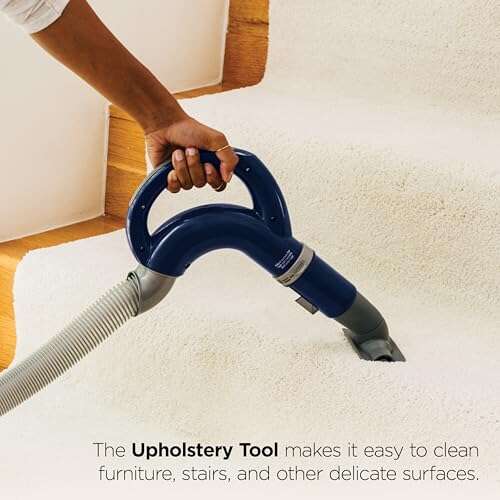
• Upholstery tool for furniture

• Motorized pet tool for hair

• Soft brush for delicate surfaces

• Extension wand for ceilings and curtains

• Bare-floor head for hard surfaces

A motorized pet tool is usually more effective on fabric than a plain suction-only nozzle. For homes with long-haired pets, a brush roll designed to resist tangles can reduce maintenance.

A flexible hose and telescoping wand improve reach. These features are especially helpful for stairs, ceiling corners, vents, and under furniture.

Smart features can be useful, but they are not always essential. Robot vacuums may offer mapping, app controls, room selection, and automatic dirt disposal. These options improve convenience but also add cost, software dependence, and more parts that may need repair.

Buy features that remove a daily problem. Skip features that sound clever but do not change how you clean.

Check Durability, Warranty, and Repair Support

Price is only one part of the total cost. A cheaper vacuum may cost more if it needs frequent replacement or becomes difficult to repair.

Before buying, check:

• Warranty length and coverage

• Availability of filters, belts, bags, and brush rolls

• Battery replacement options

• Repair centers in your area

• Customer support quality

• Return policy

• Expected service life

A long warranty does not guarantee perfect reliability. Read what it excludes. Batteries, belts, filters, and damage from blocked airflow may have limited coverage.

Look for a product manual before buying if one is available online. A clear manual often signals that the company expects owners to maintain the machine. It also lets you confirm the cost and availability of replacement parts.

For cordless models, battery service deserves special attention. A vacuum with a replaceable battery may last longer than one with a sealed battery, even if both perform similarly when new.

When considering what to look for when buying a vacuum cleaner, think five years ahead. Ask whether you can still buy the parts you need. A durable vacuum is not always the one with the highest price, but it should have strong construction, reliable support, and practical maintenance.

Set a Realistic Budget

Vacuum prices range from basic low-cost models to premium machines with advanced filtration and smart features. The best value depends on your needs.

A useful budget approach is:

• Basic budget: suitable for small spaces and light cleaning

• Mid-range budget: better tools, filtration, and floor performance

• Premium budget: stronger materials, advanced systems, or automated features

Do not pay extra for a feature you will not use. For example, a large home with thick carpet may benefit more from a powerful upright than from a compact robot vacuum. A small apartment with bare floors may need only a light stick vacuum.

Also include running costs. Consider bags, filters, belts, batteries, cleaning solution for some systems, and electricity. A low purchase price can become less attractive when replacement parts are expensive or hard to find.

Read reviews with care. Look for repeated comments about suction loss, battery aging, broken wheels, clogged filters, and difficult repairs. One angry review may reflect a rare issue, but a clear pattern deserves attention.

Avoid These Common Buying Mistakes

Knowing what not to do is just as helpful as knowing what to look for when buying a vacuum cleaner.

Choosing by motor power alone

Motor wattage does not show complete cleaning performance. Airflow, brush action, seals, and floor-head design also matter.

Buying a model that is too heavy

A heavy vacuum may clean well but remain unused because it is difficult to move. Convenience affects how often you clean.

Ignoring filter costs

A vacuum with a low price may require costly filters. Check replacement prices before buying.

Assuming robot vacuums replace all other tools

Robots are excellent for routine floor cleaning, but most homes still need a tool for stairs, furniture, corners, and deep cleaning.

Forgetting storage space

Measure the closet, charging area, and parking space. Some upright and canister models need more room than expected.

Skipping the return policy

A vacuum may feel different in your home than in a store. A good return policy gives you time to test it on your own floors.

Buying too many accessories

Extra tools can raise the price and create clutter. Choose attachments based on your actual cleaning tasks.

A Simple Vacuum Buying Checklist

Use this checklist before you place an order:

  1. Identify your main floor type.

  2. Choose a vacuum style that matches your home size and layout.

  3. Decide whether you prefer a bagged or bagless design.

  4. Check filtration if allergies or asthma are concerns.

  5. Look for brush-roll control and floor-height adjustment.

  6. Compare real-world battery runtime for cordless models.

  7. Test the weight, steering, handle, and reach.

  8. Confirm the dust cup or bag capacity.

  9. Check noise and storage needs.

  10. Price filters, bags, batteries, and other replacement parts.

  11. Read the warranty and return policy.

  12. Confirm that essential attachments are included.

  13. Look for independent performance testing when available.

  14. Choose a model that you will use often, not simply the one with the longest feature list.

This process takes a few minutes but can prevent an expensive mistake. The goal is not to find the strongest vacuum in the store. The goal is to find the strongest match for your home.

Frequently Asked Questions About What to Look for When Buying a Vacuum Cleaner

What is the most important thing to look for when buying a vacuum cleaner?

Match the vacuum to your floor type, home size, and cleaning needs. Strong filtration, easy handling, useful tools, and available replacement parts also matter.

Is higher suction power always better?

No. Cleaning performance also depends on airflow, seals, brush action, and the design of the floor head. Excessive suction can even make some rugs difficult to move across.

Are bagged vacuums better for allergies?

Bagged vacuums can reduce dust exposure when you empty them. For the best result, choose a model with a sealed system and high-efficiency filtration.

Which vacuum type is best for pet hair?

An upright or canister vacuum with a powered brush roll often works well for deep carpet and pet hair. A tangle-resistant brush and motorized upholstery tool are useful extras.

Are cordless vacuums worth buying?

Cordless vacuums are convenient for quick cleaning and small spaces. Check normal-use runtime, charging time, battery replacement options, and dust-cup size before buying.

How often should vacuum filters be replaced?

The correct schedule depends on the model and how often you use it. Clean washable filters as directed, and replace disposable filters when the manual recommends or when airflow remains weak after cleaning.

Can a robot vacuum replace a regular vacuum?

Usually, no. A robot vacuum can handle regular floor dust and crumbs, but a full-size vacuum is still useful for stairs, furniture, edges, corners, and deep cleaning.

Conclusion

The best way to understand what to look for when buying a vacuum cleaner is to begin with your home, not a brand name. Consider your floors, pet hair, allergies, storage space, comfort, filtration, maintenance, and long-term costs. Suction matters, but it is only one part of a vacuum’s performance.

A well-chosen vacuum should make cleaning easier, not create another chore. Use the checklist, compare real-world features, and select a model that fits your daily routine. Explore more home-care guides, and share your own vacuum-buying lessons in the comments.

Similar Posts

Leave a Reply

Your email address will not be published. Required fields are marked *