Who Makes Kirkland Coffee: The Brands Behind The Beans
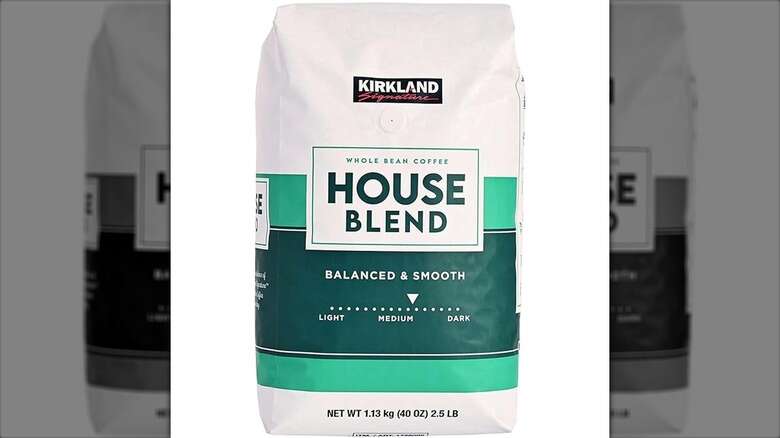
Kirkland coffee is made by different coffee roasters, depending on the blend, origin, and package.
The answer to who makes Kirkland coffee is more complex than many shoppers expect. Costco owns the Kirkland Signature brand, but it usually works with outside coffee companies to roast and package each product. This guide explains the known supplier links, why the answer can change, and how to identify the maker of the bag in your kitchen.
Who makes Kirkland coffee?
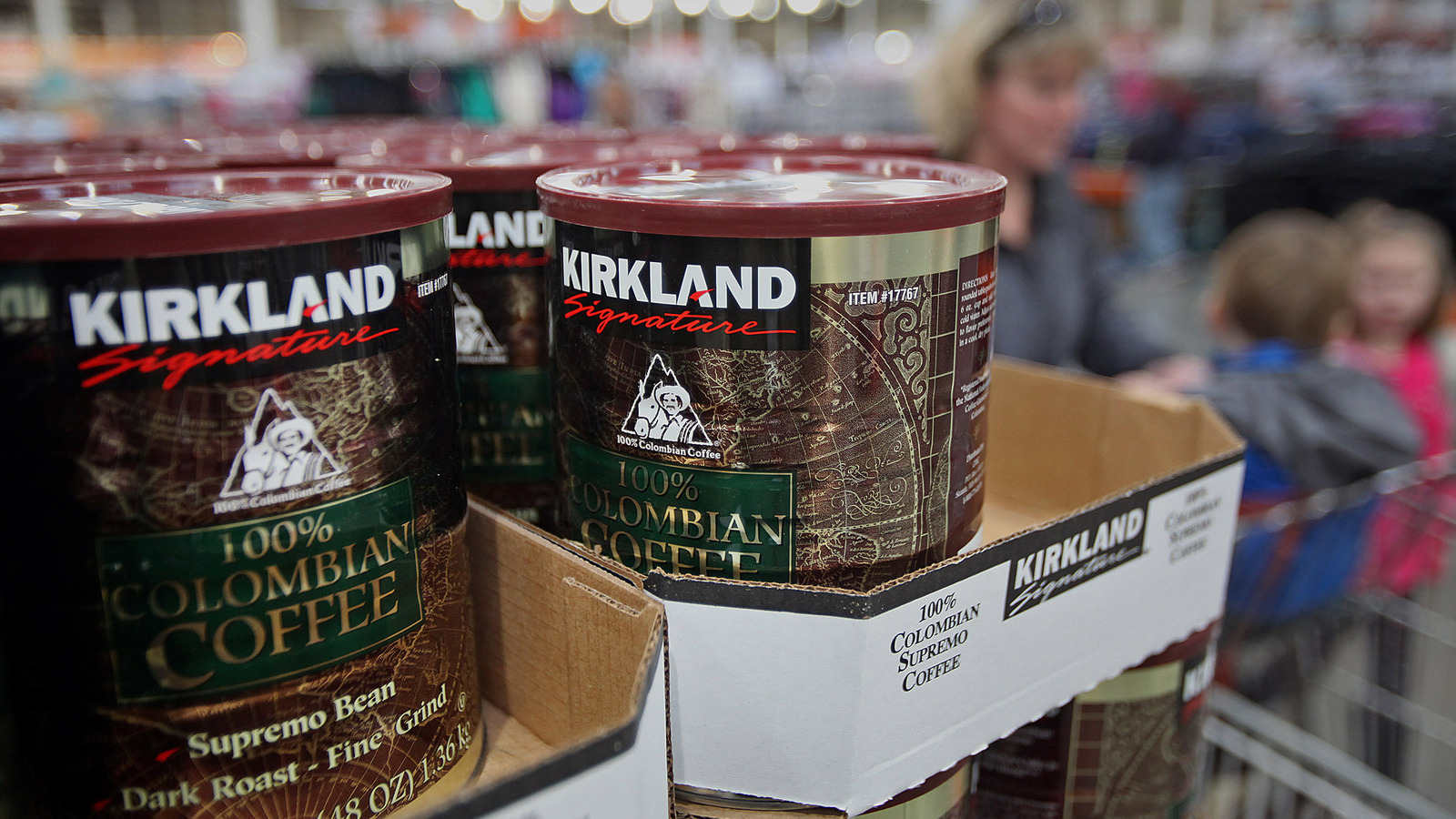
Kirkland coffee is a private-label product sold by Costco Wholesale. Costco creates the brand, chooses product standards, and sells the coffee, but it does not publicly identify one single roaster for every Kirkland coffee product.
Instead, Costco uses different suppliers for different coffees. The supplier may change by:
• Coffee type, such as whole bean, ground, or pod coffee
• Origin, such as Colombia, Guatemala, or Ethiopia
• Roast level
• Package size
• Production year
• Region or manufacturing facility
This means there is no single answer to who makes Kirkland coffee. The most accurate answer is that several coffee companies have produced Kirkland Signature coffee over time.
Some Kirkland coffees have been strongly linked to Starbucks. This is especially true for certain older Kirkland Signature whole bean and ground coffee products. However, not every Kirkland coffee is Starbucks coffee, and a Starbucks connection does not apply automatically to every current package.
Is Starbucks the company behind Kirkland coffee?
Starbucks has been widely associated with some Kirkland Signature coffee products. For years, coffee fans noticed similarities between certain Kirkland roasts and Starbucks products. Some industry reports and package comparisons also linked specific Kirkland coffee lines to Starbucks roasting facilities.
That does not mean Starbucks makes all Kirkland coffee. It also does not mean every Kirkland product uses the same beans or recipe as a Starbucks retail bag.
The relationship may also change over time. Private-label contracts are business agreements, and retailers can move production to another supplier when they seek a different price, flavor, supply chain, or product specification.
A useful way to think about this is to compare Kirkland coffee to a store-brand loaf of bread. The supermarket sets the brand and product requirements, but one bakery may produce several versions. The same store brand may later move to another bakery without a large public announcement.
Costco generally focuses on the Kirkland label rather than promoting the manufacturer. That approach gives the retailer more flexibility, but it also creates confusion for customers searching for who makes Kirkland coffee.
Which companies have made Kirkland coffee?
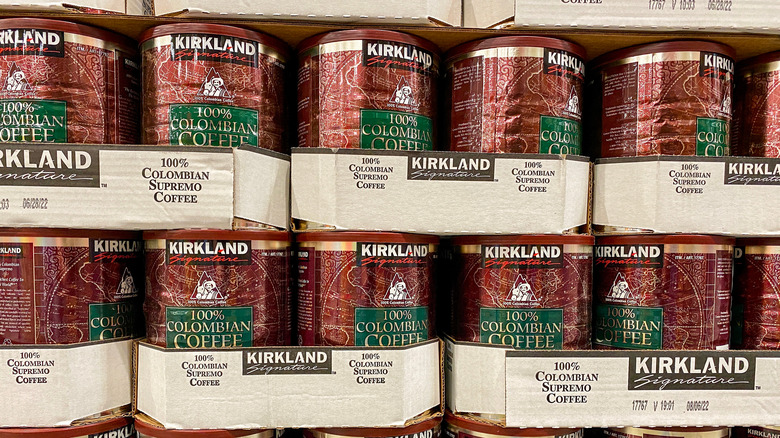
The answer depends on the product. Starbucks is the best-known company connected to some Kirkland coffee, but it is not the only supplier reported across the brand’s history.
Other coffee manufacturers and roasters may produce Kirkland products under contract. Costco may also source beans from different importers, roasting partners, and packaging facilities. The company does not maintain one public master list that identifies the supplier for every Kirkland coffee item.
Some products may be made by:
• Large commercial coffee roasters
• Specialty coffee companies
• Regional roasting facilities
• Suppliers that roast and package coffee for several retail brands
• Manufacturers that produce single-serve coffee pods
A package may list the country of origin, the distributor, or the packing company instead of naming the actual roaster. “Distributed by Costco” does not necessarily mean Costco roasted the coffee.
The most reliable answer for a specific product comes from the package itself, customer service, or a current product record. Online forums can offer useful clues, but they may rely on older bags or assumptions based on taste.
How to find the maker of your Kirkland coffee
If you want to know who makes Kirkland coffee in your home, start with the bag or box. Look closely at the fine print near the barcode, nutrition panel, or bottom seal.
Use these steps:
- Find the product name and roast description.
- Write down the item number, often called an item or SKU number.
- Check for phrases such as “roasted by,” “manufactured by,” or “packed for.”
- Record the lot code and best-by date.
- Contact Costco customer service with those details.
- Ask whether the supplier has changed since your previous purchase.
The lot code can matter because one production run may not use the same facility as another. This is especially helpful when the flavor changes or when a customer wants to report a packaging issue.
You can also compare the bag with a current Costco warehouse listing. Be careful with old product reviews, though. A review from several years ago may describe a different supplier, roast formula, or bean blend.
In my experience reviewing private-label food products, the biggest mistake is treating a familiar taste as proof of a specific manufacturer. Flavor can change because of the bean crop, roast date, storage, or brewing method. Taste is a clue, not legal proof.
Why does Costco use outside coffee makers?
Costco uses outside manufacturers because private-label production is efficient. A retailer can set its own product goals without building and operating a roasting plant for every type of coffee.
This model can offer several benefits:
• Lower operating costs
• Access to established roasting equipment
• Better supply during high demand
• Ability to offer coffee from several regions
• More control over package size and retail price
• Faster changes to blends and roast styles
Costco also has significant purchasing power. Its large sales volume can help it negotiate competitive prices while keeping the Kirkland Signature brand affordable.
However, private-label sourcing has limits. The supplier may change, and the packaging may not clearly reveal the roaster. Customers who want a stable farm, mill, or roasting partner may prefer a specialty coffee brand with full supply-chain details.
This does not automatically make Kirkland coffee lower quality. It simply means the brand’s supply chain is less transparent than that of many specialty roasters.
Does Kirkland coffee taste like Starbucks?
Some Kirkland coffee may taste similar to Starbucks coffee, especially products that share a roast profile or may have been produced by a related supplier. Dark roasting can create familiar notes such as smoke, toasted sugar, cocoa, and low acidity.
Still, taste alone cannot confirm who makes Kirkland coffee. Several roasters can create a similar flavor by using comparable beans and roast temperatures.
Coffee flavor depends on many factors:
• Bean variety
• Growing region
• Crop year
• Processing method
• Roast level
• Time since roasting
• Grind size
• Water quality
• Brewing temperature
For example, a dark roast brewed in a drip machine may taste softer than the same coffee prepared in a French press. A stale bag may taste flat even if it came from an excellent roaster.
If you prefer a bold, low-acid cup, a Kirkland dark roast may suit you. If you like floral or fruit notes, look for a lighter roast or a single-origin product rather than judging the whole Kirkland range by one dark blend.

Is Kirkland coffee good quality?
Kirkland coffee can offer good value, but quality varies by product. The brand sells several coffee styles, and they are not all made to the same standard.
A good package should provide useful details such as:
• Bean origin
• Roast level
• Whole bean or ground format
• Net weight
• Best-by date
• Storage instructions
• Organic or fair-trade claims, when applicable
The best-value choice depends on how quickly you use the coffee. Large bags cost less per ounce, but coffee loses freshness after opening. If you drink only one cup a day, a smaller package may deliver better flavor even if the unit price is higher.
Keep the bag sealed and store it in a cool, dry cabinet. Avoid the refrigerator, where moisture and food odors can damage the coffee. Divide a very large bag into airtight portions if you cannot finish it soon.
Kirkland coffee is often a practical choice for offices, families, and regular coffee drinkers. It may not satisfy someone seeking detailed farm-level traceability, a recent roast date, or a highly distinctive specialty profile.
Does Kirkland coffee use Arabica beans?
Many Kirkland Signature coffees are marketed as Arabica coffee. Arabica is a coffee species known for a wide range of flavors and, in many cases, a smoother taste than Robusta.
The word “Arabica” alone does not guarantee excellent coffee. Quality also depends on the bean grade, harvest, storage, roast, and preparation. A well-roasted blend can taste balanced, while poorly stored Arabica beans can taste dull.
Some Kirkland products may use certified organic or fair-trade coffee. Certification claims apply to the specific product, not the entire Kirkland coffee range. Always check the package instead of assuming that every Kirkland coffee has the same certification.
This distinction is important when researching who makes Kirkland coffee. The roaster, bean source, certification, and Costco brand owner are separate parts of the supply chain.
How Kirkland coffee compares with other brands
Kirkland coffee competes mainly on value and convenience. A large bag can offer a lower cost per cup than many national brands, especially for households that drink coffee every day.
Compared with Starbucks retail coffee, Kirkland may have:
• A lower price per ounce
• Fewer details about the exact roaster
• Similar flavor in some products
• Different freshness depending on warehouse turnover
• More variation between product lines
Compared with specialty coffee, Kirkland usually offers:
• Less information about the farm and producer
• A broader, more familiar roast style
• Larger package sizes
• Lower cost
• Less emphasis on roast-date transparency
Compared with small local roasters, Kirkland may be easier to find but less distinctive. Local roasters often roast in smaller batches and provide more direct information about the beans.
The right choice depends on your priorities. If price and easy access matter most, Kirkland can be a strong option. If traceability and a recent roast date matter most, a specialty roaster may be worth the extra cost.
Common mistakes when buying Kirkland coffee
Shoppers often make a few simple mistakes when trying to identify or judge Kirkland coffee.
• Assuming every Kirkland coffee is made by Starbucks
• Treating an old online review as proof of the current supplier
• Ignoring the roast date or best-by date
• Buying a large bag without considering daily use
• Storing the coffee in a warm or humid place
• Comparing ground coffee with freshly ground beans
• Believing a similar taste proves the same manufacturer
The safest approach is to compare the exact product name, package size, item number, and date code. Even a small change in the label may indicate a new formula or supplier.
I also recommend buying one bag before committing to a large case. Coffee preference is personal, and warehouse value does not help if the roast is too dark, too bitter, or too mild for your taste.

Frequently asked questions about who makes Kirkland coffee
Who makes Kirkland coffee?
Different outside coffee roasters make Kirkland coffee for Costco. Starbucks has been linked to some Kirkland products, but it does not make every Kirkland coffee.
Is all Kirkland coffee made by Starbucks?
No. Some Kirkland coffees have been associated with Starbucks, but Costco uses multiple suppliers and can change contracts. Check the exact package or contact Costco for the most accurate current information.
Does Costco roast Kirkland coffee?
Costco owns the Kirkland Signature brand, but it is not generally known as the company that roasts every Kirkland coffee product. Outside manufacturers usually handle roasting and packaging.
How can I identify the supplier of my Kirkland coffee?
Look for “roasted by,” “manufactured by,” or “packed for” language on the package. You can also give Costco customer service the item number, lot code, and best-by date.
Is Kirkland coffee made in the United States?
Many Kirkland coffee products are roasted and packaged in the United States, but the beans come from coffee-growing countries around the world. Check the package for the manufacturing and origin details of the specific product.
Is Kirkland coffee good for everyday use?
Kirkland coffee can be a good everyday choice for people who want convenient coffee at a competitive price. Quality and flavor vary, so choose the roast that matches your taste and buy a size you can use while it is fresh.
Why did my Kirkland coffee taste different from an older bag?
The supplier, blend, crop, roast, storage conditions, or brewing method may have changed. Compare the product number and package details before assuming the entire Kirkland coffee line has changed.
Conclusion
Kirkland coffee is made by different contracted coffee suppliers, not one permanent manufacturer. Starbucks has been connected to some products, but Costco can use other roasters and change suppliers over time.
The best way to learn who makes Kirkland coffee is to inspect the exact package, note its item and lot numbers, and confirm details with Costco when needed. Compare freshness, roast style, price, and your own taste before buying the largest bag. Use these steps on your next warehouse trip, and share your favorite Kirkland coffee product or supplier clue in the comments.

Liora Pennings is a seasoned chef and kitchen enthusiast with a passion for turning everyday cooking into an effortless experience. With years of hands-on culinary expertise, she specializes in practical techniques, ingredient know-how, and smart kitchen solutions that help home cooks elevate their meals. At KitchFlair.com, Liora shares her best tips, time-saving tricks, and honest product reviews to guide readers toward a more efficient, enjoyable, and inspired cooking routine. Whether you’re a beginner or a seasoned home chef, Liora’s friendly, knowledge-packed insights make every visit to the kitchen a little easier—and a lot more delicious.