Best Coffee Maker For Backpacking: Top Lightweight Picks
The best coffee maker for backpacking is light, tough, simple to clean, and easy to use near any camp stove.
You wake before sunrise, pull on a damp jacket, and watch the trail turn gold. Then you remember the coffee problem: your kitchen is miles away, your pack is full, and there is no outlet in sight. A good backpacking coffee maker solves that small but important need without adding much weight or mess. I compared compact pour-over drippers, presses, percolators, and portable espresso makers for 2026. The right choice depends on your group size, brew style, cleanup needs, and how much weight you can spare.
Attsky Collapsible Pour Over Dripper
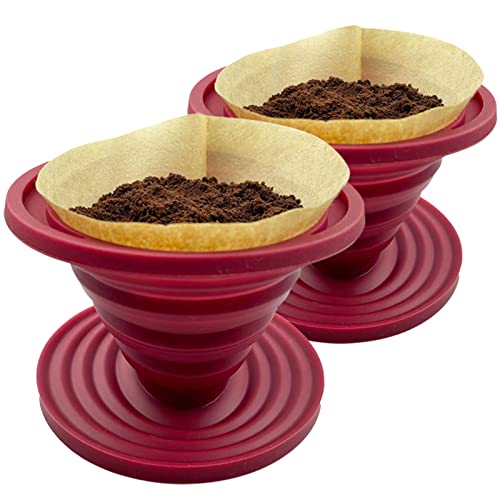
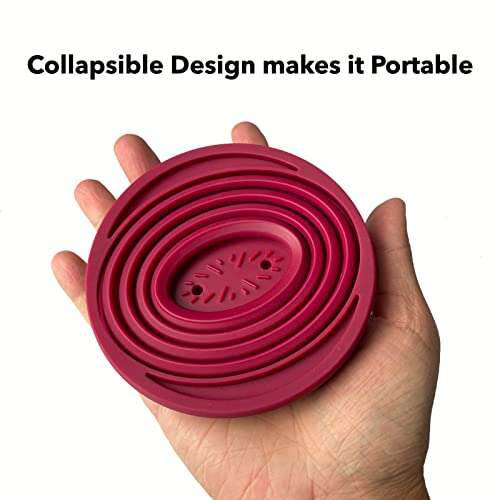
The Attsky collapsible pour-over dripper is a smart pick for hikers who want fresh coffee with very little gear. This two-pack design lets two people brew at the same time, or it gives you a spare for another trip. The flexible body folds flat, so it can slip into a side pocket or a small cook kit. It works with common paper filters and a mug or camp cup.
I like this style because the process feels calm and familiar. Heat water, wet the grounds, and pour in slow circles. The open design also makes it easy to see the coffee bed and control the brew speed. Like most pour-over tools, it needs a steady cup and a little care on uneven ground, but it creates a clean, bright cup with almost no moving parts.
Pros:
- Two drippers support shared morning coffee
- Collapsible shape saves valuable pack space
- Simple design has no pump or glass parts
- Works with standard paper coffee filters
- Easy to rinse after a short trail stop
- Lightweight format suits day hikes and overnights
Cons:
- Requires separate paper filters
- Needs a mug or cup to hold the dripper
- Pour-over brewing takes more attention than instant coffee
Odoland 1.2L Camping Coffee Pot Set

The Odoland camping coffee pot is built for campers who want more than one cup. Its 1.2-liter capacity can serve a small group, while the included mug and filter help reduce the number of loose items in your kitchen bag. This is more of a camp coffee set than a tiny solo brewer. It fits best in a base camp, car-camping setup, or backpacking trip where shared gear matters more than the lowest possible weight.
A larger pot can make breakfast feel much easier when the whole camp wakes up hungry. I would heat water over a compatible camp stove, brew according to the included system, and pour into mugs. The pot format is also useful for hot water beyond coffee, such as tea, soup, or oatmeal. Check the maker’s care directions and your stove setup before heating any component directly.
Pros:
- Large 1.2-liter capacity serves several campers
- Includes a mug and coffee filter for better packing
- Useful for coffee, tea, soup, and hot water
- Camp-pot design suits group breakfasts
- Reduces the need for several separate brewing tools
- Practical choice for base camps and vehicle-supported trips
Cons:
- Heavier and bulkier than a single-cup dripper
- Less suitable for strict ultralight backpacking
- Large volume may waste fuel for one person
Elite Gourmet Personal Single-Serve Coffee Maker

The Elite Gourmet EHC111A is a compact electric coffee maker for travel, offices, dorms, and powered camping areas. It brews into a small cup or travel mug and uses a familiar single-serve format. The narrow body takes little counter space, which makes it handy in an RV or cabin. Still, it is not a true wilderness brewer because it needs a safe electrical supply.
I would choose this model for a campground with power, an RV, or a work trip rather than a remote backpacking route. It removes the guesswork from pour-over technique and gives a quick personal serving. Before packing it outdoors, protect it from rain, drops, and rough transport. Never connect an indoor appliance to an unsafe campsite power source or improvised battery system.
Pros:
- Compact footprint works well in small spaces
- Single-serve design avoids making a full pot
- Simple electric operation feels familiar
- Good fit for RVs, cabins, offices, and dorm rooms
- Can pair with a personal mug for easy serving
- Useful for travelers who want a home-style routine
Cons:
- Requires electricity, so it is not wilderness-ready
- Not ideal for ultralight backpacking
- Needs careful protection from water and impact
Yanyole Stainless Steel Pour-Over Dripper

The Yanyole dripper uses a reusable stainless steel filter instead of disposable paper. That makes it attractive to hikers who want less trash and fewer consumables in the pack. Its small single-cup shape fits over many mugs and camp cups. Stainless steel also handles trail use better than a delicate ceramic brewer.
The mesh filter allows more coffee oils into the cup than paper usually does. As a result, the brew can taste fuller and may contain a little sediment, especially with finely ground coffee. I suggest a medium grind and a gentle pour to help prevent clogging. After use, tap the grounds into an approved waste bag and rinse the filter away from streams and lakes.
Pros:
- Reusable filter reduces paper waste
- Stainless steel construction suits travel use
- Small size adds little bulk to a cook kit
- Creates a rich cup with more natural coffee oils
- No electricity, battery, or special pod is needed
- Works well for solo hikers and short trips
Cons:
- Fine grounds can pass through the mesh
- Metal mesh needs a thorough rinse
- One-cup capacity may not suit groups
Coghlan’s 4-Cup Stainless Steel French Press

Coghlan’s stainless steel French press gives camp coffee fans a sturdy way to brew about 32 ounces. Its steel body is better suited to a rough trail than glass, and the folding handle helps with storage. The maker is listed for campfire and stovetop use, which makes it useful around a camp kitchen. Its fine mesh plunger keeps the process familiar for anyone who uses a French press at home.
This press works best when you have time to let the grounds steep. Add coarse coffee, pour in hot water, wait several minutes, and press slowly. The larger size can serve two people or provide a generous first cup for one tired hiker. I would pack it for a group trip, but a solo ultralight traveler may prefer a smaller titanium press or simple drip cone.
Pros:
- Durable stainless steel body resists trail bumps
- Large 32-ounce capacity suits two campers
- Folding handle improves pack storage
- Fine mesh filter needs no paper filters
- Campfire and stovetop use add cooking flexibility
- French press method produces a bold, full cup
Cons:
- Bulkier than a small pour-over dripper
- Wet grounds take more work to remove
- Metal can stay hot after brewing
zxfcfo Portable Espresso Maker
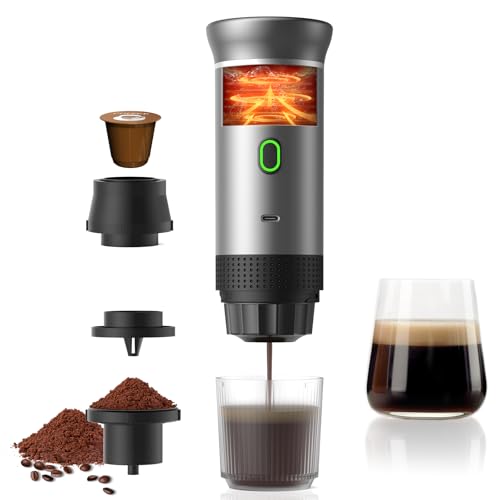
The zxfcfo portable espresso maker is for coffee drinkers who want a concentrated shot on the road. Its travel design includes a small cup and supports ground coffee plus compatible capsule use, according to the product listing. That flexibility can help when you switch between packed grounds and ready-to-use capsules. It is especially appealing for RV travel, car camping, offices, and hikes where pack weight is not the only concern.
Portable espresso makers need more care than a drip cone. You must measure the coffee, add water, and create enough pressure for the desired shot. Read the included instructions before your first trip, since pressure methods and capsule fit can vary by model. I would also carry a small cleaning cloth and a sealed bag for used grounds or capsules.
Pros:
- Produces concentrated coffee for espresso-style drinks
- Supports ground coffee and compatible capsules
- Includes a small cup for travel serving
- Compact format suits cars, RVs, and offices
- Offers a richer alternative to basic camp coffee
- Good option for hikers who value espresso flavor
Cons:
- Requires more steps than pour-over brewing
- Capsule compatibility needs careful checking
- Small parts can be easy to lose outdoors
Bestargot 750ml Titanium French Press Pot

The Bestargot titanium pot combines a cooking pot with a French press. That two-in-one approach can save space for backpackers who already carry a small stove and want fewer separate items. Its 750-milliliter capacity is suited to one large serving or two smaller cups. Titanium is known for being light, strong, and useful for backcountry cookware.
This is the kind of tool I would consider when every ounce matters. You can heat water in the pot, brew coffee, and pack the press parts together after cleaning. Titanium heats quickly, so use a controlled flame and watch the pot closely. The compact volume also helps reduce fuel waste compared with boiling a large group pot for one person.
Pros:
- Combines a pot and French press in one tool
- Titanium design supports lightweight packing
- 750-milliliter size fits solo or duo use
- Can heat water directly on a compatible stove
- Saves room in a minimalist cooking kit
- Strong material suits regular backcountry trips
Cons:
- Smaller than a group-size coffee pot
- Titanium may develop hot spots over a strong flame
- Press components need care during cleaning and packing
GSI Outdoors 3-Cup Percolator

The GSI Outdoors 3-cup percolator brings the classic camp coffee method to a compact stainless steel pot. Its three-cup capacity is a useful middle ground for one or two coffee drinkers. The Glacier Stainless steel body is made for outdoor cooking, and the silicone handle helps with handling around a hot stove. It is stove-safe and needs no electricity.
Percolator coffee has a deep, bold taste that many campers associate with early mornings outdoors. I suggest using a medium grind and keeping the heat moderate so the coffee does not turn harsh. The lid and basket add a few parts, but they store inside the pot during transport. This is a strong choice for traditional camp kitchens, hunting trips, and small groups.
Pros:
- Classic percolator method creates bold coffee
- Three-cup size works well for one or two people
- Stainless steel body handles outdoor cooking
- Silicone handle improves grip near heat
- Stove-safe design needs no power source
- Internal parts can store inside the pot
Cons:
- Heavier than a basic drip cone
- Percolation can over-extract coffee if overheated
- Hot metal requires careful handling
GSI Outdoors Ultralight Java Drip

The GSI Outdoors Ultralight Java Drip is one of the simplest ways to brew coffee on a trail. It is made for pour-over brewing and hangs or rests over a mug while water passes through the grounds. The compact design adds very little to a backpack. For hikers who count ounces, this style is often more appealing than a press or metal pot.
I find a drip cone works best when paired with a small kettle or a pot with a controlled spout. You do not need perfect technique, but a slow pour gives more even extraction. Paper filters help keep cleanup quick and prevent loose grounds from spreading around camp. Follow Leave No Trace habits by packing out filters and grounds instead of leaving them near the campsite.
Pros:
- Very light for backpacking and fastpacking
- Small shape takes little space in a pack
- Simple brew method is easy to learn
- Paper filters make cleanup quick
- No glass, battery, or pump can fail
- Good for clean, bright coffee flavor
Cons:
- Usually makes one cup at a time
- Needs paper filters and a separate hot-water pot
- Wind and uneven ground can affect the pour
MACIFECI 16-Ounce Camping Pour-Over Maker
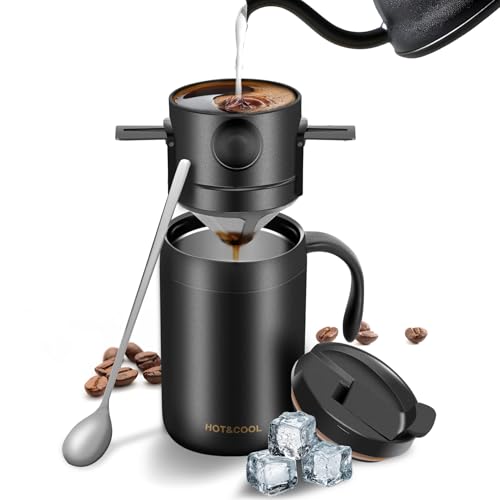
The MACIFECI camping coffee maker is sized for a 16-ounce serving, which gives solo hikers more coffee than a tiny espresso cup. Its pour-over format keeps the brew process simple and avoids batteries or electrical cords. The black travel design fits camping, offices, road trips, and backpacking. It can be a practical middle ground between a one-cup cone and a larger camp pot.
A 16-ounce brew can serve one thirsty hiker or two people who want smaller cups. I would use a medium grind, hot water just off the boil, and a slow pour for a balanced result. The larger serving size may require a taller mug or a stable pot, so test the fit at home first. As with any outdoor coffee gear, let hot parts cool before packing them away.
Pros:
- 16-ounce capacity suits a full personal serving
- Pour-over method needs no power source
- Useful for both trails and office travel
- Simple shape is easy to pack and understand
- Can make more coffee than many single-cup drippers
- Good balance between solo use and sharing
Cons:
- May need a larger mug than compact drippers
- Pouring technique affects the final taste
- Filter and grounds disposal still require planning
My Recommendation
After comparing these options, I would choose the GSI Outdoors Ultralight Java Drip for most serious backpackers. It keeps weight and bulk low, has no fragile glass, and makes a clean cup with a little practice. The Bestargot titanium press is my alternate pick for hikers who want a pot and brewer in one. For groups, the Coghlan’s stainless steel press or GSI percolator makes more sense.
The best coffee maker for backpacking should match your route, not just your taste. Choose a lightweight drip tool for long miles, a titanium press for compact cooking, or a larger pot for shared camp mornings. I also recommend weighing the complete system, including filters, coffee, mug, and stove fuel. That honest check prevents a “small” coffee maker from becoming a heavy morning kit.
| Best for | Why |
|---|---|
| Ultralight solo hikers | GSI Ultralight Java Drip adds very little weight and cleans fast. |
| Solo hikers who want cookware too | Bestargot Titanium Pot combines hot-water cooking and French press brewing. |
| Small groups and camp kitchens | Coghlan’s press or GSI percolator makes several servings with a bold flavor. |
How I Evaluate a Backpacking Coffee Maker
I do not judge outdoor coffee gear by flavor alone. A brewer may make excellent coffee at home and still fail on a windy ridge. I look at total weight, packed size, heat safety, cleanup, durability, and the number of extra pieces it needs. I also consider how much water and fuel a method uses.
For long trips, simplicity often wins. A paper-filter dripper has fewer parts than a press and fewer parts than an espresso system. A pot brewer can earn its space when it also boils water for meals. The best coffee maker for backpacking is the one you will actually use when you are cold, tired, and ready to start walking.
Pour-Over vs. French Press for Backpacking
Pour-over coffee is usually lighter and cleaner. Paper filters catch most fine grounds, and the brewer can fold or nest inside another cup. The trade-off is that you need to pour with some care. A narrow stream and steady hand help the grounds brew evenly.
French press coffee tastes heavier and needs less pouring skill. You add water, wait, and press. However, wet grounds remain in the pot, and the press can be bulkier. A titanium French press helps solve the weight issue, while a steel press offers more room for two people.
My simple rule is this: choose pour-over for miles and French press for comfort. If you hike alone and count every ounce, a drip brewer is hard to beat. If you share coffee or want a richer cup, a press may feel worth the extra weight.
Percolator vs. Drip Coffee on the Trail
A percolator creates a strong, classic cup and can serve more than one person. It also doubles as a camp pot in some cooking systems. You need a stove and a little time, but the method feels natural beside a fire or picnic table.
Drip coffee uses less gear and usually weighs less. It is a better fit when your stove only boils a small amount of water for one meal. It also gives you more control over brew strength if you pour slowly.
Neither method is right for every trip. A percolator belongs in a relaxed camp kitchen. A small drip maker belongs in a pack built for distance. Match the coffee ritual to the type of adventure.
What to Pack With Your Coffee Maker
A coffee maker is only one part of the system. I pack pre-measured ground coffee in a sealed bag, a mug, a small spoon, and a way to heat water. For pour-over brewing, I add the correct paper filters. For a reusable mesh filter, I bring a small waste bag so I can remove wet grounds neatly.
Water temperature matters, but you do not need a thermometer on most trips. Let boiling water rest for a short time before pouring. This helps reduce the chance of scorching the coffee. If the wind is strong, shield the stove and keep the mug on level ground.
Keep all coffee items away from food storage when you leave camp. Coffee has a strong scent and can attract animals when mixed with sugar, cream, or food waste. Follow local rules and current land-management guidance. A clean campsite protects wildlife and makes the next morning better for everyone.
How Much Coffee Should You Use?
A useful starting point is about one to two level tablespoons of ground coffee for a standard cup. The exact amount depends on the grind, roast, water volume, and your taste. Strong dark roasts may need less coffee than a mild light roast. I suggest testing your recipe at home before a big trip.
For a 16-ounce brew, start with a moderate dose and adjust after tasting. If the coffee tastes thin, use more grounds or pour more slowly. If it tastes bitter, try a coarser grind, cooler water, or a shorter brew time. Small changes can turn a rough trail cup into something that feels like a reward.
Cleaning Coffee Gear in the Backcountry
Cleaning matters because coffee oils become stale fast. Paper-filter brewers are easiest: remove the filter and grounds, then wipe or rinse the brewer. Reusable filters need more attention because fine particles can cling to the mesh. A press needs the plunger, screen, and pot cleaned before you store it.
Do not rinse coffee grounds into a stream, lake, or water spigot. Pack them out with the used filter or put them in a designated waste container. If you must wash gear, move well away from water and use only a small amount of biodegradable soap when local rules allow it. In many cases, a careful wipe and a small rinse are enough.
Let gear dry before sealing it in your pack. A damp coffee pot can develop an unpleasant smell by the next morning. I carry a tiny cloth or use a clean bandana for drying. This small habit protects your equipment and makes breakfast feel less rushed.
Safety Tips for Camp Coffee
Hot water can burn skin in seconds. Place your mug on stable ground and keep children and pets away from the stove. Use handles and grips as directed, and remember that metal may stay hot long after the flame goes out.
Never use an electric personal brewer near rain or standing water. The Elite Gourmet model belongs in a dry, powered setting such as an RV or cabin. For remote trips, select a manual coffee maker that works with the stove and fuel system you already carry.
Do not heat a brewer unless the product instructions allow direct heat. A mug, plastic dripper, or capsule machine may not be stove-safe. When in doubt, heat water in a proper pot and brew after removing it from the flame.
FAQs Of best coffee maker for backpacking
What is the lightest type of backpacking coffee maker?
A simple pour-over dripper is often the lightest option. It has few parts and can work with a small paper filter and camp mug. Remember to count the filters and the separate pot used to heat water.
Is a French press good for backpacking?
Yes, especially for hikers who prefer bold coffee or need several servings. A titanium French press can reduce weight, while a stainless steel model offers strong trail durability. The main drawback is cleanup and extra bulk.
Can I use an electric coffee maker while backpacking?
Only when you have a safe, suitable power source. Electric makers are better for RVs, cabins, offices, and powered campsites. They are not practical for most remote backpacking trips.
Which coffee method makes the least mess?
Paper-filter pour-over usually makes the least mess. Remove the filter, seal it with the grounds in a waste bag, and wipe the dripper. Reusable filters and French presses can work well, but they need more rinsing.
How do I choose the best coffee maker for backpacking?
Start with your group size, trip length, and pack limit. Pick a lightweight dripper for long solo hikes, a titanium press for dual-purpose cookware, or a larger pot for group use. Always check the full packed weight and care instructions.
Final Verdict: Which Should You Buy?
For most hikers, the GSI Outdoors Ultralight Java Drip is the best coffee maker for backpacking. It is light, simple, compact, and easy to clean. Choose the Bestargot titanium press if you want a pot and brewer in one.
Your ideal trail coffee maker should fit your route and morning habits. Pick a durable, low-mess design, pack out every filter and ground, and enjoy a warm cup wherever the trail leads.

Liora Pennings is a seasoned chef and kitchen enthusiast with a passion for turning everyday cooking into an effortless experience. With years of hands-on culinary expertise, she specializes in practical techniques, ingredient know-how, and smart kitchen solutions that help home cooks elevate their meals. At KitchFlair.com, Liora shares her best tips, time-saving tricks, and honest product reviews to guide readers toward a more efficient, enjoyable, and inspired cooking routine. Whether you’re a beginner or a seasoned home chef, Liora’s friendly, knowledge-packed insights make every visit to the kitchen a little easier—and a lot more delicious.