How To Make A Percolator Coffee: Easy Step-By-Step Guide
Brew percolator coffee by using coarse grounds, clean water, and a timed stovetop or electric cycle.
I’ve brewed hundreds of pots across campsites and kitchens, so I’ll walk you through exactly how to make a percolator coffee that tastes great every time. This guide covers the gear, the grind, water ratios, step-by-step brewing, common mistakes, and pro tips from my own tests so you can master how to make a percolator coffee with confidence and repeatable results.
Why choose a percolator for coffee
Percolators make a bold, full-bodied cup. They extract a rich flavor by cycling hot water through the grounds multiple times. If you like strong coffee with a classic, slightly toasted profile, a percolator is a great choice.
Percolators are simple, durable, and work without paper filters. That makes them ideal for camping or kitchens where you want a straightforward brew. Expect a different cup than drip or espresso—more body and more intensity.

Types of percolators and how they work
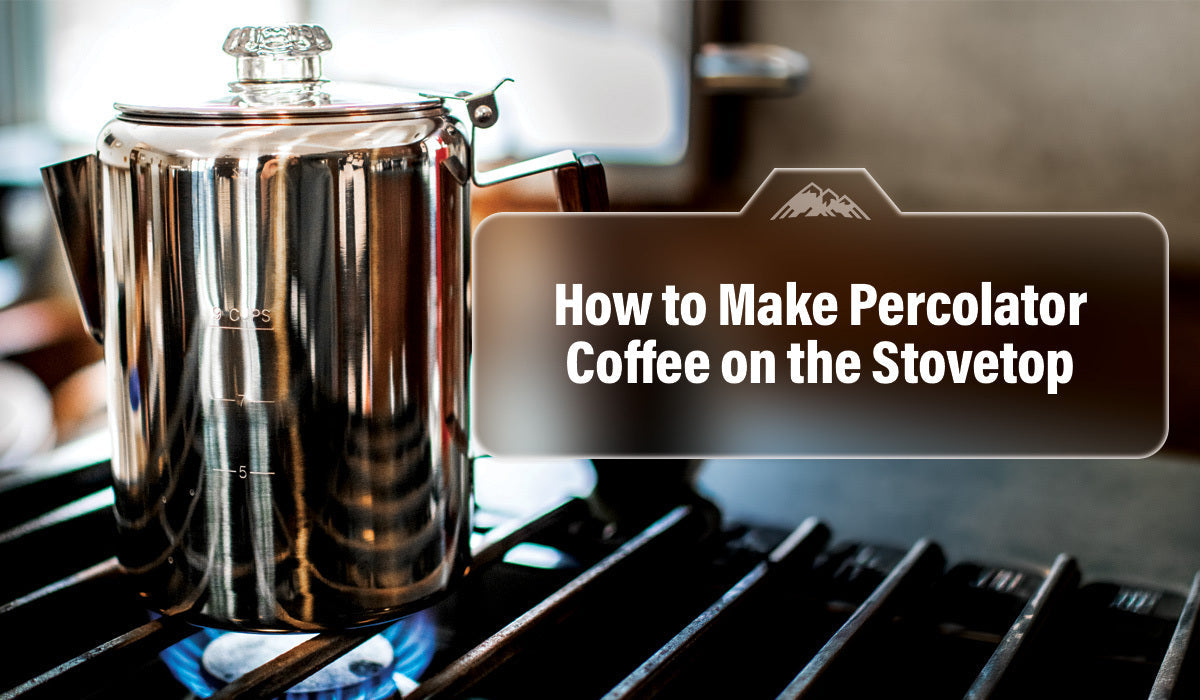
There are two main types of percolators. Stovetop percolators sit on a burner and use direct heat. Electric percolators plug in and cycle automatically.
Key parts include the pot, stem, spreader basket, and lid. Hot water rises through the stem. It showers the grounds and then falls back into the pot in a loop. That loop is what produces the strong flavor many people seek when learning how to make a percolator coffee.
What you need before you start
Gear checklist:
- Percolator (stovetop or electric) clean and dry.
- Fresh coffee beans and grinder.
- Filter basket and stem in good shape.
- Fresh, cold water.
- Timer and spoon for stirring.
Choose the right coffee:
- Use medium to dark roast for classic percolator flavor.
- Grind coarse. Think similar to coarse sea salt. Too fine makes over-extraction and grit.
Water and ratio:
- Start with a 1:14 to 1:12 coffee-to-water ratio by weight. For simple measures, use 1 tablespoon of coffee per 5 ounces of water as a baseline.
- Use clean, filtered water for best taste.
These steps set the stage for how to make a percolator coffee that is clean and balanced.

Step-by-step: How to make a percolator coffee
-
Clean the percolator.
- Rinse pot, stem, and basket. Old oils change flavor.
-
Measure water.
- Fill the pot with cold water to the fill line or the desired level.
-
Add the grounds.
- Place the basket and fill with coarse coffee. Level it without packing.
-
Assemble the pot.
- Lock the basket and stem. Replace the lid.
-
Heat slowly.
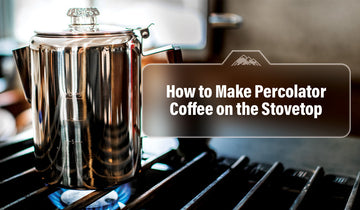
- For stovetop: place on medium-low heat. Bring to a light percolate (gentle bubbling from the lid view knob).
- For electric: plug in and monitor the first cycle.
-
Time the brew.
- Percolate for 6 to 8 minutes once you get steady cycling. Shorter for milder brew, longer for stronger. This is the core of how to make a percolator coffee of the strength you like.
-
Remove from heat and rest.
- Turn off heat and let it sit 1–2 minutes. This lets the grounds settle.
-
Serve carefully.
- Pour slowly to avoid grit. Enjoy black or with milk and sugar.
These steps form a repeatable method for how to make a percolator coffee you can trust.
Pro tips, common mistakes, and troubleshooting
Keep it simple. Use fresh beans and a coarse grind. Avoid these mistakes:
- Overheating the pot. High heat makes bitter coffee.
- Using too-fine grind. This clogs and over-extracts.
- Leaving percolating too long. That makes an overly strong or burnt taste.
Personal lessons from my experience:
- I once brewed on high heat and ruined a pot. Since then, I always start low and listen for the gentle percolate sound.
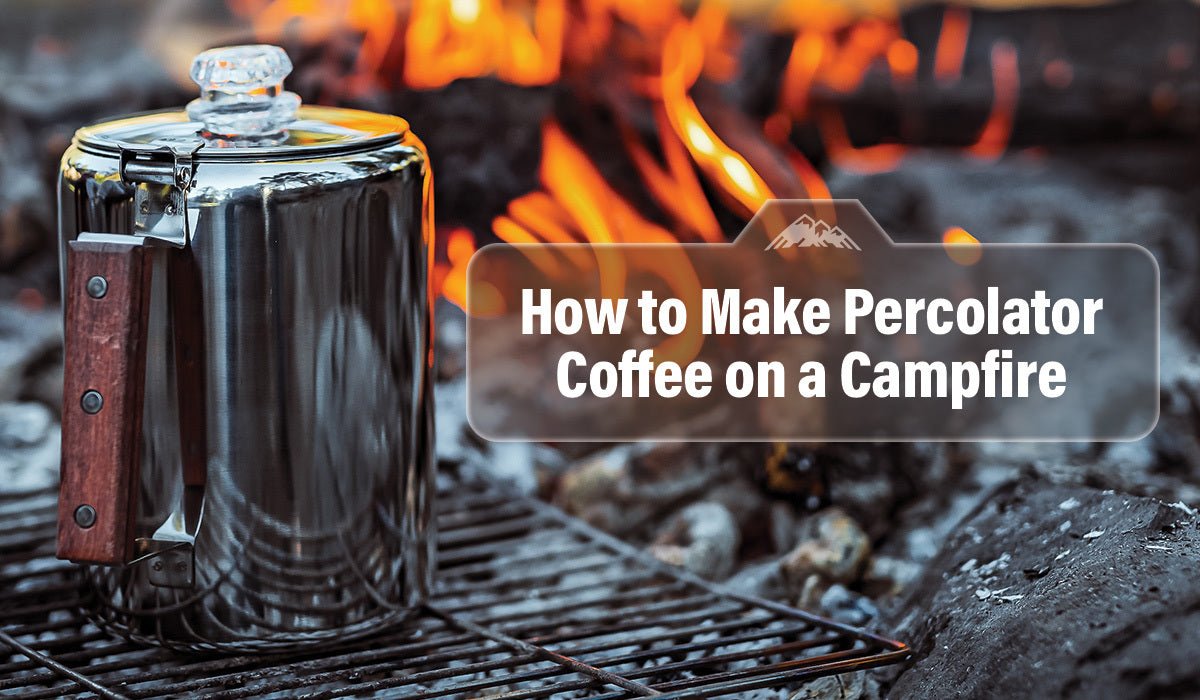
- When camping, I tie the lid with a bungee strap to stop sudden spills when the stove flares.
Adjustments:
- If coffee tastes weak, add 1–2 minutes of brew time or slightly more grounds.
- If coffee tastes bitter, shorten brew time or coarsen the grind.
These fixes will help you refine how to make a percolator coffee that fits your taste.
Cleaning and maintenance
Clean after every use. Remove spent grounds and wash all parts with warm, soapy water. For deep clean:
- Boil a mixture of water and baking soda or vinegar in the percolator to remove oils.
- Rinse thoroughly and dry.
Good maintenance keeps flavor fresh and extends the life of your device. This is part of how to make a percolator coffee that stays great over months and years.

Flavor variations and recipes
Try these small tweaks:
- Add a cinnamon stick to the basket for spice notes.
- Use half decaf, half regular for lighter caffeine.
- Add a splash of cold water after brewing to cool faster and preserve aromatics.
Experiment in small batches. That helps you learn how to make a percolator coffee suited to your palate.
Frequently Asked Questions of how to make a percolator coffee
How coarse should my coffee be for a percolator?
Use a coarse grind similar to coarse sea salt. This prevents over-extraction and reduces sediment in the cup.
How long should I percolate my coffee?
Aim for 6 to 8 minutes of steady percolation after the water starts cycling. Adjust by one minute for taste.
Can I use a percolator for espresso-like coffee?
No. Percolators do not reach the pressure needed for espresso. They make a strong, full-bodied brew, but not true espresso.
Is paper filter needed in a percolator?
Not usually. Percolators use an open metal basket. A mesh cloth or basket filter can reduce grit but is optional.
How do I stop bitter coffee from a percolator?
Shorten the brew time, coarsen the grind, or lower the heat. Fresh beans also reduce bitterness.
Can I make iced coffee with a percolator?
Yes. Brew a slightly stronger batch, cool quickly, and pour over ice. Dilute to taste.
Is electric better than stovetop percolator?
Electric models are more hands-off. Stovetop models offer control and are more rugged for travel. Choose by use case.
How much coffee do I use for two people?
Use 2 to 3 tablespoons of coarse coffee for two 10-ounce cups as a starting point. Adjust to taste.
Does water temperature matter for percolator coffee?
Yes. Start with cold water and heat slowly. Avoid very high heat that boils aggressively and over-extracts.
How do I remove old coffee oils from my percolator?
Run a cycle with hot water and baking soda or vinegar, then rinse well. This restores cleaner flavor.
Wrap up
You now have clear, practical steps for how to make a percolator coffee that tastes strong, clean, and reliable. Start with fresh beans, a coarse grind, and gentle heat. Time the percolation for 6 to 8 minutes and adjust to your taste.
Try a few brews and take notes. Small tweaks lead to big flavor gains. If you found this guide helpful, try it today, leave a comment with your results, or subscribe for more brewing tips.

Liora Pennings is a seasoned chef and kitchen enthusiast with a passion for turning everyday cooking into an effortless experience. With years of hands-on culinary expertise, she specializes in practical techniques, ingredient know-how, and smart kitchen solutions that help home cooks elevate their meals. At KitchFlair.com, Liora shares her best tips, time-saving tricks, and honest product reviews to guide readers toward a more efficient, enjoyable, and inspired cooking routine. Whether you’re a beginner or a seasoned home chef, Liora’s friendly, knowledge-packed insights make every visit to the kitchen a little easier—and a lot more delicious.