Which Vacuum Cleaner Is Best For Home: Top Buying Guide
For most homes, the Shark Stratos upright offers the best mix of power, filtration, tools, and value.
Choosing which vacuum cleaner is best for home depends on your floors, pets, allergies, storage space, and cleaning habits. After comparing upright, canister, stick, handheld, and robot models, the right choice becomes much clearer: strong suction matters, but brush design, filtration, maneuverability, and long-term upkeep matter just as much.
Which vacuum cleaner is best for home?
For most households, the Shark Stratos upright is the best all-around vacuum cleaner for home use. It works well on carpets and hard floors, has strong pet-hair pickup, and includes useful features such as brush-roll control and odor reduction.
However, no single vacuum suits every home. A small apartment may be better served by a cordless stick vacuum, while a home with thick carpet may need a powerful upright. People with allergies may prefer a sealed canister vacuum with a true HEPA filter.
Here are the best vacuum types for common needs:
• Best overall: Shark Stratos upright
• Best premium canister: Miele Complete C3
• Best for allergies: Miele Complete C3 with a sealed filtration system
• Best cordless stick: Dyson V15 Detect
• Best for pets: Shark Stratos or SEBO Felix
• Best robot vacuum: Roborock Qrevo series
• Best budget option: Shark Navigator Lift-Away
The best vacuum cleaner for home is the one that matches your floor type and cleaning routine. A premium vacuum can still disappoint if its brush roll is wrong for your floors or its dustbin is too small for your home.
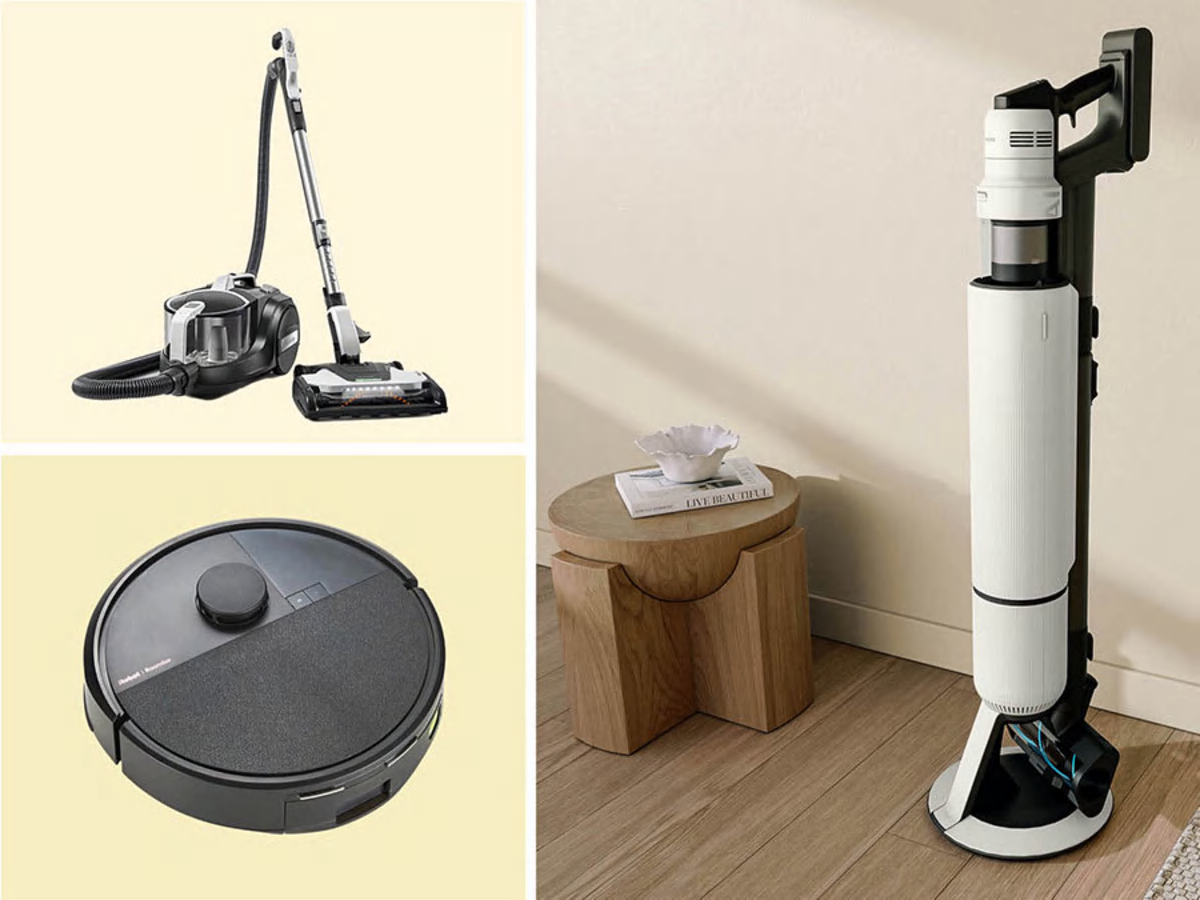
Best vacuum cleaner for home by category
Best overall: Shark Stratos upright
The Shark Stratos is a strong choice for homes with a mix of rugs, carpets, tile, and hardwood. Its powered brush roll helps remove embedded dirt, while its floor controls make it easier to switch between surfaces.
It is also a practical pick for pet owners. The brush system is designed to reduce hair wrap, although no vacuum removes every strand without maintenance. Its Lift-Away design can help clean stairs, furniture, and hard-to-reach areas.
The main limitation is weight. An upright vacuum is usually less convenient than a cordless stick for quick daily cleaning.
Best premium choice: Miele Complete C3
The Miele Complete C3 is a high-quality canister vacuum known for smooth operation, strong filtration, and excellent cleaning tools. It is especially suitable for homes with hardwood floors, area rugs, and allergy concerns.
Its sealed system and replaceable bags help contain dust. The canister design also keeps the motor and dust container away from your hand, which makes the floor head easier to guide.
The cost is higher than many upright vacuums. Replacement bags and filters also add ongoing expense, but they can help keep fine dust contained.
Best cordless stick: Dyson V15 Detect
The Dyson V15 Detect is ideal for people who want fast, flexible cleaning without plugging in a cord. It is light enough for daily messes and comes with tools for floors, furniture, stairs, and narrow spaces.
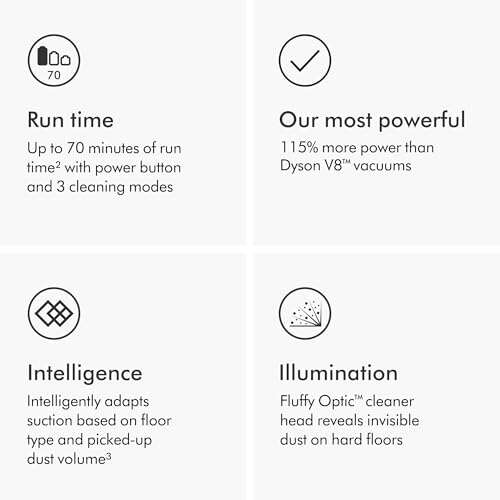
Its dust sensor and display can show particles being collected. This feature is interesting and useful, but it should not be the main reason to buy the vacuum. Cleaning performance, battery life, and comfort matter more.
Cordless vacuums have limits. Maximum power often reduces battery life, and large homes may need a second battery or several charging cycles.
Best for pet hair: Shark Stratos or SEBO Felix
Pet hair can cling to carpet fibers like tiny hooks. A vacuum for pet hair needs a motorized brush, strong airflow, and a way to reduce hair buildup around the brush roll.
The Shark Stratos offers strong value and useful anti-wrap features. The SEBO Felix is a more premium option with a durable design and excellent floor performance.
For pet homes, look for:
• A powered brush roll
• Easy brush-roll access
• A sealed dust path
• A washable pre-motor filter
• Upholstery and crevice tools
• A large enough dustbin or bag
Even the best vacuum cleaner for home will struggle with long hair if the brush roll is never cleaned.
Best robot vacuum: Roborock Qrevo series
A robot vacuum is best for keeping floors tidy between deep cleans. Roborock Qrevo models combine vacuuming with mapping, app control, and, in many versions, mopping and automatic emptying.
Robot vacuums work well on open floor plans and hard floors. They are less effective on cluttered rooms, thick high-pile carpet, stairs, and homes with many floor transitions.
A robot vacuum should support your main vacuum, not always replace it. Think of it as a daily floor helper rather than a complete cleaning system.
:max_bytes(150000):strip_icc()/rsp-best-vacuums-of-2023-tout-54847f13b9cf4677a3d0b1e7919928cc.jpg)
How to choose the best vacuum cleaner for home
Start with your floor type
Floor type is one of the most important buying factors. Carpet needs agitation, while hard floors need gentle cleaning that does not scatter crumbs or scratch delicate surfaces.
For wall-to-wall carpet, choose an upright or powerful canister with height adjustment. For hardwood and tile, choose a vacuum with soft bristles, suction control, and a bare-floor setting.
For mixed flooring, a vacuum with an on-and-off brush roll is useful. It lets you clean rugs without dragging the spinning brush across delicate floors.
Consider your home size
A large home may need a long power cord, a large dustbin, or a bagged system. A small apartment may benefit more from compact storage and low noise.
Cordless models are convenient in homes with several floors. You can carry them upstairs without pulling a cord behind you. Still, check the claimed battery runtime at the power level you will actually use.
Think about allergies
Vacuuming can remove dust, but it can also stir fine particles into the air if the machine leaks. The Environmental Protection Agency recommends source control and effective filtration as part of indoor air-quality management.
If allergies are a concern, look for:
• A sealed vacuum system
• A true HEPA or high-efficiency filter
• A bagged design or sealed dustbin
• Low-dust filter replacement
• Strong performance on carpets and upholstery
A HEPA label alone does not guarantee that the entire vacuum is sealed. The filter may capture fine particles while air escapes through gaps in the body.
Match the vacuum to your cleaning habits
If you clean small messes each day, a cordless stick vacuum may be the best vacuum cleaner for home. If you clean once a week, a full-size upright or canister may provide better deep-cleaning power.
Be honest about storage and maintenance. A vacuum with many tools is not useful if the attachments stay in a box and the machine is hard to reach.
In hands-on vacuum comparisons, I have found that convenience often decides whether people clean regularly. A slightly less powerful vacuum that is easy to grab can outperform a heavy model that stays in a closet.
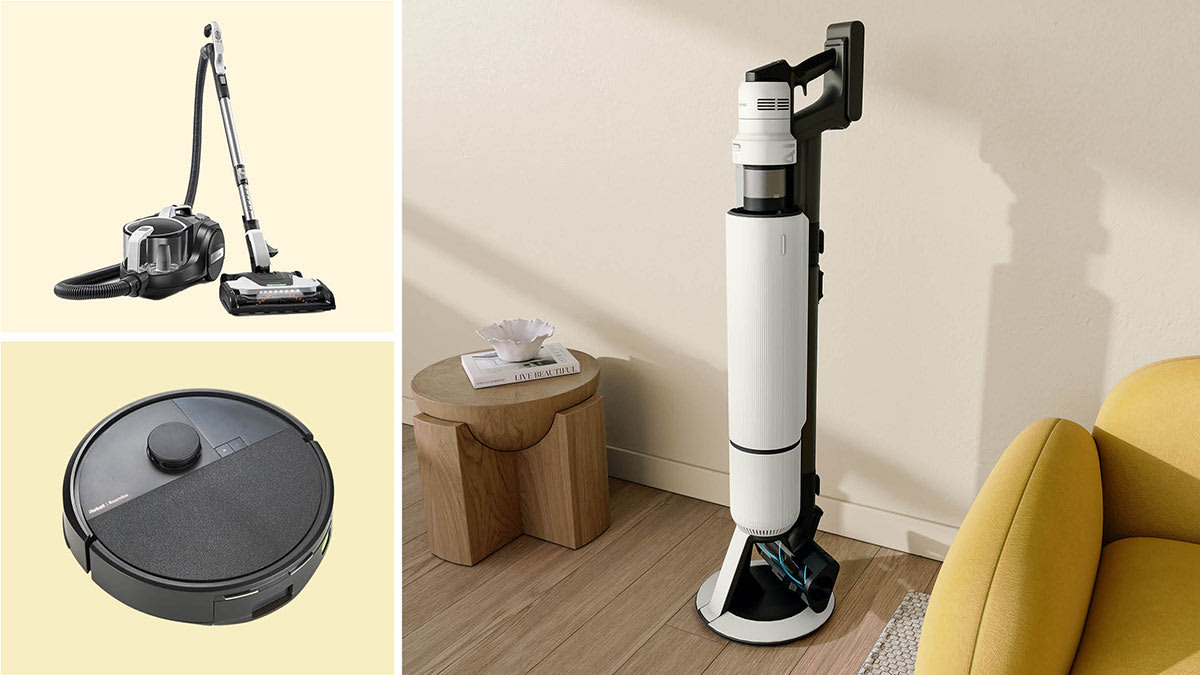
Upright, canister, stick, handheld, or robot vacuum?
Upright vacuums
Upright vacuums are often the best choice for medium and large carpeted homes. They usually provide strong agitation and large cleaning heads.
Advantages include:
• Strong carpet cleaning
• Large dust capacity
• Wide cleaning path
• Useful pet-hair tools
Their drawbacks include higher weight, more noise, and less flexible movement around furniture.
Canister vacuums
Canister vacuums are versatile and often excellent on hard floors, stairs, and furniture. The separate canister makes the floor head lighter to move.
They can be easier to guide around table legs and under low furniture. Their long hoses also help with stairs, but storing the hose and attachments may take more space.
Cordless stick vacuums
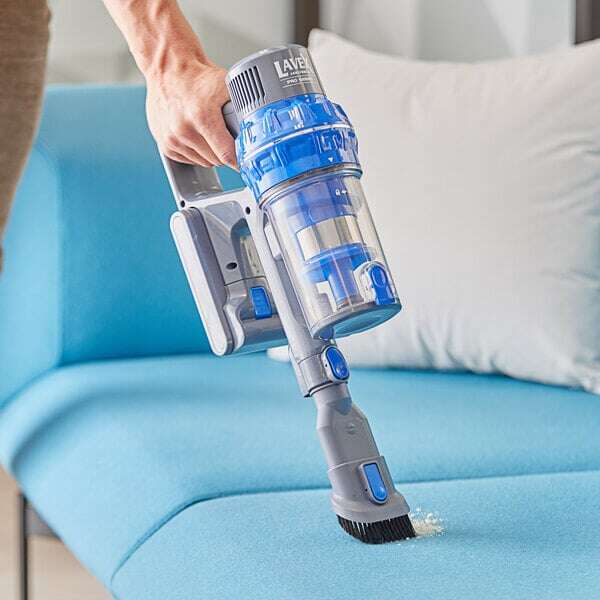
Stick vacuums are simple, quick, and easy to store. They are especially helpful for apartments, kitchens, and homes where small messes appear often.
Their limits include shorter runtime, smaller dustbins, and less deep-cleaning ability on thick carpet. Some models also require frequent filter washing.
Handheld vacuums
Handheld vacuums are useful for cars, furniture, stairs, crumbs, and pet beds. They are not designed to replace a full-size vacuum cleaner for home floors.
A handheld model is a helpful second tool. It is rarely the best vacuum cleaner for home as the only machine.
Robot vacuums
Robot vacuums save time by cleaning on a schedule. Many can map rooms, avoid some obstacles, and return to a dock to recharge.
They still need help. You must clear cords, empty bins, clean sensors, and remove hair from wheels and brushes. Their mopping features also vary widely and should not be confused with deep floor washing.

Bagged vs. bagless vacuum cleaners
Bagged vacuums collect dirt in a disposable bag that also acts as part of the filtration system. When the bag is removed, less dust usually escapes into the room.
Bagless vacuums use a reusable dustbin. They avoid the cost of bags, but emptying the bin can release dust. Filters also need regular cleaning or replacement.
Choose a bagged vacuum if:
• You have allergies
• You want less contact with dust
• You prefer steady airflow
• You do not mind buying bags
Choose a bagless vacuum if:
• You want to see the collected dirt
• You prefer not to buy bags
• You can clean filters often
• You want a lower ongoing supply cost
Neither system is automatically superior. A well-sealed bagless vacuum can perform very well, while a poorly maintained bagged vacuum can lose suction.
One mistake I often see is treating “bagless” as “maintenance-free.” It is not. Dust filters, brush rolls, seals, and air paths all need care.
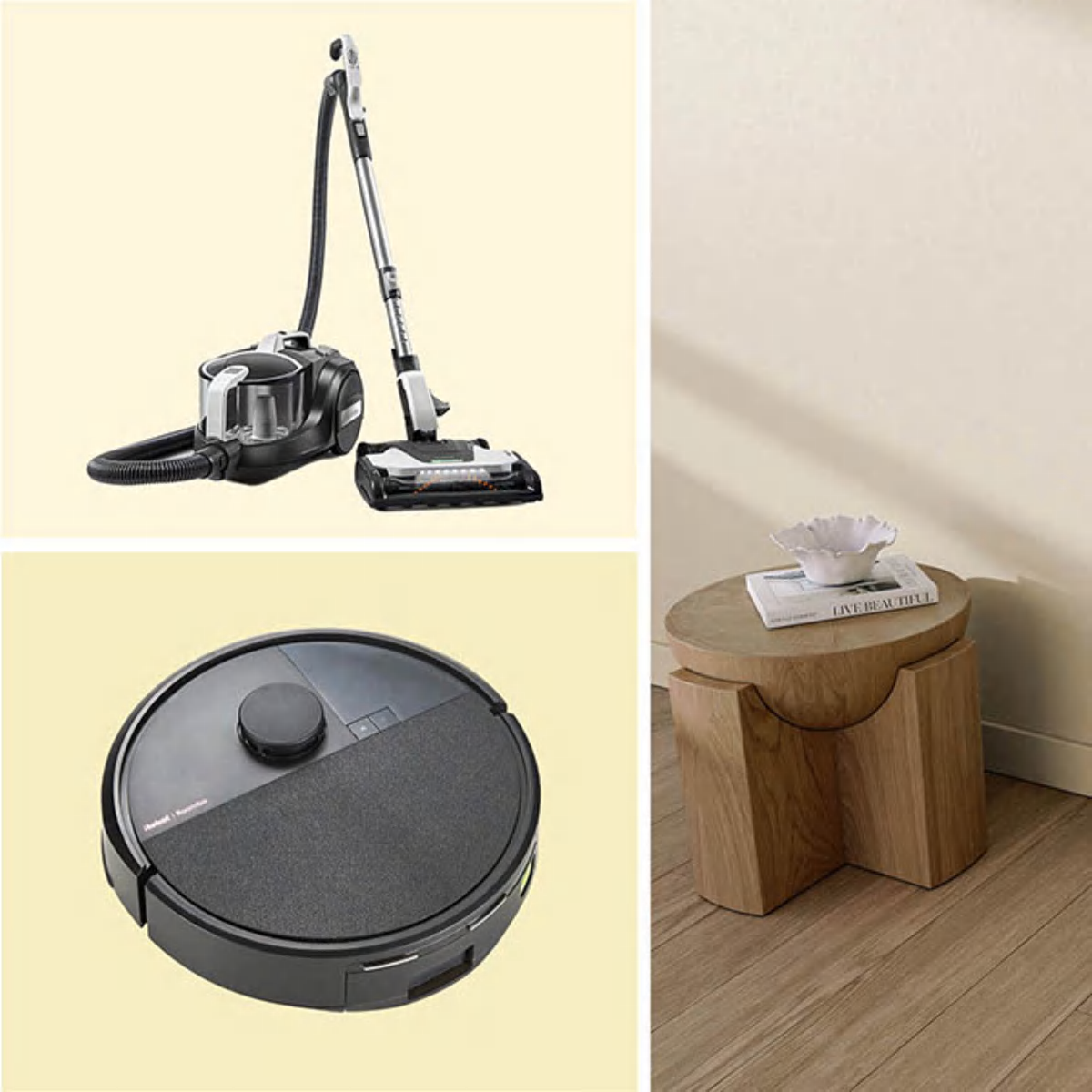
Features that matter most
Vacuum marketing can make small features sound essential. Focus on the parts that change real cleaning performance.
Brush-roll control
A spinning brush helps lift dirt from carpets. On hard floors, it can scatter debris or scratch delicate surfaces. Brush-roll control is valuable in homes with mixed flooring.
Suction control
Strong suction is not always better. Excessive suction can make a floor head hard to move across rugs or pull at lightweight curtains. Adjustable suction gives you more control.
Sealed filtration
A sealed system prevents dirty air from escaping around the filter. This feature matters more than a simple filter label, especially for allergy-sensitive households.
Dust capacity
A small dustbin may be fine for an apartment. A large home with pets may require a larger bin or a bagged vacuum with greater capacity.
Noise level
Noise ratings are not always measured in the same way. If possible, read independent tests or try the vacuum in a store. A quieter machine is more pleasant to use and less stressful for pets.
Attachments
Useful tools include:
• Crevice tool for narrow gaps
• Upholstery tool for sofas and chairs
• Dusting brush for shelves and blinds
• Motorized mini brush for stairs and pet beds
• Soft floor head for hardwood
Extra tools are helpful only when they fit your needs. More attachments do not automatically make the best vacuum cleaner for home.

How much should you spend?
A reliable vacuum cleaner for home can cost from about $100 to more than $1,000. Price often reflects build quality, filtration, battery technology, included tools, and warranty support.
Budget models can work well in small homes with simple floors. Mid-range models often offer the best balance for families and pet owners. Premium models may provide better durability, quieter operation, and more refined floor tools.
Use this general guide:
• Under $150: Basic cleaning and small spaces
• $150 to $350: Strong value for many homes
• $350 to $700: Better tools, filtration, and performance
• Over $700: Premium materials, advanced features, or robot automation
Do not judge value by suction claims alone. A vacuum that lasts several years and has affordable filters may cost less over time than a cheap model that needs frequent replacement.
Check the warranty, return policy, filter prices, bag prices, and repair options before buying.
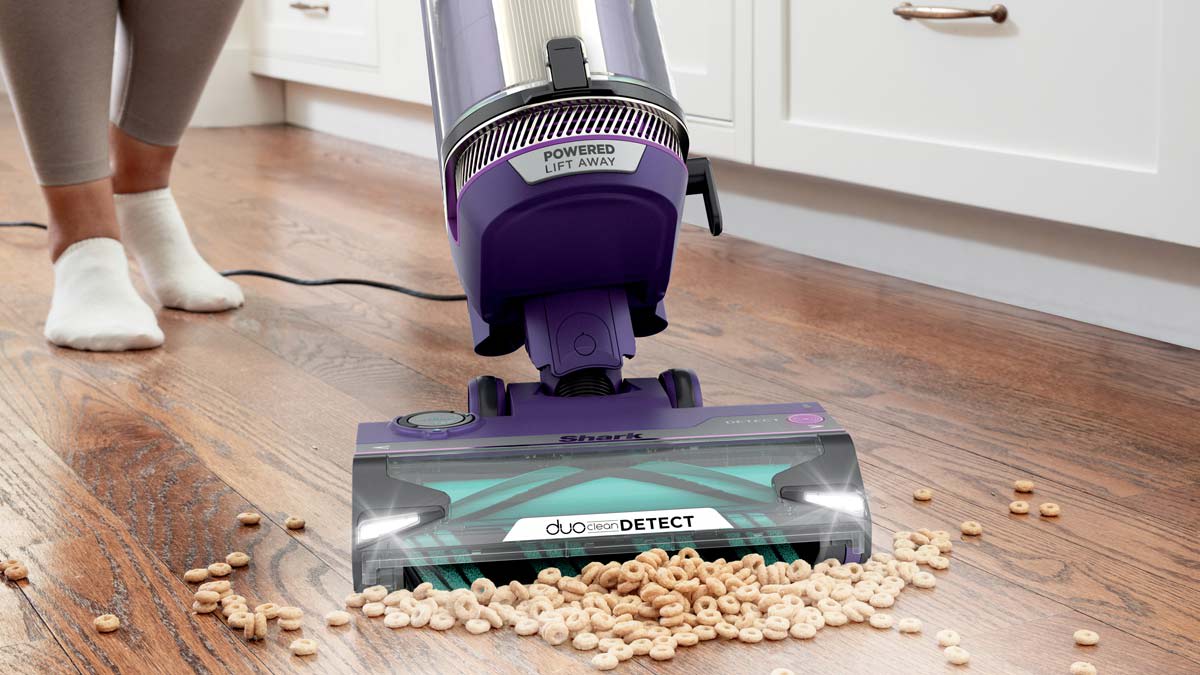
Common vacuum cleaner mistakes to avoid
Buying only by advertised suction
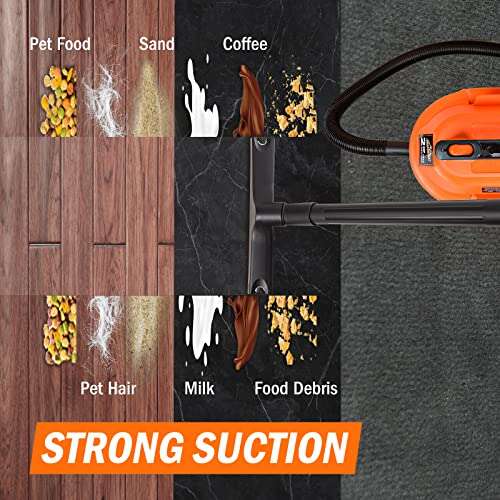
Air watts, watts, and suction figures do not tell the whole story. Floor-head design, airflow, sealing, and brush agitation also affect cleaning results.
Ignoring brush-roll maintenance
Hair and thread can wrap around a brush roll and reduce performance. Check the brush at least once a month, or more often if you have pets or long hair.
Using the wrong setting
A carpet setting may scatter debris on hardwood. A bare-floor setting may not lift dirt from thick carpet. Use the floor control that matches the surface.
Forgetting filter care
A clogged filter reduces airflow and can make the motor work harder. Follow the manual for washing and replacement schedules, because some filters should not be washed.
Expecting a robot vacuum to clean stairs
Robot vacuums cannot climb stairs. Homes with stairs still need an upright, canister, stick, or handheld vacuum.
Choosing a vacuum that is too heavy
A heavy vacuum may clean well but become tiring to use. If you have back, shoulder, or mobility concerns, prioritize weight and steering comfort.

A simple vacuum maintenance routine
Regular care helps the best vacuum cleaner for home keep its performance.
-
Empty the dustbin before it reaches the full line.
-
Check the brush roll for hair and thread.
-
Wash approved filters only as directed.
-
Replace disposable bags before they become tightly packed.
-
Inspect the hose for blockages.
-
Clean robot sensors and charging contacts.
-
Check the power cord for damage.
Never use a damaged cord or a vacuum with exposed wires. Unplug the machine before clearing a brush roll or inspecting a blockage.
A clean filter can make a bigger difference than a higher advertised motor rating. In everyday testing, clogged filters are one of the most common reasons a vacuum feels weak.
Frequently Asked Questions
Which vacuum cleaner is best for most homes?
The Shark Stratos upright is a strong all-around choice for homes with carpets, rugs, hard floors, and pets. A Miele Complete C3 may be better if filtration, quiet operation, and premium canister performance are your top priorities.
Is an upright or stick vacuum better?
An upright vacuum usually offers stronger deep cleaning and a larger dust capacity. A stick vacuum is lighter and faster for daily messes, but it may have less power and shorter battery life.
What is the best vacuum cleaner for pet hair?
Choose a vacuum with a powered brush roll, strong airflow, and an easy way to remove wrapped hair. The Shark Stratos is a practical choice, while the SEBO Felix offers a more premium and durable design.
Are bagged vacuums better for allergies?
Bagged vacuums can be better for allergies because the bag contains dust and is removed with less exposure. A sealed bagless vacuum with effective filtration can also work well when its bin and filters are maintained carefully.
Do robot vacuums replace regular vacuums?
Usually, they do not replace a full-size vacuum. Robot vacuums are excellent for frequent surface cleaning, but they may struggle with stairs, upholstery, clutter, corners, and deep carpet cleaning.
How often should I vacuum my home?
High-traffic areas often benefit from vacuuming two or more times per week. Bedrooms and low-traffic rooms may need weekly cleaning, while homes with pets, children, or allergies may need more frequent care.
How long should a good vacuum last?
Many well-built vacuums can last several years with proper maintenance. Lifespan depends on the design, use, filter care, replacement parts, and whether repairs are available.
Conclusion
The best vacuum cleaner for home is not always the most expensive or the most powerful model. For most people, the Shark Stratos offers a strong balance of carpet cleaning, hard-floor care, pet-hair pickup, and useful attachments. The Miele Complete C3 is a better premium option, the Dyson V15 suits cordless cleaning, and a Roborock Qrevo can handle daily robot cleaning.
Before you buy, match the vacuum to your floors, home size, pets, allergies, storage space, and cleaning habits. Compare maintenance costs and warranty support, then choose a machine you will enjoy using. Explore detailed model reviews and share your cleaning needs in the comments to find the right fit.

Liora Pennings is a seasoned chef and kitchen enthusiast with a passion for turning everyday cooking into an effortless experience. With years of hands-on culinary expertise, she specializes in practical techniques, ingredient know-how, and smart kitchen solutions that help home cooks elevate their meals. At KitchFlair.com, Liora shares her best tips, time-saving tricks, and honest product reviews to guide readers toward a more efficient, enjoyable, and inspired cooking routine. Whether you’re a beginner or a seasoned home chef, Liora’s friendly, knowledge-packed insights make every visit to the kitchen a little easier—and a lot more delicious.