How To Choose Vacuum Cleaner Size: Best Capacity Guide
Choose vacuum capacity by floor area, debris level, storage space, and how often you plan to clean.
Learning how to choose vacuum cleaner size capacity for home space can save you money, time, and back strain. The right vacuum is not always the biggest one. A compact model may suit a small apartment, while a larger bin or bag works better for a busy home with pets, rugs, and children.
This guide explains how to choose vacuum cleaner size capacity for home space using practical size ranges, real cleaning needs, floor types, and storage limits. I have tested and compared many vacuum styles over the years, and one lesson stands out: capacity matters, but only when matched with suction, tools, weight, and daily habits.
What vacuum cleaner capacity really means
Vacuum capacity is the amount of dirt, dust, hair, and debris a machine can hold before you empty the bin or replace the bag. Brands may list capacity in liters, quarts, gallons, or cubic feet. These numbers describe storage space, not cleaning power.
A larger dust container lets you clean longer. However, it can also make the vacuum heavier and harder to store. A small vacuum may be easier to carry but may need frequent emptying.
When learning how to choose vacuum cleaner size capacity for home space, think of the vacuum as a trash can with a motor. A large trash can holds more, but it is not always the best choice for a small room.
Common vacuum capacity ranges
The following ranges are general. Exact capacity varies by vacuum type and brand.
• Small capacity: About 0.2 to 0.8 liters. Common in handheld and compact cordless vacuums.
• Medium capacity: About 0.8 to 2 liters. Common in stick vacuums and many cordless upright models.
• Large capacity: About 2 to 5 liters. Common in upright, canister, and bagged vacuums.
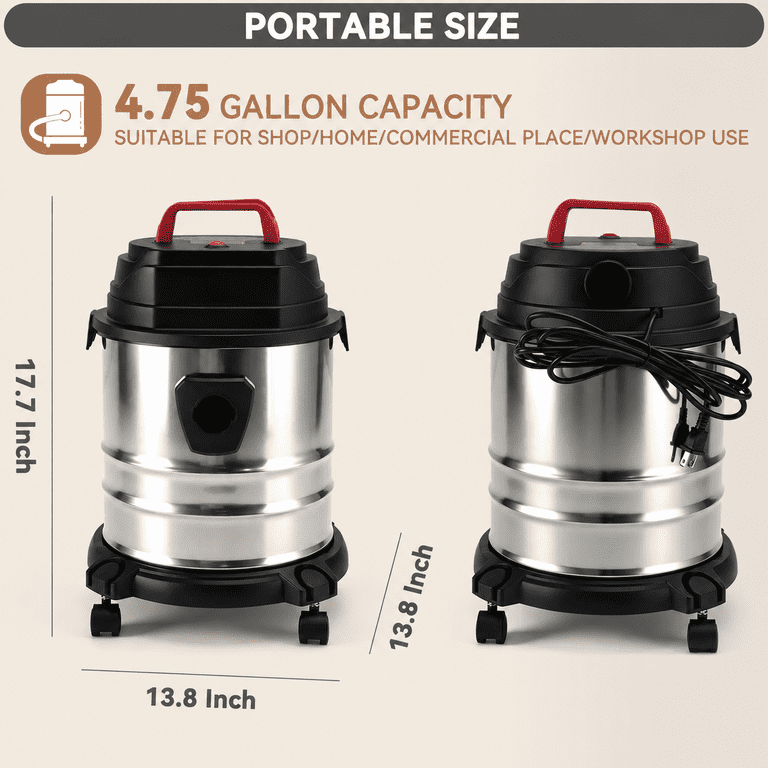
• Extra-large capacity: More than 5 liters. Often found in shop vacuums and heavy-duty machines.
A bagged vacuum may hold more usable dust than a bagless model with the same listed size. This is because the bag can expand, while a bagless bin may lose airflow as it fills.

Match vacuum size to your home’s floor area
Home size is a useful starting point, but it should not be the only factor. A 500-square-foot apartment with two shedding dogs may need more capacity than a 1,500-square-foot home with low-pile carpet and no pets.
Use your floor area as a guide, then adjust for dirt, hair, flooring, and cleaning frequency.
Small homes and apartments
For a studio, dorm, or apartment under about 800 square feet, a compact stick vacuum or small canister often works well. Look for a bin of at least 0.5 liters if you clean several times per week.
A small home with hard floors may need less capacity because dust and crumbs are easy to collect. If you have thick rugs, pets, or children, consider a medium-capacity model instead.
Medium homes
Homes from about 800 to 1,800 square feet often benefit from a vacuum with a 1 to 2.5-liter bin or a standard-size dust bag. This range offers a good balance between cleaning time and easy handling.
For larger homes, a cordless stick vacuum can still work if you clean in short sessions. You may need to empty it after each floor or room, which is not a problem for many people.
Large homes
For homes over about 1,800 square feet, a full-size upright or canister vacuum may be more practical. A 2 to 5-liter capacity can reduce interruptions during whole-home cleaning.
A central vacuum system can offer even more capacity. Its dirt canister is usually stored away from living areas, so you do not carry the weight of the container while cleaning.
How to choose vacuum cleaner size capacity for home space by square footage
A simple starting guide looks like this:
• Under 800 square feet: 0.5 to 1 liter
• 800 to 1,800 square feet: 1 to 2.5 liters
• Over 1,800 square feet: 2 to 5 liters
• Large homes with pets: 3 liters or more, or a bagged vacuum with a large bag
These figures are not strict rules. A small home with heavy shedding may need a large bin, while a large home that is cleaned daily may work well with a smaller bin.
Consider pets, children, and daily debris
The amount of debris in your home can matter more than the number of rooms. Pet hair fills a dust bin quickly. Fine litter, sand, and food crumbs can also add up fast.
If you live with pets, look for a vacuum with:
• A sealed filtration system
• A washable or replaceable filter
• A brush roll designed for hair
• Tangle control or an easy-to-clean brush
• At least 1.5 to 3 liters of usable capacity
Pet owners should also check whether the listed capacity is the total bin size or the practical fill line. Many bins should not be filled to the top because airflow drops as dirt blocks the filter or intake.
Homes with young children may need frequent cleaning of crumbs, cereal, and small bits of paper. A vacuum that is easy to grab can be more useful than a large machine that stays in a closet.
In my experience, people often buy a large vacuum for pet hair but overlook the brush roll. A large bin does not help much if hair wraps around the roller every few minutes.
High-debris homes need more than a large bin
A bigger capacity helps, but the vacuum must also manage the type of debris.
• Long pet hair needs an anti-tangle brush.
• Fine dust needs strong filtration.
• Sand needs a sealed body and a durable floor head.
• Large crumbs need a wide intake path.
• Carpet fibers need a powered brush roll.
This is a key part of how to choose vacuum cleaner size capacity for home space. Capacity tells you how much the vacuum can hold. The floor head and filter determine how well it collects that material.

Choose between bagged and bagless capacity
Bagged and bagless vacuums both have benefits. Your best choice depends on allergies, maintenance habits, and ongoing cost.
Bagged vacuum cleaners
Bagged vacuums collect dirt in a replaceable bag. The bag often acts as part of the filtration system and can hold a large amount of dust.
Benefits include:
• Less contact with dust during disposal
• Large usable capacity
• Often quieter operation
• Good containment for allergy-sensitive homes
Limitations include:
• The need to buy replacement bags
• Possible loss of suction when the bag becomes full
• Extra storage for spare bags
A bagged canister or upright is often a strong choice for homes with pets, carpets, or allergy concerns. The American Lung Association and other health groups commonly emphasize reducing indoor dust and using suitable filtration, but no vacuum removes every airborne particle.
Bagless vacuum cleaners
Bagless vacuums collect dirt in a reusable dust bin. You do not need to buy bags, but you must empty and clean the container and filters.
Benefits include:
• No replacement bag cost
• Easy view of the dirt level
• Simple emptying for many users
• Often lighter in cordless models
Limitations include:
• Dust can escape during emptying
• Filters need regular cleaning
• Capacity may seem large but have a lower fill line
If you choose a bagless vacuum, empty it before the dirt reaches the maximum line. Wash or replace filters according to the manual. A clogged filter can reduce airflow and place extra stress on the motor.
Compare vacuum types and their capacity
Vacuum design affects both capacity and ease of use. A 2-liter upright does not feel the same as a 2-liter canister or cordless stick vacuum.
Upright vacuums
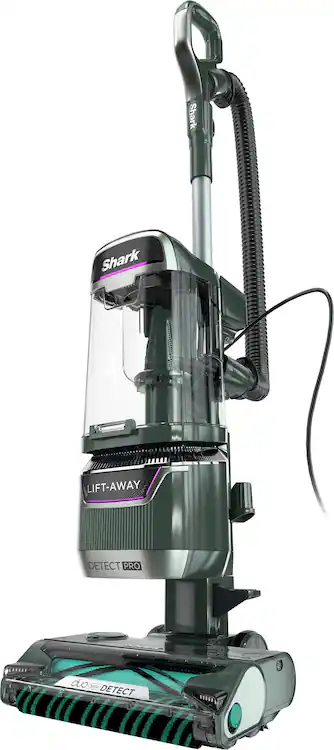
Uprights often have medium to large dust capacity. They work well on carpet and cover wide areas with fewer passes.
Choose an upright if you:
• Have several carpeted rooms